
Key Takeaways
- Trauma-informed care helps you understand how past overwhelming experiences shape your current habits, without forcing you to relive them.
- A rehab for trauma and PTSD near San Antonio provides a safe, non-judgmental space to heal both mental health and substance use challenges together.
- Evidence-based therapies like EMDR, CBT, and DBT are used to help you process difficult memories and build healthier routines.
- This compassionate approach is designed for individuals who feel “something deeper is wrong” and are seeking professional, effective support.
When Unresolved Experiences Shape Daily Life
How Trauma Influences Coping Patterns
How you cope with daily stress or difficult emotions can be shaped by experiences from your past, even if you do not always realize it. When you go through something overwhelming or deeply upsetting—whether it is a single event or a series of tough situations—your mind and body find ways to protect themselves. If you are seeking a rehab for trauma and PTSD near San Antonio, understanding these protective habits is the first step toward healing.
Sometimes, these coping patterns show up as habits that feel hard to break, like using substances to numb pain or escape uncomfortable feelings. For some, reaching for alcohol or drugs becomes a way to manage memories, anxiety, or a sense of being constantly on edge.
“Recognizing that these patterns are not a sign of weakness—but rather a response to overwhelming stress—can help remove shame from the recovery process.”
These choices may bring short-term relief but often lead to new challenges, especially when you feel stuck or unable to process what happened. Research shows that individuals who have faced overwhelming stress are up to 10 times more likely to develop substance use challenges than those who have not5.
A rehab for trauma and PTSD near San Antonio is designed to help you understand how your experiences shape your actions, and to find safer, more supportive ways of coping. The next section will explore how to recognize when something deeper may be affecting your daily life.
Recognizing Signs Something Deeper Is Present
Recognizing when something deeper is at play can be challenging, especially if certain feelings or behaviors have become a normal part of your daily life. Signs might not always be dramatic. For many, these patterns develop gradually and may be mistaken for personality traits or simple stress.
You might notice several common signs that indicate unresolved experiences are affecting you:
- A constant sense of being on edge or easily startled.
- Trouble sleeping or experiencing frequent nightmares.
- Feeling detached from others or struggling to build trust.
- Avoiding reminders of past events or feeling numb without knowing why.
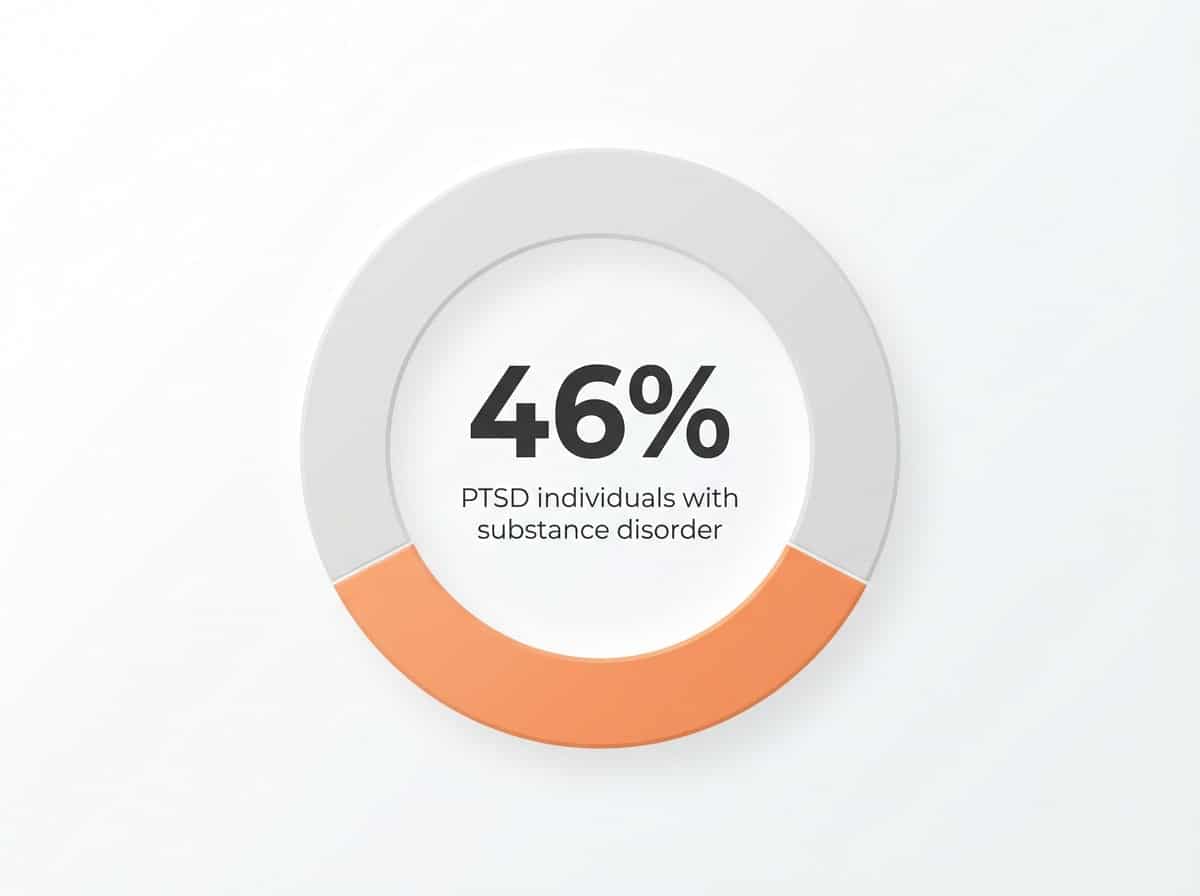
It is common for individuals living with these unresolved experiences to use substances as a way to manage uncomfortable feelings. In fact, nearly half of people with post-traumatic stress also experience substance use challenges at some point4. These signs are not proof of weakness or failure. Instead, they are signals that your mind and body are trying to cope with something that still needs care and understanding.
A rehab for trauma and PTSD near San Antonio is designed to help you explore these patterns with safety and respect, allowing for new ways of healing to begin. Next, we will look at what makes trauma-informed rehab approaches unique and supportive.
Understanding Trauma-Informed Rehab Approaches at a Rehab for Trauma and PTSD Near San Antonio
Core Principles of Safety and Trust in Care
When it comes to trauma-informed support, safety and trust are at the center of every step. In a rehab for trauma and PTSD near San Antonio, safety means more than just physical security. It also includes feeling emotionally supported and respected.
For many, healing begins only when they sense that they will not be judged or rushed. This environment helps you lower your guard and share at your own pace. Trust develops when care providers are consistent, honest, and transparent. This looks like clear communication, respecting your boundaries, and giving you choices about your treatment.
| Standard Care Approach | Trauma-Informed Care Approach |
|---|---|
| Focuses primarily on stopping the substance use. | Focuses on understanding the “why” behind the substance use. |
| Follows a strict, generalized schedule for everyone. | Offers flexible, individualized pacing based on your comfort. |
| Asks “What is wrong with you?” | Asks “What happened to you?” |
You are encouraged to voice your needs and preferences, making the process personal and empowering. Small gestures—like explaining what to expect in a session or checking in regularly—help build a strong foundation of trust.
Research shows that when trauma-informed principles guide care, individuals feel safer and are more likely to stay engaged in treatment. In fact, programs focusing on these principles report satisfaction rates of 89% or higher, reflecting how valued and supported patients feel8. With these principles in place, treatment can be tailored to your unique experience.
Individualized Treatment for Dual Diagnosis
Everyone’s story is unique, especially when both mental health challenges and substance use are present. In a rehab for trauma and PTSD near San Antonio, individualized treatment means that care teams take the time to listen and learn what matters most to you.
This approach recognizes that the effects of past experiences can look different for everyone—what feels overwhelming for one person might be invisible to another. Rather than using a one-size-fits-all plan, treatment is shaped around your specific needs, strengths, and hopes for recovery.
What does an individualized treatment plan include?
Your plan may combine therapy for unresolved experiences with strategies to manage substance use. It can also adapt sessions to address anxiety, depression, or other co-occurring concerns, ensuring your whole self is treated simultaneously.
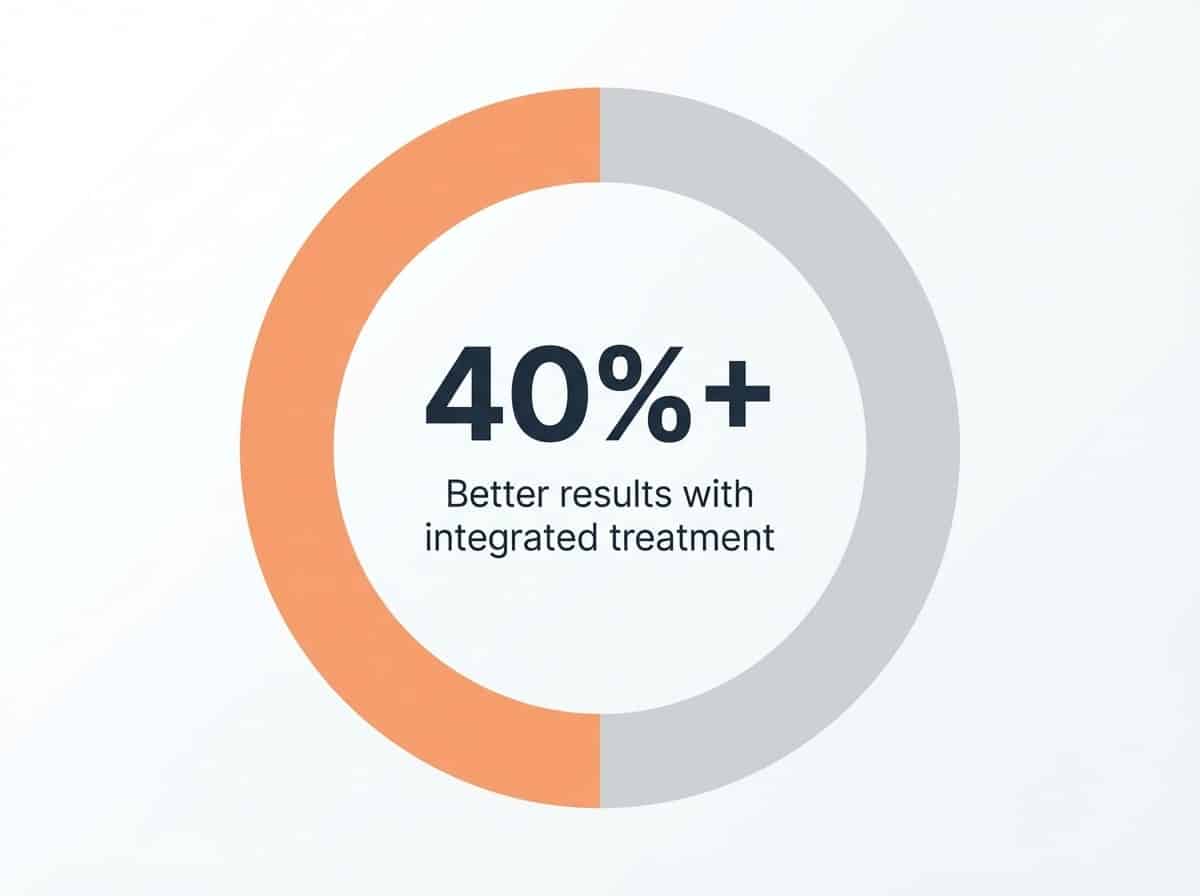
Research shows that when both trauma and addiction are addressed together, people see better results. Integrated treatment models can improve outcomes by over 40% compared to treating each condition separately3.
Care teams regularly check in and adjust support as your needs change, creating a flexible path that honors your individual progress. The goal is to make treatment feel safe, supportive, and personal, so healing is possible at the right pace.
Evidence-Based Therapies at a Rehab for Trauma and PTSD Near San Antonio
EMDR and Trauma Processing Techniques
Eye Movement Desensitization and Reprocessing (EMDR) is a highly effective therapy used in a rehab for trauma and PTSD near San Antonio. It helps you work through distressing memories in a safe, structured way.
Think of your mind like a filing cabinet. Sometimes, difficult memories get “stuck” in the wrong folder and keep causing pain or stress. EMDR uses guided eye movements or taps to help your brain “unstick” these memories so they can be processed and stored more peacefully.
During EMDR sessions, you focus on a troubling memory while following gentle movements from the therapist, such as moving your eyes side to side. This is not about forgetting what happened, but about reducing the emotional charge so the memory becomes less overwhelming.
If you feel overwhelmed during a session, therapists often use grounding techniques. For example, they might ask you to focus on your breathing or use a physical cue like pressing Ctrl + Alt + Del on your mental stress—resetting your focus to the present moment.
Over time, many people find that their anxiety, fear, or sadness about the past becomes much easier to manage. Research shows EMDR can lead to a 60-80% reduction in trauma symptoms, even for those also facing substance use challenges7. The goal is to build a sense of safety and control, allowing healing to happen step by step.
Cognitive Behavioral and Dialectical Approaches
Cognitive Behavioral Therapy (CBT) and Dialectical Behavior Therapy (DBT) are two widely used therapies in a rehab for trauma and PTSD near San Antonio. Both help you understand how your thoughts, feelings, and behaviors are deeply connected.
Imagine your thoughts and emotions as the gears of a bicycle. When one gear gets stuck, the whole system can wobble. CBT teaches you how to spot unhelpful thinking patterns and replace them with more balanced ones. For instance, if you often feel hopeless after a setback, CBT helps you see other possible outcomes and develop healthier ways to respond.
DBT builds on these ideas by adding practical skills for managing strong emotions and improving relationships. It is like learning to ride out a wave instead of being swept under. You practice staying present, handling distress without turning to old habits, and finding new ways to communicate your needs.
// The DBT Framework for Distress Tolerance:
1. Pause and step back from the emotion.
2. Observe what you are feeling without judgment.
3. Choose a healthy coping skill (e.g., deep breathing).
4. Proceed mindfully.
Research shows that trauma-focused CBT can reduce PTSD symptoms by 45-60% and lead to better engagement in addiction recovery9. Combined with DBT, these approaches help create a stable foundation for healing, especially for those facing both substance use and emotional pain.
What Healing Can Look Like Over Time
Many people seeking help for substance use sense that something deeper is driving their patterns—something beyond just the substances themselves. Perhaps certain situations consistently trigger the urge to use, or there is a persistent feeling of being on edge that substances temporarily quiet.
Maybe relationships feel difficult to navigate, or there is a lingering sense that past experiences continue to shape present reactions in ways that are hard to name. These patterns often point to unresolved experiences that have not been fully processed. A rehab for trauma and PTSD near San Antonio recognizes this reality without requiring you to label or define your experiences in any particular way.
This approach understands that your brain and body respond to overwhelming experiences by developing protective patterns. Some of these may include substance use as a way to manage emotions, numb pain, or create a sense of control. Trauma-informed care creates an environment where safety, trust, and choice are prioritized at every level of treatment.
When treatment addresses these deeper layers, healing from trauma and substance use does not follow a straight line. In the early stages of recovery, you often experience a mix of relief and vulnerability as you begin to process experiences you may have been avoiding for years. The first weeks might bring moments of clarity alongside waves of emotion that feel overwhelming.
As treatment progresses, many people notice shifts in how they respond to stress and triggers. Situations that once led immediately to using or shutting down may start to feel more manageable. There is often a growing awareness of the connection between past experiences and present reactions—a recognition that certain behaviors were attempts at self-protection rather than personal failures.
Over the course of several months, you typically develop a stronger sense of agency in your recovery. Coping skills learned through therapies like cognitive behavioral therapy, dialectical behavior therapy, and EMDR therapy become more integrated into daily life. The practice of identifying emotions, sitting with discomfort, and choosing healthy responses becomes less effortful.
Long-term healing involves building a life that feels meaningful and sustainable. This might include reconnecting with interests that were set aside during active addiction, establishing routines that support well-being, and developing a support network that understands the complexity of recovery. With trauma-informed care that respects your pace and unique needs, recovery becomes about reclaiming a sense of safety, connection, and hope for the future.
Frequently Asked Questions
How long does treatment typically last for someone with both trauma and substance use concerns?
The length of treatment in a rehab for trauma and PTSD near San Antonio varies for each individual, but most programs recommend at least several weeks to a few months. This allows time for both stabilization and deeper healing. People with both trauma and substance use concerns often need integrated care, where both issues are addressed together. Research shows that longer and more tailored programs lead to better outcomes and a lower chance of returning to old habits 3. Some may continue with outpatient therapy or support groups after residential treatment, as ongoing care helps maintain progress. Recovery is a gradual process, and support is available at each step.
Can trauma therapy begin during detox or early recovery stages?
Yes, trauma therapy can begin during detox or the early stages of recovery, but it is introduced carefully and at a pace that feels safe for each person. In a rehab for trauma and PTSD near San Antonio, the first goal is to help stabilize physical and emotional health. Early sessions often focus on building trust, teaching grounding skills, and creating a sense of safety before exploring deeper topics. Research supports starting trauma-informed approaches early, as this can improve engagement and long-term outcomes if done with sensitivity and professional guidance 3. Therapists work closely with individuals to decide together when and how to start trauma-focused work.
What if someone doesn’t remember specific traumatic events but still struggles with symptoms?
It is common for someone to struggle with symptoms—like anxiety, sleep issues, or feeling disconnected—even if they do not remember specific traumatic events. The mind sometimes protects itself by blocking out parts of overwhelming experiences, but the effects can still show up in daily life. In a rehab for trauma and PTSD near San Antonio, care teams understand that healing does not always require recalling every detail. Instead, treatment focuses on current feelings, coping patterns, and building a sense of safety. Research shows that addressing symptoms and supporting self-understanding helps people move forward, even without clear memories 6.
Are family members included in trauma-informed rehab programs?
Yes, family members are often included in trauma-informed rehab programs, especially in settings like rehab for trauma and PTSD near San Antonio. Involving loved ones can help build a supportive environment and improve communication both during and after treatment. Programs typically offer family education, counseling sessions, or group meetings so everyone can learn about trauma, substance use, and healthy ways to support recovery. This inclusion helps reduce misunderstandings and strengthens trust, making it easier for individuals to feel safe and understood. Research shows that family involvement can improve treatment engagement and long-term outcomes in trauma-informed care 8.
How does trauma-informed care differ from standard addiction treatment?
Trauma-informed care in a rehab for trauma and PTSD near San Antonio is different from standard addiction treatment because it recognizes that past experiences can affect how someone feels, acts, and copes each day. Instead of focusing only on stopping substance use, trauma-informed care also creates a safe, respectful space where people feel understood and not judged. Treatment teams look for signs that past experiences might be influencing current struggles and adjust support to fit each person’s needs. Research shows that when trauma and addiction are addressed together, people have better long-term outcomes and greater satisfaction with treatment 38.
What happens if trauma symptoms intensify during treatment?
It is not uncommon for trauma symptoms to become more noticeable or intense while in treatment, especially as difficult memories or feelings are explored. In a rehab for trauma and PTSD near San Antonio, care teams are trained to recognize these moments and respond with extra support. If someone feels overwhelmed, they might pause trauma work and focus on grounding skills or coping strategies until safety and calm return. Staff check in regularly, encourage open communication, and adapt the treatment plan as needed. This flexible approach helps people feel respected and supported, which research shows is essential for recovery in trauma-informed care 8.
Finding Specialized Support Near San Antonio
The San Antonio area offers multiple pathways to specialized care for individuals navigating both substance use and mental health challenges. Treatment centers throughout the region provide comprehensive approaches that address the interconnected nature of these conditions, recognizing that sustainable recovery requires attention to both aspects simultaneously.
When exploring options, you can look for programs that offer integrated treatment models, where psychiatric care and addiction services work in tandem rather than separately. Effective dual diagnosis treatment incorporates evidence-based therapies specifically designed to address both conditions. Cognitive Behavioral Therapy (CBT) helps identify and change thought patterns that contribute to both substance use and mental health symptoms.
Dialectical Behavior Therapy (DBT) teaches skills for managing intense emotions and improving relationships—particularly valuable for those whose substance use developed as a way to cope with emotional distress. For individuals whose addiction is intertwined with trauma, finding a rehab for trauma and PTSD near San Antonio that offers Eye Movement Desensitization and Reprocessing (EMDR) can help process difficult memories without requiring extensive verbal recounting, making healing more accessible.
Quality integrated care goes beyond simply offering both services under one roof. Programs should demonstrate true coordination, where therapists, psychiatrists, and medical staff communicate regularly about treatment progress and adjust approaches based on how the conditions interact. Trauma-informed care represents another essential element, particularly since many individuals with co-occurring conditions have experienced trauma that remains unaddressed.
Geographic accessibility matters, particularly for those balancing treatment with work, family, or other life responsibilities. The Spring Branch area, situated between San Antonio and Austin, hosts facilities designed specifically for dual diagnosis treatment, combining these evidence-based therapies with holistic support systems. The key is finding a program that understands the complexity of co-occurring conditions and provides the clinical expertise necessary to address both effectively, creating a foundation for long-term wellness.
References
- SAMHSA National Survey on Drug Use and Health: Co-occurring Disorders. https://www.samhsa.gov/data/sites/default/files/reports/rpt29393/2019NSDUHFFRR1PDF508.pdf
- SAMHSA National Helpline Resource Network. https://www.samhsa.gov/find-help/national-helpline
- Trauma-Informed Care and Substance Use Disorders – NCBI/NIH Research. https://www.ncbi.nlm.nih.gov/pmc/articles/PMC6007456/
- American Psychiatric Association: Mental Health Facts and Statistics. https://www.psychiatry.org/patients/what-is-mental-illness/mental-illness-facts-and-numbers
- NIDA: The Relationship Between Trauma and Substance Use. https://www.nida.nih.gov/publications/research-reports/relationship-between-trauma-and-substance-use
- National Institute of Mental Health: PTSD Overview and Treatment. https://www.nimh.nih.gov/health/topics/post-traumatic-stress-disorder-ptsd
- American Psychological Association: EMDR and Trauma Treatment Research. https://www.apa.org/pubs/highlights/peeps/issue-141
- American Counseling Association: Trauma-Informed Care Standards. https://www.counseling.org/news/updates/2023/03/15/new-aca-code-of-ethics-trauma-informed-care
- Cognitive Behavioral Therapy for PTSD in Dual Diagnosis – Peer Review Research. https://www.ncbi.nlm.nih.gov/pmc/articles/PMC3951447/
- Holistic and Integrative Approaches in Trauma-Informed Addiction Treatment. https://www.ncbi.nlm.nih.gov/pmc/articles/PMC3904719/