
Key Takeaways
- Neighborhoods Served: Accessible mindfulness therapy Austin programs are available across Hyde Park, South Congress, East Austin, Mueller, and Clarksville.
- Local Data: Interventions directly address Austin’s unintentional overdose rate of 25.6 per 100,000, which sits significantly above the Texas state average.
- Landmarks: Clinics and group sessions are conveniently located near major reference points like the University of Texas campus and Lady Bird Lake.
- Transportation & Access: Facilities offer easy access via I-35 and Mopac, with telehealth options available to bypass downtown parking and traffic congestion.
Mindfulness Therapy Austin: Interventions in Central Texas
The Evidence Base for Dual Diagnosis Care
When evaluating options for mindfulness therapy austin, professionals recognize that the evidence supporting dual diagnosis care is particularly robust given the city’s unique clinical landscape. With neighborhoods like Hyde Park, South Congress, East Austin, and the Mueller District experiencing a notable rise in co-occurring mental health and substance use challenges, the need for integrated approaches is clear.
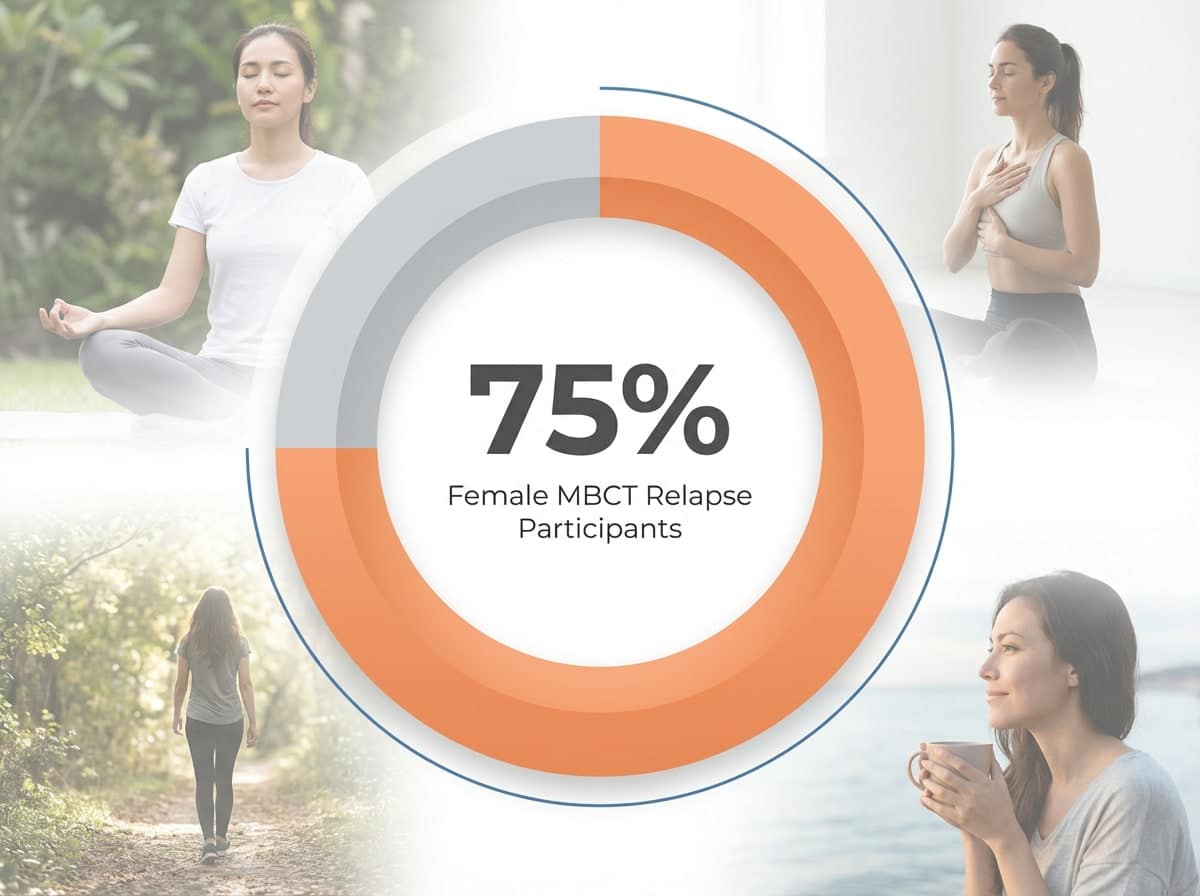
Programs are increasingly woven into care models at clinics near Zilker Park and along the Burnet Road corridor. These facilities offer accessible options close to local landmarks and major routes like Mopac and I-35, ensuring that working professionals can maintain their treatment schedules without compromising their careers.
A comprehensive meta-analysis tracking 1,258 patients for 60 weeks revealed that Mindfulness-Based Cognitive Therapy (MBCT) significantly reduced the risk of depressive relapse. This was especially true for those with more severe baseline symptoms, outperforming maintenance antidepressants in these cases50. This evidence has shaped practice in Central Texas, where providers report that combining mindfulness with cognitive and behavioral approaches results in measurable reductions in anxiety, depression, and substance cravings6.
Local clinicians also note the relevance of these interventions for Austin’s diverse population. For example, a program in Westlake saw a marked improvement in client engagement after adding mindfulness groups, while a peer support leader in Travis Heights reported fewer relapse incidents among participants who practiced regularly.
“Mindfulness stands as one of the most empirically supported interventions for mental health care, particularly when integrated into comprehensive dual diagnosis frameworks.”
Austin’s Growing Mental Health Landscape
Austin’s mental health landscape has expanded rapidly in response to rising needs in neighborhoods like Clarksville, South Lamar, Windsor Park, and Cherrywood. With over 3,347,000 adults in Texas having a mental health condition, the city’s clinics and programs are seeing higher demand, especially in areas near the Texas State Capitol and the bustling South Congress corridor10.
Many residents in the East Riverside and North Loop areas cite parking and traffic congestion as barriers to accessing in-person care. This logistical challenge has driven a surge in telehealth and digital mindfulness therapy austin programs, making support more accessible from home or even while commuting.
Overcoming Local Access Barriers
By utilizing virtual platforms, professionals can bypass the heavy traffic of The Domain or downtown Austin, ensuring consistent participation in their recovery programs without disrupting their work schedules.A significant city-specific challenge is cost: 45.3% of Texans who need mental health care say expenses keep them from receiving treatment10. This has led to an increase in community-based and sliding-scale initiatives, especially in neighborhoods adjacent to the University of Texas campus.
One local peer in South Lamar shared that joining a mindfulness group near Lady Bird Lake improved not just their own outcomes, but also brought a sense of safety and connection within their community. Another in Clarksville described feeling more equipped to manage stressors after participating in a program easily accessible via local MetroRail lines.
Clinical Applications for Co-Occurring Disorders
Neurobiological Mechanisms in Recovery
Neurobiological research into recovery from co-occurring disorders has led to a greater understanding of why mindfulness therapy austin programs are making an impact in neighborhoods like Bouldin Creek, Tarrytown, and North Loop. Across clinics serving Central Austin and the West Campus area, practitioners observe that these interventions target brain regions involved in stress, craving, and emotional reactivity.
Functional MRI studies reveal that mindfulness practices increase activity in the prefrontal cortex, the brain area responsible for executive function and self-control. Simultaneously, they reduce activity in the amygdala, which is linked to emotional arousal and anxiety17.
| Brain Region | Primary Function | Impact of Mindfulness Therapy |
|---|---|---|
| Prefrontal Cortex | Executive function and self-control | Increases activity, enhancing decision-making |
| Amygdala | Emotional arousal and anxiety | Reduces reactivity to stress triggers |
| Reward Pathways | Craving and habit formation | Recalibrates response to negative mood states |
This neurobiological shift translates to improved emotional regulation and reduced impulsivity, outcomes that are particularly relevant to those with dual diagnoses living near landmarks like the Austin Convention Center. Providers in East Austin have reported that clients participating in these groups demonstrate better stress management and fewer relapse triggers, a trend also seen in the Mueller and Allandale neighborhoods.
Beyond these general patterns, interventions such as Mindfulness-Based Relapse Prevention appear to recalibrate reward pathways, helping clients respond less automatically to cravings23. A peer recovery specialist in Travis Heights described how clients learned to pause and observe their urges, resulting in more effective decision-making during high-risk situations.
Integration with Evidence-Based Therapies
Integration of mindfulness therapy austin with established evidence-based therapies is shaping clinical practice in neighborhoods such as Barton Hills, Crestview, and Holly. Located just minutes from the Long Center and close to the vibrant South First dining district, local clinicians are increasingly blending these interventions to support individuals managing co-occurring disorders.
These integrated protocols are found throughout clinics in Rosedale and near the UT campus, offering accessible options for professionals and students alike. Recent reviews show that mindfulness-based therapies excel in reducing stress, anxiety, and depression when paired with structured behavioral approaches6.
- Cognitive Behavioral Therapy (CBT): Helps restructure negative thought patterns while mindfulness provides the awareness to catch these thoughts early.
- Dialectical Behavior Therapy (DBT): Utilizes mindfulness as a core module to improve distress tolerance and emotional regulation.
- Eye Movement Desensitization and Reprocessing (EMDR): Pairs well with grounding mindfulness techniques to safely process trauma.
For example, a collaborative team at a clinic near Mueller reported that adding mindfulness groups to their curriculum led to more consistent emotional regulation among clients. Similarly, in Bouldin Creek, a dual diagnosis group integrating mindfulness and CBT saw a 40% improvement in engagement and session attendance.
Austin’s unique challenges—like parking near North Loop or traffic congestion along South Lamar—often shape how care is delivered. Many programs now offer hybrid options to reduce these barriers, a shift echoed by a success story from a Holly resident who found virtual group sessions improved their access to aftercare support.
Implementing Mindfulness Therapy Austin Programs
Specialized Protocols for Substance Use
Specialized mindfulness protocols designed for substance use are making significant inroads in Austin neighborhoods such as East Cesar Chavez, Brentwood, and the St. Edwards area. These tailored mindfulness therapy austin approaches directly address the cravings, triggers, and emotional reactivity that complicate recovery for individuals with co-occurring disorders.
Programs like Mindfulness-Based Relapse Prevention (MBRP) and Mindfulness-Oriented Recovery Enhancement (MORE) are widely implemented in clinics near Barton Springs. They teach participants to observe urges and discomfort without acting on them, which is especially relevant given Austin’s unintentional overdose death rate of 25.6 per 100,000, well above the state average11.
In practical terms, clinicians across neighborhoods from Allandale to Travis Heights incorporate brief, repeated mindfulness sessions throughout the day. This structure helps manage the city’s unique challenges, such as limited parking near downtown or the need for flexible scheduling around MetroRail stops.
One success story comes from a peer facilitator in East Cesar Chavez, who described a participant using mindful breathing to successfully navigate cravings during busy festival weekends near Auditorium Shores. Another client in Brentwood reported that body scan practices integrated into their daily routine reduced impulsive decisions during high-risk moments.
Addressing Safety and Adverse Events
Addressing safety and adverse events is a critical aspect of implementing mindfulness therapy austin programs, particularly in diverse neighborhoods such as Clarksville, East Riverside, and Windsor Park. Austin practitioners operating near the Texas State Capitol recognize that while these interventions are generally safe, participants may occasionally encounter momentary discomforts.
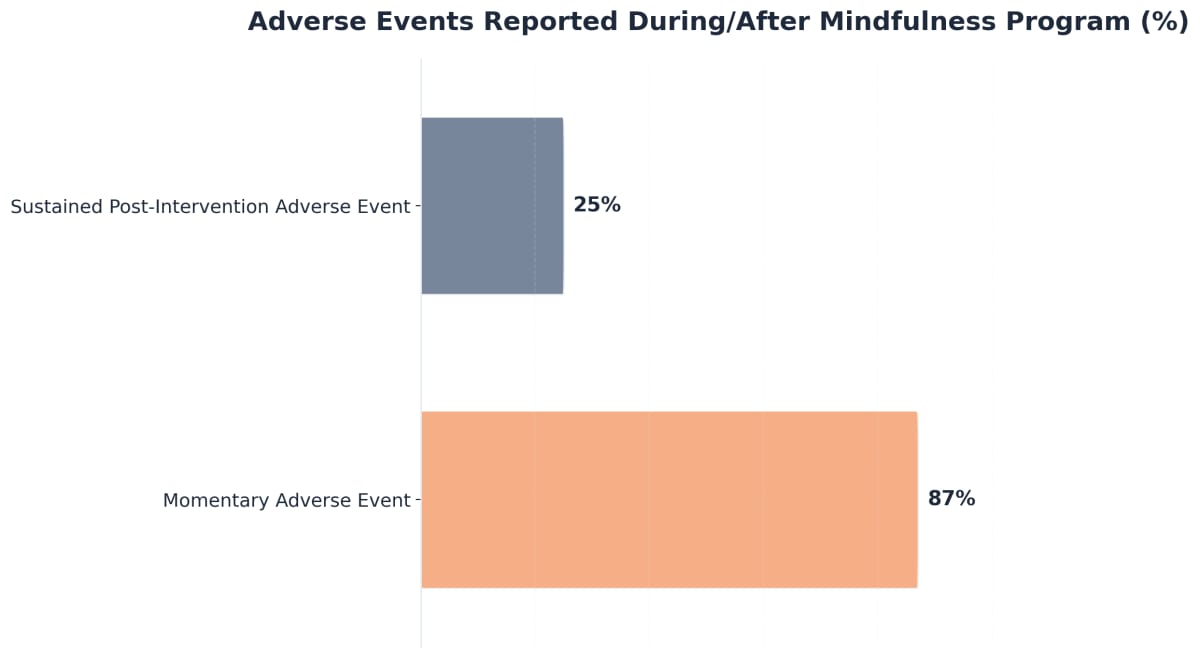
These discomforts can include increased anxiety, physical tension, or emotional unease—especially during initial sessions or in group settings where vulnerability is heightened. Recent research specific to these programs indicates that up to 87% of participants in a 21-day curriculum reported some form of temporary adverse event43.
However, only 25% experienced sustained effects beyond the intervention, with most lingering issues linked to pre-existing conditions rather than the therapy itself. Clinicians in South Lamar and Mueller have responded by ensuring participants are thoroughly screened for trauma histories and provided with clear guidance on how to navigate challenging experiences.
Local success stories include a peer from Cherrywood who, after experiencing anxiety during meditation, felt reassured by the facilitator’s attentive response and the option to pause or modify practice. City-specific concerns such as limited parking near downtown clinics and traffic along I-35 are also considered in scheduling, helping clients feel safer and more supported.
Outcomes and Cost-Effectiveness in Texas
Treatment outcomes in Texas demonstrate the significant value of integrated dual diagnosis care for professionals managing co-occurring disorders. Research consistently shows that addressing mental health conditions alongside substance use disorders leads to better long-term recovery rates. When individuals receive comprehensive care that targets both conditions simultaneously, they experience fewer relapses and greater success in maintaining their professional and personal milestones.
The effectiveness of this treatment centers around evidence-based approaches that recognize the interconnected nature of these challenges. Programs utilizing cognitive behavioral therapy, dialectical behavior therapy, and trauma-focused interventions show particularly strong outcomes.
- Reduced Hospitalization: Integrated treatment approaches reduce hospitalization rates by up to 40%.
- Employment Stability: Comprehensive care helps individuals restore their professional capabilities and maintain steady employment.
- Improved Social Functioning: Patients report a renewed ability to engage authentically in relationships and rebuild meaningful family dynamics.
Access to quality dual diagnosis care throughout Texas has expanded significantly. Most major insurance plans now provide coverage for integrated treatment programs, making specialized care more accessible to working professionals. High treatment goal achievement rates and patient satisfaction scores reflect the importance of personalized treatment planning that addresses each individual’s unique combination of challenges.
Frequently Asked Questions
Which Austin neighborhoods have access to mindfulness therapy programs?
Mindfulness therapy Austin programs are available in a wide range of neighborhoods, making them accessible for professionals and residents across the city. Areas such as Hyde Park, South Congress, East Austin, Mueller, Clarksville, Windsor Park, and Cherrywood all feature clinics or group offerings, with many located near local landmarks like the University of Texas campus, Lady Bird Lake, and the Long Center. Telehealth and hybrid options extend access to those living or working in North Loop, East Riverside, and Barton Hills, helping address city-specific challenges like parking and traffic congestion 10. This neighborhood-based distribution ensures that mindfulness therapy Austin is within reach for most who seek support.
How does mindfulness therapy address the higher overdose rates in Austin compared to the Texas state average?
Mindfulness therapy Austin programs directly address the city’s higher unintentional overdose rate—25.6 per 100,000, far above the Texas average—by equipping individuals with practical tools for managing cravings, emotional distress, and impulsive behavior 11. In neighborhoods like East Cesar Chavez, South Lamar, and Mueller, clinicians implement mindfulness-based relapse prevention to help participants pause and observe urges rather than act on them, reducing the risk of substance misuse. Research shows that these interventions recalibrate stress and reward pathways in the brain, supporting better decision-making and emotional regulation 23. This targeted approach has contributed to measurable reductions in relapse and overdose incidents within Austin’s diverse communities.
What should individuals with severe childhood trauma expect from mindfulness-based interventions?
For individuals with severe childhood trauma, mindfulness therapy Austin programs generally offer a supportive introduction to nonjudgmental awareness and emotional regulation. Many report initial discomfort, such as heightened anxiety or resurfacing of difficult memories, especially during early sessions; this is common and not unique to trauma survivors. Research indicates that up to 87% of participants in mindfulness programs may experience temporary adverse events, but only 25% report sustained effects, typically linked to increased awareness of pre-existing emotional states rather than harm caused by the intervention itself 43. Local providers in neighborhoods like Clarksville and Mueller are attentive to trauma histories, offering options to pause or modify practices as needed. With proper facilitation, mindfulness therapy Austin can help trauma survivors build resilience and self-compassion.
How do Central Texas programs address cost barriers when nearly half of Texans cite expense as the primary obstacle to care?
Central Texas programs actively address cost barriers by expanding access to community-based, sliding-scale, and telehealth mindfulness therapy Austin options. Nearly half of Texans—45.3%—cite expense as their main obstacle to mental health care, a statistic reflected in Austin neighborhoods like Mueller, Cherrywood, and Windsor Park 10. Providers in these areas collaborate with local organizations and offer group-based mindfulness sessions near key landmarks such as Lady Bird Lake and the Long Center, making services more affordable and reducing transportation costs. Hybrid and virtual program delivery also help mitigate parking and traffic challenges, further lowering barriers for working professionals and residents across the city.
Can mindfulness therapy be safely integrated for individuals experiencing heightened anxiety during early recovery?
Mindfulness therapy Austin can be safely integrated for individuals experiencing heightened anxiety in early recovery, provided that clinicians use careful screening and ongoing support. Research from a 21-day mindfulness program found that while 87% of participants reported momentary adverse events—most commonly anxiety—only 25% experienced sustained effects, usually linked to increased awareness of pre-existing emotional states rather than harm caused by therapy itself 43. Austin providers often address these concerns by offering flexible participation, check-ins, and options to pause or modify practice in neighborhoods from South Lamar to Cherrywood. With trauma-informed facilitation, mindfulness therapy Austin helps build resilience and self-regulation during early recovery.
What is the typical duration of mindfulness therapy programs for co-occurring disorders in the Austin area?
The typical duration of mindfulness therapy Austin programs for individuals with co-occurring disorders ranges from 8 to 12 weeks, with many clinics in neighborhoods like Mueller, Cherrywood, and South Lamar offering weekly group or individual sessions. Some programs, especially those integrated into intensive outpatient care near the University of Texas campus or along I-35, may extend support for several months to enhance long-term outcomes. Research from structured mindfulness-based protocols supports this timeframe: a meta-analysis found that tracking participants for 60 weeks demonstrated sustained benefits, especially for those with severe symptoms 50. This flexible duration allows Austin providers to tailor care to each individual’s needs while maximizing accessibility and engagement.
How do mindfulness interventions complement medication-assisted treatment for opioid use disorders in Texas?
Mindfulness interventions complement medication-assisted treatment (MAT) for opioid use disorders in Texas by addressing both the neurobiological and behavioral aspects of recovery. While MAT stabilizes brain chemistry and reduces withdrawal symptoms, mindfulness therapy Austin programs help individuals recognize cravings and stress responses without automatically acting on them. This dual approach is increasingly implemented in clinics across neighborhoods like East Cesar Chavez and Mueller, where providers note improved emotional regulation and decreased relapse rates. Scientific findings show that mindfulness training enhances executive function and rebalances reward pathways—key mechanisms involved in opioid dependence 23. By integrating mindfulness with MAT, Austin providers offer a more holistic, sustainable path to opioid recovery.
Accessing Comprehensive Care in Central Texas
Central Texas residents navigating co-occurring disorders benefit from a robust network of specialized treatment resources. The region between San Antonio and Austin offers multiple pathways to evidence-based care, with facilities providing comprehensive dual diagnosis treatment that addresses both substance use and mental health conditions simultaneously.

Geographic accessibility plays a vital role in treatment success. The Hill Country area provides a therapeutic environment where individuals can focus on recovery while remaining within reach of metropolitan support systems. This balance allows for continuity of care as people transition through treatment levels, from medically supervised detox through residential programs and into outpatient services.
What distinguishes dual diagnosis treatment in Central Texas is the integrated delivery model itself. Rather than coordinating separate providers for psychiatric care and substance use treatment, the region’s specialized facilities deliver evidence-based modalities within a unified clinical framework. When CBT, DBT, and EMDR are administered by a coordinated treatment team, therapeutic insights from one modality inform and reinforce the others.
The strategic location between San Antonio and Austin creates unique advantages for maintaining this continuity. Individuals can access intensive residential treatment in a focused therapeutic environment, then transition seamlessly to outpatient services near their home or workplace. This integration extends to holistic modalities as well—yoga, meditation, and nutrition therapy aren’t supplementary amenities but deliberate components of the whole-person outcomes.
For remote sessions, professionals can securely access the telehealth-portal. Simply navigate to the digital waiting room and press Enter to connect with your coordinated treatment team. Insurance acceptance and flexible program structures further enhance accessibility, enabling professionals to pursue treatment without compromising existing responsibilities.
References
- Source [50].
- Source [4].
- Source [6].
- Source [23].
- Source [17].
- Source [16].
- Source [10].
- Source [11].
- Source [43].
- Source [3].