
Key Takeaways: Your Decision Guide
- Assessment: If you find yourself avoiding specific Austin locations or using substances to numb memories, professional trauma therapy Austin services are likely the right next step.
- Success Factors: The most effective recovery plans integrate PTSD treatment with substance use support rather than treating them in isolation.
- Immediate Action: For residents in high-stress areas like Downtown or The Domain, scheduling a consultation is the primary action to break the cycle of anxiety and use.
Trauma Therapy Austin: A Local Lifeline
Why Austin Residents Need Trauma-Informed Care
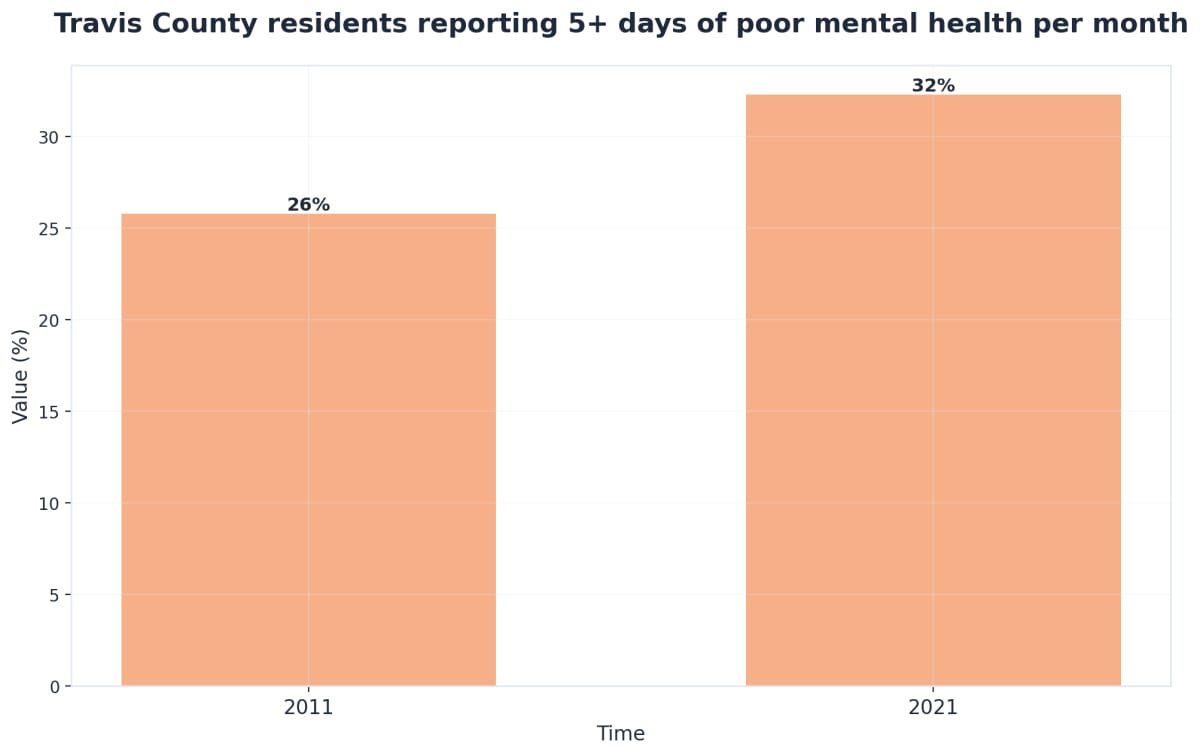
Finding the right trauma therapy Austin has to offer is a critical step for many residents navigating the complexities of mental health in a bustling city. Austin’s creative energy draws people from diverse neighborhoods, but behind the city’s vibrant culture, many residents quietly face the effects of trauma. In Travis County, the percentage of people reporting five or more days of poor mental health each month grew from 25.8% in 2011 to 32.3% in 2021—a local trend that underscores a growing demand for trauma-informed care7.
The intense pace around areas like South Congress and The Domain can amplify stress. For those living with posttraumatic stress disorder (PTSD) or substance use concerns, daily life may feel overwhelming. Trauma-informed care provides a compassionate foundation for healing by shifting the focus from “What’s wrong with you?” to “What happened to you?” This approach fosters safety and trust, both of which are vital for Austin residents navigating recovery in busy neighborhoods and near landmarks like Lady Bird Lake3.
“When clinics and therapists embrace this philosophy, individuals feel understood rather than judged, making it easier to seek help and stick with treatment.”
Trauma therapy Austin is especially important for people who have experienced trauma and now struggle with substance use—research shows that PTSD increases the risk of developing a substance use disorder up to fourteen times1. With the city’s rising mental health needs, trauma-informed care stands as a crucial resource for those seeking lasting change.
The Connection Between PTSD and Substance Use
The relationship between posttraumatic stress disorder (PTSD) and substance use is especially strong throughout Austin, affecting individuals in neighborhoods like Brentwood, Bouldin Creek, and Allandale. Many people turn to substances as a way to manage difficult memories or emotional pain, often without realizing how deeply these issues are connected.
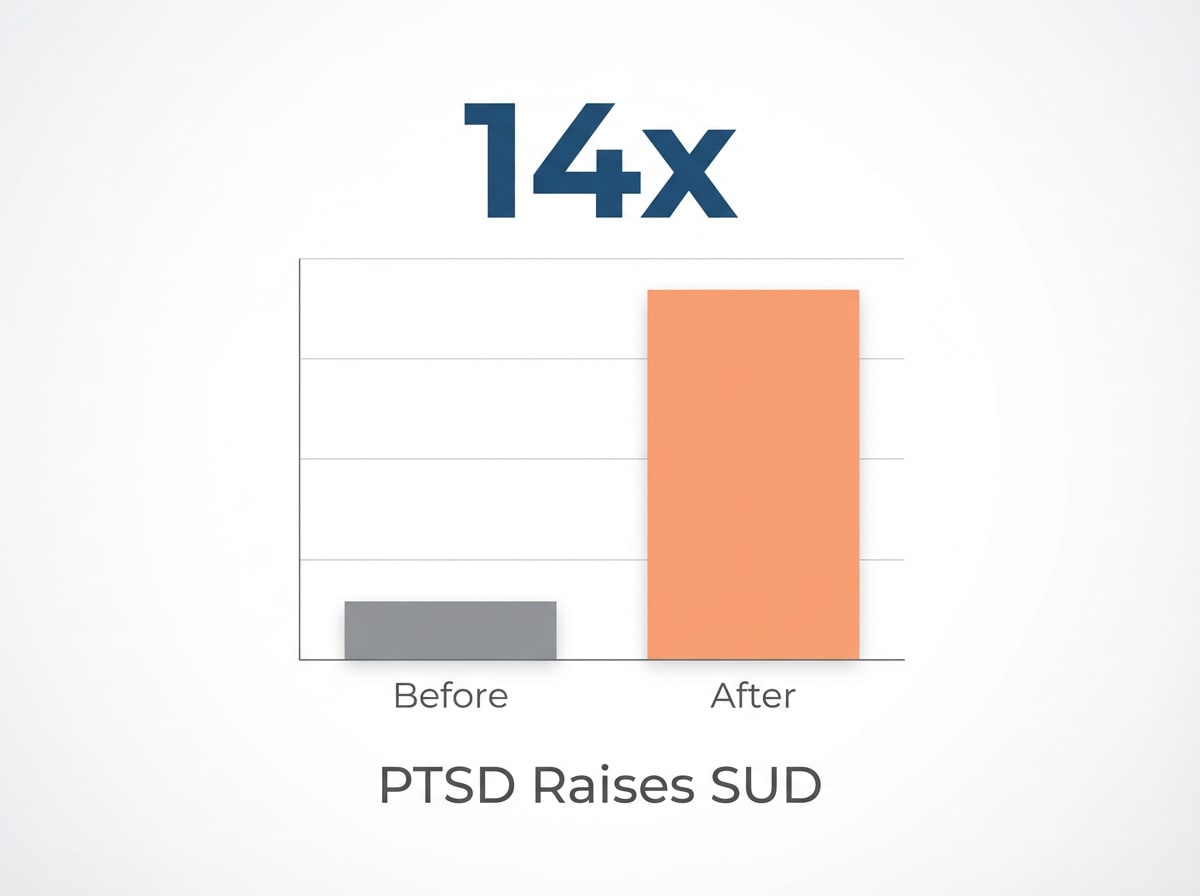
Research confirms that those living with PTSD are up to fourteen times more likely to develop a substance use disorder than those without PTSD—a striking statistic that highlights the unique challenges faced by residents here1. In Austin, clinicians see firsthand how symptoms of PTSD interact with substance use:
- Intrusive Thoughts: Unwanted memories can trigger an immediate desire to numb feelings with substances.
- Sleep Disturbances: Insomnia or nightmares often lead to the use of alcohol or sedatives for rest.
- Hyperarousal: Constant anxiety in busy areas like 6th Street can lead to social use to “take the edge off.”
This connection is not simply coincidental; studies show that when PTSD symptoms intensify, substance use symptoms often worsen as well1. Trauma therapy Austin addresses this cycle by treating both the trauma and substance use together rather than separately. By helping residents understand how their experiences drive their behaviors, trauma therapy builds the foundation for lasting healing.
Evidence-Based Trauma Therapy Austin Offers
EMDR and Prolonged Exposure for PTSD Recovery
When evaluating trauma therapy Austin options, it is helpful to understand the specific modalities available. EMDR (Eye Movement Desensitization and Reprocessing) and Prolonged Exposure (PE) therapy are two of the most well-researched trauma therapies available in Austin, especially for those working to recover from PTSD and substance use.
| Therapy Type | Primary Focus | How It Works |
|---|---|---|
| Prolonged Exposure (PE) | Confronting Avoidance | Individuals gradually and safely confront traumatic memories to reduce their power over daily life. |
| EMDR | Reprocessing Memories | Uses guided eye movements (bilateral stimulation) to help the brain reprocess traumatic experiences without extensive verbal reliving. |
These approaches are used by leading clinics across neighborhoods such as South Lamar, Rosedale, Travis Heights, and West Campus. Both therapies are known for reducing symptoms and supporting meaningful recovery—studies have shown that trauma-focused treatments like these, when provided in routine clinical care, maintain strong positive effects, even with therapists of varying experience levels5.
Austin’s unique pace and high visibility in public areas like Lady Bird Lake or Rainey Street can increase anxiety for those with PTSD. By accessing trauma therapy Austin offers—including EMDR and PE—residents can find healing strategies tailored to their needs.
Integrated Treatment for Co-Occurring Disorders
Integrated treatment is key for Austin residents facing both PTSD and substance use concerns, especially in neighborhoods like Crestview, South Congress, Tarrytown, and Cherrywood. Rather than treating trauma and substance issues separately, integrated care addresses both at the same time—helping people break the cycle that so often keeps recovery out of reach.
This approach is widely available in trauma therapy Austin programs, including those near East Riverside or just off Mopac. Austin clinics offer options that blend trauma-focused therapies, such as Trauma-Focused Cognitive Behavioral Therapy (TF-CBT), with substance use interventions and holistic supports like mindfulness or yoga. Research confirms that integrated treatment leads to better outcomes and reduced relapse rates compared to treating either condition alone1.
“Combining trauma therapy and addiction counseling in one plan helped me finally feel understood and hopeful.” — Client from South Congress
By choosing integrated trauma therapy Austin, individuals gain access to coordinated care teams who understand the challenges of co-occurring disorders. This coordinated approach is essential for lasting recovery.
What to Expect from Trauma Therapy Austin
Creating Safety Through Trauma-Informed Care
Creating safety is the heart of trauma therapy Austin, especially for those living with PTSD or substance use challenges in neighborhoods like Travis Heights, Allandale, and Mueller. Local providers understand that before any deep healing can occur, individuals must feel secure—emotionally and physically—within the therapeutic environment.
Clinics near popular Austin landmarks such as Lady Bird Lake and Barton Springs often begin trauma therapy Austin by helping clients build trust through specific steps:
- Establishing Boundaries: Clear agreements on what will be discussed and at what pace.
- Grounding Techniques: Learning immediate tools to manage anxiety during sessions.
- Empowerment: Ensuring the client has control over the healing process to avoid re-traumatization.
Research shows that when people feel safe and respected, they are more likely to stay engaged with therapy and make meaningful progress3. Residents frequently share positive feedback from sessions in South Congress and North Loop, where therapists focus on building a sense of safety from the very first meeting.
Holistic Support Beyond Traditional Therapy
Holistic support is a defining feature of trauma therapy Austin, particularly for residents in neighborhoods such as Cherrywood, Bouldin Creek, and Windsor Park who seek healing beyond talk therapy alone. Many local clinics now integrate practices like mindfulness meditation, yoga, and creative arts, helping clients reconnect with their bodies and manage stress in real-world situations.
Mindfulness-based approaches, for example, are proven to reduce cravings and support relapse prevention for those recovering from both PTSD and substance use, creating new pathways for healing in daily life8. Austin’s outdoor culture makes these holistic tools both accessible and relatable:
- Jogging or walking along Lady Bird Lake for bilateral stimulation.
- Joining community yoga classes at Zilker Park for somatic regulation.
- Participating in creative arts groups in East Austin for expression.
By blending traditional and holistic support within trauma therapy Austin, individuals are empowered to build resilience, regulate emotions, and discover healthy outlets for stress.
Accessing Trauma Therapy Austin Neighborhoods
Flexible Treatment Options for Austin Professionals
Austin’s dynamic workforce, especially in districts like Downtown, The Domain, and Barton Creek, often needs trauma therapy Austin services that fit around demanding schedules. With many residents commuting from neighborhoods such as South Lamar, North Loop, and Crestview, flexible care is crucial.
Is Telehealth Right for You? (Click to Expand)
- You have a tight schedule working near the Capitol or UT campus.
- Traffic on Mopac or I-35 creates barriers to attending in-person sessions.
- You feel safer beginning therapy from the comfort of your own home.
Local clinics offer evening and weekend appointments, as well as telehealth sessions. Telehealth has proven as effective as in-person therapy for PTSD and substance use, providing high satisfaction and retention rates for busy Austinites1. One client who works in the Seaholm District shared, “My therapist’s virtual appointments made it possible to keep up with therapy during hectic project deadlines.”
Serving Greater Austin and Surrounding Areas
Trauma therapy Austin extends its reach well beyond the city center, ensuring that individuals in neighboring communities can access quality care close to home. Clinics frequently offer services in areas including:
- Round Rock and Cedar Park
- Pflugerville and Manor
- Bee Cave and Lakeway
- Oak Hill and Del Valle
With Austin’s rapid population growth, demand for mental health resources has risen not only in central neighborhoods but also across the greater metropolitan area7. Providers understand that traffic, commuting times, and parking concerns often affect those traveling from suburban zones. Many clinics offer telehealth trauma therapy Austin options and flexible scheduling to reduce these obstacles. Access to care is growing, ensuring that compassionate support is available whether you live near the Hill Country Galleria or east of the 130 toll road.
Frequently Asked Questions
How many sessions does trauma therapy Austin typically require for someone with both PTSD and substance use concerns?
The number of trauma therapy Austin sessions needed for someone facing both PTSD and substance use concerns can vary widely. Most individuals start with a commitment to weekly sessions, and research highlights that recovery often requires ongoing support over months rather than weeks. Studies show that people typically make several serious recovery attempts—on average, more than five—before reaching lasting change6. The exact number of sessions depends on factors like the severity of symptoms, co-occurring challenges, and personal goals. Austin providers often tailor care to match individual needs, adjusting frequency as progress is made. Consistency and a trusting therapeutic relationship are key components of effective healing in trauma therapy Austin.
Can I start trauma therapy Austin while still working on early recovery from substance use?
Yes, you can begin trauma therapy Austin while still in the early stages of recovery from substance use. In fact, integrated care that addresses both trauma and substance use together is recommended and has been shown to lead to better outcomes than treating each issue separately1. Austin providers understand the unique needs of people in early recovery and tailor sessions to your current stage, focusing on building safety and stability. Therapists may adjust the pace or methods used to avoid overwhelming you and to support your ongoing recovery. This compassionate, trauma-informed approach helps you move forward at a pace that feels manageable and safe.
Which Austin neighborhoods do trauma therapy providers typically serve?
Trauma therapy Austin providers serve a wide range of neighborhoods, ensuring access across the city’s vibrant communities. Residents in areas like Hyde Park, Zilker, Mueller, Clarksville, and East Austin can find local clinics, while services also reach Brentwood, Bouldin Creek, Allandale, South Congress, and The Domain. Therapists frequently offer care near major landmarks such as Lady Bird Lake and Barton Springs for convenient access. Many clinics extend support to surrounding neighborhoods including Windsor Park, Cherrywood, and North Loop, reflecting Austin’s commitment to widespread mental health resources. This local presence helps address the rising need for trauma-informed care throughout Austin’s diverse communities7.
What should I do if trauma therapy Austin brings up difficult memories that make me want to use substances again?
If trauma therapy Austin sessions bring up difficult memories that increase your urge to use substances, reach out to your therapist right away. This experience is common—processing trauma can temporarily heighten cravings or emotional distress. Your provider can help you develop coping strategies such as grounding techniques, mindfulness, or safe distraction methods, which are proven to reduce cravings and support relapse prevention8. It’s also helpful to lean on your support system, whether that’s a recovery group, family, or trusted friends. Remember, these feelings are a sign that important healing work is happening, and with support, you can get through challenging moments safely. Staying open with your therapist ensures trauma therapy Austin remains a safe and effective part of your recovery.
How does trauma therapy Austin differ from regular counseling for substance use?
Trauma therapy Austin differs from regular counseling for substance use by directly addressing the root causes behind substance use—often unresolved trauma. While standard counseling may focus mainly on stopping substance use and developing coping skills, trauma therapy Austin integrates trauma-informed care, helping individuals understand how past experiences contribute to current challenges3. Evidence-based methods like EMDR and Trauma-Focused Cognitive Behavioral Therapy (TF-CBT) are commonly used to process traumatic memories safely and reduce PTSD symptoms while also supporting recovery from substance use1. This integrated, compassionate approach leads to better outcomes for those coping with both trauma and addiction.
Can family members participate in trauma therapy Austin sessions?
Yes, family members can often participate in trauma therapy Austin sessions with the consent of the individual receiving care. Including family can help strengthen support systems and improve communication, which are important aspects of recovery. Trauma-informed care encourages involving loved ones when appropriate, as this can foster a sense of safety and shared understanding during the healing process3. Therapists may offer joint sessions, provide education about trauma and substance use, or guide families in supporting healthy boundaries. Participation is always tailored to the comfort and needs of the person in therapy, ensuring that their voice and privacy remain central.
Is telehealth trauma therapy Austin as effective as in-person sessions for PTSD and addiction?
Yes, telehealth trauma therapy Austin is considered just as effective as in-person sessions for PTSD and addiction. Research shows that virtual therapy provides comparable outcomes in terms of patient satisfaction, reduction in substance use, and retention rates1. Many Austin residents appreciate the flexibility of telehealth, especially when dealing with city traffic or parking challenges near neighborhoods like Downtown or The Domain. Providers offering telehealth trauma therapy Austin can help individuals stay consistent with treatment, even during busy schedules or periods when leaving home is difficult. This accessibility ensures that compassionate, evidence-based care remains within reach for anyone seeking recovery support.
Begin Your Healing Journey Near Austin Today
Throughout the Austin metropolitan area, individuals facing substance use challenges find comprehensive treatment options designed to meet them wherever they are in their recovery journey. Local facilities offer evidence-based approaches including Medication-Assisted Treatment (MAT) for opioid and alcohol dependence, dual diagnosis programs for co-occurring mental health conditions, and holistic therapies integrating mindfulness and wellness practices.
Research shows that individuals who complete structured treatment programs are significantly more likely to maintain long-term sobriety, with studies indicating completion rates improve outcomes by 50% or more compared to those who attempt recovery without professional support. Professional treatment teams throughout the region recognize that sustainable recovery addresses the whole person—physical health, emotional well-being, and psychological resilience.
From the initial assessment that identifies individual needs through ongoing aftercare that reinforces new skills, these personalized care plans adapt as circumstances change. This comprehensive approach helps individuals not only achieve sobriety but also rebuild relationships, develop healthy coping strategies, and rediscover purpose. The question many face isn’t whether treatment works, but rather when to begin.
Waiting rarely makes the process easier, and most Austin-area facilities recognize this urgency by offering confidential consultations to discuss treatment options without pressure or judgment. These initial conversations provide clarity about different levels of care—from outpatient counseling that allows individuals to maintain work and family commitments to residential programs offering immersive healing environments. That first phone call or consultation represents a pivotal choice—one that countless individuals before have made successfully.
References
- Concurrent Treatment of Substance Use and PTSD – PMC National Institutes of Health. https://www.ncbi.nlm.nih.gov/pmc/articles/PMC4419915/
- Posttraumatic Stress Disorder and Co-Occurring Substance Use Disorders – PMC National Institutes of Health. https://www.ncbi.nlm.nih.gov/pmc/articles/PMC3312396/
- What is Trauma-Informed Care? – The Center for Health Care Strategies. https://www.chcs.org/resource/trauma-informed-care/
- Dialectical Behavior Therapy for Substance Abusers – PMC National Institutes of Health. https://www.ncbi.nlm.nih.gov/pmc/articles/PMC2797106/
- Effectiveness in routine care: trauma-focused treatment for PTSD – PMC National Institutes of Health. https://www.ncbi.nlm.nih.gov/pmc/articles/PMC10153862/
- How Many Recovery Attempts Does it Take to Successfully Resolve – PMC National Institutes of Health. https://www.ncbi.nlm.nih.gov/pmc/articles/PMC4230307/
- Managing Life with Co-Occurring Disorders – SAMHSA. https://store.samhsa.gov/product/managing-life-co-occurring-disorders/sma14-4861
- Mindfulness meditation in the treatment of substance use disorders – PMC National Institutes of Health. https://www.ncbi.nlm.nih.gov/pmc/articles/PMC5398224/
- The Brain in Recovery – Recovery Answers. https://www.recoveryanswers.org/research-post/the-brain-in-recovery/
- The Mental Health Parity and Addiction Equity Act – Centers for Medicare & Medicaid Services. https://www.cms.gov/CCIIO/Programs-and-Initiatives/Other-Insurance-Protections/mhpaea_factsheet