
Key Takeaways: Is CBT Right for You?
Decision Assessment:- Goal-Oriented: You prefer actionable tools over open-ended exploration.
- Time-Sensitive: You are looking for results within 6–12 sessions.
- Evidence-Based: You value treatments backed by clinical research (SMD -0.61 for anxiety).
- Consistency: Regular attendance (weekly/bi-weekly) correlates with faster symptom reduction.
- Integration: Combining therapy with medication (if prescribed) improves remission rates.
- Practice: Applying skills between sessions (“homework”) is crucial for lasting change.
Cognitive Behavioral Therapy Austin TX Services Across the Metro
Why Austin Residents Seek CBT Now
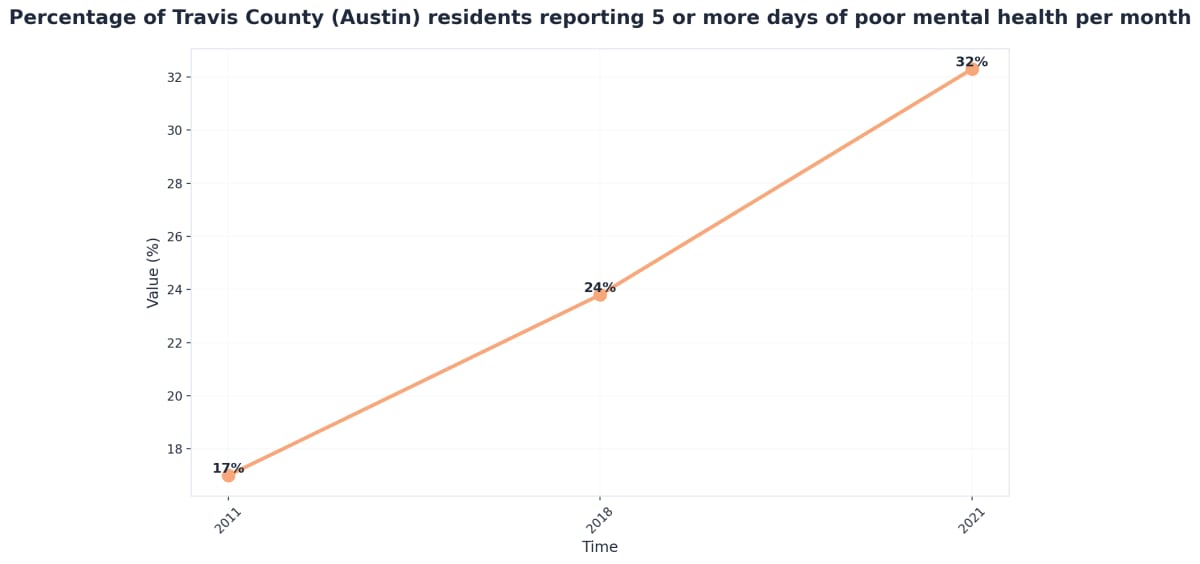
Austin has seen a striking rise in mental health needs, especially in neighborhoods like South Congress, Mueller, and North Loop. Recent data from Austin Public Health shows that the percentage of Travis County residents reporting five or more poor mental health days per month nearly doubled from 17% in 2011 to 32.3% by 2021. This shift has led many Austinites to seek out cognitive behavioral therapy Austin TX for support.1
Across communities such as Zilker, Hyde Park, and East Riverside, residents are turning to cognitive behavioral therapy Austin TX to address anxiety, depression, and daily stressors. The approach is favored for its practical, solutions-focused methods. Research shows that cognitive behavioral therapy Austin TX is as effective as medication for treating depression and anxiety—and may even offer longer-lasting relief.3
This effectiveness, paired with the flexibility of telehealth options now available in the city, makes CBT appealing to individuals balancing busy work schedules or facing transportation challenges. Stories from local residents highlight real impact:
“After struggling with anxiety for years, CBT sessions helped me regain confidence and reconnect with friends. It offered tools to manage workplace stress, leading to better job performance and a more positive outlook.”
As Austin’s neighborhoods grow and evolve, demand for accessible, evidence-based care continues to rise. Next, we’ll look at how CBT meets the unique needs of those managing both mental health and substance use challenges in Austin.
How CBT Addresses Dual Diagnosis Needs
Cognitive behavioral therapy Austin TX plays a critical role for individuals in Austin facing the challenges of dual diagnosis—when someone is managing both a mental health condition and a substance use disorder. In neighborhoods like East Riverside, South Lamar, and Crestview, clients often seek help for overlapping symptoms of depression, anxiety, and substance misuse. Dual diagnosis care requires a tailored approach, as these conditions frequently interact and intensify one another.
Evidence shows that cognitive behavioral therapy Austin TX can help address both parts of a dual diagnosis by:
- Teaching practical coping skills to manage triggers.
- Restructuring negative thought patterns that fuel substance use.
- Supporting behavioral change through actionable steps.
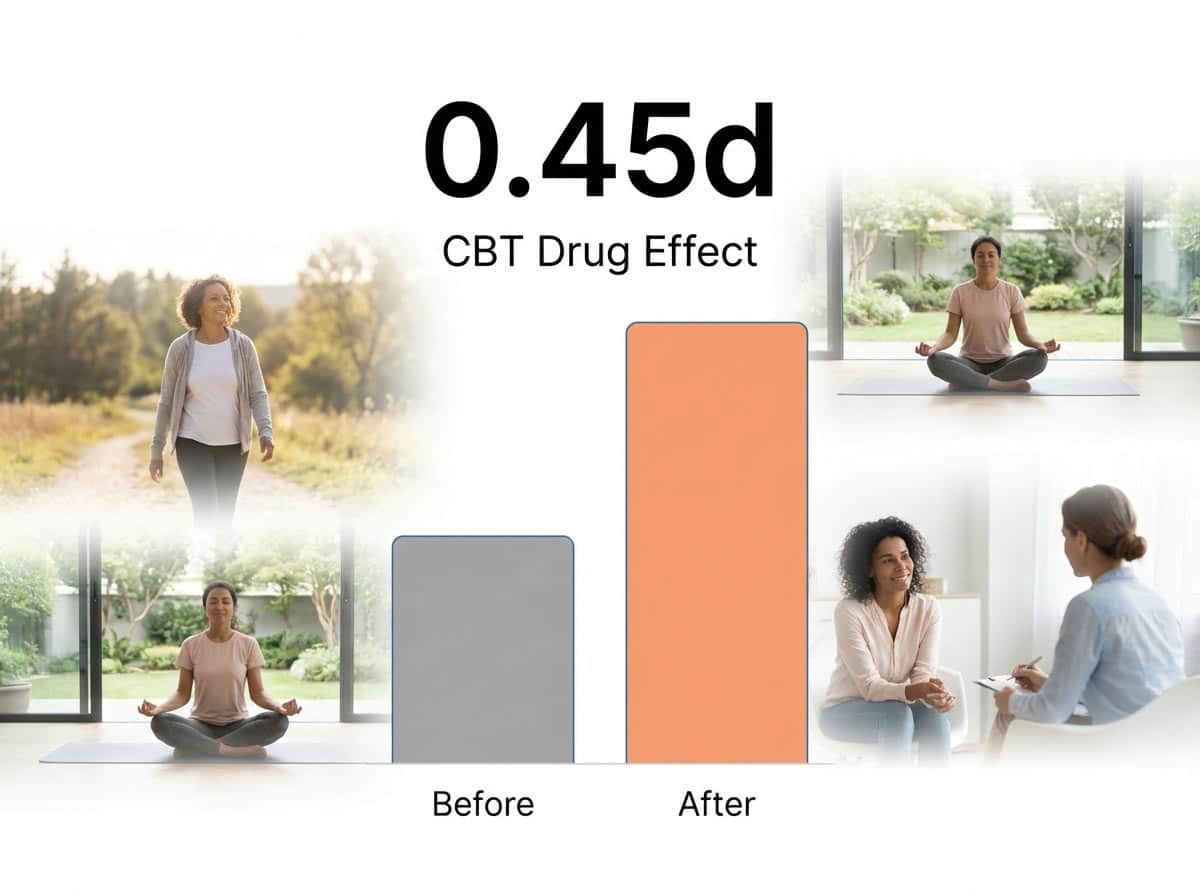
According to research, integrated CBT programs lead to meaningful improvements, with moderate effect sizes reported for drug dependence and mental health symptoms together (Cohen’s d = 0.45). Unlike traditional approaches that treat each concern separately, integrated CBT models address the complex relationship between mental health and substance use, providing clients with tools for lasting recovery.5
Austin’s leading treatment centers, including those near The Domain and Barton Springs, increasingly use combined approaches—often pairing CBT with medication-assisted treatment when appropriate. These integrated strategies are shown to be more effective than treating mental health or substance use issues in isolation. One Crestview resident shared, “CBT helped me not only manage cravings but also rebuild my confidence at work and at home.” Another from South Lamar noted how dual diagnosis support made it easier to reconnect with family and maintain sobriety.8
With this foundation, we’ll next explore the broader mental health landscape and how Austin’s unique culture and resources shape care options for all residents.
Understanding Austin’s Mental Health Landscape
Understanding Austin’s Mental Health Challenges
Austin’s vibrant culture and thriving tech scene attract thousands of new residents each year, but beneath the surface of this dynamic city lies a growing mental health crisis that affects individuals across all demographics. The rapid population growth, increasing cost of living, and unique pressures of urban life have created an environment where mental health challenges are becoming increasingly prevalent throughout the Austin metropolitan area.
According to Mental Health America’s 2023 rankings, Texas ranks last among all states in overall access to mental health care, with Austin experiencing its own share of these systemic challenges. The city’s mental health landscape is characterized by:
- Long wait times for appointments.
- Limited insurance coverage options.
- A shortage of specialized providers for complex conditions.
These barriers often leave individuals struggling to find the support they need when they need it most.
The Austin community faces a diverse range of mental health challenges, from anxiety and depression to more severe conditions requiring intensive intervention. Young professionals navigating career pressures, families adjusting to rapid neighborhood changes, and college students managing academic stress all contribute to the demand for comprehensive mental health services. The COVID-19 pandemic further amplified these challenges, revealing gaps in the existing mental health infrastructure and highlighting the urgent need for accessible, quality care options.
Emerging Opportunities for Mental Wellness
Yet within these challenges, a transformation is taking shape. Austin’s mental health landscape also offers reasons for hope. The city has seen a significant expansion in treatment options, with new facilities opening and existing providers enhancing their service offerings. Telehealth options have increased accessibility for those who face transportation barriers or prefer virtual care. Community organizations and advocacy groups have stepped up efforts to reduce stigma and promote mental wellness throughout the region.
Understanding this landscape—both its challenges and emerging opportunities—is the essential first step toward finding effective mental health support in Austin. This awareness empowers individuals to navigate the system more effectively, identify quality care options despite systemic barriers, and advocate for their own needs. The growing recognition that seeking help is a sign of strength rather than weakness has created a more supportive environment for those ready to begin their recovery journey. With this foundation of understanding, individuals can move forward with confidence to explore the specific pathways available for healing and growth.
Evidence-Based Cognitive Behavioral Therapy Austin TX
Research-Backed Outcomes in Texas
Austin’s residents increasingly turn to cognitive behavioral therapy Austin TX for relief from anxiety and depression. Research specific to Texas demonstrates strong outcomes. A recent meta-analysis highlights the substantial impact of CBT on symptoms compared to control groups.
| Condition | Impact (Standardized Mean Difference) | Outcome |
|---|---|---|
| Anxiety | -0.61 | Significant reduction in symptoms |
| Depression | -0.83 | High effectiveness in symptom relief |
These results are especially relevant for communities around major Austin landmarks like Barton Springs and the Texas State Capitol, where high-stress urban lifestyles can intensify mental health challenges. Clinics serving neighborhoods such as Allandale, Travis Heights, and Windsor Park report that individuals participating in cognitive behavioral therapy Austin TX often experience not just symptom reduction but improved daily functioning.
Local success stories include a Windsor Park resident who found that CBT strategies helped her manage work-related anxiety, allowing her to better navigate Austin’s busy traffic corridors and maintain a consistent routine. Another client in Travis Heights shared that regular sessions led to a marked decrease in panic attacks and greater engagement with community events near Zilker Park. Importantly, cognitive behavioral therapy Austin TX is recognized as equally effective as medication for depression and anxiety, and in some cases offers longer-lasting benefits.3
As Austin’s mental health landscape evolves, these research-backed results help residents make confident, informed choices about their care. The next section explores how these evidence-based outcomes extend to individuals managing both mental health and substance use concerns in Austin.
Integrated Treatment for Co-Occurring Disorders
Integrated treatment for co-occurring disorders is essential for Austin residents managing both mental health conditions and substance use concerns. In areas like South Lamar, Mueller, and near the UT campus, individuals often experience overlapping symptoms that require a coordinated approach. Cognitive behavioral therapy Austin TX is at the forefront of these integrated strategies—combining evidence-based talk therapy with medication management when needed, and tailoring support to each person’s needs.
Research shows that when cognitive behavioral therapy Austin TX is paired with medication-assisted treatment, outcomes improve significantly compared to addressing mental health or substance use alone. One review found that integrated models led to:8
- Better symptom reduction across both conditions.
- Improved daily functioning and stability.
- Greater rates of sustained recovery for people with depression and substance use disorders.
Local success stories reflect these findings: a South Lamar resident shared how a blend of therapy and medication helped maintain employment and rebuild family relationships, while someone from North Loop described regaining hope after years of struggling with both anxiety and alcohol use. Austin’s treatment centers—many accessible from The Domain and just minutes from Downtown—now offer these integrated services, making it easier for residents to find support close to home.
As the city’s mental health landscape evolves, integrated care ensures that treatment addresses the whole person. Next, discover what to expect when starting cognitive behavioral therapy Austin TX, including flexible options that meet the needs of Austin’s diverse communities.
What to Expect from Cognitive Behavioral Therapy Austin TX
Flexible Options: In-Person & Telehealth
Austin’s vibrant neighborhoods—like South Congress, Hyde Park, and The Domain—each bring unique needs when it comes to mental health care. That’s why cognitive behavioral therapy Austin TX providers offer both in-person and telehealth options designed for local lifestyles. Many residents appreciate the ability to choose therapy just minutes from places like Zilker Park or opt for virtual sessions that avoid I-35 traffic altogether.
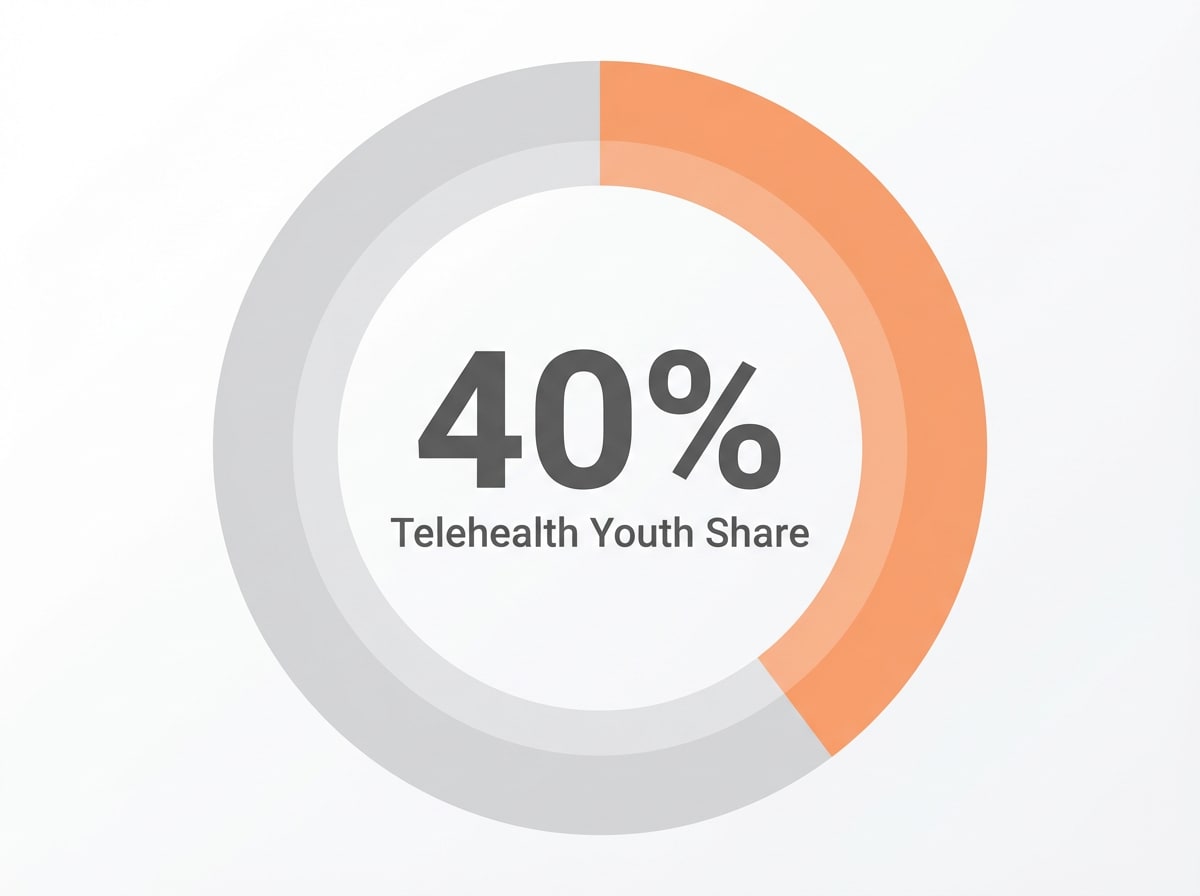
Telehealth is gaining ground in Austin, especially as city data projects that up to 40% of youth mental health services will be delivered virtually by 2025. Research shows that telehealth cognitive behavioral therapy Austin TX delivers results comparable to traditional in-person sessions for depression, and is even more effective for anxiety care in some cases.7
This is especially helpful for residents balancing work downtown, family life in neighborhoods like Mueller, or those who find it difficult to secure parking near busy treatment centers. In-person cognitive behavioral therapy Austin TX remains a valued choice for those who benefit from face-to-face connection and the energy of local offices. Local clients have shared how the flexibility to choose between meeting near the UT campus or logging on from home has made therapy more consistent and accessible.
This range of options ensures that everyone—from students and tech professionals to families in Windsor Park—can access the care they need in a way that fits their daily routine. Next, discover more about the Austin neighborhoods and communities served by local CBT providers.
Neighborhoods & Communities We Serve
Cognitive behavioral therapy Austin TX is available to individuals and families throughout every corner of the city. Whether you live close to iconic spots like Lady Bird Lake, in the creative heart of East Austin, or near the hustle of The Domain, local CBT providers strive to make care accessible and welcoming. Clinics and therapists regularly serve residents from neighborhoods including:
- Cherrywood
- South Lamar
- North Loop
- Hyde Park
- Bouldin Creek
Many locations are just minutes from UT campus or nestled near growing business districts, making it easier for Austinites to fit therapy into their routines. Austin’s diverse communities require solutions that reflect local realities—like traffic bottlenecks on I-35, parking challenges downtown, or safety concerns in certain areas.
That’s why providers offer care options tailored to each neighborhood, with some offering evening and weekend sessions or telehealth for those in areas such as Mueller or Crestview. Research highlights that digital and neighborhood-based CBT options can significantly increase access and reduce barriers to care, supporting better mental health outcomes across the city.7
The impact is evident in local stories: a South Congress client described how access to a nearby therapist helped her manage anxiety while juggling a busy work schedule, while a Cherrywood parent shared that telehealth sessions made therapy possible for their teenager after months of waiting. It’s this neighborhood-level support that makes cognitive behavioral therapy Austin TX a trusted choice for so many. Next, we’ll answer some of the most common questions about starting CBT in Austin.
Frequently Asked Questions
How long does Austin cognitive behavioral therapy typically take to show results?
Most people in Austin begin to notice positive changes from cognitive behavioral therapy Austin TX within 6 to 12 sessions, depending on the nature of their concerns and how regularly they attend. Research shows that CBT can reduce anxiety and depression symptoms significantly in just a few months, with measurable improvements often seen by the sixth session. Every person’s experience is unique, so some may progress faster while others need additional time for lasting results. Consistent participation and practicing new skills between sessions can help speed up progress. Your therapist will regularly check in on your goals and adjust your plan as needed.3
Can I receive Austin cognitive behavioral therapy services if I’m currently taking medication for anxiety or depression?
Yes, you can absolutely receive cognitive behavioral therapy Austin TX while taking medication for anxiety or depression. Many Austin providers recommend a combined approach, as research indicates that using CBT alongside medication leads to better outcomes than either treatment alone. For instance, studies show that people with depression who receive both therapy and medication experience higher remission rates and greater reductions in suicidal thoughts. Your therapist will coordinate with your prescribing provider to ensure your care is safe and tailored to your needs. This collaborative model is common in Austin, especially in integrated clinics serving areas like South Lamar and Mueller.8
Do Austin cognitive behavioral therapy providers serve specific neighborhoods like South Congress, Hyde Park, or Round Rock?
Yes, Austin cognitive behavioral therapy providers serve a wide range of neighborhoods—including South Congress, Hyde Park, and even nearby areas like Round Rock. Therapists and clinics are located across Austin’s metro, offering both in-person and telehealth options to meet local needs. Whether you live near the UT campus, in The Domain, or further north in Round Rock, you can access cognitive behavioral therapy Austin TX tailored to your community. Research shows that expanding digital and neighborhood-based therapy options in Austin has improved access and outcomes for residents throughout the city and surrounding areas.7
Is telehealth Austin cognitive behavioral therapy as effective as in-person sessions?
Yes, telehealth cognitive behavioral therapy Austin TX is considered just as effective as in-person sessions for most people. Research specific to Austin shows that virtual CBT delivers comparable results for depression and can even be more effective for anxiety treatment, thanks in part to increased consistency and easier access. Many residents appreciate the ability to receive high-quality care without having to navigate Austin traffic or parking downtown. Therapists in neighborhoods like Mueller, South Lamar, and Hyde Park report that clients using telehealth experience similar improvements in mood and daily functioning as those who attend in person. Digital CBT options help make support accessible citywide.7
What makes Austin cognitive behavioral therapy different from other types of counseling or talk therapy?
Austin cognitive behavioral therapy stands out from other counseling approaches because it focuses on helping you identify and change unhelpful patterns in your thoughts, emotions, and behaviors. Unlike traditional talk therapy, which may emphasize exploring your past, cognitive behavioral therapy Austin TX is action-oriented and teaches practical skills you can apply right away. Research shows this method is as effective as medication for issues like anxiety and depression, with benefits that often last longer than single-modality treatments. Sessions are structured, goal-focused, and tailored to the needs of Austin’s diverse communities, making it a preferred choice for many seeking real, lasting change.3
Can Austin cognitive behavioral therapy help if I’ve tried other treatments that didn’t work?
Yes, cognitive behavioral therapy Austin TX can still offer hope and results even if other treatments have not worked for you. Research shows that CBT is as effective as medication for treating depression and anxiety, and in some cases provides longer-lasting benefits—especially for people who have tried other options without success. CBT focuses on practical strategies for shifting thoughts and behaviors, which can help when previous therapies haven’t addressed the root causes of distress. Many Austin residents have found renewed progress with CBT after feeling stuck elsewhere, thanks to its structured, goal-oriented approach and the support of skilled local therapists.3
How do I know if Austin cognitive behavioral therapy is right for my specific situation with trauma or substance use concerns?
Cognitive behavioral therapy Austin TX can be an effective choice if you’re working through trauma or substance use concerns. Research shows that CBT is especially helpful for individuals with co-occurring mental health and substance use issues, as it teaches practical coping skills and addresses both challenges together. Many Austin-area therapists now use integrated models, often combining CBT with medication or other supports for the best results. If you have a history of trauma, CBT can help you process difficult experiences in a safe, structured way. To know if it’s right for you, consider a consultation with a local CBT provider who can assess your needs and recommend a tailored plan.5,8
Your Path to Recovery Starts Here
After understanding Austin’s mental health landscape, the natural question becomes: where do I start? Finding the right support doesn’t have to feel overwhelming. Austin’s treatment network stands out for its integration of services—providers who communicate across disciplines, cultural competency training that honors diverse backgrounds, and innovative approaches that blend traditional therapy with holistic wellness. This collaborative ecosystem means individuals receive coordinated care rather than fragmented services.
Mental health treatment in Austin ranges from outpatient therapy and intensive outpatient programs to residential care and medication management services. What makes Austin’s approach distinctive is the emphasis on evidence-based methods tailored to each person’s cultural context and life circumstances. Facilities throughout the city offer cognitive behavioral therapy, dialectical behavior therapy, and trauma-informed care—therapeutic approaches that have helped countless individuals develop healthier coping strategies and rebuild their lives with providers who truly understand their unique experiences.
The journey typically begins with an assessment, but this isn’t just a procedural step—it’s the foundation of a partnership. Treatment teams collaborate with each person to understand their strengths, challenges, and aspirations, then co-create individualized plans that honor their goals. For example, someone might start with an initial phone consultation, meet with a therapist for a comprehensive assessment within days, and begin outpatient sessions while having immediate access to psychiatric support if needed. This personalized approach ensures that care adapts as circumstances and needs evolve throughout the recovery process.
Ready to take the next step? Taking that initial step toward healing demonstrates tremendous courage, and it’s a step no one has to take alone. With Austin’s integrated support system and compassionate professional guidance, meaningful change becomes not just possible, but probable. The path forward begins with a single conversation—one that opens doors to understanding, healing, and renewed hope.
References
- SAMHSA – Substance Abuse and Mental Health Services Administration. https://www.samhsa.gov/
- Psychologists are innovating to tackle substance use. https://www.apa.org/monitor/2024/01/trends-psychologists-tackling-substance-use
- Cognitive behavioral therapy’s impact on anxiety, depression, and quality of life in head and neck cancer patients: A systematic review and meta-analysis. https://www.frontiersin.org/journals/psychology/articles/10.3389/fpsyg.2025.1547999/full
- Medications to Treat OUD: Barriers. https://www.ncbi.nlm.nih.gov/books/NBK541389/
- Cognitive Behavioural Therapy and Dual Diagnosis. https://pmc.ncbi.nlm.nih.gov/articles/PMC12535280/
- Substance Abuse Intensive Outpatient Programs: Assessing Evidence. https://pmc.ncbi.nlm.nih.gov/articles/PMC4152944/
- Artificial Intelligence-Driven Analysis of Telehealth Effectiveness in Youth Mental Health. https://pmc.ncbi.nlm.nih.gov/articles/PMC11856424/
- Integrated Treatment of Substance Use and Psychiatric Disorders. https://pmc.ncbi.nlm.nih.gov/articles/PMC3753025/
- Combined Cognitive-Behavioral Therapy and Pharmacotherapy for Adolescent Depression. https://pmc.ncbi.nlm.nih.gov/articles/PMC2671638/
- Treatment of Opioid Use Disorder. https://www.cdc.gov/overdose-prevention/treatment/opioid-use-disorder.html