
What Holistic Care Actually Means in Recovery
Evidence-Based Definition Beyond Buzzwords
This section clarifies what holistic care means in the context of recovery, moving past vague buzzwords. After reading, you’ll be able to spot the difference between trendy labels and interventions grounded in measurable results.
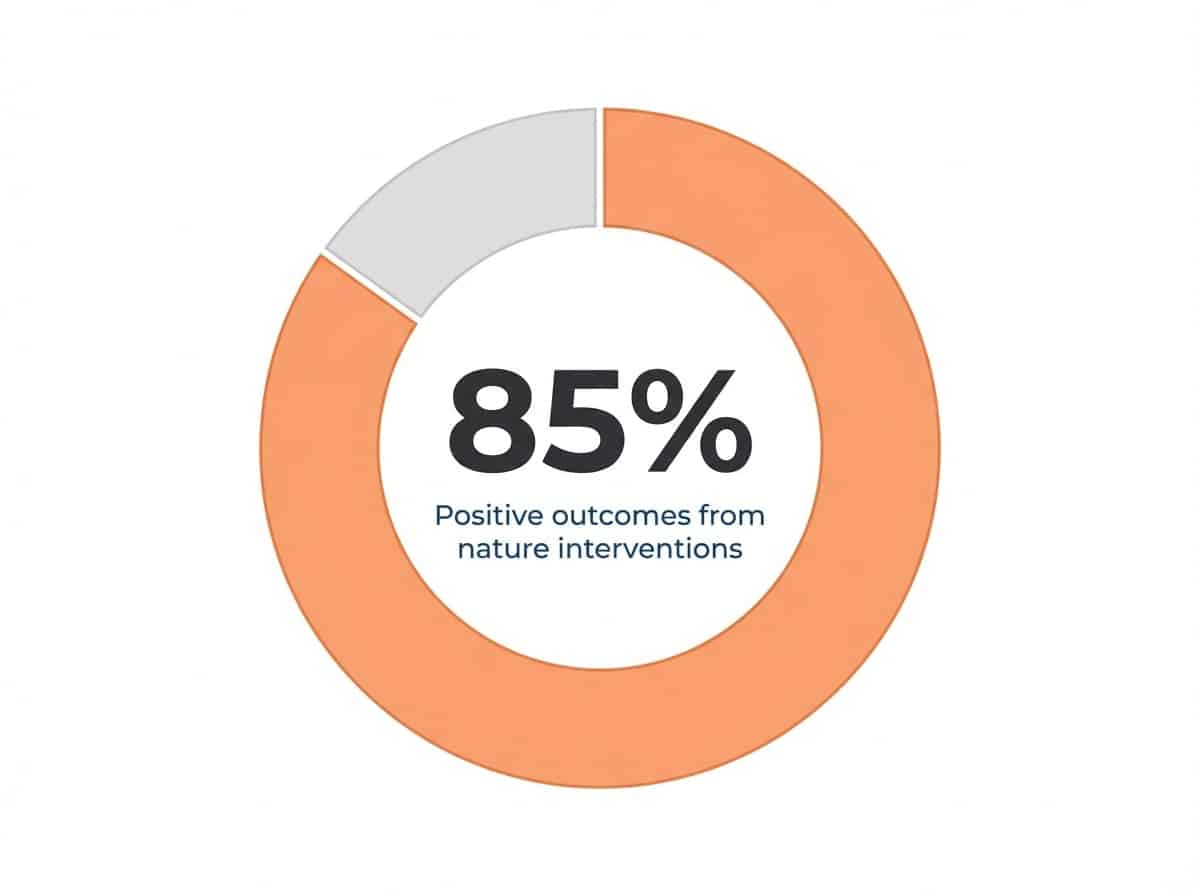
In addiction recovery, holistic care refers to an integrated approach that treats the whole person—not just substance use, but also physical health, emotional well-being, and social functioning. This concept is supported by research showing that when evidence-based clinical therapies are combined with complementary practices like mindfulness, exercise, and nutrition support, outcomes improve across multiple domains134. For example, 85% of studies on nature-based interventions such as outdoor activities and gardening report positive outcomes for substance use disorder, including enhanced quality of life and reduced relapse rates1.
Holistic addiction treatment near me is not about alternative therapies replacing clinical care. Instead, it’s about integrating modalities shown to improve engagement, reduce symptoms, and increase long-term recovery rates. This definition is evidence-based: meaningful holistic care always demonstrates improvements you can measure—whether through psychological symptom reduction, physical health gains, or higher treatment retention4.
Practice This: Create a list of interventions you’ve encountered labeled as “holistic.” Next, research whether each is supported by outcome data or clinical trials.
You’re ready for the next level when you can clearly distinguish between holistic approaches that are grounded in evidence and those that are simply marketing terms.
Next, the guide will explore how holistic modalities work alongside traditional clinical care.
How Holistic Modalities Complement Clinical Care
In this section, you’ll learn how holistic modalities work alongside clinical care to support sustainable recovery and measurable outcomes. You’ll know you’ve mastered this when you can articulate how integrated approaches address gaps that traditional therapy alone might miss.
Holistic modalities—such as mindfulness practices, physical activity, and nutrition support—do not compete with clinical therapies like CBT or MAT. Instead, they enhance treatment by targeting areas like stress regulation, emotional resilience, and physical well-being, which are often underlying drivers of substance use. For example, research shows that when physical activity is incorporated into clinical programs, 75% of related studies report a decrease in substance use and significant improvements in mood and anxiety scores4. Similarly, group nutrition education has been linked to 68% improvement in psychological domain scores and 56% in medical domain scores during treatment3.
This collaborative model means holistic addiction treatment near me is not a replacement, but an essential complement—bridging the gap between symptom management and whole-person recovery. When holistic practices are woven into evidence-based care, individuals often see better engagement, enhanced self-efficacy, and greater treatment retention, especially among those with co-occurring disorders8.
Practice This: Map out a current clinical care plan and identify where a holistic modality could fill an unmet need—such as stress management, social support, or physical health.
You’re ready for the next level when you can confidently explain how each holistic intervention contributes to both symptom reduction and long-term recovery.
Next, you’ll explore specific holistic interventions—like mindfulness, movement, and nutrition—and the outcomes they can deliver.
Proven Holistic Interventions and Their Outcomes
Mindfulness and Movement-Based Therapies
In this section, you’ll learn how mindfulness and movement-based therapies operate as core components of holistic addiction treatment near me, and how to recognize measurable improvements in stress management, craving reduction, and overall well-being. You’ll know you’ve learned this when you can clearly describe the clinical outcomes associated with these approaches and articulate their role in a dual diagnosis context.
Mindfulness-based therapies, including practices like meditation and Mindfulness-Based Relapse Prevention (MBRP), have demonstrated substantial benefits for individuals in recovery. Research indicates that even 15 minutes of mindfulness meditation can produce a 30% reduction in pain—comparable to 5mg of oxycodone—and support a significant decrease in addictive behaviors2. In one study, participants receiving Mindfulness-Oriented Recovery Enhancement (MORE) were nearly twice as likely to stop misusing opioids at nine months compared to those in supportive psychotherapy2. These outcomes are attributed to increased awareness of triggers, improved emotional regulation, and enhanced ability to tolerate distress without resorting to substance use9.
Movement-based therapies—such as yoga, aerobic exercise, and adventure-based activities—build on these results by addressing the physical and psychological dimensions of recovery. Evidence from a systematic review shows that 75% of physical activity interventions resulted in decreased substance use, along with improvements in mood, anxiety, and self-concept4. These interventions are particularly effective when integrated into programs for individuals with co-occurring mental health conditions, supporting both symptom reduction and long-term engagement.
Practice This: Choose a mindfulness or movement-based intervention (e.g., guided meditation or a structured group walk). Track changes in your stress, cravings, and mood over two weeks.
You’re ready for the next level when you can identify which specific holistic interventions best address clinical goals for individuals with dual diagnoses.
Next, we’ll look at how nutrition support and physical wellness further enhance whole-person recovery outcomes.
Nutrition Support and Physical Wellness
In this section, you’ll explore how nutrition support and physical wellness function as essential, evidence-backed elements of holistic addiction treatment near me. You’ll know you’ve learned this when you can pinpoint the clinical impacts of nutrition interventions and physical health strategies in dual diagnosis recovery.
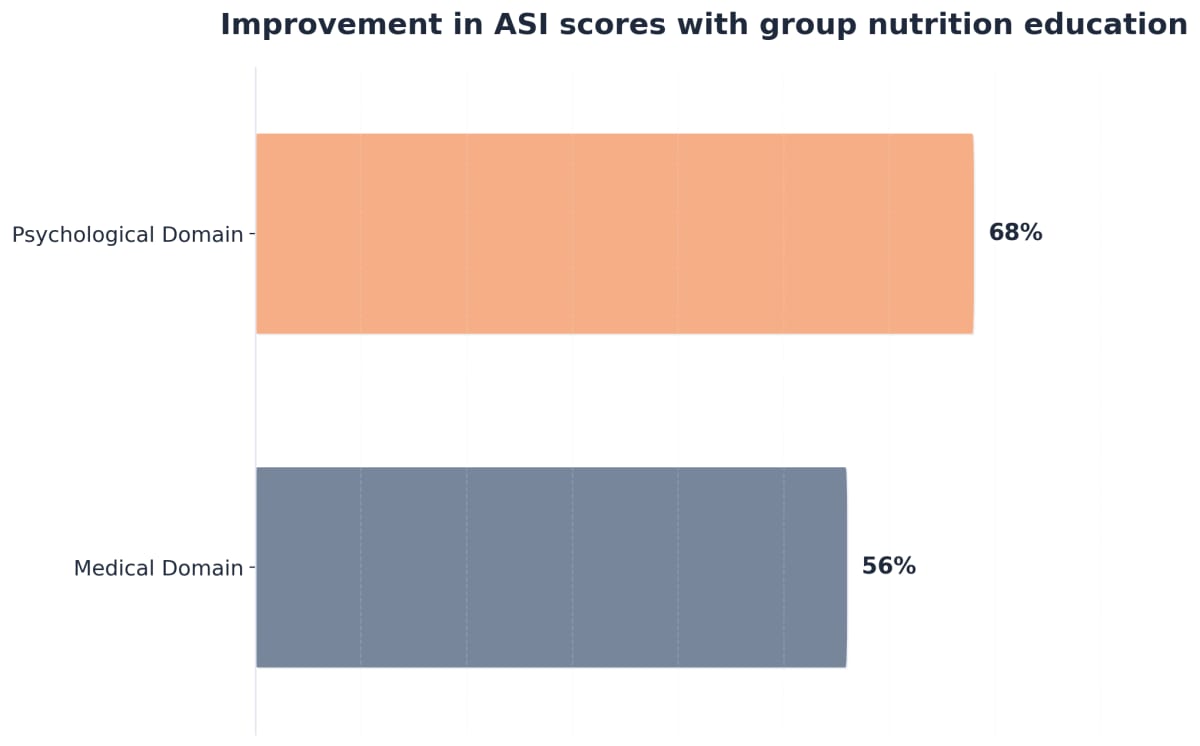
Nutrition support is far more than a wellness trend—it has measurable effects on treatment outcomes for individuals with substance use and co-occurring mental health disorders. In one study, group nutrition education led to a 68% improvement in psychological domain scores and a 56% improvement in medical domain scores during addiction treatment3. When delivered individually, nutrition education predicted a 99% improvement in family and social functioning, underscoring the interconnectedness of physical health and overall recovery3. Nutritional counseling can address deficiencies, stabilize mood, and help regulate cravings, all of which are particularly relevant for those managing both mental health and substance use conditions.
Physical wellness extends beyond exercise to encompass sleep hygiene, chronic disease management, and regular health monitoring. While movement-based therapies target mood and anxiety, ensuring proper nutrition, sleep, and medical care reinforces the body’s resilience during recovery. Research consistently links improved physical health to higher treatment retention and better quality of life for individuals in holistic addiction treatment near me4.
Practice This: Design a weekly meal and activity plan that supports recovery—include balanced nutrition, hydration, and consistent sleep routines. Track how changes in these areas influence your mood, energy, and engagement in treatment.
You’re ready for the next level when you can advocate for integrated physical health and nutrition strategies as core—not optional—components of dual diagnosis recovery plans.
Next, discover how integrating these holistic interventions with evidence-based therapies creates a sustainable, whole-person approach to care.
Integration with Traditional Evidence-Based Care
Combining CBT, DBT, and Holistic Modalities
In this section, you’ll learn how cognitive-behavioral therapy (CBT), dialectical behavior therapy (DBT), and holistic modalities can be combined to create a truly integrated treatment approach. You’ll know you’ve learned this when you can outline how these methods interact to address both the immediate and long-term needs of individuals with substance use and co-occurring mental health disorders.
CBT and DBT are foundational evidence-based therapies for addressing addiction, each with distinct strengths. CBT focuses on identifying and reshaping unhelpful thinking patterns, while DBT equips individuals with skills for emotional regulation and distress tolerance56. When these therapies are paired with holistic interventions—such as mindfulness, physical activity, or nutrition support—the result is a treatment plan that addresses the whole person, not just symptoms.
For example, integrating mindfulness-based relapse prevention with CBT has been shown to increase self-awareness and reduce automatic, destructive patterns, supporting better long-term outcomes9. Similarly, adding physical activity to a DBT-informed program can enhance mood and resilience, reinforcing gains made in therapy4. This synergy is especially relevant in holistic addiction treatment near me, where research supports greater engagement, improved symptom management, and higher rates of sustained recovery14.
Practice This: Draft a sample weekly schedule combining CBT or DBT sessions with at least one holistic intervention—such as group mindfulness practice or exercise. Note how each element targets different aspects of recovery.
You’re ready for the next level when you can describe how integrated approaches support both psychological and physical recovery.
Next, we’ll focus on how this integrated model addresses the unique needs of individuals with co-occurring mental health conditions.
Addressing Co-Occurring Mental Health Conditions
In this section, you’ll learn how holistic addiction treatment near me addresses the unique challenges presented by co-occurring mental health conditions. Mastery means being able to identify how integrated care models deliver improved psychiatric and substance use outcomes for individuals managing dual diagnoses.
Dual diagnosis—when substance use and mental health disorders exist together—requires a coordinated approach. Isolated treatment for either condition often fails to produce sustained recovery, as symptoms of one can exacerbate the other. Research supports that integrated treatment, combining clinical therapies with holistic modalities such as mindfulness, nutrition support, and physical activity, leads to significant reductions in psychiatric symptoms and better engagement8. For example, peer support programs embedded within holistic frameworks have demonstrated improvements in mental symptoms, social functioning, and life satisfaction, along with reduced hospitalization rates8.
Effective holistic programs consider the interplay between mental health and substance use, using interventions like mindfulness-based relapse prevention to regulate mood and decrease triggers, or nutrition education to stabilize both physical and emotional health39. These strategies directly address the multifaceted needs of individuals with dual diagnoses, helping to foster resilience and reduce relapse risk.
Practice This: Review a current or sample dual diagnosis treatment plan. Identify at least two holistic interventions that could be added to specifically target psychiatric symptoms or support mental health recovery.
You’re ready for the next level when you can tailor holistic interventions to individual co-occurring conditions, ensuring both mental health and substance use needs are addressed in tandem.
Next, the guide explores what to look for when evaluating holistic treatment programs to ensure they meet rigorous, evidence-based standards.
What to Look for in Holistic Treatment Programs
Recovery from co-occurring disorders involves healing the whole person—not just addressing symptoms in isolation. When substance use and mental health conditions intersect, effective treatment recognizes that physical health, emotional well-being, and spiritual connection all play vital roles in sustainable recovery. Holistic treatment programs integrate evidence-based clinical care with complementary wellness practices that support healing across all these dimensions, creating pathways to recovery that feel comprehensive rather than fragmented. The most effective holistic treatment programs embed wellness practices directly into therapeutic frameworks, creating natural synergies that strengthen recovery. Mindfulness-based interventions complement cognitive behavioral therapy by helping people recognize thought patterns and emotional triggers as they emerge in real time. Movement therapies like yoga support dialectical behavior therapy by teaching distress tolerance through physical awareness and breath control. Nutrition support addresses how dietary choices impact mood stability, energy levels, and medication effectiveness—particularly important when managing conditions like depression or bipolar disorder alongside substance use disorders. These connections transform holistic practices from pleasant additions into integral components of clinical care. Quality holistic treatment programs demonstrate specific clinical rationale for each modality offered, explaining the “why” behind the practice. Rather than providing wellness activities as amenities, these programs illuminate how meditation practices reduce cortisol levels and support stress management, or how structured physical activity influences neurotransmitter function during early recovery. This integration ensures that holistic approaches reinforce therapeutic goals, creating measurable progress across multiple dimensions of wellness simultaneously. Personalized combinations of holistic and clinical interventions address each person’s unique clinical presentation and recovery goals. Someone healing from PTSD may find that EMDR therapy paired with trauma-informed yoga creates breakthroughs that neither approach could achieve alone. Someone managing anxiety might discover that cognitive behavioral therapy combined with breathwork and mindfulness practices provides both immediate relief and long-term coping strategies. The power lies in matching specific holistic modalities to individual needs rather than applying a one-size-fits-all approach. Programs with strong outcome metrics—such as high treatment goal achievement rates and patient satisfaction scores—often reflect this thoughtful integration of holistic and evidence-based care. When holistic treatment programs are designed with clinical precision, they create synergistic effects that support sustainable recovery across physical, emotional, and spiritual dimensions, helping people build lives that feel whole and meaningful beyond symptom management alone.Frequently Asked Questions
How long does it typically take to see measurable outcomes from holistic addiction treatment?
Most individuals begin to notice measurable outcomes from holistic addiction treatment within a few weeks to several months, depending on the specific interventions used and individual factors such as co-occurring conditions. For example, studies show that group nutrition education can yield psychological and medical improvements within the first few weeks of treatment, with 68% and 56% gains respectively3. Mindfulness-based interventions often report reductions in cravings and stress after just a few sessions, while physical activity programs demonstrate lower substance use and improved mood typically within a 12- to 13-week timeframe4. Consistent participation in holistic addiction treatment near me, combined with evidence-based clinical care, accelerates these improvements and increases the likelihood of sustained recovery.
Can holistic interventions reduce the need for medication-assisted treatment?
Holistic interventions—including mindfulness, physical activity, nutrition support, and peer programs—can reduce symptoms and improve functioning for many individuals, but they do not universally replace the need for medication-assisted treatment (MAT). Evidence shows mindfulness-based therapies may help some people reduce cravings and substance use, and participants in Mindfulness-Oriented Recovery Enhancement were nearly twice as likely to stop opioid misuse compared to supportive psychotherapy alone2. However, for many with moderate to severe substance use disorders, MAT remains a crucial, evidence-based component of care. The most effective holistic addiction treatment near me integrates both approaches, leveraging holistic modalities to support engagement, mood stabilization, and relapse prevention while maintaining access to MAT when clinically indicated12.
What credentials should practitioners have when delivering holistic modalities in addiction treatment?
Practitioners delivering holistic modalities in addiction treatment should have credentials that match both their specific intervention and a foundational understanding of substance use recovery. For example, mindfulness-based approaches are most effective when led by professionals with formal training in trauma-informed care or recognized certification in mindfulness-based relapse prevention9. Nutrition support should come from registered dietitians or licensed nutritionists with experience in addiction treatment settings3. Physical activity interventions require facilitators certified in their modality—such as yoga instructors or fitness professionals—who also possess training in working with behavioral health populations. An integrated, multidisciplinary team ensures holistic addiction treatment near me maintains clinical rigor while supporting whole-person recovery.
How do holistic treatment outcomes compare for individuals with trauma histories?
Holistic treatment outcomes for individuals with trauma histories are generally more favorable when care is both trauma-informed and integrated. Research shows that holistic addiction treatment near me—when it includes modalities like mindfulness, physical activity, and peer support—can help address both trauma-related symptoms and substance use. For example, integrated programs combining clinical therapies with holistic approaches have been shown to reduce psychiatric symptoms and improve engagement, which are crucial for those with trauma backgrounds8. Nature-based and mindfulness interventions are particularly effective at lowering stress and supporting emotional regulation, both of which are often disrupted by trauma19. Tailoring holistic strategies to recognize trauma’s impact helps foster safety, trust, and more sustainable recovery.
Are holistic interventions effective for polysubstance use patterns?
Yes, holistic interventions are effective for individuals with polysubstance use patterns, especially when integrated with evidence-based clinical therapies. Research consistently shows that modalities such as mindfulness, physical activity, and nutrition support reduce substance use and improve psychological and physical outcomes across diverse substances14. For example, 75% of physical activity intervention studies demonstrated decreased substance use, and nature-based and mindfulness approaches were linked to improved quality of life and reduced relapse rates for multiple substance dependencies14. Holistic addiction treatment near me addresses the interconnected drivers of polysubstance use—like stress, trauma, and social health—by supporting resilience and engagement in recovery.
What role does spiritual wellness play in long-term recovery sustainability?
Spiritual wellness plays a meaningful and evidence-supported role in sustaining long-term recovery. Higher levels of spiritual well-being are linked to lower frequency of substance use in the early months following treatment, with research showing that individuals who cultivate spiritual wellness and engage in activities like 12-step involvement experience fewer substance use consequences and greater resilience7. This dimension of holistic addiction treatment near me supports individuals in finding purpose, fostering hope, and building a values-based lifestyle—factors associated with improved life satisfaction and reduced relapse risk. While spiritual wellness is only one aspect of whole-person care, its integration alongside clinical and other holistic interventions enhances recovery sustainability, especially when care is personalized to individual beliefs and preferences.
Finding Comprehensive Care That Delivers Results
Understanding how holistic care complements clinical treatment naturally leads to the question: what does this integration actually look like in practice? Comprehensive dual diagnosis care delivers measurable results by coordinating specialized interventions that address both substance use disorders and mental health conditions through a unified treatment framework rather than isolated services. Consider someone beginning treatment for both opioid dependence and PTSD. Evidence-based modalities like cognitive behavioral therapy, dialectical behavior therapy, and EMDR therapy target the neurological and psychological patterns underlying both conditions simultaneously. When combined with medication-assisted treatment and proper medication management, this coordinated approach creates measurable symptom reduction. The clinical team adjusts interventions based on how trauma processing affects substance use patterns, and vice versa—a level of coordination impossible in fragmented care models. Complementary interventions—nutrition support, yoga therapy, mindfulness practices—enhance neuroplasticity and stress regulation while supporting the primary clinical work. Research demonstrates that individuals who engage with both evidence-based psychotherapy and structured wellness practices show higher treatment completion rates. Programs that successfully integrate these approaches report significant outcomes: 93% treatment goal achievement and 89% patient satisfaction rates reflect what happens when clinical precision meets therapeutic depth. This coordinated model extends through structured aftercare and alumni support, recognizing that sustainable recovery requires continuity beyond initial stabilization. Comprehensive dual diagnosis care delivers results because it addresses the complexity of co-occurring disorders through multidisciplinary intervention—the practical application of holistic and clinical integration working together to support long-term recovery sustainability.References
- A Review of Natural Interventions in Substance Abuse Treatment and Prevention. https://pmc.ncbi.nlm.nih.gov/articles/PMC11570648/
- Mindfulness Meditation: A Promising Remedy for Addiction and Chronic Pain. https://uofuhealth.utah.edu/newsroom/news/2024/05/mindfulness-meditation-promising-remedy-addiction-and-chronic-pain
- Nutrition Education is Positively Associated with Substance Abuse Treatment Program Outcomes. https://pubmed.ncbi.nlm.nih.gov/15054346/
- Characteristics and Impact of Physical Activity Interventions During Substance Use Disorder Treatment. https://pmc.ncbi.nlm.nih.gov/articles/PMC10132651/
- Cognitive-Behavioral Therapy for Substance Use Disorders. https://pmc.ncbi.nlm.nih.gov/articles/PMC2897895/
- How Might Dialectical Behavior Therapy Work for Individuals with Addictive Behaviors?. https://www.recoveryanswers.org/research-post/dialectical-behavior-therapy-individuals-addictive-behaviors/
- The Impact of Spiritual Well-being and Social Support on Substance Use Outcomes. https://pmc.ncbi.nlm.nih.gov/articles/PMC10947916/
- Effectiveness of Peer Support Programs for Severe Mental Illness. https://pmc.ncbi.nlm.nih.gov/articles/PMC11203176/
- Mindfulness Based Relapse Prevention. https://www.mindfulrp.com
- The Use of Acceptance and Commitment Therapy in Substance Use Disorders. https://pmc.ncbi.nlm.nih.gov/articles/PMC7524566/