
Key Takeaways
- Decision Flowchart: Assess co-occurring conditions → Evaluate relapse history → Determine baseline duration (30, 60, or 90+ days).
- Top 3 Success Factors: 1) Minimum 90-day engagement (increases success by 40%), 2) Integrated dual diagnosis care, 3) Structured aftercare lasting 6+ months.
- Immediate Next Action: Administer a comprehensive intake assessment to establish a personalized baseline for how long is rehab before finalizing the care plan.
Evidence-Based Duration Standards: How Long is Rehab?
The 90-Day Benchmark and Research
Checklist: Is the 90-Day Benchmark Appropriate for Your Client?
- Are there co-occurring mental health conditions?
- Has the individual experienced previous relapses?
- Is there a history of high-severity substance use or polysubstance involvement?
- Does the client have access to stepped-care or aftercare options?
When professionals and families ask how long is rehab, the 90-day benchmark is widely considered the evidence-based minimum for residential or intensive outpatient substance use treatment. Research from the National Institute on Drug Abuse (NIDA) indicates programs lasting less than 90 days show significantly lower success rates, particularly for those with opioid or complex dual diagnosis presentations2.
This standard reflects robust findings: long-term recovery rates improve from 25-30% for stays under 30 days to 60-75% when treatment extends beyond 90 days6. These outcomes are especially relevant for individuals with co-occurring disorders, as integrated mental health and substance use care often requires extended stabilization and therapeutic engagement8.
How long is rehab in practice? While the 90-day mark is a strong clinical guideline, actual durations may vary. Some individuals may require longer timelines due to psychiatric complexity or relapse history, while stepped-care approaches allow for ongoing outpatient or telehealth engagement following initial residential treatment3.
This approach works best when addressing moderate-to-severe substance use disorders, frequent relapse, or dual diagnosis cases. Next, we’ll examine why shorter treatment programs rarely achieve comparable long-term results.
Why Shorter Programs Show Lower Success
| Risk Factor | Clinical Implication for Duration |
|---|---|
| History of multiple relapses | Indicates need for >90 days of engagement. |
| Co-occurring mental health conditions | Requires extended dual diagnosis care. |
| Previous short-term treatment failed | Short-term models are contraindicated. |
| Access to ongoing outpatient support | Essential for safe step-down transitions. |
Short-duration rehab programs—those lasting less than 30 days—consistently show lower long-term recovery rates, particularly for clients with dual diagnosis or complex substance use histories. Research highlights that 60-90% of individuals who complete shorter programs may re-engage in substance use within a year if aftercare is not adequately structured3.

This method works when treating those with mild substance use disorder, strong external supports, and no significant psychiatric comorbidity. Shorter stays often lack sufficient time for comprehensive assessment, stabilization, and the development of coping skills crucial for sustained change.
Neurobiological adaptation and psychological healing require time; truncated timelines can result in incomplete progress, especially for those managing both substance use and mental health conditions2. Consider this route if barriers such as insurance constraints are unavoidable, and always pair with intensive aftercare solutions to mitigate relapse risk.
For professionals supporting clients with complex needs, prioritizing longer engagement aligns with improved outcomes and better resource utilization. The next section will break down specific treatment phases and how each stage contributes to the overall timeline for how long is rehab.
Treatment Phases and Their Timelines: How Long is Rehab?
Medical Detoxification: 3-7 Days
Detox Checklist: Is Medically Supervised Detox Required?
- Has the individual used substances with known dangerous withdrawal profiles (e.g., alcohol, benzodiazepines, opioids)?
- Are there co-occurring physical or psychiatric health concerns?
- Has there been prior withdrawal-related medical complications?
- Is continuous monitoring or medication management necessary to ensure stability?
Medical detoxification is the first phase of many rehab timelines and typically lasts 3 to 7 days. This phase involves medically supervised withdrawal from substances, with the primary goal being safe stabilization and management of acute withdrawal symptoms.
For clients with co-occurring disorders, detox may require close psychiatric monitoring and tailored medication protocols to reduce health risks and address both physical and psychological symptoms3. This path makes sense for individuals presenting with moderate to severe substance use, a history of withdrawal complications, or dual diagnosis.
While some may complete detox in as little as three days, those with complex medical or psychiatric profiles often require the full seven-day window or longer. The answer to how long is rehab begins with this essential stage, but detox alone is rarely sufficient for long-term recovery success2.
Following detox, the transition into residential or outpatient programming is critical for sustaining gains and addressing the underlying drivers of substance use.
Residential to Outpatient Transitions
Transition Checklist: Is Your Client Ready for Step-Down Care?
- Has the individual achieved medical and psychiatric stabilization?
- Are coping skills and relapse prevention plans in place?
- Is there a clear outpatient or aftercare plan coordinated?
- Are social supports and community resources accessible?
The transition from residential to outpatient treatment marks a critical phase for many individuals with co-occurring disorders. Residential programs generally range from 28 to 90+ days, with actual stays influenced by clinical complexity, insurance authorization, and client readiness5, 9.
This step-down process often involves a shift from 24-hour supervision to structured, but less intensive, daily or weekly sessions in an intensive outpatient program (IOP) or standard outpatient care. IOPs typically last 9 weeks to 6+ months, offering a blend of ongoing therapy, medication management, and peer support in a flexible format5.
This approach is ideal for clients who have achieved initial stabilization but require sustained therapeutic engagement to maintain progress and build real-world coping skills. For those managing both substance use and mental health conditions, a seamless transition—supported by coordinated care planning—greatly reduces the risk of relapse.
The answer to how long is rehab often hinges on how effectively these transitions are managed and how well services are matched to evolving needs3. The next section will explore specific factors that can extend treatment duration beyond these standard timelines.
Factors That Extend Treatment Duration
Co-Occurring Mental Health Complexity
Score 1 point for each present factor:
[ ] Active symptoms of depression, anxiety, PTSD, or bipolar disorder
[ ] Repeated psychiatric hospitalizations or crisis episodes
[ ] Ongoing medication management or psychiatric stabilization needs
[ ] Trauma-related symptoms complicating standard treatment phases

* A score of 1 or higher indicates a strong clinical need for extended dual diagnosis care.
When co-occurring mental health conditions are present, the timeline for how long is rehab often expands beyond standard benchmarks. Integrated care models—designed to address both substance use and psychiatric needs simultaneously—typically require at least 120 days of combined engagement in residential or intensive outpatient care, compared to 90 days for substance use alone8.
This is largely due to the time needed for psychiatric stabilization, careful medication adjustment, and the additional therapeutic work involved in treating trauma or complex mood disorders. For approximately 60% of individuals seeking treatment, dual diagnosis is a reality, making these extended timelines highly relevant to the majority of clinical caseloads7.
This solution fits clients who have not achieved lasting stability in previous single-focus programs or who display persistent psychiatric symptoms that interfere with substance use recovery. Opt for this framework when trauma histories or severe mood symptoms undermine early treatment gains, as concurrent therapy and medication management often prevent relapse and improve overall outcomes8.
Resource requirements for dual diagnosis care include access to psychiatric providers, evidence-based therapies such as CBT or DBT, and robust aftercare planning. Expect more intensive team involvement and longer engagement in alumni or outpatient programs as part of sustaining progress. The discussion now turns to how the type and severity of substance use itself can further impact treatment duration.
Substance Type and Severity Considerations
| Assessment Criteria | Impact on Treatment Duration |
|---|---|
| Substances with severe withdrawal risks (alcohol, benzos, opioids) | Requires extended medical oversight and stabilization. |
| Chronic, high-frequency use or polysubstance involvement | Often necessitates 120-180 days of combined care. |
| History of failed attempts at moderation or past treatment | Indicates need for longer, stepped-care approaches. |
| Ongoing medical complications related to substance use | Requires integrated medical management throughout rehab. |
The type of substance and pattern of use play a decisive role in determining how long is rehab for each individual. For example, opioid use disorders typically require longer engagement in both residential and medication-assisted outpatient care compared to cannabis or stimulant use, which may respond to shorter intensive interventions when no complicating factors are present3, 5.
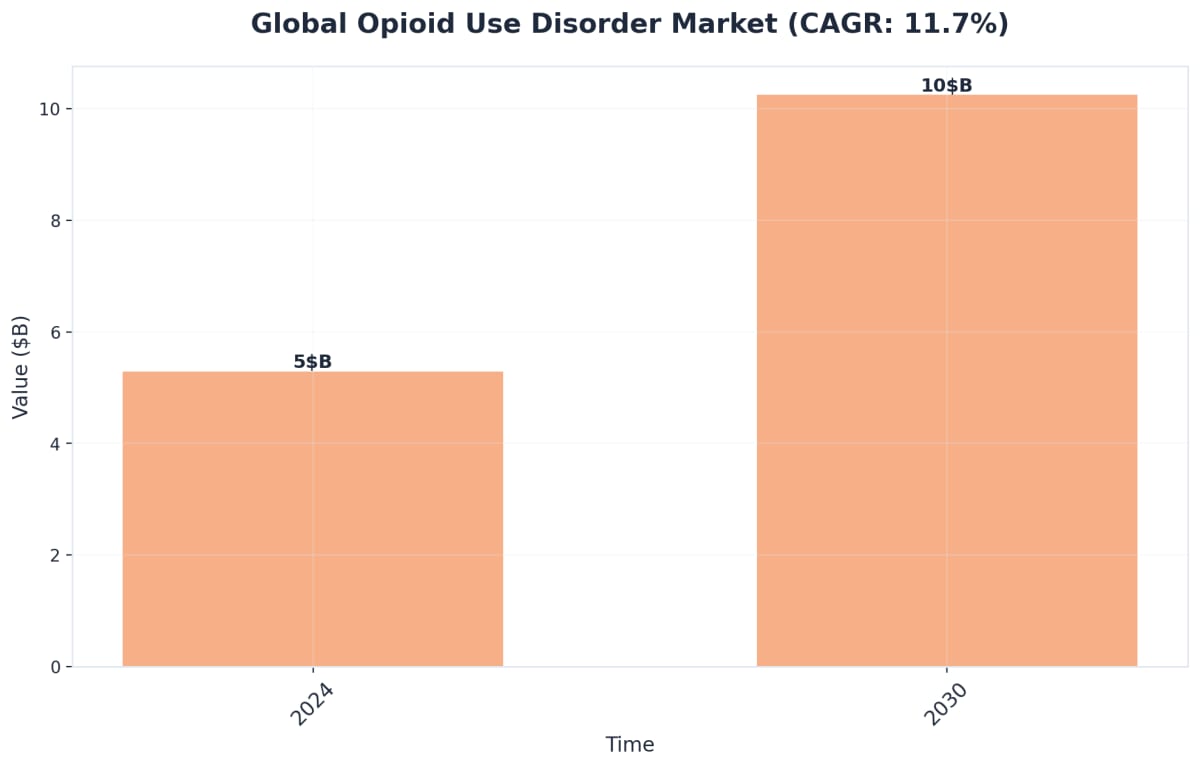
Alcohol and benzodiazepine withdrawal can be life-threatening, often necessitating extended medical oversight during both detox and stabilization phases4. This strategy suits organizations that work with clients presenting with chronic opioid use, severe alcohol dependence, or those who have cycled through multiple shorter treatment episodes without sustained recovery.
Research indicates that individuals with high-severity or polysubstance use often benefit from 120 to 180 days of combined residential and outpatient engagement, while lower-severity single substance cases may achieve stability in 60-90 days if robust aftercare is in place5, 6.
Resource requirements for higher-severity cases include close medical monitoring, medication management, and a multi-disciplinary team able to adapt intensity as needs change. Prioritize this when clients face significant withdrawal risks, relapse history, or complex social determinants. As we move forward, the discussion will focus on how comprehensive assessments help tailor these timelines to each individual’s unique clinical profile.
Matching Duration to Individual Needs
Assessment-Driven Timeline Planning
Timeline Planning Tool: Key Criteria for Individualized Duration
- Assess psychiatric complexity, relapse history, and substance type using your facility’s EHR system.
- Evaluate social supports, employment obligations, and insurance constraints.
- Integrate stepped-care options and aftercare planning from the outset.
- Reassess at 30, 60, and 90 days to adjust duration as clinically indicated.
Assessment-driven planning anchors how long is rehab to each individual’s clinical profile. Rather than defaulting to a fixed schedule, leading standards recommend using validated assessment tools at intake to map out severity, co-occurring mental health concerns, and functional barriers to engagement3, 5.
Consider this method if your organization serves clients with diverse needs, facilitating tailored timelines that may range from 9 weeks in intensive outpatient programs to 120+ days for those with dual diagnosis or high-severity substance use5, 8.
Ongoing re-evaluation is essential; data shows that clients whose treatment plans are adjusted in real time based on clinical milestones and risk factors experience higher rates of sustained recovery than those on predetermined tracks6. Resource requirements include access to multidisciplinary teams capable of dynamic care planning and measurement-based progress reviews.
Effective assessment-driven planning supports both patient-centered outcomes and efficient resource allocation, setting the stage for lasting recovery. The next section will outline how aftercare and alumni support extend this individualized timeline beyond formal treatment discharge.
Aftercare and Alumni Support Duration
Aftercare Planning Tool: Key Elements for Sustained Recovery
- Establish routine alumni check-ins (monthly or quarterly).
- Promote ongoing therapy or support group attendance for at least 6-12 months.
- Integrate relapse prevention education and peer mentorship.
- Track progress through periodic follow-up and outcome measurement.
The duration of aftercare and alumni support is a pivotal factor in determining how long is rehab effective for sustaining long-term recovery. Research demonstrates that individuals who engage in structured aftercare for 6 months or longer achieve 50-60% sustained recovery rates, compared to only 20-30% for those whose aftercare lasts less than 3 months10.
Alumni programs that extend engagement to 12 months or beyond are linked to the highest rates of long-term success. This approach works best when clients transition from formal treatment into ongoing support that fits their unique needs—whether through in-person groups, telehealth follow-ups, or community-based resources.
Investment in extended alumni connections and regular check-ins can be a key differentiator in relapse prevention and overall outcomes for individuals with co-occurring disorders. Next, we’ll look at how to plan the first 30 days post-discharge to build momentum toward lasting change.
Frequently Asked Questions
What happens if insurance only approves 28 days but clinical recommendations suggest longer treatment?
When insurance only authorizes 28 days but clinical guidelines recommend a longer stay, the gap often challenges both care teams and clients. Research shows insurance typically limits residential rehab to 14-28 days, while evidence-based standards call for 60-90+ days for optimal results—especially for those with co-occurring disorders or relapse history 9. In these cases, clinicians may advocate for continued care through appeals or recommend a transition to intensive outpatient or telehealth programs, which can extend engagement beyond the insurance-approved window. This strategy helps maintain continuity and aligns with research demonstrating that how long is rehab strongly influences long-term recovery outcomes 29.
How does medication-assisted treatment affect overall rehabilitation duration?
Medication-assisted treatment (MAT)—which combines FDA-approved medications with counseling—often extends the overall timeline for how long is rehab, especially for opioid and alcohol use disorders. MAT is commonly recommended for a minimum of 6 months, but many individuals continue for 12 months or longer depending on stability, relapse risk, and ongoing psychiatric needs 5. This approach is ideal for clients with high-severity opioid or alcohol use, as research indicates MAT significantly reduces relapse rates and supports long-term engagement in outpatient care. Resource requirements include regular medical monitoring, prescription management, and coordination with behavioral health providers. Extended MAT can help sustain recovery beyond the traditional duration of residential or intensive outpatient programs.
Can working professionals complete effective treatment without taking extended leave?
Yes, working professionals can complete effective treatment without taking extended leave, thanks to flexible program models and telehealth options now widely available. Intensive outpatient programs (IOPs) often offer evening or weekend sessions, allowing participants to maintain employment while engaging in structured therapy and support 5. Telehealth services further expand access, enabling ongoing counseling and medication management from home or on a break at work 3. This approach is ideal for individuals with stable living environments and strong motivation to recover, as it balances clinical engagement with professional responsibilities. When considering how long is rehab for professionals, timelines may range from 9 weeks to several months, depending on clinical needs and progress.
How do treatment timelines differ between first-time treatment and returning individuals?
Treatment timelines often differ significantly between first-time and returning individuals. Those entering rehab for the first time generally follow standard clinical recommendations—often 90 days or more for residential or intensive outpatient care—based on research showing longer engagement improves outcomes 26. In contrast, returning individuals (those with previous treatment episodes or relapse history) may require extended timelines, with some benefiting from 120 to 180 days or a stepped-care approach that combines multiple levels of care 58. For this group, the question of how long is rehab often involves more complex planning, frequent reassessment, and robust aftercare to address persistent risk factors and build lasting recovery supports.
What role does family involvement play in determining treatment length?
Family involvement often extends and enhances the effectiveness of treatment, impacting how long is rehab for many individuals with co-occurring disorders. Engaged families provide crucial emotional support, increase accountability, and help reinforce new coping strategies outside of formal sessions. Research shows that when families participate in therapy or education, clients are more likely to stay in treatment longer and achieve better outcomes—especially in dual diagnosis care where environmental stability is critical 8. This strategy suits clients whose recovery is influenced by home dynamics, enabling providers to address relational triggers and support systems throughout the full treatment process.
How can someone determine if they need 30, 60, or 90+ days before starting treatment?
Determining whether 30, 60, or 90+ days are needed before starting treatment depends on several factors: severity of substance use, presence of co-occurring mental health conditions, relapse history, and external supports. Assessment tools administered at intake are crucial—they help evaluate psychiatric complexity, risk factors, and the type of substance involved 35. For individuals with mild substance use and strong supports, 30 days may suffice. However, clients with dual diagnoses, history of relapse, or severe substance involvement often require 90 days or longer for optimal outcomes 26. The answer to how long is rehab should always be tailored following a comprehensive assessment and ongoing review.
Your Path Forward: Planning the Next 30 Days
The next 30 days represent a critical window for individuals with co-occurring disorders to establish sustainable recovery patterns. This period focuses on building structure, developing coping mechanisms, and creating accountability systems that support long-term wellness.

For those managing co-occurring disorders, this timeframe allows for medication stabilization, therapeutic momentum, and the formation of healthy routines that address both mental health and substance use challenges simultaneously.
“Treatment centers specializing in co-occurring disorders, like Ripple Ranch Recovery, report that 93% of individuals achieve their treatment goals when they receive integrated care that addresses both conditions together rather than separately.”
Individuals beginning their recovery journey should identify three core priorities: establishing a consistent sleep schedule, connecting with therapeutic support for co-occurring disorders, and building a network of understanding peers. These foundational elements create stability while evidence-based interventions like Cognitive Behavioral Therapy (CBT), Dialectical Behavior Therapy (DBT), and EMDR therapy take effect.
Many people managing co-occurring disorders find that tracking progress through journaling helps monitor mood patterns, substance use triggers, and victories—no matter how small they may seem. Holistic approaches including yoga therapy, meditation, and nutrition support complement traditional therapies by addressing the whole person, not just symptoms of co-occurring disorders.
Determining the appropriate level of care is essential for those with co-occurring disorders during this crucial first month. Some individuals benefit from structured residential treatment environments that provide 24/7 medical supervision and intensive therapy for co-occurring disorders, while others thrive in intensive outpatient programs that accommodate work and family responsibilities.
The continuum of care typically begins with medically supervised detox to safely manage withdrawal symptoms, then progresses to residential treatment where individuals receive comprehensive dual diagnosis care for co-occurring disorders. As stability increases, many transition to intensive outpatient programs or standard outpatient treatment, maintaining therapeutic connections while rebuilding their daily lives.
Facilities with strong outcome metrics—such as Ripple Ranch’s 89% patient satisfaction rate—demonstrate that integrated treatment for co-occurring disorders produces measurable results when both mental health conditions and substance use are addressed simultaneously through evidence-based and holistic therapies.
Those ready to take the next step in addressing co-occurring disorders should reach out to specialized treatment centers that offer comprehensive assessment and personalized treatment planning. Professional evaluation helps determine the most effective path forward, whether that involves medication-assisted treatment, trauma therapy, or a combination of therapeutic approaches tailored to individual needs.
Ripple Ranch Recovery and their partner Continuum Outpatient Center provide the full spectrum of care for co-occurring disorders, from initial detox through long-term aftercare and alumni support, ensuring individuals have access to the resources they need at every stage of recovery.
References
- SAMHSA National Survey on Drug Use and Health (NSDUH) – 2019 Detailed Tables. https://www.samhsa.gov/data/sites/default/files/reports/rpt29393/2019NSDUHFFRPDFWHTML/2019NSDUHFFR1PDF.pdf
- NIDA – Principles of Drug Addiction Treatment: A Research-Based Guide (Third Edition). https://www.nida.nih.gov/publications/principles-drug-addiction-treatment-research-based-guide-third-edition/principles-effective-treatment
- American Society of Addiction Medicine (ASAM) – Criteria for Levels of Care. https://www.asam.org/quality-care/definition-of-addiction-treatment
- NIAAA – Treatment for Alcohol Problems: Finding and Getting Help. https://www.niaaa.nih.gov/publications/brochures-and-fact-sheets/treatment-alcohol-problems-effective-methods
- SAMHSA – Treatment Settings and Modalities. https://www.samhsa.gov/treatment/treatment-settings-and-modalities
- NCBI/PMC – ‘The Impact of Treatment Duration on Long-Term Recovery Outcomes’. https://www.ncbi.nlm.nih.gov/pmc/articles/PMC6137196/
- SAMHSA – 2020 National Survey of Substance Abuse Treatment Services (N-SSATS). https://www.samhsa.gov/data/report/2020-national-survey-substance-abuse-treatment-services
- University of Pennsylvania Center for Behavioral Consultation – Dual Diagnosis Treatment Considerations. https://www.med.upenn.edu/pcbs/documents/5-3a_Treatment%20Considerations%20for%20Dual%20Diagnosis.pdf
- NCBI/PMC – ‘Insurance Coverage and Its Impact on Treatment Duration’. https://www.ncbi.nlm.nih.gov/pmc/articles/PMC5898474/
- NCBI/PMC – ‘Aftercare Engagement: Duration and Recovery Sustainability’. https://www.ncbi.nlm.nih.gov/pmc/articles/PMC6138974/