
Key Takeaways
- Skill Progression Roadmap: Begin by identifying your anxiety triggers, progress to practicing grounding techniques, and ultimately build a long-term stability plan.
- Essential Tools: You will need a journal for tracking moods, a quiet space for mindfulness exercises, and a supportive community for accountability.
- Competency Checklist: You are ready to advance when you can recognize the urge to self-medicate and successfully use a healthy coping skill instead.
- Integrated Healing: Discover how dual diagnosis treatment addresses both anxiety and substance use simultaneously for lasting recovery.
When Anxiety and Substances Become Tangled
The Self-Medication Cycle Explained
If you are struggling with the heavy weight of worry and using substances to cope, finding the right help is crucial. The journey begins with understanding your internal struggle, which is why exploring rehab programs for anxiety and substance use Texas offers can be a life-changing first step.
What you’ll learn: This section unpacks the self-medication cycle—why anxiety so often leads you to turn to substances, and how this pattern keeps both problems locked together. How you’ll know you’ve learned it: You’ll know you’ve learned it when you can identify your key triggers and understand why breaking the cycle is critical for your recovery.
The self-medication cycle begins with anxiety—restlessness, worry, panic, or dread become constant companions. In search of relief, you might turn to alcohol, prescription sedatives, or other substances, chasing a temporary sense of calm. For many, this pattern is less about seeking euphoria and more about quieting an overactive mind or numbing emotional discomfort.
Research shows that people with anxiety are two to three times more likely to develop substance use disorders compared to those without anxiety, and about 20% report using substances to self-soothe1.
However, the brief escape substances offer is deceptive. Over time, substance use can intensify anxiety symptoms, create new stressors, and make it even harder to function without chemical support. For those who self-medicate, the risk of developing alcohol dependence is nearly four times higher than those with anxiety who do not self-medicate (34.5% vs. 9.3%)2.
The cycle deepens: anxiety fuels substance use, substance use worsens anxiety, and both conditions reinforce each other until outside support is needed.
Practice This: Create a personal map of your triggers. Use the following template to log your experiences:
Date:
Trigger Situation:
Anxiety Level (1-10):
Substance Craving (1-10):
Alternative Coping Skill Used:
Skill Checkpoint: You’re ready for the next level when you can recognize these patterns as they emerge, not just after the fact.
Understanding this cycle sets the stage for exploring why the best rehab programs for anxiety and substance use Texas provides must address both conditions together.
Why Dual Diagnosis Demands Specialized Care
What you’ll learn: This section explains why dual diagnosis—when anxiety and substance use disorders overlap—requires a different kind of care. How you’ll know you’ve learned it: You’ll know you’ve learned it when you can explain why traditional single-focus treatment often leads to setbacks for individuals with both conditions.
When your anxiety and substance use become intertwined, the struggle isn’t just about managing symptoms; it’s about untangling two conditions that fuel each other. Treating anxiety alone, or addressing only substance use, usually misses the complicated feedback loop that keeps the cycle spinning.
Research shows that individuals with anxiety are two to three times more likely to develop substance use disorders, and those who self-medicate face much higher risks of dependence and relapse1.
| Treatment Approach | Focus Area | Outcome for Co-occurring Disorders |
|---|---|---|
| Single-Focus (Addiction Only) | Substance cessation | High risk of relapse due to untreated underlying anxiety. |
| Single-Focus (Mental Health Only) | Anxiety management | Limited effectiveness if active substance use disrupts therapy. |
| Dual Diagnosis (Integrated) | Both conditions simultaneously | Improved long-term stability and holistic healing. |
Standard rehab programs may overlook underlying anxiety, while mental health services might miss the impact of substance use. That’s why dual diagnosis demands a coordinated, integrated approach—one that recognizes how anxiety and substance use interact, and addresses both together in a safe, supportive environment.
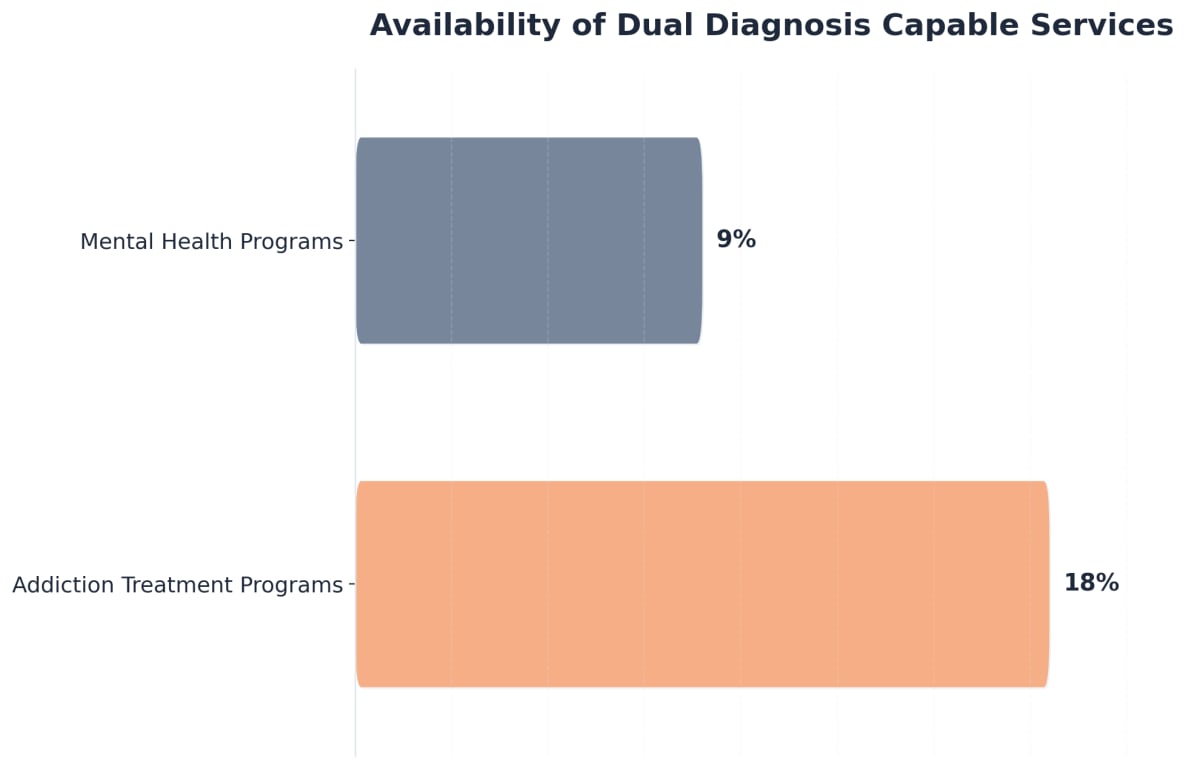
Yet, only 18% of addiction treatment programs and just 9% of mental health programs nationwide are equipped to provide this level of care3.
Practice This: Outline what an ideal dual diagnosis care plan would look like for your own recovery. Consider how you’d coordinate anxiety and substance use interventions for better outcomes.
Skill Checkpoint: You’re ready for the next level when you can spot gaps in care and advocate for integrated solutions within rehab programs for anxiety and substance use Texas teams rely on.
Next, explore how evidence-based therapies create a stronger foundation for dual diagnosis recovery.
Evidence-Based Treatment Approaches in Rehab Programs for Anxiety and Substance Use Texas
Therapeutic Modalities That Address Both
What you’ll learn: This section explores how specific therapies address the intertwined nature of anxiety and substance use, equipping you to understand approaches that foster recovery on both fronts. How you’ll know you’ve learned it: You’ll know you’ve learned it when you can describe the advantages of integrated modalities and confidently seek them out for your dual diagnosis care.
The internal struggle of using substances to quiet anxiety can feel relentless—worry and emotional pain seem to demand immediate relief, and traditional therapies often address just one side of the problem.
“Effective recovery requires treating the whole person, acknowledging that the mind’s attempt to soothe itself through substances is a symptom of a deeper need for safety and balance.”
Evidence shows that effective rehab programs for anxiety and substance use Texas providers trust utilize therapeutic modalities built for this complexity1.
Cognitive Behavioral Therapy (CBT) stands out for its ability to break the self-reinforcing cycle: it helps individuals challenge anxious thought patterns while also building new routines to resist cravings10. Dialectical Behavior Therapy (DBT) adds skills for emotional regulation and distress tolerance, supporting those whose anxiety triggers impulsive substance use.
For clients with trauma histories, Eye Movement Desensitization and Reprocessing (EMDR) can help reduce the emotional charge of past events that drive both anxiety and substance use1.
Practice This: Review your own experiences where anxiety and substance use co-occurred. Map out which therapeutic modality (CBT, DBT, EMDR) sounds like it best addresses your intersecting needs.
Skill Checkpoint: You’re ready for the next level when you can explain to a loved one why integrating these therapies leads to better outcomes than a single-focus approach.
These evidence-based therapies form the core of integrated treatment, but medication-assisted care often plays an essential supporting role—next, we’ll examine how pharmacological options fit into dual diagnosis recovery.
Medication-Assisted Treatment Considerations
What you’ll learn: This section examines how medication-assisted treatment (MAT) fits into integrated care for anxiety and substance use, including both its benefits and complexities. How you’ll know you’ve learned it: You’ll know you’ve learned it when you can outline best practices for MAT in dual diagnosis and recognize when medication choices require extra caution.
For individuals struggling with anxiety and substance use, the internal battle often includes a desire for immediate relief—something medications can sometimes provide. However, this relief is nuanced. While MAT (such as buprenorphine or methadone for opioid use disorder) is proven to reduce mortality and support long-term recovery, its use in the context of co-occurring anxiety requires careful assessment.
Research shows that at least some brain changes from substance use can improve with sustained abstinence, making MAT an essential bridge to stability for many9.
Understanding Medication Interactions (Click to Expand)
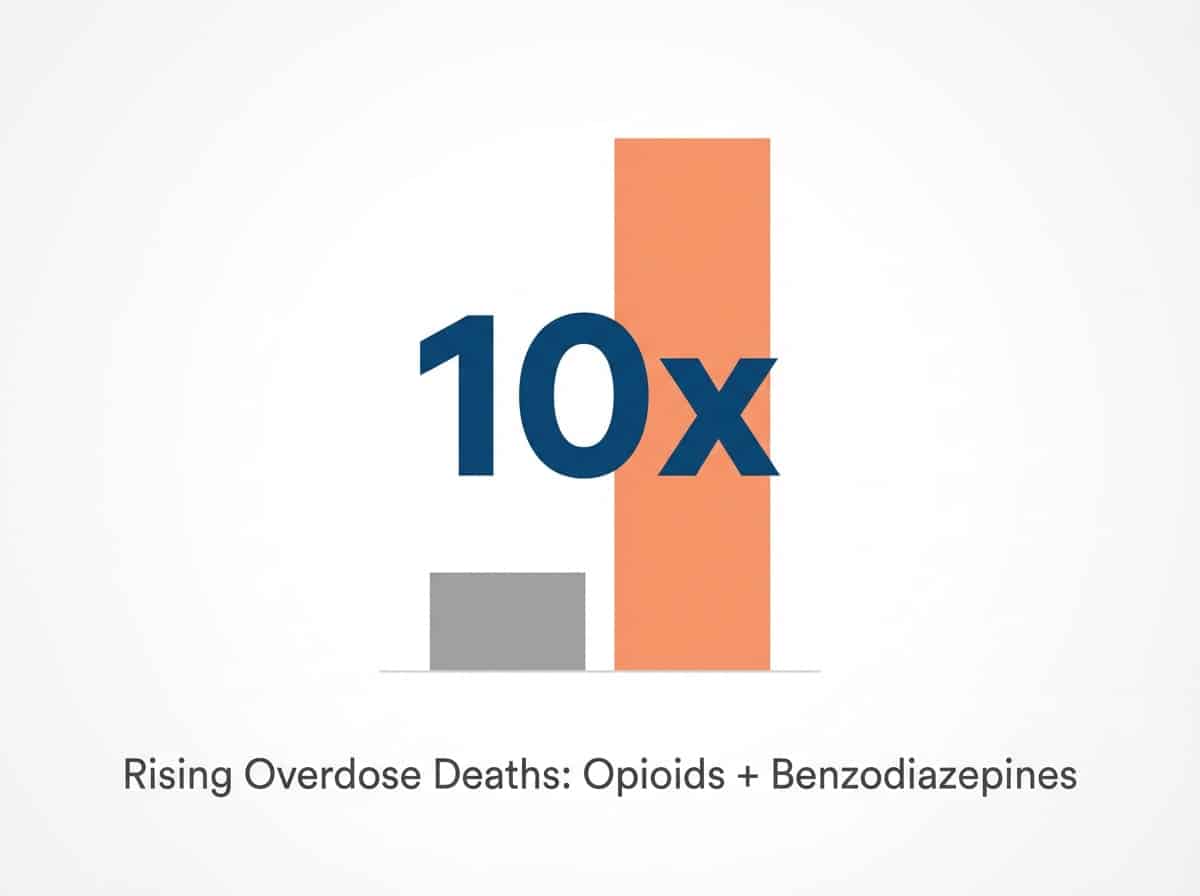
Specific medications—especially benzodiazepines, commonly prescribed for anxiety—carry significant risks when combined with opioids or other substances. Nearly 14% of opioid overdose deaths also involve benzodiazepines, and the overdose death rate for those prescribed both is ten times higher compared to those on opioids alone4.This highlights the need for rehab programs for anxiety and substance use Texas professionals trust to prioritize medication management, choosing alternatives where possible and closely monitoring for interactions.
Practice This: If you are currently taking medications, create a comprehensive list of everything you take. Map out a conversation with your doctor to ensure your medication management plan balances symptom relief with safety.
Skill Checkpoint: You’re ready for the next level when you can advocate for yourself, ensuring that MAT protocols adapt for your dual diagnosis—protecting both your mental health and physical safety.
With medication management addressed, the next step is building practical coping skills that empower long-term change.
Building Sustainable Coping Mechanisms
Practical Skills for Managing Triggers
What you’ll learn: This section focuses on actionable coping strategies for managing both anxiety and substance use triggers. How you’ll know you’ve learned it: You’ll know you’ve learned it when you can describe tools that interrupt the urge to self-medicate and support long-term resilience.
The urge to use substances as a way to quiet anxiety is often automatic. When stress or panic surfaces, the brain remembers that substances once brought relief, creating a powerful pull back toward old habits. The most effective rehab programs for anxiety and substance use Texas professionals recommend consistently teach clients to recognize these moments, pause, and apply practical skills instead.
For example, grounding techniques like the 5-4-3-2-1 method help shift focus from overwhelming thoughts to immediate sensory experiences, diminishing the grip of anxiety. Structured breathing—such as four-count box breathing—can also lower physiological arousal, providing a buffer between trigger and reaction10.
Skill-building in these settings often includes role-playing high-risk scenarios, developing assertive refusal language, and planning safe exits from stressful situations. Journaling and mood tracking allow you to spot patterns and intervene before escalation. Importantly, practicing these skills in real-life contexts, not just in therapy, increases the likelihood of sustained recovery10.
Practice This: Create a personal coping toolkit. Include one grounding exercise, one breathing technique (like inhaling for 4s, holding for 4s, exhaling for 4s), and a written plan for handling a known trigger.
Skill Checkpoint: You’re ready for the next level when you can individualize and adapt these tools within your own recovery journey without hesitation.
Building these practical coping skills sets the stage for a more holistic, whole-person approach to healing.
Holistic Integration for Whole-Person Healing
What you’ll learn: This section explores how whole-person healing strengthens recovery from both anxiety and substance use. How you’ll know you’ve learned it: You’ll know you’ve learned it when you can outline holistic practices that complement evidence-based care and support sustained well-being.
Recovery from co-occurring anxiety and substance use is not just about symptom management or avoiding relapse—it’s about building a life where mental, physical, and emotional health are all supported. Holistic integration means blending traditional therapies with lifestyle and wellness practices, so you can discover new ways to feel grounded and resilient.
Research increasingly supports the value of incorporating activities such as yoga, mindfulness meditation, and nutrition-focused interventions alongside cognitive and behavioral therapies1. These elements not only reduce stress and emotional reactivity but also help restore a sense of agency and self-connection—essential for those whose internal struggles once led them toward substance use as a coping tool.
Community support is another core piece of holistic care. Group activities, peer engagement, and family involvement create accountability and belonging, reinforcing the coping skills built in clinical settings. Top-tier rehab programs for anxiety and substance use Texas clinicians recommend often feature structured holistic components, making them more effective across diverse populations and cultural backgrounds1.
Practice This: Design a holistic self-care plan for yourself. Include one physical activity, one mindfulness practice, and a strategy to involve supportive friends or family members.
Skill Checkpoint: You’re ready for the next level when you can adapt holistic strategies to match your unique strengths, culture, and recovery goals.
Holistic integration lays a strong foundation—next comes maintaining stability through continued care and support.
Long-Term Stability Through Continuum Care at Rehab Programs for Anxiety and Substance Use Texas
Aftercare and Alumni Support Systems
What you’ll learn: This section explores how aftercare and alumni support help sustain progress after formal treatment for anxiety and substance use. How you’ll know you’ve learned it: You’ll know you’ve learned it when you can outline key features of effective long-term support systems for dual diagnosis recovery.
For individuals using substances to manage anxiety, the transition from structured treatment back to daily life is often filled with uncertainty. Even after mastering coping skills in rehab programs for anxiety and substance use Texas professionals trust, the risk of relapse remains high—especially when old triggers resurface or support networks wane.
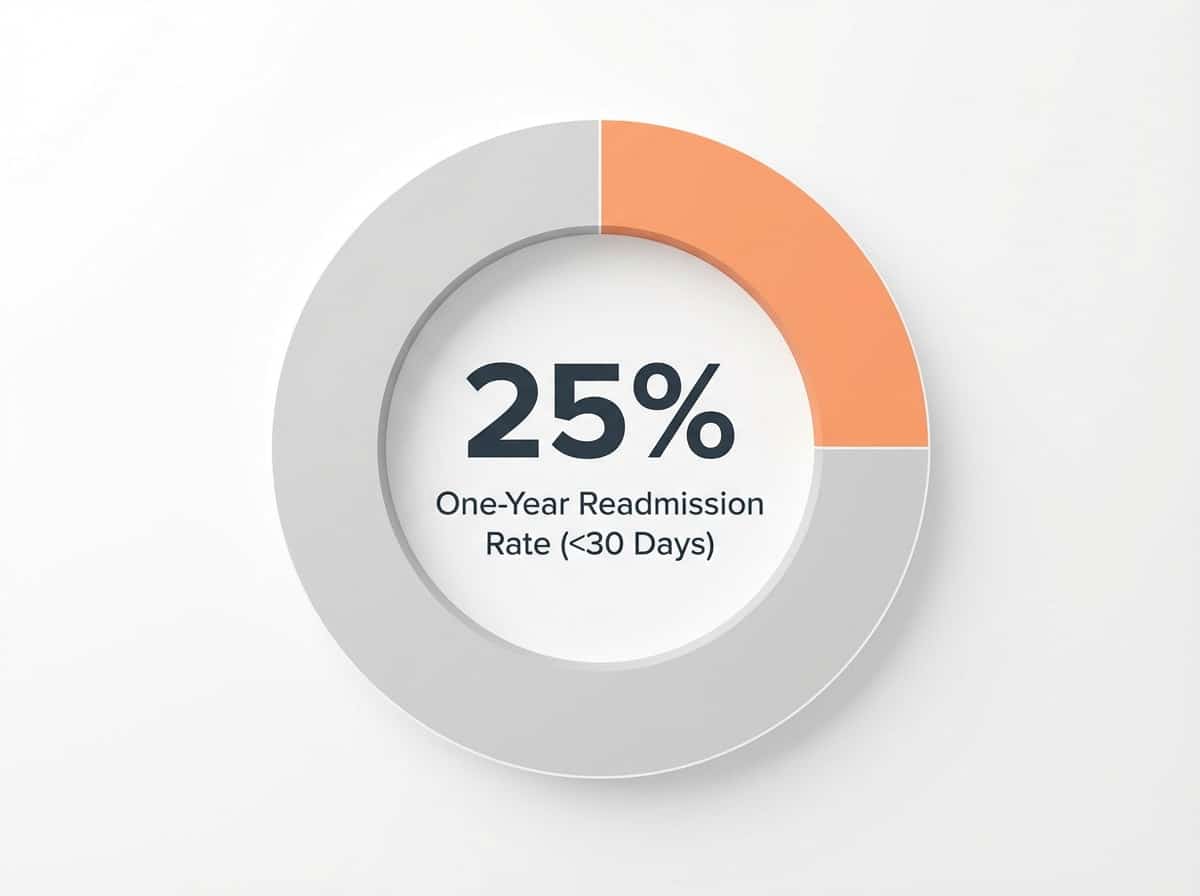
Research shows that patients with stays shorter than 30 days have a 25% readmission rate within one year, highlighting the importance of extended support beyond discharge7.
Aftercare programs, including alumni groups and ongoing therapy, provide a vital safety net. Regular check-ins, peer-led meetings, and access to mental health resources allow you to process setbacks, celebrate successes, and maintain accountability. Alumni support fosters a sense of belonging and shared purpose, reducing isolation and reinforcing new, healthier routines.
For those with co-occurring disorders, integrated aftercare helps ensure that both anxiety and substance use challenges continue to be addressed together.
Practice This: Draft an aftercare plan for your transition home. Include peer support options, scheduled follow-ups with therapists, and strategies for handling unexpected setbacks.
Skill Checkpoint: You’re ready for the next level when you can evaluate and adapt your aftercare systems to enhance your long-term outcomes and meet your complex needs.
Next, consider the practical steps you will take as you navigate life after residential treatment.
Navigating Life After Residential Treatment
What you’ll learn: This section details how you can maintain recovery momentum, manage anxiety, and address substance use triggers after leaving residential care. How you’ll know you’ve learned it: You’ll know you’ve learned it when you can outline strategies for ongoing stability and recognize signs that additional support may be needed.
Transitioning out of residential treatment is both a milestone and a new challenge. Many individuals who used substances to cope with anxiety discover that daily life—work, relationships, and unexpected stressors—can reignite old patterns. The structure of rehab programs for anxiety and substance use Texas providers recommend often gives way to the unpredictability of independent living.
Without intentional planning, the risk of relapse or symptom resurgence increases, especially in the first year post-discharge7.
To navigate this period successfully, practitioners encourage continuing evidence-based therapy, maintaining regular peer or alumni connections, and practicing daily coping skills learned in treatment. Mindfulness routines, scheduled self-check-ins, and clear crisis plans all help you monitor your own well-being and act before anxiety or cravings escalate.
Research supports that longer durations of structured support—such as ongoing outpatient care—significantly reduce readmission rates and improve long-term outcomes7.
Practice This: Develop a transition checklist for yourself. Include daily routines, signs of escalating anxiety, and steps to access prompt support if you feel overwhelmed.
Skill Checkpoint: You’re ready for the next level when you can individualize these strategies and adjust them as your recovery journey evolves over time.
Integrated care doesn’t end at discharge; knowing where to find local, ongoing support is a critical next step.
Frequently Asked Questions
What makes dual diagnosis treatment different from standard substance use treatment?
Dual diagnosis treatment is distinct from standard substance use treatment because it addresses both anxiety and substance use disorders at the same time, rather than focusing on just one. People who use substances to cope with anxiety often find their symptoms and substance use tightly connected, making single-focus approaches less effective. Integrated care uses therapies like CBT, DBT, and trauma-informed practices to target both conditions together, while closely monitoring medication interactions and supporting whole-person wellness. Only about 18% of addiction programs and 9% of mental health programs nationwide are equipped to offer this level of dual diagnosis care 3.
How long does integrated treatment for anxiety and substance use typically last?
Integrated treatment for anxiety and substance use is highly individualized, but most rehab programs for anxiety and substance use Texas professionals utilize recommend a minimum of several months of continuous support. Residential care often ranges from 30 to 90 days, followed by intensive outpatient or ongoing therapy that may last six months to a year or longer. Research indicates that stays shorter than 30 days are linked to a 25% readmission rate within a year, highlighting the importance of extended, multi-phase care for sustained results 7. Long-term recovery is best supported when clients have access to aftercare, alumni programs, and regular check-ins.
Can anxiety medications be safely prescribed during substance use recovery?
Anxiety medications can be prescribed during substance use recovery, but the process requires careful assessment and close monitoring. Certain medications, like selective serotonin reuptake inhibitors (SSRIs), are generally considered safe and effective for managing anxiety in individuals with a history of substance use. However, sedative medications, especially benzodiazepines, carry a high risk for misuse and can be dangerous when combined with opioids—nearly 14% of opioid overdose deaths involve benzodiazepines, and the risk of fatal overdose is ten times higher when both are taken together 4. Rehab programs for anxiety and substance use Texas clinicians trust emphasize individualized medication management, prioritizing non-addictive options and ongoing collaboration among mental health and addiction specialists.
What happens if anxiety symptoms worsen during early recovery?
It’s not uncommon for anxiety symptoms to intensify during early recovery, especially for those who previously relied on substances for relief. The sudden removal of self-medication can leave individuals feeling exposed, with heightened worry, panic, or restlessness. Rather than viewing this as a setback, it’s recognized within integrated care as a normal—and temporary—phase of adjustment. Rehab programs for anxiety and substance use Texas clinicians recommend often respond by increasing therapeutic support, teaching new coping strategies, and sometimes adjusting medication under close supervision. Open communication with providers ensures that anxiety is managed safely, reducing the risk of relapse and supporting long-term recovery 1.
How do telehealth options compare to in-person dual diagnosis treatment?
Telehealth options for dual diagnosis care have become a vital resource, particularly for individuals managing both anxiety and substance use. Research shows that telemedicine can achieve outcomes similar to in-person care, with some studies reporting higher one-year treatment retention rates—50% for telemedicine versus 39% for in-person care among opioid-dependent patients 5. Telehealth reduces barriers like travel and scheduling, expanding access to rehab programs for anxiety and substance use Texas professionals recommend. While virtual therapy offers flexibility, in-person settings may better support those needing intensive monitoring or experiencing significant social isolation. The best approach often involves a hybrid model, allowing care to be tailored to each client’s needs.
What percentage of treatment programs are truly equipped for dual diagnosis care?
Only a small fraction of treatment programs are truly prepared to support clients with both anxiety and substance use disorders. National data reveals that just 18% of addiction treatment programs and 9% of mental health programs meet the criteria for dual diagnosis capable care 3. This means most facilities lack the integrated resources and expertise needed for complex cases, leaving many individuals with co-occurring disorders at risk of falling through the cracks. For Texas professionals seeking rehab programs for anxiety and substance use Texas residents can trust, finding centers equipped for dual diagnosis remains a critical challenge.
Finding Integrated Care in Central Texas
If you’ve been using substances to cope with anxiety, you’re not alone—and you don’t have to face this struggle by yourself. Many people find themselves caught in a difficult cycle: anxiety becomes overwhelming, substances provide temporary relief, but ultimately both the anxiety and substance use intensify together.
When you’re using substances to cope with anxiety, it can feel like you’re trapped between two problems that feed each other. The good news is that specialized dual diagnosis rehab addresses both conditions simultaneously, breaking this cycle at its foundation rather than treating just one piece of the puzzle.
Ripple Ranch Recovery, located in Spring Branch, Texas, serves individuals throughout the Austin and San Antonio areas who are navigating this exact challenge. Our dual diagnosis rehab program recognizes that when you’re using substances to cope with anxiety, you need more than traditional addiction treatment—you need integrated care that understands how these conditions intertwine.
Our 20+ acre facility offers a comprehensive continuum of care, from medically supervised detox through residential treatment and outpatient services, allowing your recovery to progress at the pace that’s right for you. We combine evidence-based therapies like cognitive behavioral therapy and dialectical behavior therapy with holistic approaches including mindfulness practices, yoga, and nutrition support—all designed to help you develop healthier coping mechanisms when anxiety arises.
When you’re ready to explore treatment options, look for programs that offer personalized care plans, accept your insurance, and provide strong aftercare support to sustain your long-term recovery. If you’ve been using substances to cope with anxiety, reaching out for help is the first step toward breaking free from both struggles.
The right dual diagnosis environment, like the rehab programs for anxiety and substance use Texas residents trust at Ripple Ranch, can truly transform your recovery journey, giving you the tools to manage anxiety without turning to substances and building a foundation for lasting wellness.
References
- Comorbidity of anxiety and substance use disorders: A narrative review of the recent evidence and potential biological mechanisms. https://www.frontiersin.org/journals/psychiatry/articles/10.3389/fpsyt.2023.1118944/full
- Alcohol Use Among Persons With Social Anxiety Disorder: A National Epidemiologic Survey on Alcohol and Related Conditions. https://pubmed.ncbi.nlm.nih.gov/24330229/
- A National Survey of an Integrated Service Model for Persons With Co-Occurring Disorders: The Program for Assertive Community Treatment. https://pubmed.ncbi.nlm.nih.gov/18312586/
- Opioid Crisis and The Black/African American Population. https://nida.nih.gov/research-topics/opioids/opioid-crisis-black-african-american-population
- Telehealth for the Treatment of Serious Mental Illness and Substance Use Disorders. https://www.ncbi.nlm.nih.gov/books/NBK573423/
- SAMHSA Announces National Survey on Drug Use and Health (NSDUH) Results. https://www.samhsa.gov/newsroom/press-announcements/20230104/samhsa-announces-nsduh-results-detailing-mental-illness-substance-use-levels
- Predictors of readmission for substance use disorders: A national survey. https://www.ncbi.nlm.nih.gov/pmc/articles/PMC8903673/
- Association of Psychosocial Treatments for Cocaine Use Disorder With Cocaine Abstinence: A Systematic Review and Meta-analysis. https://jamanetwork.com/journals/jamapsychiatry/fullarticle/2798224
- Brain & Behavior: The Neurobiology of Drug Addiction. https://nida.nih.gov/research-topics/neurobiology/neurobiology-drug-addiction
- Cognitive Behavioral Therapy. https://www.ncbi.nlm.nih.gov/books/NBK470241/