
Key Takeaways for Your Recovery Journey
- Assess Your Needs: Determine if you require immediate symptom stabilization or if you are ready for deep trauma processing through therapies like EMDR.
- Timeline Expectations: Intensive programs can yield results in as little as 3 weeks (15-20 hours/week), while traditional therapy offers flexibility over several months.
- Integrated Approach: If you are managing substance use alongside trauma, dual diagnosis care is statistically shown to improve outcomes for both conditions.
- Actionable First Step: Schedule a consultation with a provider who offers a “trauma-informed” assessment to build a safety plan before diving into memory processing.
Understanding PTSD and Its Impact
What PTSD Really Looks Like
PTSD does not always appear as the classic image of flashbacks or nightmares. For many, it manifests as ongoing anxiety, trouble sleeping, irritability, or feeling numb and disconnected from loved ones. Finding the right PTSD support San Antonio offers starts with recognizing that these symptoms are natural responses to overwhelming events, not signs of personal failure. Some individuals may relive distressing memories unexpectedly, while others actively avoid reminders of what happened.
In daily life, PTSD can create significant hurdles. You might find it difficult to trust others, concentrate at work or school, or engage in social activities you once enjoyed. It is important to understand the scope of this condition:1
- Prevalence: Nearly 3.6% of U.S. adults experience PTSD each year.
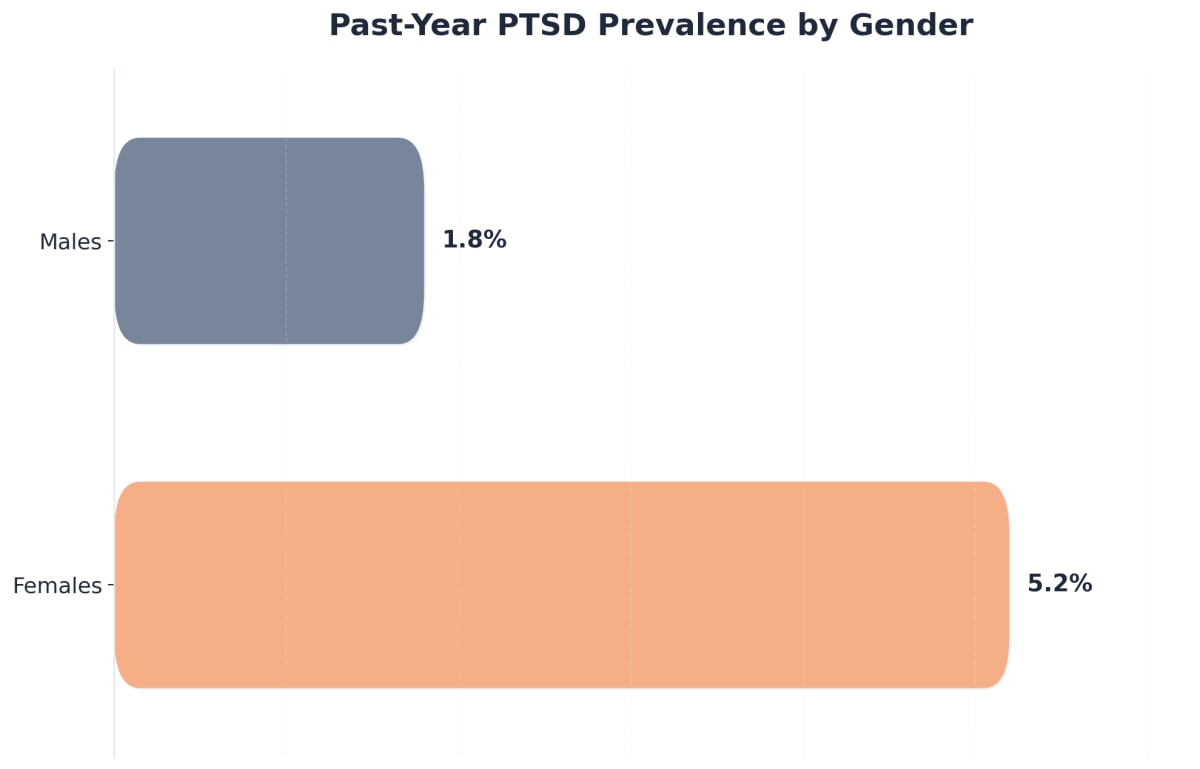
- Gender Differences: Women are affected at almost three times the rate of men (5.2% compared to 1.8%).
- Severity: About one-third of adults report serious life impairment, while others experience moderate to mild disruption.
Recognizing PTSD is often the first step toward healing. Symptoms can appear soon after trauma or surface months or even years later. Every person’s experience is unique, but no one has to face these challenges alone. Understanding how PTSD shows up is essential before exploring which therapies and supports can help foster true recovery.
When Trauma Intersects with Substance Use
Trauma and substance use often intersect in ways that can complicate both healing and daily life. Many people coping with post-traumatic stress turn to alcohol or drugs in an effort to numb emotional pain, manage anxiety, or simply to find relief from relentless memories. This link is not uncommon, and research shows that those living with both PTSD and substance use challenges often face a more complex path than those with either condition alone.
Individuals with both PTSD and substance use disorders may experience higher rates of chronic health problems, difficulties in relationships, and an increased risk of self-harm or legal issues.5
Integrated care that addresses both trauma and substance use at the same time has been shown to produce better outcomes, with greater improvements in mental health and daily functioning compared to treating each condition separately. This approach works best when treatment teams understand how trauma and substance use can reinforce each other and tailor support accordingly. PTSD support San Antonio providers are increasingly adopting these integrated models, helping individuals regain a sense of safety and control while reducing the likelihood of relapse or ongoing distress.6
When trauma and substance use overlap, targeted, compassionate support can create meaningful change. Next, we’ll explore some of the most effective evidence-based therapies for addressing PTSD in a supportive and structured setting.
Evidence-Based PTSD Support San Antonio Options
Trauma-Focused Therapies That Work
Checklist: Is a trauma-focused therapy right for you?
- Are you seeking structured tools to address distressing memories?
- Do you want a well-researched approach with strong success rates?
- Are you open to working with a therapist to process trauma directly?
If you answered yes to most questions, trauma-focused therapies may be a beneficial path.
Trauma-focused therapies are the gold standard for PTSD support San Antonio residents can trust. These approaches help people process traumatic memories, reduce symptoms, and regain a sense of control. Three leading methods stand out for their effectiveness:
| Therapy Type | Primary Focus | Key Outcome Data |
|---|---|---|
| Cognitive Behavioral Therapy (CBT) | Practical strategies to challenge unhelpful thoughts and face avoided situations. | Over 90% of youth in one trial no longer met PTSD criteria after CBT. |
| EMDR | Guided eye movements combined with recalling traumatic events to reprocess memories. | Highest recommendation from the VA; effective for those preferring less verbal processing. |
| Prolonged Exposure (PE) | Safely revisiting trauma memories in a controlled environment to reduce fear. | Over 60% of participants report meaningful symptom improvement in intensive formats. |
This path makes sense for those seeking results-driven, structured care. Next, readers can explore whether an intensive or traditional treatment format is the best fit for their needs.
Intensive vs. Traditional Treatment Formats
Decision Guide: Which format suits your situation?
- Intensive Formats: Best if you prefer rapid results and can commit several hours each week.
- Traditional Weekly Sessions: Best if you need flexibility or have ongoing work/family roles.
PTSD support San Antonio options now include both intensive and traditional treatment formats. Intensive programs condense therapy into daily or near-daily sessions over two to four weeks. This approach builds momentum, minimizes avoidance, and allows for focused progress. In a landmark study at UT Health San Antonio, over 60% of participants in a three-week intensive program experienced significant symptom reduction, and more than half achieved long-term remission of PTSD diagnosis. This approach is ideal for those ready to dedicate time up front for potentially faster relief.2
Traditional formats, by contrast, involve weekly therapy sessions—commonly stretching over several months. This method works when ongoing responsibilities require a slower pace, or when a gradual approach feels less overwhelming. Many find the extended timeline supports integration of coping skills into daily life, which can be especially helpful for those balancing treatment with work or family.
Resource requirements differ significantly. Intensive programs may demand up to 15-20 hours per week, while traditional sessions typically require 1-2 hours weekly. Both formats use evidence-based therapies, but scheduling and support structure are key decision points. Consider the intensive method if you have a strong support system and can pause other commitments. The traditional solution fits people who need more flexibility or who benefit from long-term support networks.
Integrated Care for Complex Recovery Needs
Dual Diagnosis Treatment Approaches
Dual diagnosis treatment is essential for individuals facing both post-traumatic stress and substance use challenges. The most effective care models use an integrated approach, where teams address trauma and substance use together, not in isolation. Research shows that people with both PTSD and substance use concerns often experience more severe symptoms, ongoing health issues, and greater difficulty in daily life compared to those dealing with just one condition.5
Integrated programs—sometimes called “concurrent treatment”—blend evidence-based trauma therapies like Cognitive Behavioral Therapy (CBT) or Prolonged Exposure with substance use interventions. This combination can lead to significantly better outcomes for both PTSD and substance use symptoms than treating each issue separately. For example, a dual diagnosis approach might offer trauma-focused therapy sessions alongside relapse prevention and motivational interviewing, ensuring that care for PTSD and substance use is coordinated and responsive.6
This approach is ideal for those who find that substance use is closely tied to traumatic experiences. It also suits individuals who have tried single-focus treatment in the past without lasting results. Coordinated dual diagnosis care typically requires a multidisciplinary team—often including mental health therapists, medical providers, and peer support. Programs may run for several weeks or months, with time commitments ranging from a few hours weekly to more intensive schedules, depending on need.
Holistic and Trauma-Informed Care
Tool: Holistic Recovery Self-Assessment
- Do you feel your recovery needs extend beyond talk therapy?
- Are you interested in approaches that nurture mind, body, and spirit?
- Do you want care that honors your cultural, spiritual, or family values?
If you answered yes to any, holistic and trauma-informed care may offer meaningful benefits.
Holistic and trauma-informed care recognizes that healing from trauma is not just about managing symptoms—it’s about restoring safety, connection, and empowerment across all aspects of life. Programs offering PTSD support San Antonio residents trust often combine evidence-based therapies with additional resources such as yoga, mindfulness, nutrition counseling, and art therapy. These approaches work together to promote nervous system regulation, help rebuild a sense of self, and support lasting recovery.8
Trauma-informed care frameworks emphasize physical and emotional safety, collaboration with clients, and cultural competence. Research shows that when people feel safe, respected, and in control, they’re more likely to engage in treatment and experience better outcomes. Spirituality, peer support, and family involvement are also increasingly integrated, responding to the diverse needs of those seeking healing.8,9
Opt for this framework when you’re seeking support that addresses your full experience—body, mind, and social context. Holistic, trauma-informed care can be especially valuable for those who have found traditional treatment too narrow or who want to build resilience in all areas of life.
Finding PTSD Support San Antonio Residents Trust
Evaluating Treatment Programs and Providers
When evaluating PTSD support San Antonio programs, it is vital to ensure providers use therapies with proven results. National guidelines recommend EMDR and trauma-focused CBT, both of which show strong success rates in reducing PTSD symptoms. Additionally, programs that integrate holistic and trauma-informed principles—such as collaboration, respect, and flexible approaches—have been shown to increase engagement and improve results.3,8
Use this checklist to evaluate potential providers:
- Evidence-Based Training: Are staff trained in therapies like EMDR, CBT, or Prolonged Exposure?
- Safety Priority: Does the program offer trauma-informed care and prioritize your sense of safety?
- Cultural Adaptation: Are services adapted for cultural, spiritual, or family needs?
- Support Options: Can you access both individual and group support options?
- Transparency: Are outcomes tracked and shared transparently?
Transparency is key. Trustworthy providers share information about staff qualifications, program structure, and how they track success. Be sure to ask about peer support, opportunities for family involvement, and whether the program regularly adapts to new research. This approach works best when you seek care that addresses your unique needs, honors your values, and demonstrates a clear commitment to evidence-based practices.
Flexible Care Options for Your Situation
PTSD support San Antonio services now reflect the diverse realities of people’s lives. Flexible care means you can access help through a variety of formats—whether you need in-person visits, telehealth sessions, or a combination. Telehealth for trauma-focused therapies has been shown to be just as effective as in-person treatment, allowing individuals to receive high-quality care from home or on their schedule. Evening and weekend appointments, as well as hybrid programs, let you fit treatment around your commitments.7
Use this decision tree to find the right fit:
- Need support outside standard business hours? Consider programs offering evening or weekend sessions.
- Prefer privacy or have transportation barriers? Telehealth may suit you best.
- Looking for community and peer connection? Group therapy options might be ideal.
- Balancing work, school, or family? Outpatient care with flexible scheduling can help.
Group sessions offer opportunities to connect with others who understand your journey, while individual therapy provides privacy and focus on your unique challenges. Both options are often available within a single program, making it easier to tailor your care. This path makes sense for anyone who needs treatment options that adapt to changing work, family, or health demands.
Frequently Asked Questions
How long does PTSD treatment typically take to show meaningful results?
PTSD treatment can show meaningful results in as little as three weeks for some individuals, especially in intensive therapy formats. A landmark study at UT Health San Antonio found over 60% of participants experienced significant symptom reduction and more than half achieved long-term remission after a three-week intensive program. For others, especially in traditional weekly therapy, noticeable improvement may take a few months. Factors such as the severity of symptoms, additional mental health needs, and personal goals can influence the timeline. Consistent participation in PTSD support San Antonio programs—whether intensive or ongoing—offers real hope for progress and lasting relief.2
Can I receive PTSD support San Antonio services while maintaining my job and family responsibilities?
Yes, you can receive PTSD support San Antonio services while continuing to work and care for your family. Many programs are intentionally designed to fit real-life schedules, offering options such as evening or weekend sessions, telehealth appointments, and flexible outpatient care. Research has shown that telehealth for trauma-focused therapies is just as effective as in-person treatment, making it easier for people to access care without disrupting work or home life. Group and individual therapy choices allow each person to select what works best for their commitments, so healing can progress alongside daily responsibilities.7
What if I’ve tried therapy before and it didn’t help my trauma symptoms?
If therapy did not help your trauma symptoms in the past, you are not alone. Research shows that up to half of individuals may not fully respond to an initial course of Cognitive Behavioral Therapy (CBT) for PTSD, due to factors like trauma history, co-occurring conditions, or the specific type of therapy used. The good news is that there are multiple evidence-based approaches within PTSD support San Antonio programs—including EMDR, Prolonged Exposure, and holistic, trauma-informed care. Trying a different therapy, adjusting the treatment format (such as intensive or group-based care), or integrating new supports may lead to better results. Recovery often requires flexibility and persistence.4
Is it safe to address trauma if I’m still struggling with substance use?
Yes, it can be safe—and often beneficial—to address trauma even if substance use is still a challenge, as long as care is provided in an integrated, supportive setting. Research has found that treating PTSD and substance use together, rather than separately, leads to better outcomes and does not worsen substance use symptoms. Programs offering PTSD support San Antonio residents trust use dual diagnosis approaches, where trauma therapy and substance use support are coordinated. This method recognizes that both concerns are interconnected and that healing can happen on both fronts, especially when delivered by experienced, trauma-informed teams.5,6
How do I choose between EMDR, Prolonged Exposure, and other trauma therapies?
Choosing between EMDR, Prolonged Exposure, and other trauma therapies depends on your needs, preferences, and symptoms. EMDR (Eye Movement Desensitization and Reprocessing) is highly recommended by leading clinical guidelines and is especially effective for those who prefer less verbal processing of traumatic memories. Prolonged Exposure (PE) therapy is effective for individuals ready to gradually confront distressing memories in a safe, structured way, with over 60% reporting meaningful symptom relief after intensive programs. Cognitive Behavioral Therapy (CBT) is another strong option, particularly if you value practical strategies for managing thoughts and behaviors. PTSD support San Antonio providers can help you assess which approach fits your personal goals and comfort level.2,3,4
Will my family be involved in my PTSD support San Antonio treatment plan?
Family involvement is often encouraged in PTSD support San Antonio treatment plans, as research shows that strong support networks can improve engagement and outcomes in trauma recovery. Many programs offer opportunities for loved ones to participate in education sessions, family therapy, or support groups, all designed to foster understanding and healthy communication. The level of family involvement is guided by your preferences and needs; some individuals invite loved ones to actively join, while others prefer a more private approach. Trauma-informed care frameworks specifically recognize the value of family and community—supporting not only the individual but also those closest to them.8
Can telehealth provide the same level of care as in-person PTSD treatment?
Yes, telehealth can provide the same level of care as in-person PTSD treatment for many individuals. Research comparing in-person and telehealth mental health care found no significant differences in symptom reduction or improvements in quality of life between the two approaches. Telehealth allows people to access evidence-based therapies such as Cognitive Behavioral Therapy and EMDR from the comfort of their own home, making PTSD support San Antonio services more accessible and flexible. This option is especially helpful for those with transportation challenges, privacy concerns, or busy schedules. When delivered by trained professionals, telehealth is a reliable and effective route for PTSD recovery.7

Your Path Forward: Taking the First Step
Recovery begins with a single decision—the choice to reach out for help. While that first step may feel overwhelming, it opens the door to healing and transformation. That first step might look like calling the SAMHSA National Helpline (1-800-662-4357), scheduling an appointment with a primary care doctor, or visiting a treatment locator website like FindTreatment.gov. Each of these actions, however small it may seem, creates forward momentum toward wellness.
Starting the path to recovery doesn’t require having all the answers or feeling completely ready. It simply means acknowledging that support is needed and being willing to explore what’s available. Initial consultations typically involve a confidential conversation about current challenges, treatment history, and personal goals—not judgment or pressure. Many people find it helpful to know that multiple types of support exist: professional treatment programs, peer support groups, online resources, and counseling services. One common barrier—fear of judgment or stigma—often diminishes once individuals discover that treatment providers are trained to offer compassionate, non-judgmental care focused entirely on supporting recovery.
Professional treatment providers understand the courage it takes to seek help. They’re prepared to answer questions, address concerns about cost or insurance coverage, and guide individuals through the process of finding appropriate care matched to specific needs. No one needs to navigate this journey alone. After that initial contact, the next steps become clearer: an assessment helps identify the right level of care, a personalized treatment plan takes shape, and a support network begins to form. The path forward becomes clearer with each action taken, and lasting change becomes possible when support is embraced.
Contact rippleranch.com today to learn how our evidence-based treatment approaches can help you reclaim your health, restore your relationships, and build the fulfilling life you deserve.
References
- Post-Traumatic Stress Disorder (PTSD) – National Institute of Mental Health. https://www.nimh.nih.gov/health/statistics/post-traumatic-stress-disorder-ptsd
- Treatment for Combat-Related PTSD Advances with Method Shown to be Fast and Effective – UT Health San Antonio. https://news.uthscsa.edu/treatment-for-combat-related-ptsd-advances-with-method-shown-to-be-fast-effective/
- Eye Movement Desensitization and Reprocessing (EMDR) for PTSD – VA National Center for PTSD. https://www.ptsd.va.gov/professional/treat/txessentials/emdr_pro.asp
- Cognitive Behavioral Therapy for the Treatment of Post-Traumatic Stress Disorder – NIH/PMC. https://pmc.ncbi.nlm.nih.gov/articles/PMC3083990/
- Posttraumatic Stress Disorder and Co-Occurring Substance Use Disorders – NIH/PMC. https://pmc.ncbi.nlm.nih.gov/articles/PMC3811127/
- Integrated vs Non-Integrated Treatment Outcomes in Dual Diagnosis – NIH/PMC. https://pmc.ncbi.nlm.nih.gov/articles/PMC10157410/
- Comparing Efficacy of Telehealth to In-Person Mental Health Care – NIH/PMC. https://pmc.ncbi.nlm.nih.gov/articles/PMC5747539/
- s-CAPE Trauma Recovery Program: The Need for a Holistic Approach – NIH/PMC. https://pmc.ncbi.nlm.nih.gov/articles/PMC11578950/
- Addressing Religious or Spiritual Dimensions of Trauma and PTSD – VA PTSD Center. https://www.ptsd.va.gov/professional/treat/txessentials/spirituality_trauma.asp
- Dialectical Behaviour Therapy for Posttraumatic Stress Disorder (DBT-PTSD) – NIH/PMC. https://pmc.ncbi.nlm.nih.gov/articles/PMC9848310/