
Key Takeaways
- The Core Challenge: Figuring out how to know if your child is struggling with addiction requires paying close attention to subtle behavioral, physical, and psychological shifts.
- Dual Diagnosis Treatment: Best for adult children facing both substance use and mental health challenges, offering integrated, whole-person care.
- Setting Healthy Boundaries: Best for parents who want to support their loved one’s recovery journey without unintentionally enabling destructive behaviors.
- Comprehensive Care Continuum: Best for ensuring long-term success through a structured path of residential treatment, outpatient programs, and dedicated aftercare.
Recognizing the Warning Signs: How to Know if Your Child is Struggling with Addiction
Behavioral and Social Changes to Monitor
Witnessing changes in your adult child’s behavior can raise difficult questions about their well-being. If you are researching how to know if your child is struggling with addiction, paying close attention to shifts in their daily habits and social interactions is key. Substance use challenges rarely happen overnight—subtle behavioral and social signs tend to appear first, often before the individual is ready to ask for help.
Common warning signs include increased secrecy, such as being evasive about their plans or whereabouts, and withdrawing from family or long-standing friendships. You may notice they stop participating in activities they once enjoyed, or their friend group changes suddenly—especially if new friends encourage risky behaviors. Neglecting responsibilities, repeated absences from work or school, or declining job performance can also signal a problem5. Unexplained financial troubles, such as frequently borrowing money or missing bill payments, are another red flag.
“Substance use challenges rarely announce themselves all at once; they often whisper through subtle changes in routine, mood, and social circles before they demand attention.”
Significant mood swings, irritability, or defensiveness when asked about their lifestyle may point to underlying struggles. Parents often observe their adult child prioritizing substance use over relationships or obligations. Social isolation—choosing to spend large amounts of time alone or only with those who use substances—is another behavioral pattern to watch for6.
Recognizing these changes early makes a difference, as only 4.3% of those needing treatment actually receive it1. Trust your instincts if something feels off. Documenting patterns over time can help you communicate your concerns clearly and compassionately. If you are documenting these changes to share with a medical professional, you might use a simple digital format. For example, keeping a secure note on your phone can help you track patterns objectively:
Date:
Observation: [e.g., Missed work, unusual fatigue]
Context: [e.g., Happened after a weekend out]
The next section will outline the physical and psychological indicators that often accompany these behavioral changes.
Physical and Psychological Indicators
Physical and psychological changes often go hand-in-hand with substance use, sometimes surfacing before a loved one is ready to admit there’s a problem. For parents wondering how to know if your child is struggling with addiction, being alert to these indicators is just as essential as noticing behavioral shifts.
Physical warning signs may include noticeable weight loss or gain, bloodshot eyes, frequent nosebleeds, tremors, unexplained bruises, or a decline in personal hygiene. Sudden changes in sleep patterns—such as insomnia or excessive sleeping—are also common. Parents may spot persistent fatigue or an unusual lack of energy. Repeated illnesses or complaints of feeling unwell without a clear cause can raise further questions5.
Psychological indicators are sometimes less obvious but equally telling. Increased irritability, anxiety, or episodes of depression may become apparent. Your adult child might show abrupt mood swings, heightened paranoia, or seem emotionally distant. Loss of motivation, difficulty concentrating, or disinterest in activities once enjoyed can all be connected to underlying substance use6.
Click to read more about emotional warning signs
In some cases, you might notice your adult child expressing feelings of hopelessness, worthlessness, or deep shame. These are profound emotional indicators that often accompany both substance use challenges and co-occurring mental health conditions3. Approaching these feelings with empathy rather than judgment is crucial for keeping the lines of communication open.
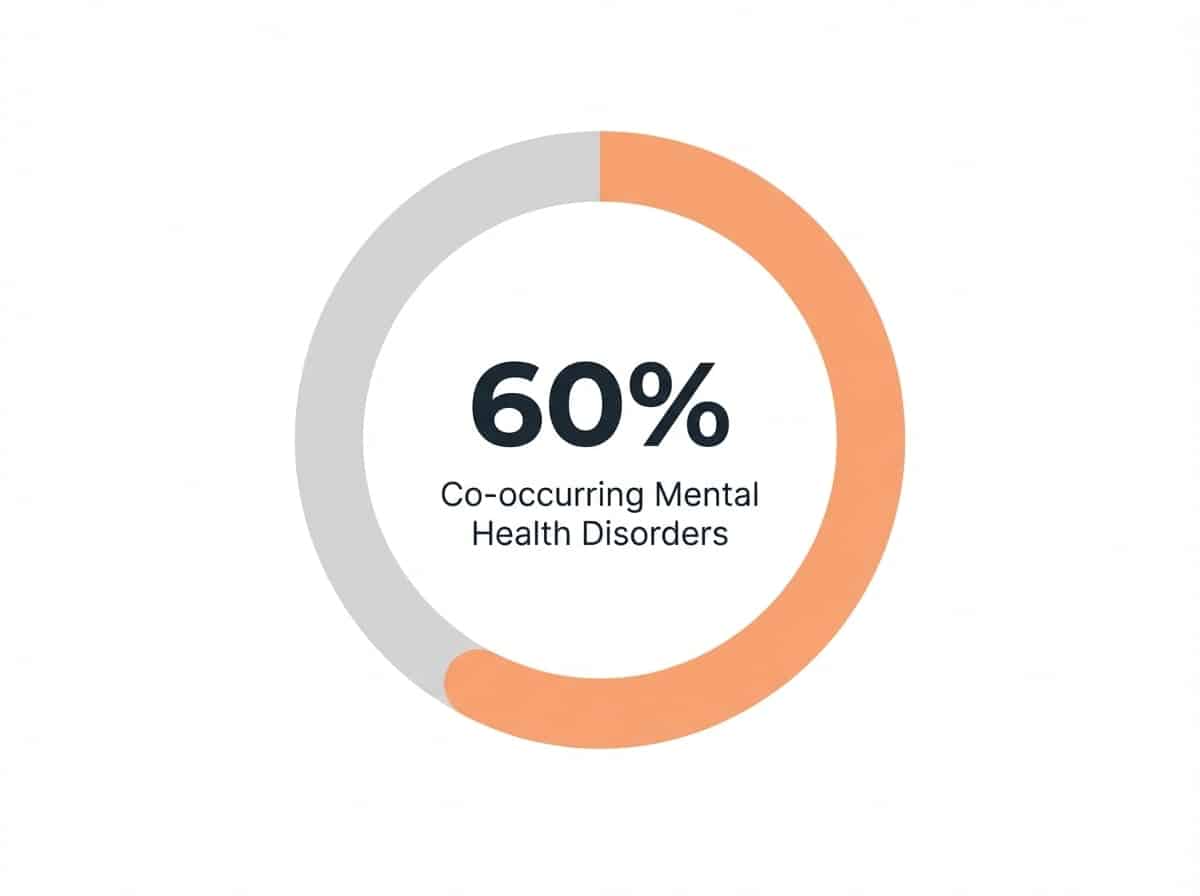
It’s important to remember that these signs do not provide a definitive answer, but when several are present together, they warrant a closer look and a caring conversation. Early recognition opens the door to intervention, especially since nearly 60% of those struggling with substance use also face mental health challenges3.
Next, we’ll explore risk factors and vulnerabilities that can make your adult child more susceptible to these challenges.
Understanding Risk Factors When Figuring Out How to Know if Your Child is Struggling with Addiction
Genetic Predisposition and Family History
For parents trying to understand how to know if your child is struggling with addiction, it’s important to recognize the powerful influence of genetics and family history. Decades of research have shown that genetic factors account for approximately 40-60% of a person’s risk for developing a substance use disorder2. If there is a history of substance use—whether it’s alcohol, prescription medications, or other substances—in your immediate or extended family, your adult child’s vulnerability increases significantly.
Genetic predisposition doesn’t guarantee that someone will develop a dependency, but it can make the brain’s reward system more sensitive to substances and heighten the risk. Environmental factors, such as family dynamics or early exposure to substance use, can further compound this inherited risk2. If you are researching online, using search terms like family history of substance use can yield helpful resources for understanding these genetic links.
Knowing your family’s history is a practical first step. If you recognize patterns of dependency in past generations, you are in a stronger position to spot early warning signs and intervene with compassion rather than judgment. This awareness can also help guide conversations about prevention and treatment options, especially if your adult child is open to discussing family patterns.
The next section will examine how mental health challenges can intersect with these genetic and environmental vulnerabilities, increasing the complexity of the situation.
Co-occurring Mental Health Conditions
Mental health conditions like depression, anxiety, PTSD, and bipolar disorder often go hand in hand with substance use disorders, making it much more complicated for parents to know how to support their adult child. If you are trying to figure out how to know if your child is struggling with addiction, it’s important to realize that nearly 60% of people with substance use challenges also have a co-occurring mental health disorder3. These conditions can drive substance use as a form of self-medication or worsen the effects of the dependency when left untreated.
Common risk factors include a personal or family history of mental illness, recent traumatic experiences, or chronic stress. For example, an adult child dealing with untreated anxiety may use alcohol or substances to soothe their nerves, while someone with PTSD might turn to substances to dull emotional pain. Mood swings, withdrawal from social activities, and difficulties managing daily responsibilities can signal both substance use and underlying mental health struggles3.
When both conditions are present, recovery is more challenging—treating only one can lead to relapse or worsening symptoms. Integrated treatment approaches, like the dual diagnosis programs offered at Ripple Ranch Recovery, are most effective because they address both mental health and substance use at the same time3.
Recognizing the connection between substance use and mental health empowers parents to seek comprehensive help and encourages more open, compassionate conversations with their adult child. Next, we’ll discuss how to distinguish between genuinely supporting your adult child and unintentionally enabling their behaviors.
The Critical Distinction Between Support and Enabling
Common Enabling Behaviors That Prolong Addiction
When trying to determine how to know if your child is struggling with addiction, it’s also crucial for parents to recognize when their efforts to help may unintentionally prolong the problem. Enabling behaviors are actions that, while often rooted in deep love and concern, shield an adult child from experiencing the real consequences of their substance use. These patterns can make it more difficult for someone to acknowledge a problem and seek help.
Common enabling behaviors include:
- Offering financial assistance that may be used to obtain substances.
- Making excuses for missed work, family events, or legal troubles.
- Shielding your adult child from the natural consequences of their actions.
- Ignoring or minimizing the severity of the issue to keep the peace.
- Taking over daily responsibilities that your adult child can manage themselves.
Research shows that enabling not only delays recovery but can deepen the cycle of dependency and codependency within families7. While it’s natural to want to protect your child, removing obstacles or rescuing them from the impact of their choices can prevent them from recognizing the need for change. On the other hand, stepping back and allowing natural consequences to occur—while still expressing care—can encourage accountability and self-reflection.
Recognizing these enabling behaviors is a key step for parents who want to support recovery, rather than unintentionally contributing to ongoing substance use. Next, we’ll discuss how to set healthy boundaries without withdrawing emotional support.
Establishing Healthy Boundaries While Offering Support
Setting healthy boundaries is one of the most powerful ways parents can support an adult child facing substance use challenges, but it can also be one of the most difficult. If you’re working through how to know if your child is struggling with addiction, remember that support does not mean sacrificing your own emotional wellbeing or taking responsibility for another adult’s choices. Boundaries create a safe space for both you and your loved one to heal.
Practical steps include clearly communicating what behaviors you will and will not accept, sticking to consequences consistently, and refraining from rescuing your adult child from the negative outcomes of their substance use. For example, you might say, “I am always here to listen, but I won’t give money that could be used for substances.” Remain compassionate: express care without judgment, avoid blaming language, and remind your child that help is available when they’re ready9.
Healthy boundaries protect families from the exhaustion and resentment that often result from enabling, while also encouraging your adult child to take responsibility. Research shows that families who maintain appropriate boundaries are better equipped to support recovery and reduce the risk of relapse7.
| Pros of Healthy Boundaries | Cons/Pitfalls |
|---|---|
| Encourages accountability | May cause short-term conflict |
| Supports emotional wellbeing | Can feel emotionally difficult |
| Helps break the enabling cycle | May trigger guilt in parents |
| Models self-respect and self-care | May be misunderstood by your child |
Learning how to set and stick to boundaries is essential for lasting change—next, we’ll look at pathways to professional treatment and how families can access specialized help.
Effective Pathways to Professional Treatment
Dual Diagnosis Treatment for Complex Needs
When parents are searching for how to know if your child is struggling with addiction, it’s common to discover that substance use is rarely an isolated issue. Many adult children facing these challenges also experience mental health conditions like depression, anxiety, PTSD, or bipolar disorder. This combination—known as a dual diagnosis—creates unique barriers to recovery. In fact, about 60% of those with substance use challenges have at least one co-occurring mental health disorder, which can complicate both diagnosis and treatment3.
Dual diagnosis treatment is designed to address both substance use and mental health conditions at the same time. This approach uses a blend of therapies, such as cognitive behavioral therapy (CBT), dialectical behavior therapy (DBT), medication management, and trauma-informed care, to target the full spectrum of your adult child’s needs. The advantage is a more holistic path to recovery, reducing the risk of relapse that often happens when only one aspect is treated. However, dual diagnosis programs may require a longer commitment and careful coordination between specialists.
| Pros of Dual Diagnosis Care | Cons/Considerations |
|---|---|
| Addresses the full range of needs | May require longer treatment duration |
| Lowers relapse risk significantly | More complex care coordination required |
| Supports overall mental health recovery | Can be emotionally intense for the individual |
Knowing how to identify and seek out dual diagnosis care is critical for families navigating complex situations. Next, we’ll examine how ongoing support and a continuum of care can sustain your adult child’s progress after initial treatment.
Comprehensive Care Continuum and Recovery Support
When considering how to know if your child is struggling with addiction, parents should understand that lasting recovery rarely hinges on a single treatment episode. Instead, recovery is most sustainable when supported by a comprehensive care continuum—a structured path that moves from intensive treatment through ongoing support and aftercare. Research shows that only 4.3% of those in need ever access specialty care, underscoring how critical it is for families to advocate for complete follow-up support1.
A robust care continuum typically starts with medically supervised detoxification or residential treatment, followed by step-down options such as intensive outpatient programs, outpatient counseling, and community-based recovery groups. Ongoing support might include peer mentoring, family therapy, telehealth check-ins, and alumni programs that foster connection long after initial treatment ends. These layers of care help bridge the gap between clinical settings and daily life, reducing relapse risk and providing a safety net during vulnerable periods8.
| Pros of a Care Continuum | Cons/Considerations |
|---|---|
| Reduces relapse risk over time | Requires commitment over a longer period |
| Provides structured, stepwise support | Can feel overwhelming at first |
| Involves family and peer networks | Coordination between programs may be challenging |
Families who stay engaged in the care continuum are better equipped to support their adult child’s recovery and wellbeing. The next section addresses common questions parents face as they navigate these complex decisions.
Frequently Asked Questions
What if my adult child refuses to acknowledge they have a problem with addiction?
If your adult child refuses to acknowledge a problem with addiction, know that denial is a common part of this illness. Many people are not ready to face the reality of their substance use, often due to shame, fear, or a belief that they are in control10. As a parent, it’s important to remain patient and avoid confrontation or ultimatums, which can push your child further away. Instead, focus on expressing concern about specific changes you’ve observed—such as shifts in mood, routines, or relationships—without judgment. Gently encourage open conversations and offer support for seeking help when they are ready. Research shows that persistent, compassionate outreach from family increases the likelihood of treatment acceptance over time9.
How can I approach the conversation about treatment without damaging our relationship?
Approaching the conversation about treatment requires sensitivity and preparation. Begin by focusing on your genuine concern for your adult child’s wellbeing, using specific observations rather than accusations. Express what you’ve noticed and how it makes you feel, and invite your child to share their perspective. Avoid blaming language or ultimatums, which can lead to defensiveness and strain the relationship. Instead, emphasize that seeking help is a sign of strength—not failure—and that you are available to support them throughout the process. Evidence consistently shows that compassionate, open communication increases the likelihood of treatment acceptance and preserves trust within families9.
What should I do if my adult child has relapsed after completing treatment?
If your adult child has relapsed after completing treatment, remember that relapse is a common part of the recovery journey, not a sign of failure. First, respond with empathy rather than anger or disappointment—relapse can trigger feelings of shame and hopelessness, making support even more important9. Encourage your child to reconnect with their treatment provider or support network as soon as possible. Many people require multiple attempts to achieve sustained recovery, so ongoing engagement in therapy, support groups, or aftercare programs is key8. Avoid enabling behaviors such as covering up the relapse or minimizing its impact, but continue to express your willingness to help them access care. Stay hopeful and prioritize open, nonjudgmental communication.
How can I tell if a treatment program will address both addiction and mental health concerns?
To tell if a treatment program addresses both addiction and mental health concerns, look for language such as “dual diagnosis,” “integrated treatment,” or mention of co-occurring disorders. Programs that treat both will offer a combination of addiction therapies and mental health services, often including psychiatric evaluation, medication management, and counseling for depression, anxiety, or trauma. Ask if mental health professionals are part of the treatment team and if individualized care plans are created. Research shows about 60% of people with addiction also have a co-occurring mental health disorder, so addressing both is key to lasting recovery3.
What role should family members play during the treatment and recovery process?
Family members play a vital supporting role throughout an adult child’s treatment and recovery from addiction. By staying involved, families can encourage accountability, reinforce healthy routines, and provide emotional stability—key elements that improve treatment outcomes9. Participation in family therapy or educational programs helps loved ones understand the recovery process, set appropriate boundaries, and avoid enabling behaviors. It’s important for family members to communicate openly, celebrate progress, and offer consistent, nonjudgmental support. At the same time, prioritizing their own self-care and seeking support for themselves reduces burnout and maintains balance. Research shows that families who actively engage in recovery are more likely to see lasting positive change9.
How do I protect other family members while supporting my adult child through recovery?
Protecting other family members while supporting your adult child through recovery starts with open communication and clear boundaries. Make time for honest discussions about the challenges everyone is facing, and encourage each person to express their feelings safely. Setting limits on disruptive behaviors—such as substance use at home or emotional outbursts—helps preserve a sense of security for siblings and partners. Family therapy or counseling can provide a neutral space to address conflicts and strengthen relationships9. Prioritizing self-care is essential; encourage all family members to participate in activities that support their own wellbeing. This balanced approach helps everyone feel supported without neglecting anyone’s needs.
Taking the Next Step Toward Recovery
Watching your adult child struggle with both substance use and mental health challenges can leave you feeling helpless and uncertain about where to turn. Many parents recognize the signs—the mood swings, the isolation, the substance use that seems connected to deeper emotional pain—but don’t know how to get their loved one the specialized help they need. If you are still wondering how to know if your child is struggling with addiction, understanding that these conditions require integrated, professional treatment is the first step toward helping them find lasting recovery.

Co-occurring disorders—when substance use exists alongside mental health conditions like depression, anxiety, PTSD, or bipolar disorder—require specialized dual diagnosis care that addresses both issues simultaneously. As a parent, you may have noticed that your adult child’s substance use worsens their mental health symptoms, or that untreated emotional struggles drive them back to substances. This interconnection means that treating only one condition leaves your loved one vulnerable to relapse. Ripple Ranch Recovery specializes in co-occurring disorders treatment, providing the comprehensive approach your adult child needs to heal completely.
Located on a peaceful 20+ acre property in Spring Branch, Texas, Ripple Ranch offers evidence-based treatment for co-occurring disorders that combines proven therapies like CBT, DBT, and EMDR with holistic healing practices such as yoga and mindfulness. For parents concerned about enabling behaviors, understanding the difference between supporting recovery and inadvertently perpetuating the cycle is crucial. Ripple Ranch’s family-focused approach helps parents learn healthy boundaries while your adult child receives medically supervised detox, residential treatment, and medication-assisted treatment (MAT) tailored to their unique needs.
Taking that first step often feels overwhelming for both you and your adult child, but Ripple Ranch makes the path forward clearer. Reaching out for a confidential assessment, asking questions about how integrated treatment addresses co-occurring disorders, and exploring the continuum of care options—from intensive residential programs to outpatient services through their partner, Continuum Outpatient Center—are all positive actions that move your family closer to healing. With a 93% treatment goal achievement rate and compassionate staff who understand the complexities of dual diagnosis, Ripple Ranch provides the specialized environment where your adult child can build the foundation for lasting wellness. Every recovery journey begins with a parent’s courageous decision to seek help—contact Ripple Ranch today to learn how their comprehensive treatment can transform your family’s future.
References
- National Survey on Drug Use and Health (NSDUH) – 2022 Results. https://www.samhsa.gov/data/sites/default/files/reports/rpt35325/NSDUHDetailedTabs2022.pdf
- Drugs, Brains, and Behavior: The Science of Addiction. https://nida.nih.gov/publications/drugs-brains-behavior-science-addiction/addiction-a-brain-disease
- Comorbidities with Addiction – NIDA Research Report. https://www.nida.nih.gov/publications/research-reports/common-comorbidities-addiction-other-disorders
- CDC – Overdose Deaths and Statistics. https://www.cdc.gov/nchs/fastats/overdose.htm
- Mayo Clinic – Addiction: Symptoms and Causes. https://www.mayoclinic.org/diseases-conditions/addiction/symptoms-causes/syc-20369256
- American Psychological Association – Understanding Addiction. https://www.apa.org/science/about/psa/addiction/understanding-addiction
- Enabling Behaviors and Family Dynamics in Addiction – PubMed Central. https://www.ncbi.nlm.nih.gov/pmc/articles/PMC5797907/
- NIDA – Principles of Drug Addiction Treatment. https://www.nida.nih.gov/publications/research-reports/treatment-approaches-drug-addiction
- SAMHSA – Family Guide to Substance Abuse Treatment. https://www.samhsa.gov/sites/default/files/programs_campaigns/family_guide/family-guide-substance-use-treatment.pdf
- American Psychiatric Association – What is Addiction. https://www.psychiatry.org/patients-families/addiction/what-is-addiction