
Key Takeaways for Austin Residents
- Assessment Guide: If you experience physical withdrawal symptoms (shaking, nausea) within 6-12 hours of stopping use, medical detox is strongly recommended over at-home attempts.
- Success Metrics: Programs integrating Medication-Assisted Treatment (MAT) and family involvement reduce relapse risks by over 50% and improve long-term stability.
- Immediate Action: Contact a local provider to verify insurance coverage; most plans cover 3-10 days of inpatient stabilization.
Understanding Drug and Alcohol Detox Austin Needs
Austin’s Substance Use Landscape
- Do you experience physical tremors, sweating, or nausea when not using?
- Have you tried to quit on your own but relapsed due to withdrawal pain?
- Do you have underlying health conditions like high blood pressure or diabetes?
Austin’s unique culture, rapid growth, and vibrant nightlife bring both opportunity and challenge to the city’s substance use landscape. Navigating the options for drug and alcohol detox Austin is a critical first step for many residents. In neighborhoods like Downtown, East Austin, South Congress, Hyde Park, and the St. John’s area, the prevalence of bars, music venues, and festivals creates easy access to alcohol and other substances. Recent data shows that in 2023, Travis County recorded 440 accidental drug-related deaths—33 per 100,000 residents—marking the highest rate among Texas’s largest counties, with fentanyl contamination playing a significant role in this increase1.
Local initiatives are making a difference. Expanding Narcan distribution near the University of Texas campus and in neighborhoods like Riverside and Mueller has contributed to a 12% drop in overdose deaths across Texas in 20242. Yet, Austin’s continued high rates highlight the importance of accessible, neighborhood-based treatment options like drug and alcohol detox Austin. Residents frequently cite concerns about parking around facilities in Central Austin, as well as safety during late-night hours in entertainment districts.
“Having a detox program close to home made all the difference. I could get support without leaving my community. I felt safer knowing help was nearby, especially with the traffic and late-night events downtown.” — Client from Zilker/North Loop
Understanding these local trends and needs sets the stage for exploring how medical detox services provide a safe first step toward recovery.
What Medical Detox Provides
Medical detox provides a supportive and closely monitored environment for Austin residents beginning their recovery journey. In neighborhoods like South Lamar, Brentwood, and Barton Hills, individuals often seek drug and alcohol detox Austin services to safely manage withdrawal symptoms and stabilize their health. Unlike attempting to stop substance use alone, medical detox includes 24/7 supervision by trained professionals who can respond to changing needs and reduce the risk of complications.

Medication-assisted treatment (MAT)—which may involve medications such as methadone or buprenorphine—can cut the risk of overdose death in half for those with opioid use disorder4. This evidence-based approach, combined with counseling and nutritional support, helps address both physical symptoms and emotional stressors. Austin’s detox providers often include mental health screenings, ensuring that co-occurring conditions are identified early so that care plans are tailored to each individual’s needs6.
Accessibility is a key local benefit. Many Austin detox programs are situated near major routes like Mopac and I-35, making them reachable from areas like Tarrytown, Cherrywood, and Travis Heights. Residents appreciate short travel times and reliable parking, which can ease the decision to seek help. Understanding what medical detox provides helps clarify why this first step is essential—next, we’ll break down the detoxification process itself.
The Drug and Alcohol Detox Austin Process Explained
Medical Supervision and Safety Protocols
| Phase | Duration | Key Activities |
|---|---|---|
| Evaluation | Hours 1-24 | Medical history, toxicology screen, stabilization plan. |
| Stabilization | Days 2-5 | Medication management, vital sign monitoring, nutritional support. |
| Transition | Days 6-10 | Discharge planning, therapy introduction, aftercare coordination. |
Medical supervision and safety protocols are at the heart of every effective drug and alcohol detox Austin program, especially given the city’s rising need for safe withdrawal management. In areas like Allandale, Mueller, and South Austin, facilities are equipped with experienced medical teams who monitor each person’s health around the clock. This constant supervision ensures that withdrawal symptoms are managed safely and complications—such as dehydration, seizures, or heart issues—are addressed immediately.
Protocols in Austin detox centers are designed for both comfort and safety. Upon arrival, individuals receive a thorough physical and mental health assessment. This allows the care team to tailor monitoring and interventions based on each person’s unique needs. Evidence from local Travis County data highlights why this level of oversight matters: with 440 accidental drug-related deaths reported in 2023, the highest rate among Texas’s major counties, the risks of unsupervised withdrawal are clear1.
Beyond medical care, Austin detox centers prioritize safety in their physical environments. Many are conveniently located near major roads such as Mopac and I-35, making them accessible from neighborhoods like Crestview and Westlake. Staff are trained in de-escalation and emergency response, and security measures are in place to ensure a secure environment for both clients and their families. This compassionate approach is a cornerstone of drug and alcohol detox Austin.
Medication-Assisted Treatment Options
Medication-assisted treatment (MAT) is a core component of effective drug and alcohol detox Austin programs, offering tailored support for individuals navigating withdrawal in neighborhoods like North Loop, Travis Heights, and Cherrywood. MAT involves the use of FDA-approved medications selected based on a person’s medical history and substance use patterns. These medications help reduce cravings, ease withdrawal symptoms, and significantly lower the risk of relapse during the early stages of recovery.
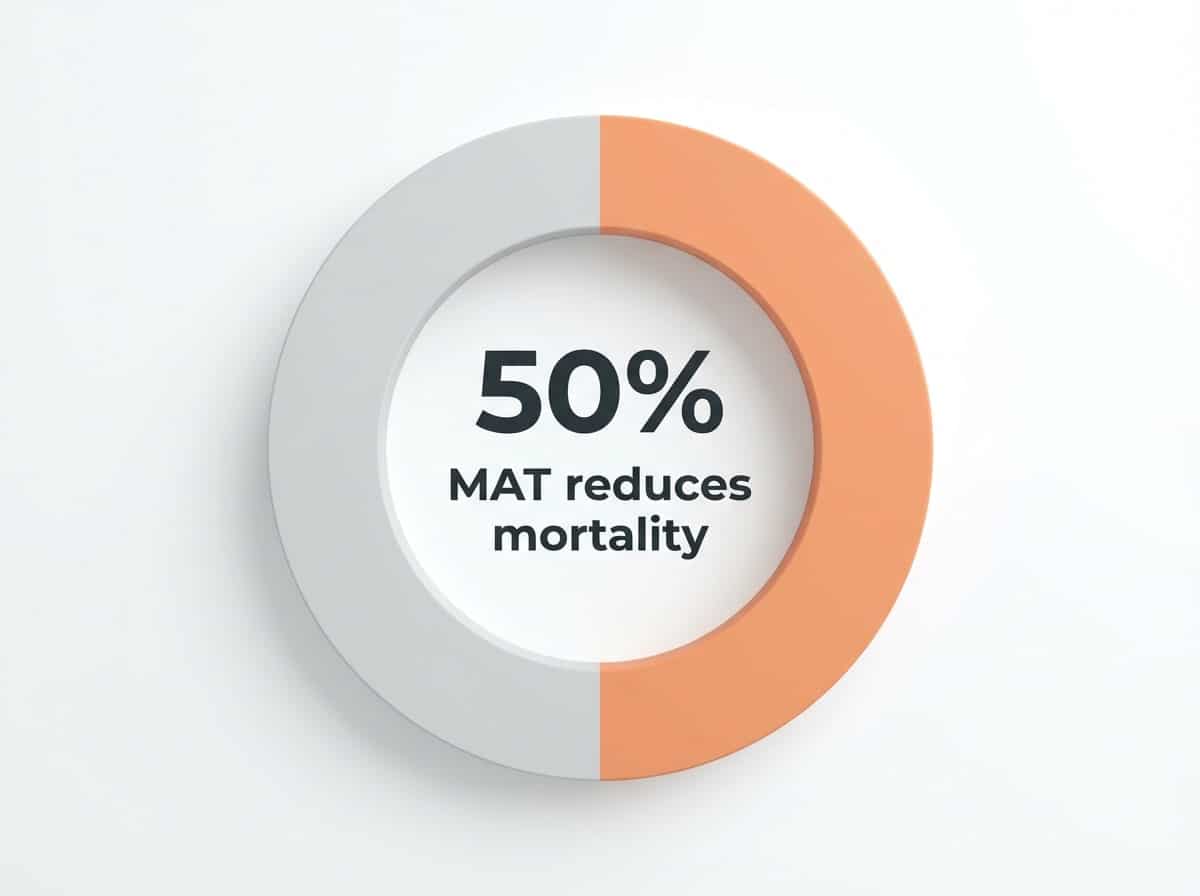
For those recovering from opioid use, MAT has been shown to reduce the risk of overdose death by 50% when methadone or buprenorphine is part of the protocol4. This evidence-based approach is critical in Austin, where access to substance use treatment is expanding thanks to increased provider networks and telehealth offerings. In areas close to Mopac, South Congress, and Hyde Park, residents benefit from clinics that offer same-day assessments and flexible scheduling, making it easier to begin MAT without long wait times or transportation barriers.
Beyond opioids, MAT can also support individuals detoxing from alcohol. Medications like acamprosate and disulfiram help manage the physical and psychological aspects of alcohol withdrawal, supporting individuals through the most challenging phases. By combining MAT with counseling and ongoing medical supervision, drug and alcohol detox Austin programs create a foundation for lasting recovery.
Specialized Care for Co-Occurring Conditions
Dual Diagnosis Treatment Approaches
- Do you use substances to cope with feelings of sadness or anxiety?
- Have you been diagnosed with a mental health condition in the past?
- Do mood swings persist even when you are not using substances?
Dual diagnosis treatment is essential for Austin residents who face both substance use and mental health conditions. In neighborhoods such as East Austin, Hyde Park, and South Lamar, individuals often experience depression, anxiety, or PTSD alongside substance use challenges. Drug and alcohol detox Austin programs adopt integrated treatment models, where mental health and substance use care are delivered together, rather than separately. Research shows that integrated approaches lead to greater improvement in psychiatric symptoms, especially for conditions like PTSD, compared to non-integrated models7.
Many facilities near The Domain, Westlake, and Mueller offer specialized clinical teams trained in both addiction medicine and mental health care. This means that during detox, residents receive coordinated support—medical stabilization, symptom management, and therapy tailored to their unique needs. Austin’s local providers understand the city’s fast pace and traffic. Facilities are accessible from Mopac, I-35, and public transit, addressing the practical concerns of those coming from different neighborhoods. Through dual diagnosis treatment, drug and alcohol detox Austin creates a foundation for lasting recovery, supporting the whole person.
Trauma-Informed Detox Services
Trauma-informed detox services are essential for Austin residents whose substance use is linked to past traumatic experiences. In neighborhoods like Montopolis, Govalle, Bouldin Creek, and Windsor Park, providers recognize that trauma shapes how individuals respond to care and recovery environments. Drug and alcohol detox Austin programs offering trauma-informed care train staff to understand trauma’s impact, avoid re-traumatization, and create a sense of safety from the first interaction. This includes practices such as clear communication, choice in treatment decisions, and emotional support during withdrawal.
Mindfulness-based therapies have gained traction in Austin’s trauma-informed programs, with local providers near the University of Texas campus and Barton Hills incorporating meditation and grounding techniques. Research shows that just 15 minutes of mindfulness meditation can reduce pain by about 30%, which is comparable to low-dose opioid medication—making it a valuable tool for both physical and emotional discomfort during detox8. However, these practices are carefully adapted for trauma survivors to prevent triggering distressing memories.
With trauma-sensitive approaches, drug and alcohol detox Austin providers help individuals feel respected and secure, setting the stage for successful recovery. The next section explores how comprehensive planning supports lasting progress after detox.
Transitioning from Detox to Recovery
Continuum of Care After Detoxification
- High Medical Need? → Consider Residential Treatment (24/7 care).
- Stable Home Environment? → Consider Intensive Outpatient (IOP).
- Work/School Obligations? → Look for Evening/Telehealth Programs.
Continuing care after drug and alcohol detox Austin is the bridge to lasting recovery for many residents, especially across neighborhoods like Rosedale, Oak Hill, and Windsor Park. In Austin, this continuum of care often means moving from medically supervised detox into structured outpatient programs, intensive therapy, or residential treatment, depending on each person’s needs and history. Studies show that individuals in residential programs are more than three times as likely to complete treatment compared to those in outpatient settings, underscoring the importance of finding the right post-detox fit5.
Austin’s local treatment network is robust and accessible. Programs near the UT campus and The Domain offer flexible scheduling and telehealth options, allowing individuals to receive therapy and support without battling downtown traffic or parking headaches. Many providers coordinate care plans that address mental health, nutrition, and relapse prevention, ensuring each step is supported. This approach helps residents from Brentwood to East Riverside remain connected to care and less likely to return to substance use.
Family Support and Long-Term Planning
Family support plays a vital role in sustaining recovery after drug and alcohol detox Austin, especially in tight-knit communities like Tarrytown, Cherrywood, and Bouldin Creek. Involving loved ones in the recovery process has been shown to reduce substance use frequency by 5.7%, which can mean nearly three fewer weeks of use each year—a meaningful difference for Austin families9. Many local programs near the UT campus and South Congress offer family counseling, education, and support groups, making it easier for relatives to participate even with busy schedules or traffic concerns.
Long-term planning is also essential for lasting success. Providers in neighborhoods like Hyde Park and Zilker help families and individuals create realistic goals, identify potential triggers, and develop strategies for managing stress and setbacks. Ample parking, easy access to I-35, and a welcoming environment encourage family participation throughout the recovery journey. With the right support network and a thoughtful plan, drug and alcohol detox Austin can be the first step toward a healthier, more stable life for both individuals and their loved ones9.
Frequently Asked Questions
How long does drug and alcohol detox in Austin, TX typically take?
The length of drug and alcohol detox in Austin, TX varies depending on the type of substance, duration of use, and an individual’s overall health. Most detox programs in Austin last between 3 to 10 days, though some may require a longer period for safe withdrawal management. For example, detox from alcohol or certain prescription medications can take up to a week or more, while some stimulant or opioid detoxes may be shorter. Local providers near neighborhoods such as Hyde Park, South Congress, and Mueller all offer assessments to tailor timelines for each person’s needs. Drug and alcohol detox Austin programs focus on both safety and comfort, ensuring that each client receives the appropriate level of care throughout their stay 6.
Can I receive drug and alcohol detox in Austin, TX while continuing to work?
Yes, many Austin residents are able to participate in drug and alcohol detox Austin while continuing to work, especially when enrolled in outpatient or intensive outpatient programs. These services are offered in neighborhoods like South Lamar, Hyde Park, and near the UT campus, providing flexible scheduling that accommodates work hours and family responsibilities. Telehealth and virtual support have expanded in recent years, making it even easier for individuals to access care without missing work commitments 6. Some employers in Austin are familiar with local treatment programs and may offer additional support or leave options. Discussing your needs with your provider helps tailor a plan that fits your schedule.
What neighborhoods in Austin does your drug and alcohol detox in Austin, TX serve?
Our drug and alcohol detox Austin programs serve individuals across the entire city, reaching neighborhoods such as Downtown, South Congress, Hyde Park, Mueller, and East Riverside. We also support residents in areas like Barton Hills, Brentwood, Allandale, and Bouldin Creek, ensuring access to care close to home. Many Austin detox locations are conveniently situated near major roads like I-35 and Mopac, making them accessible for those coming from Tarrytown, Cherrywood, and The Domain. Local clients often appreciate the availability of parking and the ease of reaching facilities despite Austin’s traffic patterns. Our commitment is to provide safe, compassionate detox support wherever you live in the Austin area 6.
Is drug and alcohol detox in Austin, TX safe if I have other medical conditions?
Yes, drug and alcohol detox Austin is designed to be safe for individuals with other medical conditions. Local detox centers in neighborhoods like Mueller, South Lamar, and Hyde Park provide thorough medical assessments upon admission to identify any existing health concerns. Medical teams create tailored care plans and monitor vital signs closely throughout the process, reducing risks associated with conditions like diabetes, heart disease, or asthma. These programs follow evidence-based protocols, ensuring proper adjustments for medications or special needs 6. If you have a chronic illness, sharing your full medical history with the care team helps ensure your safety and comfort during detox.
What happens if I relapse after completing drug and alcohol detox in Austin, TX?
If you experience a relapse after completing drug and alcohol detox Austin, it’s important to know you are not alone and support is available. Many Austin treatment programs in neighborhoods like Hyde Park, Cherrywood, and South Congress offer relapse prevention groups, ongoing counseling, and quick re-admission options. Relapse is recognized as a potential part of the recovery process, not a failure—local providers encourage reaching out immediately to adjust your care plan and strengthen coping skills. Studies highlight that continued engagement in therapy and support networks increases the likelihood of long-term recovery success 6. Returning to drug and alcohol detox Austin can help you regain stability and move forward with renewed support.
How can my family be involved during drug and alcohol detox in Austin, TX?
Family involvement is encouraged throughout drug and alcohol detox Austin, as it can significantly enhance recovery outcomes. Many local programs in neighborhoods like South Congress, Hyde Park, and Cherrywood invite families to participate in education sessions, support groups, and counseling—either in person or virtually. By learning about the process and ways to offer support, families help create a more stable environment for their loved one. Research shows that family involvement can reduce substance use frequency by 5.7%, making a real difference for Austin residents 9. Providers often offer flexible visiting hours and parking to accommodate busy schedules, ensuring families stay connected during detox.
What makes drug and alcohol detox in Austin, TX different from other Texas cities?
Drug and alcohol detox Austin stands out from other Texas cities thanks to its strong community focus, responsive harm reduction efforts, and neighborhood-based accessibility. Austin’s local programs are tailored to address the city’s unique challenges, including a vibrant nightlife, festival culture, and the highest accidental drug-related death rate among Texas’s largest counties—33 per 100,000 residents in 2023, compared to 25 in Dallas County and 21 in Harris County 1. Austin’s rapid expansion of Narcan distribution and partnerships with local venues have contributed to recent declines in overdose deaths. Detox centers near areas like Downtown, East Austin, Hyde Park, and South Congress offer flexible options, ample parking, and skilled staff attuned to local concerns. This blend of innovative public health strategy and neighborhood accessibility makes drug and alcohol detox Austin uniquely supportive for residents seeking recovery.
Starting Your Recovery Journey
- Search: Use terms like
medical detox near meto find local providers. - Call: Contact admissions teams to verify insurance and bed availability.
- Prepare: Pack essentials (ID, insurance card, comfortable clothing) for your stay.
Taking the first step toward recovery can feel overwhelming, especially when facing fears about judgment from others or uncertainty about what treatment actually involves. Understanding what to expect can ease these anxieties and build confidence. Recovery begins with acknowledging that change is needed and reaching out for professional support. This journey is deeply personal, and there’s no single path that works for everyone.

Most people start by connecting with healthcare providers who specialize in substance use treatment. These professionals conduct comprehensive assessments to understand individual needs, medical history, and personal circumstances. This evaluation typically includes a physical health screening to identify any medical complications, a mental health evaluation to address co-occurring conditions like depression or anxiety, and a detailed substance use history to understand patterns and triggers. Based on this evaluation, they recommend appropriate treatment options that may include medical detoxification, therapy, medication-assisted treatment, or residential programs.
It’s important to remember that seeking help demonstrates strength, not weakness. Recovery is a process that unfolds over time, with each person progressing at their own pace. Research shows that individuals with strong support networks are significantly more likely to maintain long-term recovery, with studies indicating that peer support can improve outcomes by up to 27%. Many individuals find success by building a support network of healthcare professionals, counselors, and peers who understand the challenges involved.
Starting the recovery journey means committing to personal growth and healing. This might look like rebuilding relationships with family members, returning to meaningful work, or developing healthy coping mechanisms to manage stress without substances. While the path may present obstacles, countless individuals have successfully navigated recovery and rebuilt fulfilling lives. With proper support and dedication, lasting change is possible, and drug and alcohol detox Austin services are here to help you begin.
References
- The overdose rise in Travis County is part of a growing trend – Texas Tribune. https://www.texastribune.org/2024/05/16/texas-travis-county-drug-deaths-fentanyl-overdose/
- Has the opioid crisis peaked in Texas and the U.S.? – Federal Reserve Bank of Dallas. https://www.dallasfed.org/research/swe/2025/swe2516
- Opioid Overdose Prevention – Travis County Official Resources. https://www.traviscountytx.gov/topics/opioids
- Medications for Opioid Use Disorder – National Institute on Drug Abuse. https://nida.nih.gov/research-topics/medications-opioid-use-disorder
- Residential Versus Outpatient Treatment in the US – Recovery Answers. https://www.recoveryanswers.org/research-post/residential-versus-outpatient-treatment-in-the-us/
- 2020 State Profile – National Survey of Substance Abuse Treatment Services (N-SSATS) Texas. https://www.samhsa.gov/data/sites/default/files/quick_statistics/state_profiles/NSSATS-TX20.pdf
- Integrated vs non-integrated treatment outcomes in dual diagnosis – PMC/NCBI. https://pmc.ncbi.nlm.nih.gov/articles/PMC10157410/
- Mindfulness Meditation: A Promising Remedy for Addiction and Chronic Pain – University of Utah Health. https://uofuhealth.utah.edu/newsroom/news/2024/05/mindfulness-meditation-promising-remedy-addiction-and-chronic-pain
- Family Involvement in Treatment and Recovery for Substance Use Disorders – PMC/NCBI. https://pmc.ncbi.nlm.nih.gov/articles/PMC8380649/
- Vital Statistics Rapid Release – Provisional Drug Overdose Data – CDC. https://www.cdc.gov/nchs/nvss/vsrr/drug-overdose-data.htm