
Key Takeaways
- Definition: Yoga in recovery is a therapeutic practice using movement, breath, and mindfulness to support healing from substance use.
- Core Benefits: It helps regulate the nervous system, reduce cravings, and process trauma safely.
- Who It’s For: This practice is suitable for anyone in addiction treatment, regardless of physical flexibility or previous experience.
What Yoga in Recovery Truly Means
Defining Yoga as Therapeutic Practice
Yoga is much more than stretching or holding poses—especially when viewed as a therapeutic practice. In the context of healing, yoga in recovery means using movement, breath, and mindfulness to support emotional and physical well-being. It is about reconnecting with yourself in a gentle, non-judgmental way.
“Think of it like having a toolbox: each tool, whether it’s a gentle stretch, a focused breath, or a moment of quiet reflection, helps repair and strengthen the mind-body connection.”
Therapeutic yoga is designed to meet people where they are. It doesn’t require flexibility or advanced skills. Instead, it encourages listening to your body and moving at your own pace. For those recovering from substance use, this approach is especially important, as it helps rebuild trust in one’s own body and mind. Research shows that yoga can help manage stress, improve mood, and ease physical discomfort—all key parts of healing from addiction.4
What sets yoga in recovery apart is its focus on the whole person, not just symptoms. It invites participants to explore how thoughts, feelings, and physical sensations are connected, supporting lasting change. Next, we’ll look at why whole-person care is a vital part of the recovery journey.
Why Recovery Needs Whole-Person Care
Why does recovery need whole-person care? Healing from substance use is not just about stopping a behavior. True recovery involves caring for the mind, body, and emotions all together. Many people in recovery have experienced trauma, depression, or anxiety, which can affect every part of their lives. Treating only the physical side—like withdrawal symptoms—misses the deeper reasons why substance use started and continued.
Yoga in recovery is valuable because it takes a whole-person approach. This means it supports physical health, emotional healing, and even the spiritual side of life. Research shows that 50-90% of people in addiction treatment have a history of trauma, making it essential to address more than just the visible symptoms. By including practices that calm the mind, regulate emotions, and help people feel safe in their own bodies, whole-person care builds a stronger foundation for lasting healing.4
When all parts of a person are supported, recovery becomes more sustainable. Next, we’ll explore how yoga in recovery helps address the root causes of addiction.
How Yoga in Recovery Addresses Addiction’s Root Causes
Nervous System Regulation and Stress
When someone is in recovery, the body and mind often feel like they’re stuck in high alert, as if there’s a car alarm going off that just won’t stop. This is because addiction and stress can leave the nervous system overworked and easily triggered. Yoga in recovery offers a way to calm that alarm by teaching the body to shift from a stressed state into a more relaxed, balanced one.
Breathing exercises and gentle movements in yoga send signals to the brain that it’s safe to relax. Here is how these practices help the body:
- Slow, deep breaths: Help lower heart rate and ease muscle tension.
- Mindful movement: Encourages focus on the present moment rather than past worries.
- Relaxation techniques: Aid the nervous system in recovering from chronic stress.
Over time, these practices help the nervous system recover from the constant stress that often comes with substance use challenges. Studies show that yoga can reduce stress hormone levels and improve how the body handles stress, making it easier to deal with daily pressures and cravings.10
Yoga in recovery is especially helpful because it gives people practical tools to manage anxiety and overwhelming emotions. Instead of reaching for old habits, they can use breathing or movement to find calm. This steadying effect on the nervous system is a key part of long-term healing. Next, we’ll look at how yoga supports trauma processing through the body.
Trauma Processing Through the Body
Unresolved trauma often hides in the body—showing up as tension, restlessness, or a sense of disconnect. For many in recovery, these physical sensations can be confusing or overwhelming, especially when words alone don’t seem to help. Yoga in recovery offers a gentle way to reconnect with the body and begin to process trauma safely. Instead of focusing just on talking about painful memories, yoga uses movement and mindful awareness to help people notice and release where trauma may be held physically.
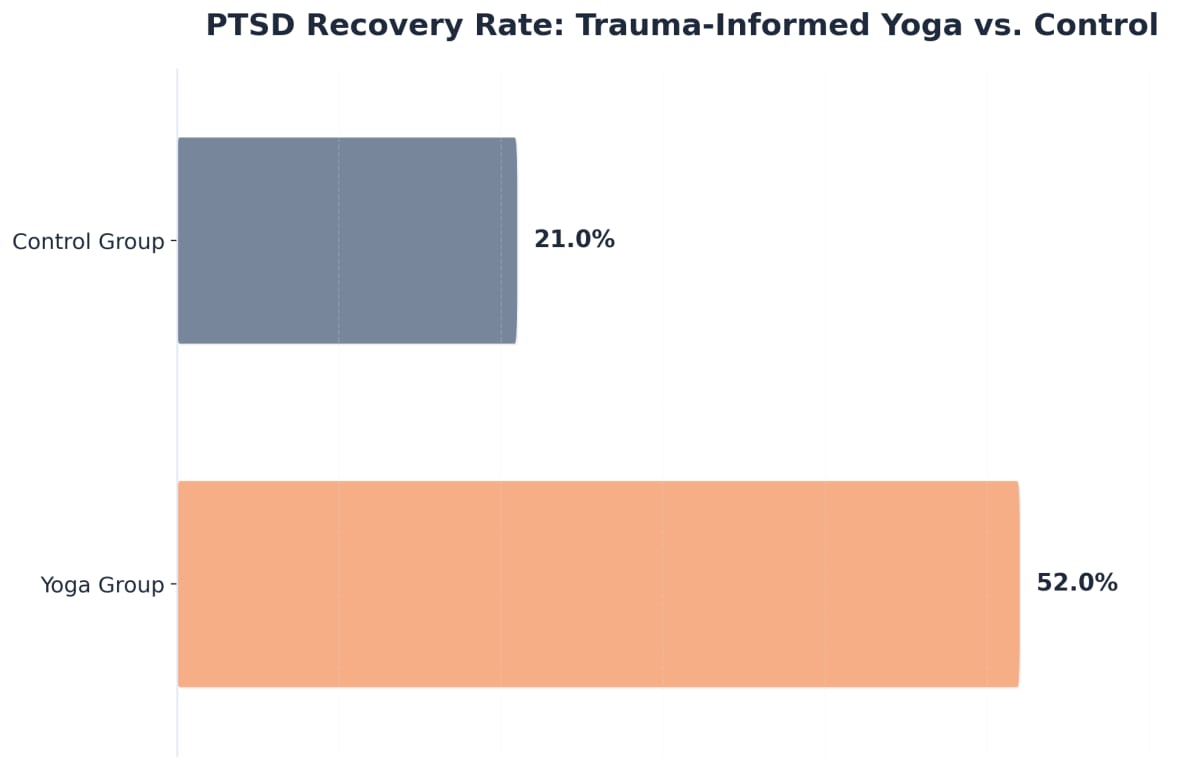
Trauma-sensitive yoga, in particular, is designed to help people feel safe and in control. Practices are invitational, meaning everyone has choice over how much or how little they participate. No one is pressured to do anything that feels uncomfortable. This approach can be especially healing for those who may feel powerless or disconnected after trauma.
In one study, 52% of participants in trauma-informed yoga no longer met criteria for post-traumatic stress disorder after ten weeks, compared to just 21% in a traditional therapy group.3
The ability to move, breathe, and regain a sense of bodily control is a powerful part of healing. By making space for physical sensations and emotions, yoga in recovery provides a pathway to process trauma in a new, empowering way.
Evidence-Based Benefits of Yoga in Recovery
Reducing Cravings and Relapse Risk
Reducing cravings and preventing relapse are two of the biggest challenges in substance use recovery. Yoga in recovery helps with both by giving people new ways to cope with urges and uncomfortable emotions. When cravings hit, it can feel like a wave that’s hard to ride out. Yoga offers practical tools, like mindful breathing and gentle movement, to help someone pause and ride out that wave without acting on the urge.
Research shows that yoga in recovery can actually lower the intensity and frequency of cravings. In a review of 16 randomized controlled trials, people who practiced yoga had significantly fewer cravings and negative moods compared to those in standard treatment groups. This is important, because cravings and negative emotions often lead to relapse if they’re not managed.4
Yoga also helps by improving self-awareness. When someone becomes more aware of their body and feelings through movement and breath, they start to notice early signs of stress or cravings before they become overwhelming. This awareness makes it possible to use healthy coping strategies sooner, breaking the old cycle of reacting automatically.
By practicing yoga regularly, people in recovery build confidence in their ability to handle difficult moments. This support can be a key part of staying on track and avoiding relapse. Next, we’ll see how yoga in recovery also supports mental health and emotional balance.
Improving Mental Health Outcomes
Improving mental health is a cornerstone of a strong recovery journey, and yoga in recovery offers important tools for emotional healing. Many people working through substance use challenges also experience depression, anxiety, or trauma-related symptoms. Yoga addresses these concerns by helping calm the mind, lift mood, and encourage self-acceptance.
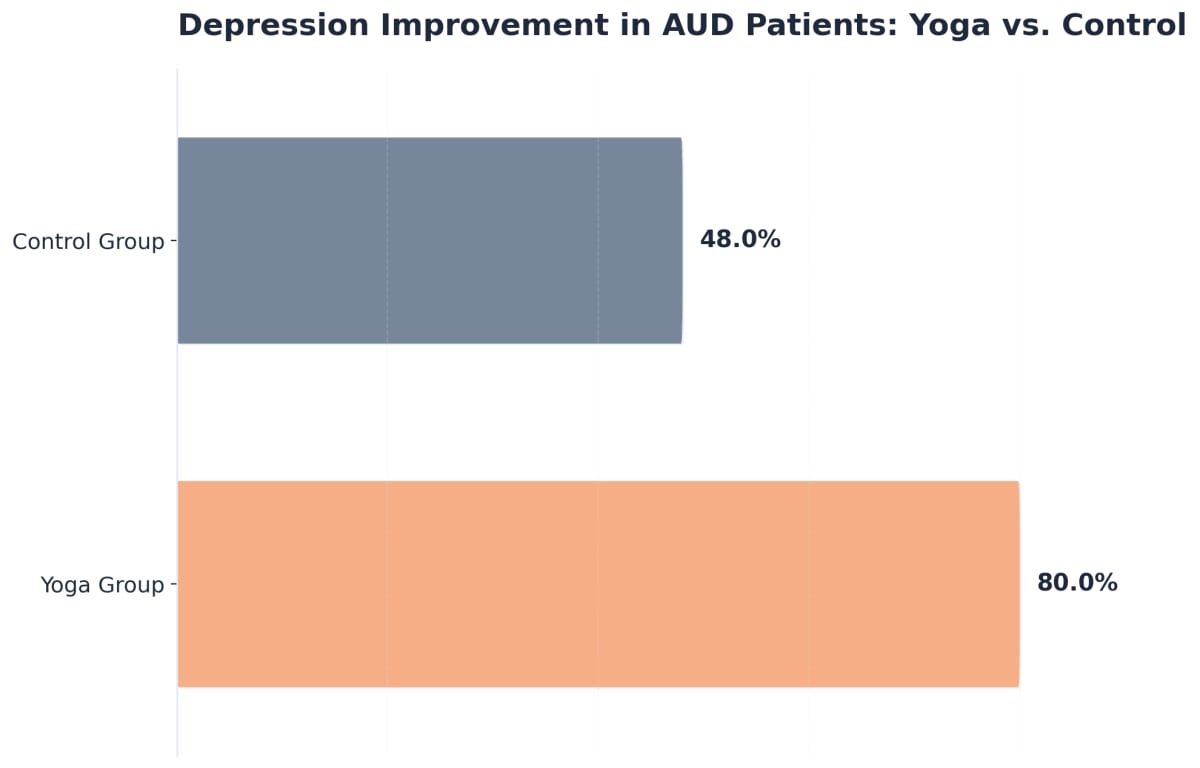
Yoga uses gentle movement, breathing exercises, and guided relaxation to interrupt negative thought cycles that often fuel depression and anxiety. These practices help the body release tension and the mind find a sense of peace. In fact, research shows that yoga can be as effective as some traditional treatments for improving mood.4.
| Group Type | Improvement in Depression |
|---|---|
| Yoga Group | 80% showed improvement |
| Control Group | 48% showed improvement |
This suggests yoga in recovery does more than reduce symptoms—it supports lasting, positive change in how people feel and cope each day. Practicing yoga can also help rebuild self-confidence. It encourages participants to notice what their bodies and minds need, fostering a sense of agency. Over time, this self-awareness helps people respond more skillfully to emotional triggers, building resilience for the challenges ahead.
Next, we’ll explore how yoga in recovery can be integrated with clinical treatments to support whole-person healing.
Integrating Yoga with Clinical Treatment
Complementing MAT and Psychotherapy
Integrating yoga in recovery with clinical treatments like Medication-Assisted Treatment (MAT) and psychotherapy can create a stronger, more supportive path to healing. While MAT targets the physical aspects of substance use by balancing brain chemistry, and psychotherapy helps address thoughts and behaviors, yoga adds another layer by supporting the body and mind together.
“Think of it as building a house: MAT and therapy form the foundation and walls, while yoga adds the windows—letting in light and fresh air so the space feels whole and livable.”
Yoga in recovery works well alongside therapy methods such as Cognitive Behavioral Therapy (CBT) and Dialectical Behavior Therapy (DBT) because it helps regulate stress and emotions. Research shows that when yoga is part of addiction treatment, people often experience fewer cravings and better moods, which makes it easier to stick with their recovery plan. Yoga’s breathing and movement practices can also help calm the nervous system, making it easier for people to engage in therapy or adjust to medication routines.4
By blending yoga in recovery with medical and psychological care, treatment becomes more personalized and effective. This approach honors the whole person, recognizing that healing happens on many levels. Up next, we’ll discuss special considerations for making yoga accessible and safe for everyone.
Trauma-Informed Yoga Considerations
Trauma-informed yoga is a specialized approach designed to make yoga in recovery safe and empowering for people who have experienced trauma. Unlike traditional yoga classes, trauma-informed sessions focus on choice, safety, and personal agency. Key characteristics include:
- Invitational Language: Instructors use phrases like “when you’re ready” or “if you like,” so participants always feel in control.
- No Hands-On Adjustments: Teachers avoid touching participants to prevent triggering trauma responses.
- Choice and Control: Everyone is encouraged to modify poses or rest whenever they need to.
Yoga in recovery is especially beneficial when trauma is a part of a person’s history, which is common—research shows that 50-90% of people in addiction treatment have experienced trauma. Trauma-informed yoga helps participants reconnect with their bodies without feeling pressured or judged. This gentle, non-coercive environment allows people to notice physical sensations and emotions as they arise, building resilience and self-trust.4
In one study of trauma-informed yoga, more than half of participants no longer met the criteria for post-traumatic stress disorder after ten weeks—a much higher rate than those in standard therapy groups. By honoring each person’s unique needs and boundaries, trauma-informed yoga in recovery becomes a supportive space for healing. Next, let’s answer some common questions about yoga and how to get started.3
Frequently Asked Questions
Do I need previous yoga experience to benefit from yoga in recovery?
No previous yoga experience is needed to benefit from yoga in recovery. These programs are created for all ability levels and focus on gentle movement, mindful breathing, and self-awareness—rather than perfect poses or flexibility. Anyone can participate, even if they have never tried yoga before. Research highlights that yoga in recovery is most effective when tailored to the individual, encouraging each person to listen to their body and move at their own pace. This welcoming approach helps people feel comfortable and supported as they learn new tools for healing, making yoga in recovery accessible to everyone—regardless of background or experience.4
How is trauma-informed yoga different from regular yoga classes?
Trauma-informed yoga is different from regular yoga classes in several important ways. In trauma-informed yoga, the focus is on creating a safe, welcoming space where everyone has choice and control over their practice. Instructors use gentle, invitational language and avoid hands-on adjustments, so participants are never pressured to do anything that feels uncomfortable. This is especially helpful for people with a history of trauma, because it helps them feel safe and respected in their own bodies. Research shows trauma-informed yoga can be more effective than standard approaches for people healing from trauma and substance use challenges.3
Can yoga in recovery help if I’m taking medication for opioid use disorder?
Yes, yoga in recovery can absolutely support people who are taking medication for opioid use disorder. Yoga in recovery is often used alongside Medication-Assisted Treatment (MAT), helping to address emotional stress, anxiety, and body tension that medication alone may not fully relieve. For example, yoga practices like gentle movement and mindful breathing can help calm the nervous system, making daily life and recovery routines feel more manageable. Research shows that yoga in recovery can reduce cravings, improve mood, and help with symptoms like restlessness or sleep issues that sometimes occur during MAT. Always talk with your care team about integrating yoga safely into your recovery plan.4
How often should I practice yoga in recovery to see results?
Practicing yoga in recovery a few times per week is often enough to begin noticing benefits, but consistency matters more than perfection. Research indicates that even practicing yoga two to three times weekly can help reduce cravings, improve mood, and support emotional balance. Some people prefer shorter daily sessions, while others find that longer classes once or twice a week fit their lifestyle. The most important thing is to listen to your body and choose a schedule that feels sustainable. Over time, regular yoga in recovery practice builds resilience and helps support lasting change.4
What if certain yoga poses or breathing exercises make me feel anxious or uncomfortable?
If a yoga pose or breathing exercise in yoga in recovery makes you feel anxious or uncomfortable, it’s completely okay to pause or skip that part. Everyone’s experience is unique, especially during recovery, and your comfort matters most. Trauma-informed yoga encourages listening to your body and making choices that feel safe. You can always let your instructor know how you feel or try a gentler version of the movement. Research shows that having choice and control during yoga in recovery helps people feel safer and more empowered on their healing journey.1
Is yoga in recovery effective for all types of substance use disorders?
Yes, yoga in recovery has shown effectiveness for a wide range of substance use disorders, including those related to alcohol, opioids, and other drugs. Research from multiple randomized controlled trials shows that yoga in recovery helps reduce cravings, improve mood, and support emotional balance across different types of substance use challenges. While the specific approach may need to be adapted for each person, the core benefits—like stress reduction and improved self-awareness—apply broadly. Yoga in recovery is most effective when combined with other treatments, making it a versatile tool for many recovery journeys.4
Can I continue practicing yoga in recovery after completing treatment?
Absolutely, you can keep practicing yoga in recovery after completing formal treatment. In fact, yoga in recovery is designed to be a lifelong resource for managing stress, supporting emotional balance, and staying connected to your well-being. Many people find that continuing yoga practice helps them maintain the positive changes made during treatment and navigate future challenges with greater resilience. Studies show that regular engagement in yoga in recovery can reduce cravings and improve mood over the long term, making it a valuable part of ongoing self-care and relapse prevention. Your yoga journey can grow and adapt with you at every stage of recovery.4
Building Your Recovery Foundation Today
Recovery begins with a single decision to seek help, but building a lasting foundation requires consistent effort and the right support system. Research shows that individuals who remain engaged in treatment for at least 90 days have significantly better outcomes, with success rates improving by 50-70% compared to shorter interventions. Understanding that healing takes time allows individuals to approach their journey with patience and realistic expectations grounded in evidence.
Creating structure in daily life provides stability during early recovery. This includes establishing regular sleep patterns, maintaining nutritious eating habits, and developing healthy routines that replace previous patterns. These fundamental changes support both physical healing and emotional well-being.
Connection plays a vital role in sustained recovery. The right support system might include:
- Peer-led programs like SMART Recovery or 12-step meetings.
- Intensive outpatient programs (IOP) that provide structured therapy several times weekly.
- Community recovery centers offering daily drop-in support and activities.
Whether through these organized programs, therapy sessions, or trusted relationships, having people who understand the challenges makes a significant difference. These connections offer accountability, encouragement, and perspective during difficult moments.
Professional guidance helps navigate the complexities of recovery. Treatment providers offer evidence-based strategies tailored to individual needs, addressing underlying issues that may have contributed to substance use. This comprehensive approach increases the likelihood of long-term success. Taking that first step today opens the door to possibilities tomorrow. Recovery is possible, and thousands of people successfully rebuild their lives every year through commitment, support, and appropriate care.
Contact rippleranch.com today to learn how our evidence-based treatment approaches can help you reclaim your health, restore your relationships, and build the fulfilling life you deserve.
References
- Trauma Sensitive Yoga as a complementary treatment for PTSD. https://pmc.ncbi.nlm.nih.gov/articles/PMC5404814/
- Depression and Anxiety Disorders: Benefits of Exercise, Yoga, and Meditation. https://www.aafp.org/pubs/afp/issues/2019/0515/p620.html
- Yoga as an adjunctive treatment for posttraumatic stress disorder. https://www.besselvanderkolk.com/uploads/docs/Yoga-F-J-Clin-Psychiat-1.pdf
- Yoga: A Holistic Approach to Addiction Treatment and Recovery. https://www.lidsen.com/journals/icm/icm-06-04-047
- Yoga for Opioid Withdrawal and Autonomic Regulation. https://jamanetwork.com/journals/jamapsychiatry/fullarticle/2843424
- Breathing exercises for stress. https://www.nhs.uk/mental-health/self-help/guides-tools-and-activities/breathing-exercises-for-stress/
- Role of Yoga in Management of Substance-use Disorders. https://pmc.ncbi.nlm.nih.gov/articles/PMC5812135/
- Substance Use Disorder Treatment: Complementary and Integrative Health Approaches. https://www.fammed.wisc.edu/files/webfm-uploads/documents/outreach/im/tool-substance-use-disorder-treatment.pdf
- Program evaluation of trauma-informed yoga for vulnerable populations. https://pmc.ncbi.nlm.nih.gov/articles/PMC8325936/
- How Yoga Affects the Brain and Body to Reduce Stress. https://lifestylemedicine.stanford.edu/how-yoga-affects-the-brain-and-body-to-reduce-stress/