
Key Takeaways: Is Virtual Recovery Right for You?
Deciding on a treatment path is a significant step. Before diving into the details of virtual recovery Texas options, use this quick guide to assess your immediate needs:
- Assess Your Environment: Success relies on having a private, quiet space and a reliable internet connection.
- Check Your Motivation: Virtual programs require a degree of self-discipline; completion rates are higher for those who actively engage.
- Consider Hybrid Options: If you have complex medical needs, a mix of in-person and virtual care may be safer.
- Immediate Action: If you have a device and internet, you can likely start an assessment today without leaving your home.
How Virtual Recovery Transforms Access to Care
Accessing quality care has historically been limited by geography and schedule, but virtual recovery Texas programs are dismantling these barriers. By leveraging secure technology, these programs bring evidence-based treatment directly to you, regardless of where you live in the state.
Evidence-Based Outcomes of Remote Treatment
A growing body of research confirms that remote treatment is not just convenient—it produces outcomes on par with traditional in-person care. For example, a recent meta-analysis of cognitive behavioral therapy (CBT) found little to no difference in effectiveness between therapist-guided online and face-to-face sessions, demonstrating that remote care maintains clinical quality while removing common barriers to participation.4
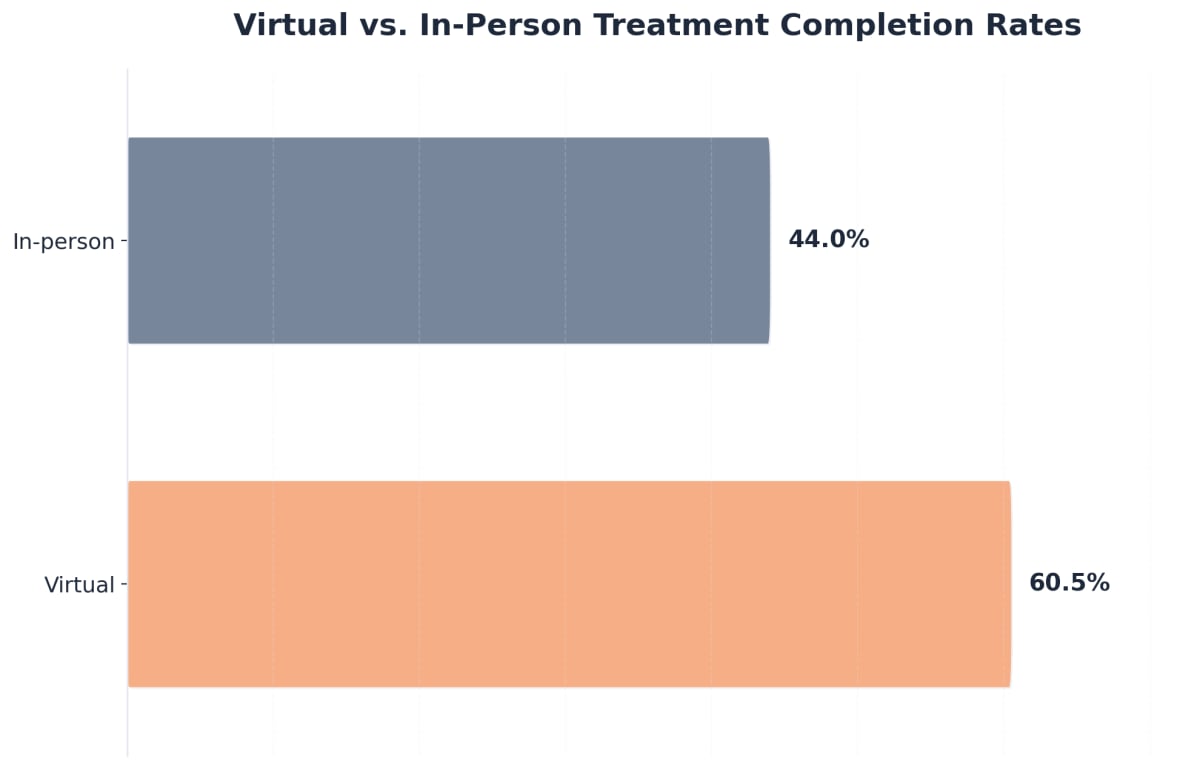
“Completion rates for virtual recovery Texas programs are notably higher, with remote participants finishing treatment at rates over 60%, compared to just 44% for in-person programs.”6
This improvement is attributed to greater flexibility, reduced travel demands, and better engagement for individuals who may have struggled with attending brick-and-mortar facilities. Additionally, 82% of those using virtual services reported that their sessions met their needs as well as, or better than, traditional visits—a strong indicator of satisfaction and perceived value.1
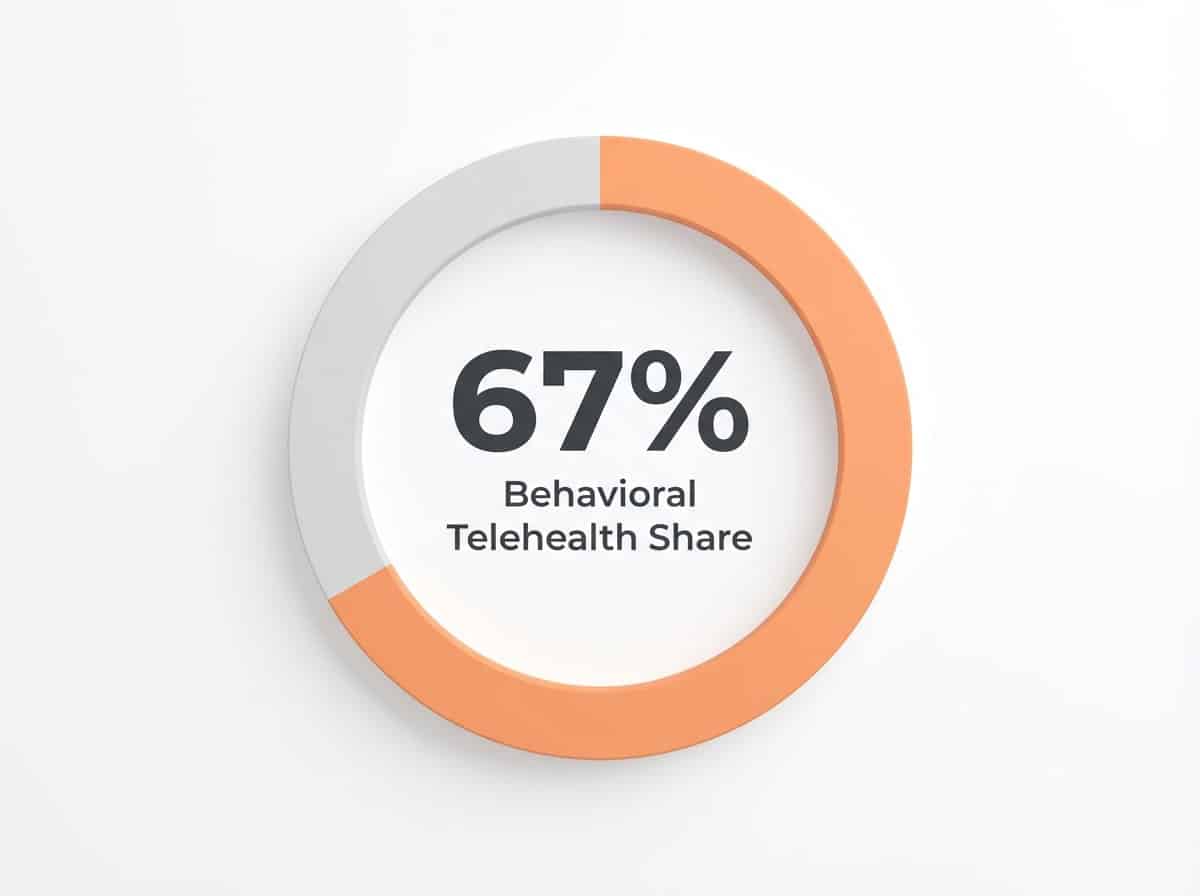
Remote care is especially impactful for behavioral health, now representing 67% of all telehealth encounters nationally in 2024. Virtual recovery Texas models have also been linked to a 39-49% reduction in relapse risk, offering meaningful protection for people seeking long-term stability.1,3
As research continues to support the effectiveness of remote solutions, more individuals are considering whether they might benefit from this accessible approach. The next section will explore who is most likely to achieve lasting success with these options.

Who Benefits Most from Virtual Recovery
A practical way to determine who benefits most from virtual recovery Texas is to use the following checklist:
- Do you have reliable internet and a private space for sessions?
- Do you find travel or taking time off work challenging?
- Are you more comfortable engaging from home or outside traditional settings?
- Would you benefit from flexible scheduling due to family or work responsibilities?
- Are you living in a rural or underserved area with limited local treatment options?
Virtual recovery Texas serves a diverse range of people, but it is especially advantageous for those who face barriers to attending in-person programs. Rural residents, for example, have historically experienced lower treatment initiation rates—only 36.6% compared to 38.0% for urban populations—but engagement increases by 143% when virtual options are available.1
This approach is ideal for individuals balancing work, family care, or privacy concerns, as well as those who feel more at ease discussing sensitive topics from their own environment. Students and professionals often find that virtual recovery Texas fits well with their fast-paced or unpredictable schedules. Individuals with mobility limitations or chronic health conditions also appreciate being able to participate without physical strain.
Additionally, anyone who has previously struggled to complete traditional programs may find higher completion rates and improved satisfaction through remote care. While virtual recovery works well for many, people with severe substance use disorders requiring medical detoxification or frequent crisis intervention may benefit most from hybrid or in-person support.6,8
Next, we’ll break down the core components that make virtual recovery effective for so many people.
Core Components of Effective Virtual Recovery
Telehealth Therapy and Counseling Sessions
A practical tool for evaluating the effectiveness of telehealth therapy and counseling in virtual recovery Texas is the following self-checklist:
- Do you have access to a private, quiet space for confidential sessions?
- Are you comfortable using secure video or phone platforms?
- Can you commit to regular appointments from home or work?
Telehealth therapy forms the foundation of many virtual recovery Texas programs. It connects individuals with licensed counselors for one-on-one or group sessions, often using secure video platforms. These sessions offer flexibility and privacy while maintaining strong clinical outcomes. For example, a 2024 meta-analysis found little to no difference in the effectiveness of therapist-guided remote cognitive behavioral therapy (CBT) compared to in-person care, meaning quality is not sacrificed for convenience.4
What is Dialectical Behavior Therapy (DBT)?
DBT is a type of cognitive behavioral therapy that tries to identify and change negative thinking patterns and pushes for positive behavioral changes. It is particularly effective for managing emotions and improving relationships.
Group therapy and skills training, such as DBT, are also successfully delivered online. One study found that internet-based DBT resulted in improved executive functioning and emotional control for participants. This approach works best when participants can reliably access technology and value the ability to engage from a familiar environment.6
Telehealth counseling sessions in virtual recovery Texas fit those who need consistent support but may face travel, scheduling, or privacy barriers. As you explore further, the next section will introduce how medication-assisted treatment is safely and effectively integrated into virtual recovery care.
Medication-Assisted Treatment via Telehealth
Use this quick self-assessment to see if medication-assisted treatment (MAT) via telehealth may be right for you:
- Have you been prescribed medications like buprenorphine or naltrexone for substance use recovery?
- Is regular travel to a clinic a challenge due to distance, mobility, or work commitments?
- Are you comfortable attending medical appointments through secure video or phone calls?
Medication-assisted treatment is a cornerstone of many virtual recovery Texas programs, combining evidence-based medications with remote medical oversight. Current research highlights that telehealth-based MAT—sometimes called tele-MOUD—matches the effectiveness of in-person treatment for retaining patients and supporting long-term recovery. This is especially significant for people living in rural or underserved communities, where finding a qualified prescriber can be difficult.7
Modern MAT through virtual recovery Texas platforms typically includes confidential video visits, electronic prescriptions sent directly to local pharmacies, and regular check-ins for medication management. Many participants report feeling less stigma and greater convenience compared to traditional clinic settings, fostering better engagement and satisfaction.7
This approach works best for individuals who do not need intensive medical monitoring or detoxification. If you value privacy, flexibility, and consistent support, virtual MAT may fit your needs. For those with more complex medical concerns, a hybrid of virtual and in-person visits can provide additional safety and structure. Next, we’ll look at how to choose the right virtual recovery path based on your unique situation.8
Choosing the Right Virtual Recovery Path
Assessing Your Treatment Readiness Online
Assessing your readiness for virtual recovery Texas can be empowering, and an online self-assessment is a valuable starting point. Use this straightforward tool to reflect on your preparedness:
- Are you comfortable using technology such as video calls or secure messaging apps?
- Do you have access to a private, reliable internet connection and a quiet space for sessions?
- Are you open to building relationships with care providers remotely?
- Can you set aside dedicated time for regular participation?
- Do you feel motivated to engage in your recovery journey from home?
Virtual recovery Texas programs are designed to meet people where they are. Research shows that those who take a moment to assess their readiness are more likely to complete remote programs, which see completion rates over 60%—significantly higher than in-person alternatives. This is often attributed to the flexibility and comfort of attending sessions from home, as well as the ability to integrate support into daily routines.6
If you answered “yes” to most of the questions above, you may be well-suited for virtual recovery. If not, consider what might help you feel more prepared—such as practicing with technology, creating a supportive environment, or reaching out for guidance. For individuals facing more complex medical or social challenges, exploring hybrid or blended care models may provide the structure and support needed for success.
The next section will explore how hybrid models can combine virtual and in-person care to meet a wider range of needs.
Hybrid Models: Combining Virtual and In-Person
Hybrid models blend the convenience of virtual recovery Texas with the structure and personal connection of in-person care. If you’re deciding whether a hybrid approach fits your situation, use this decision guide:
- Do you need the flexibility of online sessions but also benefit from occasional face-to-face support?
- Have you experienced challenges with engagement or motivation in fully remote programs?
- Are there specific medical, mental health, or social needs that require periodic in-person evaluation?
Research shows that combining telehealth and in-person visits delivers stronger outcomes than relying solely on one method. In fact, hybrid models are especially effective for individuals managing complex needs or transitioning from high-acuity care, such as after a hospital stay or detoxification. A 2023 review found that individuals who received both telepsychiatry and in-person sessions had better results than those using either approach alone, with improvements in engagement, symptom management, and sustained recovery.8
Hybrid virtual recovery Texas programs often include remote therapy, digital check-ins, and medication management, supplemented by scheduled clinic appointments. This allows for increased monitoring, hands-on assessments, and peer support, while still reducing travel and time barriers. This path makes sense for those who value flexibility but also need the reassurance of in-person checkups or group meetings.
As you weigh your options, it helps to consider what combination of support will keep you most engaged and safe as your needs change. Up next, you’ll find strategies to overcome common barriers and get the most out of your virtual or hybrid recovery experience.
Overcoming Barriers to Virtual Recovery Success
While virtual recovery Texas programs offer tremendous flexibility and accessibility, some people hesitate to embrace this approach due to common concerns. Understanding these barriers—and the practical solutions available—can help you make an informed decision about whether online treatment fits your recovery journey.
| Common Barrier | Practical Solution |
|---|---|
| Technology Challenges | Most platforms use simple interfaces requiring only a smartphone or computer. Programs often provide technical support and orientation sessions to ensure comfort before starting. |
| Privacy Concerns | Use headphones and find a quiet space like a parked car or bedroom. Flexible scheduling allows you to book sessions during times when you have privacy at home. |
| Lack of Connection | Video sessions allow for face-to-face visual cues. Group sessions foster deep connections through shared experiences, which research shows can be just as strong as in-person bonds. |
| Motivation & Accountability | Programs incorporate regular check-ins and peer support. The act of logging in builds self-discipline, a critical skill for long-term recovery. |
| Home Distractions | Treat this as practice for real-world coping. Set boundaries with household members and silence notifications to create a focused environment. |
The barriers to virtual recovery are normal, common, and—most importantly—solvable. Each challenge comes with practical solutions that have helped thousands of people successfully engage with online treatment. With these practical solutions in place, individuals across the state are discovering that virtual recovery Texas not only works—it works for them, fitting seamlessly into the lives they’re rebuilding.
Understanding how to access and navigate these programs is the natural next step toward making virtual recovery a reality.
Frequently Asked Questions
Can virtual recovery options effectively address co-occurring mental health conditions alongside substance use?
Yes, virtual recovery Texas options can effectively address co-occurring mental health conditions alongside substance use. Recent studies show that telehealth-based group programs—such as dialectical behavior therapy (DBT) and intensive outpatient programming—produce large reductions in depression, anxiety, and stress symptoms for participants with dual diagnoses, with no significant difference in outcomes between virtual and in-person formats. This means individuals managing both mental health and substance use challenges benefit from the flexibility and privacy of virtual recovery Texas, while still receiving integrated support tailored to their needs. Coordination between licensed therapists and medical providers ensures that care remains holistic and responsive.9
How do virtual recovery completion rates compare to traditional in-person programs?
Completion rates for virtual recovery Texas programs are consistently higher than those of traditional in-person treatment. Recent studies show that over 60% of individuals finish remote recovery programs, whereas only 44% complete in-person options. This notable difference is often credited to the flexibility of virtual care, reduced travel barriers, and the comfort of participating from home. Many people find it easier to stay engaged and follow through with their treatment plan when sessions are accessible online. These improved completion rates highlight the effectiveness and approachability of virtual recovery Texas for a wide range of participants.6
What technology requirements do I need to participate in virtual recovery options?
To participate in virtual recovery Texas, you’ll need a device such as a smartphone, tablet, or computer with a camera and microphone, plus a reliable internet connection. Most virtual recovery Texas programs are compatible with common web browsers or secure telehealth apps, requiring only basic digital literacy and access to email. Privacy is important, so a quiet, private space for sessions is recommended. If you’re in a rural area or have limited internet, some providers offer technical support or alternative access options—engagement in rural regions has risen by 143% when these supports are available. Many programs also provide orientation or digital coaching to help you get comfortable with the technology.1
Will my insurance cover virtual recovery options the same way as in-person treatment?
Most insurance plans—including many commercial insurers and government programs like Medicare—cover virtual recovery Texas options in a similar way to in-person treatment. Since the pandemic, federal and state policies have expanded telehealth coverage, making remote behavioral health and substance use services widely reimbursable. However, some requirements may shift over time: for example, a new Medicare policy will require an in-person mental health visit within six months before continuing telehealth services after October 2025. Check with your provider and insurer for current coverage details, as benefits and eligibility can vary based on your plan and policy updates.1
How does medication management work through virtual recovery options?
Medication management through virtual recovery Texas involves regular video or phone visits with licensed medical providers who oversee prescriptions and monitor your progress. After an initial evaluation, medications—such as those for substance use recovery—can be prescribed and sent electronically to your local pharmacy. Ongoing appointments let your provider adjust dosages and check for side effects or concerns. Research confirms that telehealth-based medication-assisted treatment is as effective as in-person care, with many participants reporting greater convenience and less stigma in virtual formats. Secure platforms protect your privacy, and some programs offer reminders or digital check-ins to help you stay on track.7
What happens if I experience a crisis while participating in virtual recovery options?
If you experience a crisis during virtual recovery Texas, immediate steps are available for your safety and support. Most virtual programs have clear protocols in place—such as direct access to your care team, 24/7 crisis lines, or emergency services if needed. Licensed providers can rapidly assess the situation via secure video or phone, coordinate care, and refer you to local resources or in-person support when appropriate. Research highlights the importance of responsive human support in digital treatment settings, ensuring that urgent needs are addressed quickly and compassionately. You’re never alone in virtual recovery Texas—help is always just a call or click away.1
Can family members participate in my virtual recovery options treatment plan?
Yes, family members can participate in your virtual recovery Texas treatment plan if you wish. Many virtual programs encourage the involvement of loved ones through secure video sessions, educational workshops, or family therapy, which can help improve communication and strengthen support at home. Research highlights that having a supportive environment is linked to better engagement and outcomes in virtual care settings. You have control over how much family involvement feels right for your journey, and your care team can help set healthy boundaries to ensure everyone feels comfortable. Always discuss your preferences about family participation with your provider.1
Your Path Forward with Virtual Recovery Texas
Virtual recovery Texas programs offer a proven pathway to healing that fits your life, schedule, and unique needs. Whether you’re taking the first step toward recovery or strengthening your commitment to long-term wellness, online treatment provides the flexibility and support necessary for lasting change.
The journey ahead involves more than simply logging into sessions. Virtual recovery Texas services create comprehensive treatment experiences that address the physical, emotional, and psychological aspects of substance use disorders. Evidence-based therapies like CBT translate seamlessly to video sessions, allowing for the same therapeutic depth as in-person treatment, while digital tools enable real-time mood tracking and progress visualization.
Through this combination of proven therapies, peer support, and professional guidance, individuals build the skills needed to navigate challenges and celebrate victories. Success requires your active engagement, but you won’t be doing it alone—virtual recovery Texas programs provide accountability partners, reminder systems, and 24/7 crisis support to help you stay on track. This means showing up consistently, participating actively in sessions, and applying learned strategies to daily life.
The virtual format removes traditional barriers while maintaining the clinical rigor that produces real results. Many participants report feeling more connected to their recovery within the first two weeks. Taking the next step is simple. Reach out to a virtual recovery Texas provider to discuss your specific situation and treatment goals. Professional teams stand ready to answer questions, explain program options, and help you begin this transformative journey toward a healthier, more fulfilling life.
Contact rippleranch.com today to learn how our evidence-based treatment approaches can help you reclaim your health, restore your relationships, and build the fulfilling life you deserve.
References
- The evolving field of digital mental health: current evidence and future directions. https://www.ncbi.nlm.nih.gov/pmc/articles/PMC12079407/
- US Telehealth & Telemedicine Market Forecast 2025-2030. https://www.marketsandmarkets.com/PressReleases/united-states-telehealth-telemedicine.asp
- Behavioral Health Outpaces Primary Care in 2024. https://www.aha.org/aha-center-health-innovation-market-scan/2025-11-11-behavioral-health-outpaces-primary-care-2024
- Therapist-guided remote versus in-person cognitive behavioural therapy: a systematic review and meta-analysis. https://pmc.ncbi.nlm.nih.gov/articles/PMC10948182/
- A Systematic Review of Virtual Reality Therapies for Substance Use Disorders. https://pmc.ncbi.nlm.nih.gov/articles/PMC10557052/
- Effectiveness of internet-delivered dialectical behavior therapy skills training. https://pmc.ncbi.nlm.nih.gov/articles/PMC10690726/
- Telehealth-Based Delivery of Medication-Assisted Treatment for Opioid Use Disorder. https://pmc.ncbi.nlm.nih.gov/articles/PMC9326140/
- The Efficacy of Telepsychiatry in Addiction Patients. https://pmc.ncbi.nlm.nih.gov/articles/PMC10213379/
- A comparison of telehealth versus in-person group therapy for dual diagnosis treatment. https://pmc.ncbi.nlm.nih.gov/articles/PMC9790325/
- Peer support and online cognitive behavioural therapy for substance use disorders. https://pmc.ncbi.nlm.nih.gov/articles/PMC9748960/