
Key Takeaways
- Assessment Scoring Guide: Evaluate your family’s readiness. If you score high on caregiver stress or burnout, prioritize personal support and boundary-setting before engaging in intensive family-integrated therapy.
- Top 3 Success Factors: Active participation (boosts treatment completion by up to 50%), consistent boundary setting (lowers household anxiety), and utilizing specialized dual diagnosis care for co-occurring conditions.
- Immediate Next Action: Review the communication checklist provided below and schedule a family consultation with a comprehensive dual diagnosis facility like Ripple Ranch Recovery.
How Addiction Reshapes Dynamics and the Need for Family Support During Addiction Recovery
The Ripple Effect on Relationships
Addiction rarely affects just one individual; its impact radiates outward, altering the foundation of nearly every relationship within a family system. When a loved one struggles with substance use, roles often shift. Some members may step in as protectors, while others distance themselves, causing trust to erode quickly. Providing effective family support during addiction recovery is essential to navigating these turbulent changes and fostering a healing environment.
These shifting dynamics can lead to persistent tension, secrecy, and misunderstanding among siblings, partners, and children. At the same time, the unique stress of navigating unpredictable behaviors or emotional volatility places significant strain on family cohesion and daily life.
“When families actively participate in the recovery process, treatment completion rates improve by up to 50%.”4
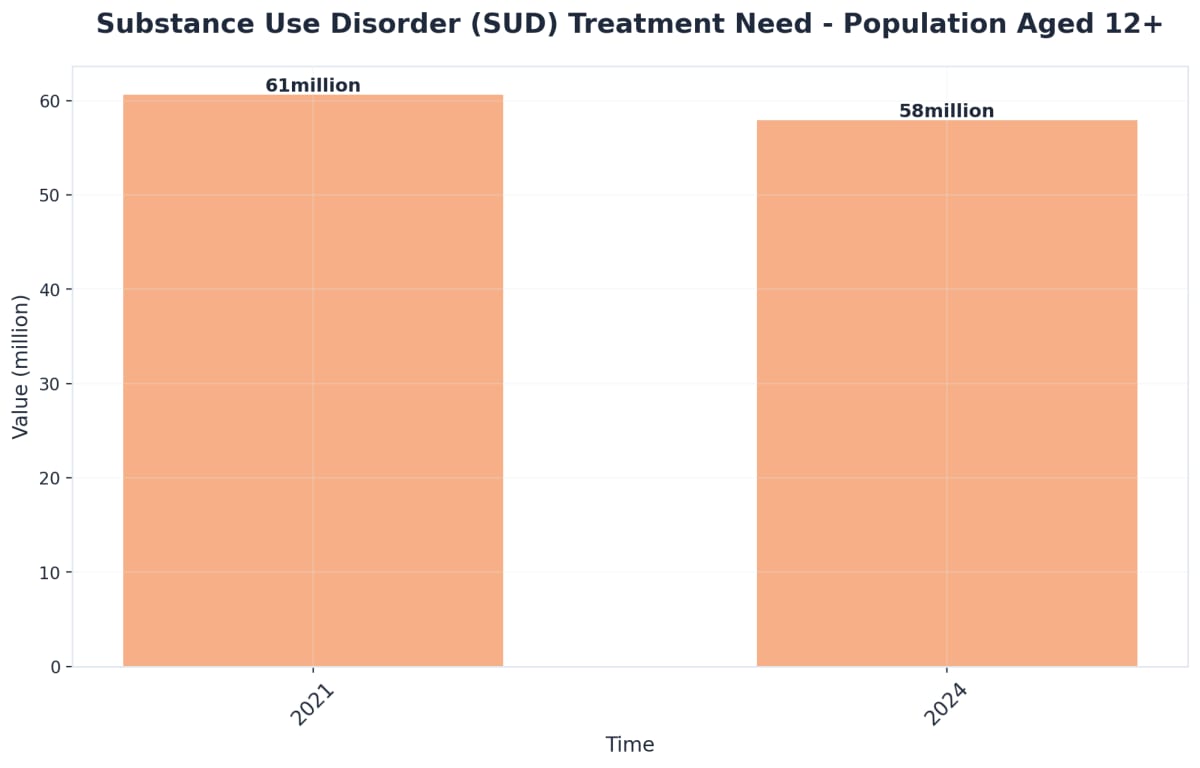
Research consistently finds that family involvement is a crucial variable not only for the individual’s treatment success but for the healing of the entire family unit. This strategy suits families that recognize addiction as a medical condition, allowing for compassion and reducing shame or blame. By understanding these patterns, you can begin to rebuild trust and redefine your roles in healthier, more supportive ways.
As family members move from feeling powerless to recognizing their influence, the next step is learning specific strategies to contribute positively to recovery.
Co-occurring Disorders Compound Family Stress
When substance use and mental health disorders—such as depression, anxiety, PTSD, or bipolar disorder—occur together, it is known as a dual diagnosis. Families often encounter heightened levels of stress and uncertainty in these situations. These co-occurring disorders amplify emotional volatility, disrupt daily routines, and make communication even more challenging for everyone involved.
You may struggle to distinguish between symptoms of substance use and those of a mental health condition, leading to confusion, frustration, and sometimes feelings of guilt. Research highlights that caregivers supporting individuals with both conditions experience elevated rates of burnout and psychological distress compared to those supporting someone with only one diagnosis.10
Addressing these complexities requires a coordinated approach, including family education, targeted therapy, and access to specialized resources like those offered at Ripple Ranch Recovery. Meaningful family support during addiction recovery—especially when co-occurring disorders are present—has been shown to significantly ease caregiver burden and improve outcomes for all involved.10
With an understanding of these unique challenges, families are better prepared to take an active role in the recovery journey. The next section explores concrete ways for loved ones to strengthen recovery outcomes through evidence-based participation.
Evidence-Based Ways to Provide Family Support During Addiction Recovery
Active Participation in Treatment Planning
Active participation in treatment planning transforms the experience for both the individual and their loved ones. When you are included early—by joining assessment sessions, sharing insights, and staying engaged with care teams—treatment plans become more thorough and tailored.

Checklist for Active Family Participation in Treatment Planning
- Attend intake and assessment meetings when invited.
- Share observations about your loved one’s behaviors and needs.
- Ask questions about treatment goals and progress.
- Request updates and clarify your role in the care plan.
- Participate in family education sessions.
Studies show that such involvement is linked to a 50% higher rate of treatment completion, compared to situations where families remain on the sidelines.4 Consider this method if you are ready to approach conversations with openness, curiosity, and a willingness to learn about both addiction and recovery options.
Time investment varies. You might expect to spend one to two hours per week during the initial treatment phase, especially if educational workshops are available. Resources needed include time, a willingness to communicate honestly, and sometimes access to remote meeting technology for virtual participation. Active family involvement not only improves outcomes for the person in treatment, but also helps you feel less helpless—a critical benefit for those seeking to provide strong family support during addiction recovery.
Next, we’ll examine which family therapy methods have the strongest evidence for promoting long-term healing.
Family Therapy Approaches That Work
Family therapy can take many forms, but evidence repeatedly highlights several approaches as especially effective. To help you navigate these options, we have broken down the most common frameworks to help you decide which path is right for your loved one.
| Therapy Approach | Best Used For | Key Focus |
|---|---|---|
| Behavioral Family Therapy | Changing patterns and setting clear expectations. | Practical routines and accountability. |
| Multidimensional Family Therapy | Co-occurring mental health concerns or adolescent issues. | Addressing dual diagnosis complexities. |
| Structural Family Therapy | Deeply disrupted family roles and communication. | Reorganizing unhealthy patterns and boundaries. |
| Family Psychoeducation | Building shared understanding and reducing stigma. | Education and community support. |
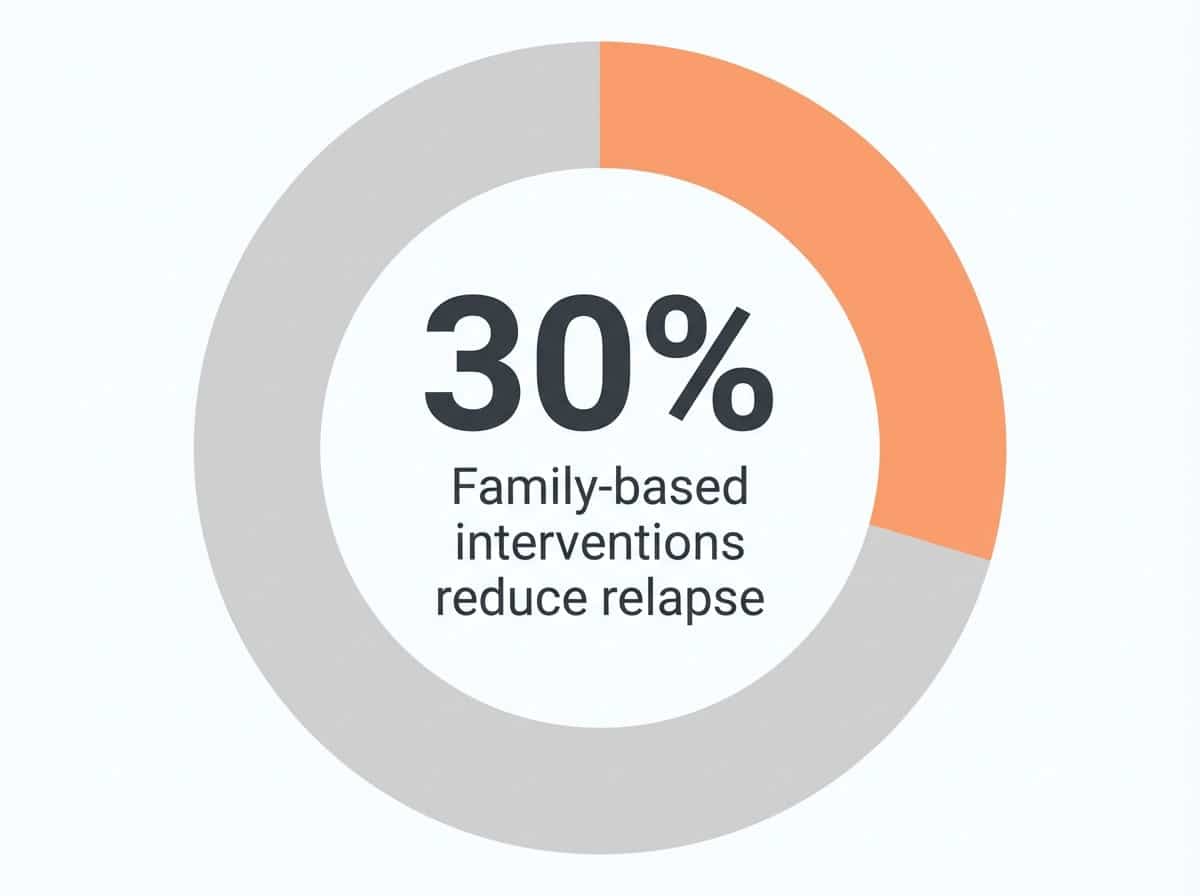
Opt for this framework when you want to move beyond feeling helpless and take a structured, active role in recovery. Studies demonstrate that family-based interventions lower relapse rates by up to 30% compared to individual treatment alone.6
Most approaches require a weekly commitment of one to two hours, with sessions available in person or via telehealth. Resources needed include a willingness to participate, openness to guided discussion, and access to a therapy provider trained in family systems. This ensures your family support during addiction recovery is grounded in proven techniques.
The next section will outline specific strategies for setting healthy boundaries and communicating more effectively within the recovery process.
Healthy Boundaries and Communication Strategies
Setting Boundaries Without Withdrawing Support
Setting boundaries without withdrawing support is a balancing act for many families navigating the recovery journey. Healthy boundaries are guidelines that protect both your wellbeing and your loved one’s chance for sustainable progress.
- Identify what behaviors you can and cannot accept (e.g., no substance use in the home).
- Communicate boundaries calmly and clearly, using “I” statements.
- Be consistent in enforcing limits, even when it feels uncomfortable.
- Remain compassionate—remind your loved one you care about their recovery.
- Seek support for yourself through peer groups or counseling.
Research shows that when families define and uphold clear boundaries, everyone experiences less anxiety and greater stability in the home environment.9 Prioritize this when you need to frame boundaries not as punishment, but as a means of supporting accountability and mutual respect.
It’s common to worry that setting limits might push a loved one away. However, evidence suggests that compassionate boundary-setting actually fosters trust and reduces enabling behaviors, while maintaining vital emotional connection.9 Effective family support during addiction recovery takes on its strongest form when you offer encouragement and structure simultaneously.
Resource requirements include time for open conversations (15–30 minutes weekly), patience to manage emotional responses, and, sometimes, guidance from a family therapist. These skills can be learned and practiced over several weeks, with ongoing refinement as circumstances change.
Next, learn which communication techniques reduce conflict and strengthen the foundation for lasting recovery.
Communication Techniques That Reduce Conflict
Communication breakdown is a common source of tension for families. Patterns of criticism, defensiveness, or avoidance can quickly escalate disagreements and undermine trust. Practicing evidence-based techniques like reflective listening and emotion labeling helps to defuse heated moments.
Reflective listening involves restating what your loved one has said in your own words, signaling that you hear and respect their perspective. To help you practice, here is a simple communication script template you can use during tense moments:
Loved One: "You never trust me when I say I'm going to my appointments!"
You: "I hear that you feel frustrated and untrusted. I want to support you, and I feel anxious when plans change unexpectedly. How can we communicate better about your schedule?"
This solution fits situations where conversations become emotionally charged and misunderstandings are likely to arise.6 Another core technique is using “I” statements rather than accusations. Research finds that shifting from reactive responses to more mindful communication reduces conflict and increases the likelihood that both parties feel heard.6
If you are participating in virtual therapy sessions to improve these skills, remember simple technical shortcuts to keep your resources handy, like pressing Ctrl + D (or Cmd + D on Mac) to bookmark helpful telehealth portals. Meaningful family support during addiction recovery is strengthened when all members commit to these skills, creating a climate of safety and empathy.
Practicing these strategies may require ten to twenty minutes of focused conversation weekly, along with patience and willingness to try new approaches. Many families benefit from role-playing scenarios with a therapist to reinforce these habits.
Next, discover educational programs and support resources designed to help families sustain these positive changes.
Support Resources and Implementation Pathways
Educational Programs for Family Members
Educational programs designed for family members offer essential knowledge, practical strategies, and a supportive community. These programs typically include workshops, support groups, and guided sessions on topics like understanding addiction as a medical condition, recognizing enabling behaviors, and building healthy routines.
Quick Self-Assessment for Family Education Readiness
- Do you feel uncertain about how to help your loved one?
- Are you seeking ways to manage stress or confusion about addiction?
- Would you benefit from learning proven communication and boundary-setting skills?
Most sessions last 60–90 minutes weekly and require only a willingness to participate. Many are now available virtually, making them accessible regardless of location or schedule constraints.1 Facilities like Ripple Ranch Recovery offer comprehensive family education that demystifies the treatment process.
Studies show that when families participate in educational programs, caregiver burden and stress drop by as much as 40%.5 This path makes sense for you if you’re feeling overwhelmed or isolated; it’s especially effective for those who want to move from helplessness to active involvement. Robust family support during addiction recovery is strongest when you receive the tools and information needed to navigate challenges and celebrate progress.
With a foundation in education, families are well-positioned to explore more integrated treatment approaches that invite deeper levels of involvement.
Accessing Family-Integrated Treatment
Family-integrated treatment brings loved ones directly into the therapeutic process, moving beyond education to active participation in recovery planning, joint sessions, and skill-building exercises. This approach is ideal for families seeking to break cycles of isolation and helplessness.
- Has your loved one’s treatment team invited you to participate directly in therapy sessions?
- Are there ongoing patterns of miscommunication or relapse despite individual treatment?
- Is your family willing to commit to regular structured sessions (in person or remotely)?
Research shows that family-based interventions lower relapse rates by up to 30% compared to individual approaches.6 Sessions often include collaborative goal-setting, role clarification, and the practice of healthy boundaries and communication in a safe environment.
Time commitments vary, but most families participate in weekly 60–90 minute sessions, either on-site or through telehealth platforms. This makes the option accessible for geographically distant relatives as well. Dedicated family support during addiction recovery is most impactful when relatives are engaged in shared problem-solving and solution-focused therapy. This method works when all members are open to feedback and committed to learning new ways of relating.
With family-integrated treatment in place, the next step is to design a recovery action plan tailored to your loved one’s unique needs and strengths.
Frequently Asked Questions
How do I balance supporting my loved one while protecting my own mental health?
Balancing the desire to support a loved one in recovery with protecting your own mental health starts with setting healthy boundaries and practicing self-care. Research shows that families who maintain clear limits—such as defining acceptable behaviors and prioritizing regular self-reflection—experience less anxiety and greater stability during the recovery process 9. Consider joining a support group or engaging in counseling tailored for family members, which can reduce caregiver stress by up to 40% 5. This approach is ideal for those looking to provide steady encouragement without feeling overwhelmed. Remember, sustainable family support during addiction recovery requires caring for yourself as well as your loved one.
What should I do if my loved one refuses to participate in family therapy?
If your loved one refuses to participate in family therapy, focus on what you can control by seeking education and support for yourself. Attending educational workshops or joining peer support groups can reduce caregiver stress by up to 40% and equip you with strategies for healthy communication and boundaries 5. This approach works best when you remain open to learning, keep lines of communication gentle and respectful, and model consistent support. Sometimes, seeing these positive changes encourages your loved one to reconsider in the future. Remember, meaningful family support during addiction recovery starts with your own growth and resilience.
How long does it typically take for family relationships to heal during recovery?
Healing family relationships during recovery is a gradual process with no universal timeline. Many families begin to notice small improvements in trust and communication within the first several months of active participation in therapy or educational programs, but deeper healing often takes a year or longer. Research shows that when families engage in structured support and maintain consistent involvement, both individual and relational outcomes improve significantly 5. This approach is ideal for those willing to invest time in regular sessions, practice new skills, and remain patient through setbacks. Sustainable family support during addiction recovery is built on persistence, open dialogue, and shared commitment.
Can I participate in family therapy sessions remotely if I live far from the treatment center?
Yes, remote participation in family therapy sessions is now widely available and increasingly common. Many treatment centers recognize the importance of keeping geographically distant family members engaged, so they offer telehealth platforms for video-based therapy, support groups, and educational workshops. Research shows that this approach allows families to maintain active involvement, which is linked to improved recovery outcomes and reduced relapse rates 3. All you typically need is a reliable internet connection and a private space for sessions. Utilizing virtual options is an excellent way to sustain meaningful family support during addiction recovery, even when distance would otherwise make it difficult.
How do I know if I’m enabling versus genuinely supporting recovery?
It can be difficult to distinguish enabling from genuine support. Enabling usually means unintentionally making it easier for a loved one to continue unhealthy behaviors—such as covering up for missed work, making excuses, or providing money that might be used for substances. Genuine support, in contrast, involves encouraging accountability, setting clear boundaries, and reinforcing positive steps in recovery. Research shows that families who learn to set limits while remaining emotionally supportive see improved outcomes and reduced anxiety for everyone involved 9. If your actions help your loved one avoid consequences, consider shifting toward support that empowers their responsibility. This balance is crucial for effective family support during addiction recovery.
What role can siblings and extended family members play in the recovery process?
Siblings and extended family members offer unique forms of encouragement and stability during the recovery process. While immediate family often provides daily support, siblings can act as trusted confidantes, reinforce healthy boundaries, or participate in group therapy sessions. Extended relatives—such as grandparents, aunts, uncles, and cousins—might help by providing emotional reassurance or practical assistance, like childcare or transportation to appointments. Involvement from a wider support network has been shown to reduce isolation and improve treatment outcomes for individuals in recovery 6. This approach makes sense for families seeking to share responsibilities and foster a sense of community. When everyone has a defined, supportive role, family support during addiction recovery becomes a foundation for lasting change.
Building Your Family Recovery Action Plan
Understanding how co-occurring disorders impact family dynamics represents a crucial step in building a comprehensive recovery strategy. When navigating dual diagnosis treatment, recognizing that you may experience your own emotional challenges—confusion, fear, guilt, or helplessness—creates opportunities for meaningful healing connections. These relationships can become powerful sources of strength when you understand how to provide informed, boundaried support.
You can meaningfully contribute to recovery by engaging with evidence-based treatment approaches alongside your loved one. At Ripple Ranch Recovery, located on a serene 20+ acre property in Spring Branch, Texas, family therapy sessions integrate relatives into the treatment process. They help you understand the neurobiological connections between mental health conditions and substance use patterns. With a 93% treatment goal achievement rate, Ripple Ranch equips you with knowledge about methodologies like CBT, DBT, and EMDR.
Establishing healthy boundaries and communication patterns forms the foundation of sustainable family involvement. You will learn to practice active listening without judgment, express concerns using non-confrontational language, and recognize that recovery follows a nonlinear trajectory. Ripple Ranch’s resources include guidance on creating communication agreements that respect both the individual’s autonomy and your need for reassurance.
Accessing comprehensive support resources ensures you maintain your capacity to provide sustained encouragement. Ripple Ranch connects families with ongoing educational workshops, support groups, and aftercare planning through their partnership with Continuum Outpatient Center. Regular family meetings facilitated by treatment professionals provide structured opportunities to adjust support strategies, celebrate progress, and address emerging challenges. By taking these steps, you ensure that your family support during addiction recovery remains a steadfast pillar of long-term healing.
References
- SAMHSA National Helpline and Family Support Resources. https://www.samhsa.gov/find-help/national-helpline
- NIDA: Evidence-Based Approaches to Treating Addiction. https://www.nida.nih.gov/publications/research-reports/evidence-based-approaches-treating-addiction
- American Psychological Association: Addiction and Recovery. https://www.apa.org/science/about/psa/addiction
- Mayo Clinic: Family Relationships and Addiction Recovery. https://www.mayoclinic.org/diseases-conditions/substance-use-disorder/in-depth/family-relationships/art-20048028
- Family Therapy in Addiction Treatment: A Systematic Review and Meta-Analysis. https://www.ncbi.nlm.nih.gov/pmc/articles/PMC5958155/
- SAMHSA: Family Therapy as a Component of Substance Abuse Treatment. https://www.samhsa.gov/sites/default/files/ftc_720_final_0.pdf
- The Impact of Substance Use Disorder on Family Systems. https://www.ncbi.nlm.nih.gov/pmc/articles/PMC6007533/
- American Psychiatric Association: Understanding Addiction. https://www.psychiatry.org/patients-families/addiction/what-is-addiction
- Boundary Setting and Healthy Family Dynamics in Recovery. https://www.ncbi.nlm.nih.gov/pmc/articles/PMC6595729/
- Co-occurring Disorders and Family Impact. https://www.ncbi.nlm.nih.gov/pmc/articles/PMC5639108/