
Key Takeaways: Your Austin Recovery Roadmap
- Assess Your Support Level: Determine if you need peer accountability (Level I) or clinical oversight (Level IV) based on your current stability.
- Commit to the Timeline: Plan for a minimum 6-month stay; data shows this duration doubles your success rate compared to shorter stays.
- Budget Realistically: Expect costs between $600 (East Austin) and $1,200+ (Central Austin) and check for Medicaid-covered support services.
- Verify Quality: Only select homes with NARR certification to ensure safety standards and ethical management.
Understanding Austin’s Recovery Housing Landscape
What Sober Living Homes Provide in Central Texas
What sets sober living houses in Austin Texas apart is their commitment to creating a safe, peer-driven community where residents practice essential life skills for recovery. In Central Texas, these homes serve as a crucial bridge for individuals moving from intensive treatment to greater independence. Unlike clinical facilities, these residences emphasize accountability, mutual support, and self-governance.
This approach fosters personal growth and empowerment while providing a substance-free environment in neighborhoods like Hyde Park, South Congress, East Riverside, and Clarksville. Residents benefit from daily routines, shared responsibilities, and peer encouragement, all of which are rooted in the social model of recovery. Research indicates that individuals who remain in these recovery residences for at least six months see significant improvements in employment, reduced legal involvement, and a much lower risk of relapse compared to those with shorter stays.2, 6
The structure of sober living houses in Austin Texas also accommodates diverse needs, with some homes now welcoming residents using Medication-Assisted Treatment (MAT) and offering gender-affirming or LGBTQ+ supportive environments. The city’s recovery housing sector continues to grow in response to the needs of over 40,000 Austinites who require ongoing support.3 With proximity to landmarks like Zilker Park and easy access via MoPac and I-35, these homes are convenient for both residents and their families.
The Four Levels of Recovery Residence Support
Austin’s recovery housing community reflects the four nationally recognized levels of support established by the National Alliance for Recovery Residences (NARR). Each level offers a unique blend of structure and independence to meet residents’ needs.1
| Level | Structure Type | Typical Austin Neighborhoods | Best Suited For |
|---|---|---|---|
| Level I | Peer-Run (Democratically managed) | Mueller, Hyde Park | Individuals with high stability seeking low cost and independence. |
| Level II | Monitored (House Manager) | Cherrywood, Bouldin Creek | Those needing light oversight and a senior resident for guidance. |
| Level III | Supervised (On-site Staff) | Allandale | Residents needing life skills workshops and structured programming. |
| Level IV | Clinical (Integrated Treatment) | Downtown (near hospitals) | Individuals requiring clinical care and the highest level of support. |
NARR certification ensures that sober living houses in Austin Texas meet rigorous standards for safety, peer support, and recovery programming.1 This approach allows Austinites to access the right type of support, whether transitioning from intensive treatment or seeking a stable, communal base for ongoing recovery. As Central Austin and surrounding areas continue to invest in recovery infrastructure, residents can feel confident in finding a home that matches their stage of healing.
Why Sober Living Houses in Austin Texas Matter for Lasting Recovery
Research-Backed Benefits of Extended Recovery Housing
Across neighborhoods from East Austin to Westlake Hills, evidence consistently shows that extended stays in sober living houses in Austin Texas significantly improve recovery outcomes. Residents who remain in these supportive homes for at least six months experience a 63% lower risk of substance use recurrence compared to those in traditional aftercare settings.2
This benefit isn’t just about abstinence; longer stays also lead to tangible life improvements:
- Higher Employment Rates: Stability allows residents to secure and maintain jobs.
- Increased Income: Consistent work leads to financial independence.
- Fewer Legal Challenges: Structured environments reduce recidivism.2, 4
A recent study found that individuals residing in transitional living environments for over 90 days had nearly double the recovery rate at one year (46.8%) compared to those with stays of three weeks or less (24.1%).4 These findings are especially important in local communities like Travis Heights, Windsor Park, and South Lamar, where peer-driven support and life skills training help residents transition to independent living.
“Living in a sober house gave me the structure and encouragement I needed—now, I’m working full-time and reconnecting with my family.” — Josh, Resident from Zilker
Many Austin sober living houses now incorporate peer recovery coaching—a proven approach that helps people set personal goals, connect with community resources, and persist in recovery through challenges.5
Navigating Austin’s Housing Affordability Crisis
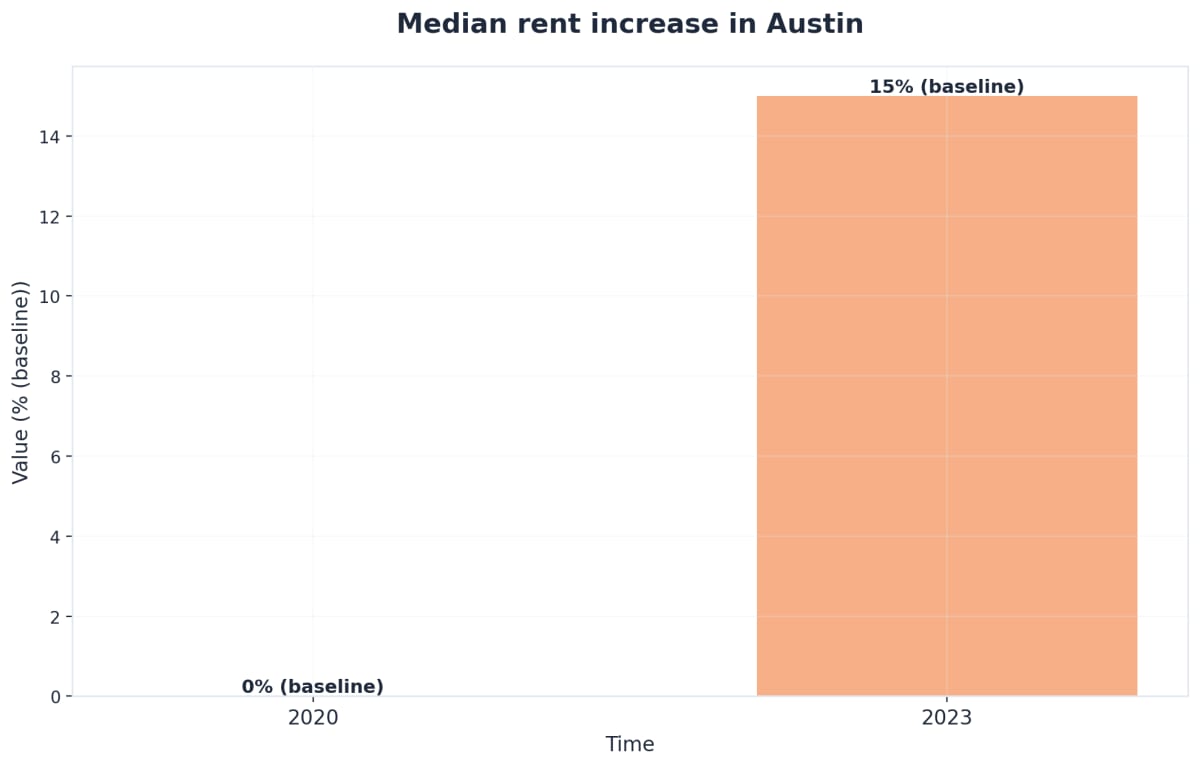
Navigating Austin’s housing affordability crisis is a real challenge for anyone seeking stability, and it’s especially pressing for those in recovery. In recent years, the city has seen a 15% jump in median rents between 2020 and 2023, making it much harder for residents to find safe, affordable places to live.10 Neighborhoods like North Loop, Brentwood, and Montopolis have all felt the squeeze, with fewer rental units available under $1,000 per month—a number that has dropped by 29% across Texas in the last decade.10
For individuals searching for sober living houses in Austin Texas, this cost pressure can put recovery at risk. Many Austinites in recovery have shared that without these supportive environments, they could not have transitioned safely toward independence. For example, Angela from South Austin credits her stable journey to a sober home near the St. Edward’s University area: “With rent rising everywhere, I would have struggled to find anywhere safe or supportive enough to focus on my recovery.”
Despite these challenges, the local recovery community is responding with strategic solutions:
Types of Sober Living Houses in Austin Texas Available Today
Peer-Run and Monitored Recovery Residences
Peer-run and monitored recovery residences are the foundation of many sober living houses in Austin Texas, offering both community-driven structure and varying degrees of oversight. In neighborhoods like North Loop, Windsor Park, and South Congress, peer-run homes empower residents to share responsibilities and decision-making, fostering a sense of ownership and trust among community members.
These residences are often located near familiar local spots, such as Patterson Park or just minutes from the bustling Mueller development, making them accessible and inviting for Austinites seeking support close to home. Monitored recovery residences take this supportive environment a step further by introducing house managers or senior residents. This model is common in areas like Allandale and Travis Heights, where having a dedicated leader helps maintain a safe, welcoming environment.
Both peer-run and monitored homes encourage regular house meetings, mutual support, and participation in local recovery groups—cornerstones of Austin’s recovery culture.1 Local testimonials highlight the real-world impact. For example, Jamie from Bouldin Creek shared, “Being in a monitored house kept me focused and gave me the encouragement I needed to find work.”
Specialized Housing for Unique Recovery Needs
Specialized housing options within sober living houses in Austin Texas are meeting the needs of a growing and diverse local recovery community. In neighborhoods like Clarksville, East Riverside, and Brentwood, several homes now offer environments specifically designed for LGBTQ+ residents or those seeking gender-affirming support. This focus helps create safe spaces where individuals feel seen and respected, which is vital for healing and belonging.
Understanding MAT Policies in Austin Homes
Many sober living houses in Austin Texas now welcome residents who use Medication-Assisted Treatment (MAT) for opioid or alcohol use disorders. Adhering to updated National Alliance for Recovery Residences (NARR) standards, these homes recognize that MAT and abstinence can coexist to support personal recovery goals.6 Always ask specifically about storage and administration protocols when touring a home.In addition, some residences offer support for those with co-occurring mental health challenges, integrating peer recovery coaching and partnerships with local therapists. Accessibility is a priority as well; specialized homes often locate near key transit routes like Capital Metro’s Orange Line, making it easier for residents to attend outpatient programming or work in downtown Austin. With more than 40,000 Austinites needing ongoing recovery support, these offerings reflect Austin’s commitment to inclusivity and individualized care.3
Choosing the Right Recovery Housing Across Austin Neighborhoods
Location plays a crucial role in recovery success, influencing everything from access to support services to daily routines that reinforce sobriety. Austin’s diverse neighborhoods offer distinct environments for recovery housing, each with unique characteristics that can either support or challenge an individual’s journey. Understanding these differences helps those in recovery—and their families—make informed decisions about where to begin this important chapter.
Central and South Austin: Urban Recovery Communities Central Austin neighborhoods like Hyde Park and North Loop provide easy access to multiple recovery housing options, outpatient treatment centers, and peer support meetings. The walkability of these areas reduces transportation barriers, allowing residents to attend daily programming and connect with their recovery community without depending on vehicles. For example, The Recovery House on North Loop Boulevard offers structured sober living with immediate access to three different 12-step meeting locations within a ten-minute walk.
South Austin recovery housing options attract those seeking a more laid-back atmosphere while remaining close to employment opportunities and educational resources. Areas near Zilker Park and South Congress provide outdoor recreation opportunities that complement recovery housing programs emphasizing wellness and physical health. Austin Recovery reports that approximately 40% of their South Austin residents participate in outdoor wellness activities as part of their recovery plan.
East Austin: Affordable and Culturally Responsive Options East Austin has experienced significant growth in recovery housing availability over the past five years, with the number of licensed facilities increasing by nearly 60% according to local recovery housing networks. Many facilities in this area offer culturally responsive programming and bilingual support services. This area provides more affordable housing options—with monthly costs typically ranging from $600 to $900 compared to $800 to $1,200 in Central Austin—while maintaining proximity to downtown employment centers.
North Austin Suburbs: Structured Environments for Focused Recovery For those who find quieter environments more conducive to early recovery, housing in North Austin neighborhoods like Pflugerville and Round Rock offers structured settings with fewer urban distractions. These suburban locations provide space for reflection and healing while still connecting residents to Austin’s broader recovery community through transportation services. Many recovery housing programs in these areas feature larger properties with outdoor spaces for group activities and therapeutic recreation.
Matching Location to Recovery Needs When evaluating recovery housing across Austin neighborhoods, proximity to existing support networks deserves careful consideration. Transportation access becomes crucial for those maintaining employment or attending outpatient treatment. Some recovery housing programs provide van services to essential appointments, while others are situated along Capital Metro bus routes for greater independence. Researching crime statistics and speaking with current residents about their experiences in different areas provides valuable perspective.
Building Your Recovery Foundation with Comprehensive Support
The neighborhoods and locations you choose for recovery housing directly influence the quality and accessibility of support services available to you. Recovery housing in Austin provides more than just a place to stay—it creates a structured environment where individuals can rebuild their lives with comprehensive support systems. Facilities like those affiliated with the Austin Recovery Network connect residents with case management services, employment assistance through partnerships with Goodwill Central Texas, and ongoing therapy through providers like Integral Care, Austin’s mental health authority.
Many recovery housing programs in Austin facilitate peer support through house meetings, shared responsibilities, and community activities. Organizations such as the Texas Association of Addiction Professionals (TAAP) certify recovery residences that meet specific standards for peer-based support and accountability. This approach helps residents develop responsibility while building meaningful connections with others who understand their journey.
Regular drug screening and house rules maintain a safe, substance-free environment that protects everyone’s progress, with Austin-area facilities reporting sobriety success rates of 65-75% for residents who complete their programs. The foundation built in recovery housing extends beyond immediate sobriety. Residents learn life skills like budgeting through financial literacy workshops offered by local nonprofits, conflict resolution techniques in group settings, and time management—tools essential for long-term independence.
Frequently Asked Questions
Can I live in sober living houses in Austin Texas if I’m taking medication-assisted treatment?
Yes, many sober living houses in Austin Texas do welcome residents who are taking medication-assisted treatment (MAT) for opioid or alcohol use disorders. Recent updates to national standards, including those set by the National Alliance for Recovery Residences (NARR), support the integration of MAT in recovery housing environments6. In Austin neighborhoods like East Riverside and Clarksville, several homes have embraced this more inclusive approach, helping residents pursue their recovery goals while using prescribed medications. It’s important to ask each house about their specific policies regarding MAT, as some may still follow a traditional abstinence-only model. Always look for sober living houses in Austin Texas that clearly state their stance on MAT and are aligned with evidence-based recovery practices.
How long should I plan to stay in sober living houses in Austin Texas for the best recovery outcomes?
For the best recovery outcomes, experts recommend staying in sober living houses in Austin Texas for at least six months. Research shows that individuals who remain in these environments for this length of time experience significantly lower rates of substance use recurrence and greater improvements in employment and legal stability than those with shorter stays24. In fact, one major study found that people who stayed over 90 days nearly doubled their recovery rates at one year compared to those who left earlier (46.8% vs. 24.1%)4. This extended time allows residents to build strong routines, form supportive relationships, and develop crucial life skills in a safe and encouraging setting.
Are there sober living houses in Austin Texas that welcome LGBTQ+ individuals?
Yes, there are sober living houses in Austin Texas that specifically welcome LGBTQ+ individuals. Several homes in neighborhoods like Clarksville, East Riverside, and Brentwood have developed affirming environments where LGBTQ+ residents can feel safe and supported during their recovery journey. These specialized sober living houses in Austin Texas often focus on gender-affirming care and inclusive policies, helping residents build a sense of belonging and community. This approach reflects the city’s commitment to meeting the needs of a diverse recovery population, as highlighted in recent research and local initiatives6. When exploring options, ask each house about their inclusivity policies to ensure the environment aligns with your needs.
Does Texas Medicaid cover sober living houses in Austin Texas?
Texas Medicaid does not routinely cover the cost of rent for sober living houses in Austin Texas. However, Medicaid does provide coverage for a range of substance use disorder services, including outpatient treatment, medication-assisted treatment (MAT), and some types of residential care9. In Austin, some sober living houses may partner with outpatient treatment providers or recovery programs that accept Medicaid, allowing residents to access therapy and other recovery supports while living in the house. It’s important to ask each residence about their specific partnerships, as coverage and eligibility can vary. For direct rent assistance, residents may need to explore other local or nonprofit resources.
What’s the difference between peer-run and monitored sober living houses in Austin Texas?
Peer-run sober living houses in Austin Texas are managed collectively by the residents, who share household responsibilities, make group decisions, and support each other’s recovery journey. This model is common in neighborhoods like North Loop and Mueller, where the focus is on self-governance and mutual accountability. In contrast, monitored sober living houses in Austin Texas include a house manager or senior resident who provides light oversight and helps maintain daily structure. You’ll find these homes in areas like Allandale and Travis Heights, offering a bit more guidance while still promoting independence. Both types are recognized by the National Alliance for Recovery Residences for fostering supportive, community-based recovery environments1.
Can I work full-time while living in sober living houses in Austin Texas?
Yes, you can work full-time while living in sober living houses in Austin Texas. In fact, gaining and maintaining employment is encouraged as part of the recovery process, and many residents find jobs in nearby neighborhoods such as Hyde Park, South Congress, or The Domain. Sober living houses in Austin Texas are designed to support real-world responsibilities, including employment, education, and volunteering. House rules may require residents to seek work or participate in daily activities, which help structure time and build accountability. Research shows that extended stays in recovery housing lead to higher employment rates and improved long-term stability for Austin residents24. Always check with each house for specific expectations regarding work and schedules.
How do I verify that sober living houses in Austin Texas meet quality standards?
To verify that sober living houses in Austin Texas meet quality standards, look for homes certified by the National Alliance for Recovery Residences (NARR). NARR certification means a residence has met strict guidelines for safety, ethical operations, and recovery-focused support1. Always ask if the home is NARR-certified and request to see documentation or check the NARR website for a list of approved residences. Reputable sober living houses in Austin Texas should also have clear house rules, resident agreements, and a transparent grievance process. Visiting the house and talking with current residents about their experiences in different areas provides valuable insight into the home’s commitment to quality and safety.
Conclusion
Choosing the right recovery housing in Austin represents a crucial decision that can significantly influence your recovery journey. Throughout this guide, we’ve explored how different Austin neighborhoods offer distinct advantages—from the walkable, community-focused atmosphere of East Austin to the tranquil, nature-oriented setting of West Lake Hills, and the structured support available in Central Austin’s recovery-dense areas.
The path to finding ideal recovery housing isn’t one-size-fits-all, and your neighborhood priorities will reflect your unique recovery needs. What matters most is identifying locations that align with your stage of recovery, lifestyle preferences, and support requirements. Whether you prioritize proximity to twelve-step meetings, access to employment opportunities, or a quieter environment away from triggering locations, Austin’s diverse neighborhoods offer options to support your specific journey.
Quality recovery housing provides more than just a place to stay—it offers the structured environment, peer accountability, and community connections that create sustainable recovery outcomes. By carefully evaluating neighborhood characteristics, proximity to essential resources, and the recovery culture of different Austin areas, you can find housing that supports your long-term sobriety goals. Your recovery housing search starts with understanding your needs and exploring the neighborhoods that best align with your vision for lasting change.
References
- Standards – National Alliance for Recovery Residences. https://narronline.org/standards/
- Recovery housing for substance use disorder: a systematic review. https://pmc.ncbi.nlm.nih.gov/articles/PMC11922849/
- A Vision for Addressing Illicit Drug Use in Austin. https://texascjc.org/files/system/files/publications/a%20vision%20for%20addressing%20 illicit%20drug%20use%20in%20austin.pdf
- The Stunning Correlation Between Length of Stay and One-Year Abstinence. https://vista-research-group.com/Correlation-Between-LOS-One-Year-Abstinence
- Peers Supporting Recovery from Substance Use Disorders – SAMHSA. https://www.samhsa.gov/sites/default/files/programs_campaigns/brss_tacs/peers-supporting-recovery-substance-use-disorders-2017.pdf
- Choice Matters: Housing Models that May Promote Recovery for Individuals and Families Facing Opioid Use Disorder. https://aspe.hhs.gov/reports/choice-matters-housing-models-may-promote-recovery-individuals-families-facing-opioid-use-disorder-0
- Racial/Ethnic Differences in Substance Use, Substance Use Disorders, and Substance Use Treatment Utilization – SAMHSA. https://www.samhsa.gov/data/sites/default/files/reports/rpt35326/2021NSDUHSUChartbook102221B.pdf
- Role of Recovery Residences in Criminal Justice Reform. https://pmc.ncbi.nlm.nih.gov/articles/PMC5837923/
- Substance Use Disorder Benefits to Change for Texas Medicaid – TMHP. https://www.tmhp.com/news/2018-11-16-substance-use-disorder-benefits-change-texas-medicaid-january-1-2019
- Housing affordability gap hits Texas. https://comptroller.texas.gov/economy/fiscal-notes/economics/2024/aff-housing/