
Key Takeaways
- Neuroplasticity: Meditation in recovery actively rewires the brain, strengthening the prefrontal cortex (decision-making) and calming the amygdala (stress response).
- Framework Selection: Choose MBRP for craving management and relapse prevention, or MORE if you are managing chronic pain alongside substance use.
- Consistency Over Duration: Research indicates that just 10–20 minutes of daily practice can yield measurable improvements in emotional regulation within eight weeks.
- Dual Diagnosis Support: Mindfulness practices are effective complements for treating co-occurring conditions like PTSD, anxiety, and depression.
How Meditation in Recovery Rewires the Addicted Brain
Understanding the Neuroscience of Addiction
A clear understanding of the neuroscience of addiction can help explain why cravings and compulsions feel so overwhelming. When someone develops a substance use disorder, repeated exposure to drugs or alcohol changes how the brain’s reward system functions. These substances trigger a flood of dopamine—a chemical linked to pleasure and motivation—causing the brain to associate certain behaviors with intense rewards. Over time, natural rewards like relationships or hobbies lose their appeal, and the drive to seek substances takes over.8
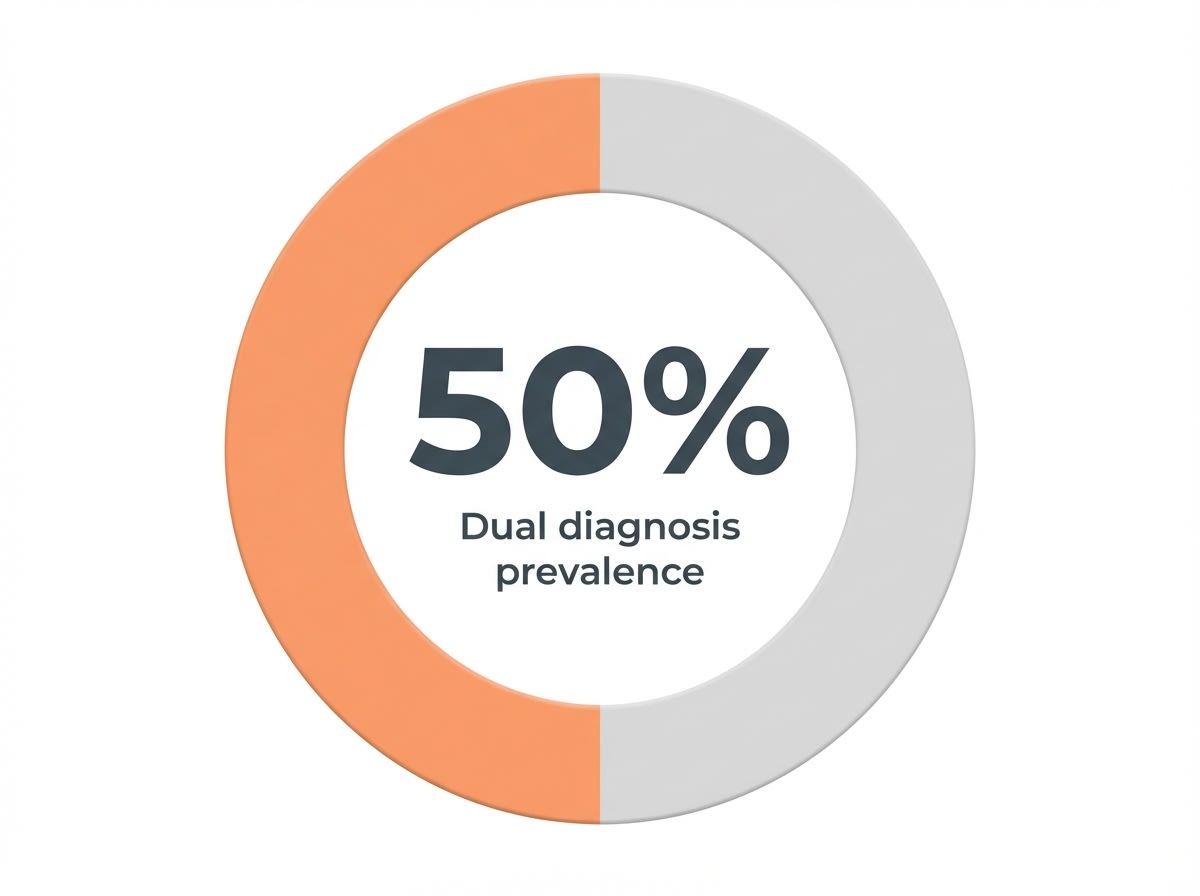
Addiction also disrupts the balance between the brain’s prefrontal cortex (the area responsible for decision-making and self-control) and the amygdala (which governs stress and emotional responses). This shift makes it harder to resist urges, manage stress, and recover after setbacks. More than 50% of people seeking help for substance use also experience mental health challenges such as anxiety or depression, further complicating recovery.1
Understanding these brain changes is essential for anyone seeking sustainable healing. Meditation in recovery is designed to address these specific neurological shifts, making it a valuable addition to evidence-based treatment plans. By targeting these brain circuits, individuals can gradually rebuild healthy patterns and reclaim a sense of control.
Next, we’ll explore how meditation practice can promote tangible brain changes and support long-term recovery.
Brain Changes Through Meditation Practice
A growing body of research demonstrates that regular meditation practice leads to meaningful brain changes, especially for those healing from substance use disorders. Using meditation in recovery helps restore the prefrontal cortex, the part of the brain responsible for decision-making and impulse control—functions often impaired by addiction. Studies show that meditation can increase gray matter density in this region, supporting better self-regulation and judgment over time.9
Meditation also calms the amygdala, which governs stress and emotional reactions. When practiced consistently, meditation in recovery reduces reactivity to emotional triggers and decreases cravings by encouraging a more balanced response to stressful situations. This effect is particularly important, as unmanaged stress is a leading cause of relapse.9
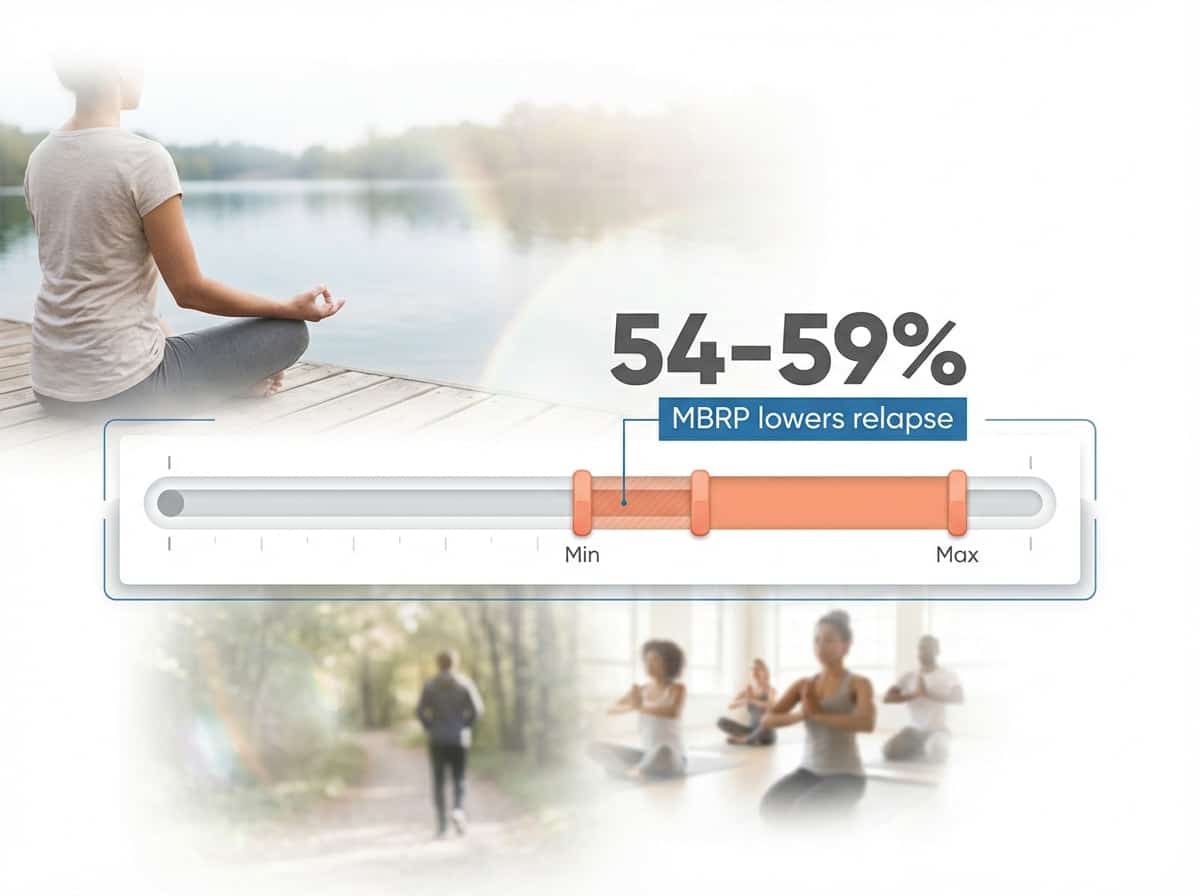
Mindfulness-based approaches have been linked to a 54–59% lower risk of relapse at 12 months compared to treatment-as-usual, highlighting the lasting changes possible when these practices are integrated into a comprehensive care plan.2
Additionally, meditation in recovery supports the brain’s reward system, gradually shifting the focus away from the intense, short-term rewards of substances back toward natural sources of pleasure and connection. Up next, we’ll look at specific evidence-based meditation frameworks that build on these brain changes to create lasting support for recovery.
Evidence-Based Frameworks for Meditation in Recovery
Mindfulness-Based Relapse Prevention
Mindfulness-Based Relapse Prevention (MBRP) provides a structured and research-backed tool for individuals seeking to sustain recovery and prevent relapse. To determine if MBRP is a strong fit, use this quick self-assessment checklist:
- Are you looking for practical skills to handle cravings and triggers?
- Have you experienced repeated cycles of relapse despite traditional therapy?
- Do you want to reduce automatic, impulsive reactions to stress or negative emotions?
- Would you benefit from group support and guided meditation practice?
If you answered yes to most of these, MBRP could be a valuable addition to your recovery plan. MBRP combines meditation in recovery with proven cognitive-behavioral strategies. Participants learn to recognize early warning signs of relapse and respond with mindful awareness rather than falling back on old habits.
Over an eight-week program, individuals attend weekly group sessions (usually 1.5–2 hours each) and are encouraged to practice at home using guided meditations and reflection exercises. The time investment is moderate, but regular practice yields real-world benefits. Studies show that using Mindfulness-Based Relapse Prevention can lower relapse risk by 54–59% at twelve months compared to standard treatment, and participants report 31% fewer drug use days after one year. This approach works best when integrated alongside other supports, especially for those who have tried other methods without lasting results.2
Next, we’ll compare MBRP to another leading framework—Mindfulness-Oriented Recovery Enhancement—and see how each supports meditation in recovery.
Mindfulness-Oriented Recovery Enhancement
Mindfulness-Oriented Recovery Enhancement (MORE) stands out as a specialized approach for those navigating both substance use challenges and chronic pain. To decide if MORE is a strong fit, consider this decision tree:
- Are you experiencing ongoing pain alongside substance use disorder?
- Do you want to strengthen your ability to notice and savor positive experiences?
- Are you seeking a method that blends mindfulness with cognitive training and emotion regulation?
If most answers are yes, this framework may align well with your needs. MORE integrates meditation in recovery with unique practices known as “savoring” exercises, which help retrain the brain’s reward centers to find pleasure in natural, everyday experiences rather than substances. This is especially useful for individuals whose reward systems have been dulled by chronic drug use.
| Feature | MBRP (Relapse Prevention) | MORE (Recovery Enhancement) |
|---|---|---|
| Primary Focus | Managing cravings and preventing relapse triggers. | Managing chronic pain and restoring natural reward processing. |
| Key Technique | “Urge Surfing” and non-judgmental awareness. | “Savoring” positive experiences to boost dopamine naturally. |
| Best For | Individuals with a history of relapse or high stress reactivity. | Individuals with co-occurring chronic pain or anhedonia (inability to feel pleasure). |
The program typically involves eight weekly sessions (1.5–2 hours each), guided group practice, and daily home meditations. The primary resource required is a commitment to regular practice—no special equipment is needed. Research shows that mindfulness-based treatments like MORE support emotional regulation and decrease distress among people with substance use disorders, leading to meaningful improvements in well-being and a more positive outlook on life.1
In the next section, we’ll explore how meditation in recovery can also address co-occurring conditions such as anxiety, depression, and PTSD.
Meditation for Co-Occurring Conditions
Addressing Anxiety, Depression, and PTSD
Many individuals seeking recovery from substance use also experience mental health challenges such as anxiety, depression, or post-traumatic stress disorder (PTSD). In fact, over half of people in treatment have a dual diagnosis, meaning they face both substance use disorder and another mental health condition simultaneously. This overlap can make recovery more complex, but meditation in recovery is a versatile tool that addresses these intertwined struggles head-on.1
Meditation in recovery helps reduce symptoms of anxiety and depression by promoting calm, present-moment awareness and interrupting cycles of negative thought. Scientific studies show that mindfulness meditation programs lead to moderate improvements in both anxiety and depression, with effect sizes comparable to some antidepressant medications (0.38 for anxiety and 0.30 for depression after eight weeks of practice). This means meditation in recovery can offer tangible relief, particularly when combined with other supports.6
For those living with PTSD, meditation in recovery supports the gradual retraining of the brain’s stress response. Mindfulness practices help individuals notice and respond to traumatic triggers with greater emotional distance, rather than becoming overwhelmed. This can foster a sense of safety, reduce distress, and support the healing process for trauma survivors. Meditation in recovery is especially valuable for people who desire a non-pharmacological approach to managing co-occurring symptoms and who are willing to invest in regular practice at home or in group settings.1
The next section explores how meditation in recovery strengthens emotional regulation skills, forming an essential foundation for lasting wellness.
Building Emotional Regulation Skills
Developing strong emotional regulation skills is a cornerstone of sustainable recovery, especially for individuals managing substance use alongside other mental health conditions. A practical emotional regulation self-assessment can help you identify areas for growth:
Click to Expand: Emotional Regulation Self-Assessment
- Do you often feel overwhelmed by strong emotions?
- Are you able to pause before reacting to stress or disappointment?
- Can you notice and name your feelings without judgment?
If these questions highlight challenges, integrating meditation in recovery may offer valuable support. Meditation in recovery works by increasing awareness of emotions as they arise, helping individuals respond thoughtfully rather than react impulsively. This mindful awareness interrupts the cycle of automatic behaviors that often fuel relapse and emotional distress.
Research shows that meditation in recovery enhances executive function—skills like self-control, flexible thinking, and distress tolerance—by strengthening neural pathways in the prefrontal cortex and reducing reactivity in the amygdala. These changes translate into better stress management and a more balanced response to emotional triggers. People who consistently practice meditation in recovery report improved relationships, greater patience, and a stronger sense of inner stability.1,9
This approach is ideal for those who want practical tools for daily life and are open to committing 10–20 minutes a day to practice. No special equipment is required, and home practice can be supported by guided audio or group sessions. By building emotional regulation skills through meditation in recovery, individuals lay the groundwork for resilience and long-term wellness.
Next, the focus shifts to how to begin and maintain a meditation practice during the first month of recovery.

Implementing Meditation in Daily Recovery
Starting Your Practice: First 30 Days
Starting a meditation in recovery practice during the first 30 days offers a gentle, structured way to support healing. A simple checklist can ease the process for beginners:
- Environment: Choose a quiet space where you feel safe and comfortable.
- Timing: Set aside 5–10 minutes daily, ideally at the same time.
- Tools: Use guided audio practices or a meditation app for structure.
- Reflection: Record brief reflections after each session to track your experiences.
In the early days, it’s common to notice racing thoughts, restlessness, or self-doubt. These are natural and not a sign of failure. Studies show that even short, daily meditation in recovery sessions can produce noticeable improvements in emotional regulation and stress response within eight weeks, supporting motivation to continue.1
The time investment is minimal—just ten minutes a day is enough to start building new habits. Free or low-cost resources such as smartphone apps make practice accessible. This method works well for people who value routine and want a manageable entry point as they adjust to life in recovery. As confidence grows, individuals can gradually increase session length or explore group practice. Establishing this foundation early fosters resilience and self-compassion, laying the groundwork for long-term success.
Next, discover strategies for overcoming the most common challenges that arise as meditation in recovery becomes a daily routine.
Overcoming Common Practice Challenges
Even with a strong start, many people encounter obstacles as they weave meditation in recovery into daily life. Common challenges include difficulty focusing, frustration over perceived lack of progress, and emotional discomfort when sitting quietly. To navigate these hurdles, a practical troubleshooting checklist can help:
- Judgment: Notice if you’re judging your experience—self-compassion is key.
- Restlessness: If anxiety arises, shorten sessions or try a walking meditation.
- Structure: Use guided practices from meditation apps for structure and support.
- Patterns: Track patterns: Are certain times of day more challenging? Adjust accordingly.
Research highlights that some individuals may experience distress or discomfort when beginning meditation in recovery, which can lead to discontinuing practice. Recognizing that setbacks are normal can ease pressure and encourage persistence. This path makes sense for anyone willing to experiment and adapt—the benefits of meditation in recovery grow with consistency, not perfection.2
Support from peers, groups, or professionals can increase accountability and provide reassurance during rough patches. As individuals learn to overcome these challenges, meditation in recovery becomes a more reliable and empowering tool for long-term wellness. Next, the article addresses common questions about results, expectations, and how to tailor meditation in recovery to individual needs.
Frequently Asked Questions
How long does it take to see results from meditation in recovery?
Most people using meditation in recovery notice small shifts in mood, stress, or focus within a few weeks of starting regular practice. Research shows that many participants experience moderate improvements in anxiety and depression after just eight weeks of mindfulness meditation, with results similar to some medications. Consistency is key—daily sessions of 10–20 minutes are often enough to produce these benefits. However, everyone’s timeline is unique. Some may feel calmer or more resilient quickly, while for others, the effects build gradually over time. Staying patient and maintaining a steady routine helps maximize the positive impact of meditation in recovery.6
Can meditation replace traditional therapy or medication for substance use disorder?
Meditation in recovery is a valuable tool, but it should not be seen as a replacement for traditional therapy or medication when treating substance use disorder. Research shows that meditation in recovery can reduce relapse risk and support emotional regulation, yet the effect sizes are generally moderate, indicating that meditation works best as part of a comprehensive care plan rather than as a stand-alone solution. For many, combining meditation in recovery with evidence-based therapies and, when needed, medication offers the safest and most effective path to long-term wellness. Always consult with a qualified professional before making changes to your treatment approach.1
What should I do if meditation makes me feel more anxious or uncomfortable?
If meditation in recovery brings up anxiety or discomfort, it’s a common experience—especially early on. Some people find that sitting quietly with thoughts or emotions can feel overwhelming, and research shows this may lead a few individuals to stop practicing altogether. If this happens, try shorter sessions, consider guided practices, or explore movement-based options like walking meditation. Reaching out to a trained professional, support group, or peer can also help you process these feelings in a safe environment. Remember, meditation in recovery is meant to support healing, not cause distress—adapting your approach is always encouraged.2
How do I choose between different meditation approaches like MBRP and MORE?
Choosing between Mindfulness-Based Relapse Prevention (MBRP) and Mindfulness-Oriented Recovery Enhancement (MORE) depends on your unique needs during meditation in recovery. MBRP is a strong fit for those focused on preventing relapse and learning practical strategies to manage cravings and high-risk situations, especially if repeated cycles of relapse have been a challenge. On the other hand, MORE is designed for individuals dealing with both substance use and chronic pain, as it combines mindfulness with specific techniques that help restore natural reward and pleasure. Consider which approach aligns best with your current challenges and goals—both frameworks have research support, so the most helpful option is the one that addresses your personal circumstances and feels sustainable for you.1,2
Is meditation effective if I have both a substance use disorder and PTSD?
Yes, meditation in recovery is considered effective for individuals who have both a substance use disorder and PTSD. Research shows that nearly half of people with PTSD also experience substance use challenges, and mindfulness-based meditation programs can offer relief for both conditions by improving emotional regulation and reducing distress. Meditation in recovery helps retrain the brain’s response to trauma triggers, fostering a greater sense of safety and resilience. While it is not a replacement for trauma-specific therapy, meditation in recovery is a valuable complement, especially when practiced regularly alongside other supports. Consistency and a compassionate approach are key to achieving the greatest benefits.1
Can I practice meditation in recovery if I have a busy work schedule?
Absolutely—you can practice meditation in recovery even with a busy work schedule. Meditation in recovery does not require long sessions to be beneficial; research shows that as little as 10 minutes a day can support emotional regulation and stress relief. Many people integrate short guided meditations into lunch breaks, commutes (with eyes open for safety), or as a brief morning or evening ritual. Smartphone meditation apps make it easy to practice on the go, offering flexibility for those with unpredictable routines. The consistency matters more than the duration, so even small, regular sessions can make a difference in your recovery journey.1,9
Are meditation apps as effective as in-person instruction for supporting recovery?
Meditation apps are increasingly popular for supporting meditation in recovery, offering guided practices and structure that fit into busy lifestyles. Early research suggests that smartphone apps like Calm and Headspace can produce mental health benefits comparable to in-person instruction, especially when used consistently. While in-person sessions provide personalized feedback and community support, meditation apps make daily practice more accessible and flexible, which may improve adherence for some individuals. This solution fits people who prefer self-paced learning or have limited access to local resources. For many, combining app-based meditation in recovery with occasional group or professional sessions provides a well-rounded, sustainable approach.9
Conclusion
For those seeking help with substance use disorders, understanding available treatment pathways marks an essential first step toward lasting recovery. This deeply personal journey requires courage, commitment, and comprehensive support. Evidence-based treatment options include Cognitive Behavioral Therapy (CBT), which helps identify and change harmful thought patterns; Medication-Assisted Treatment (MAT), combining FDA-approved medications with counseling; and Dialectical Behavior Therapy (DBT), which teaches emotional regulation skills. Levels of care range from medical detoxification (24/7 medical supervision during withdrawal), residential programs (intensive inpatient treatment), outpatient services (therapy while living at home), to ongoing aftercare and sober living environments.
Building a Foundation for Long-Term Success
The most effective treatment approaches recognize that recovery extends beyond addressing physical dependence. They incorporate evidence-based therapies, peer support, family involvement, and tools for building a fulfilling life in recovery. Research shows that individuals who complete treatment programs and engage in aftercare have success rates of 40-60% for maintaining long-term recovery—comparable to success rates for managing other chronic conditions like diabetes or hypertension. No single approach works for everyone, which is why personalized treatment plans that adapt to individual needs produce the best outcomes.
Taking the first step toward treatment can feel overwhelming, but help is available. Treatment centers across the country offer compassionate, professional care designed to support individuals at every stage of their recovery journey. Whether someone is exploring options for the first time or returning to treatment after a relapse, qualified professionals stand ready to provide the guidance needed for lasting change. Contact a treatment specialist today through SAMHSA’s National Helpline at 1-800-662-4357 for free, confidential support 24/7, or visit FindTreatment.gov to locate accredited facilities in your area.
Contact rippleranch.com today to learn how our evidence-based treatment approaches can help you reclaim your health, restore your relationships, and build the fulfilling life you deserve.
References
- Mindfulness meditation in the treatment of substance use disorders. PMC/NIH
- What is the role of mindfulness in treatment of substance use disorder?. RecoveryAnswers.org
- Meditation helps heal the brain during opioid addiction treatment. RecoveryAnswers.org
- Effectiveness of Mindfulness-based Relapse Prevention on Quality of Life. PMC/NIH
- Mindfulness Based Relapse Prevention: Efficacy and Mechanisms. ClinicalTrials.gov
- Meditation Programs for Psychological Stress and Well-being. JAMA Internal Medicine
- Mindfulness meditation: A research-proven way to reduce stress. APA.org
- The Neuroscience of Drug Reward and Addiction. PMC/NIH
- Neurobiological Changes Induced by Mindfulness and Meditation. PMC/NIH
- Mindfulness-Based Interventions for the Treatment of Substance and Behavioral Addictions. PMC/NIH