
Key Takeaways
- Skill Progression Roadmap: Learn to evaluate treatment models and confidently answer if is rehab affordable for your clients, progressing from basic program structures to advanced insurance navigation over the course of this guide.
- Essential Tools: Utilize insurance verification checklists, outcome-tracking spreadsheets, and sliding-scale directories to support your practice.
- Competency Checklist: Assess your readiness by comparing residential versus outpatient care, navigating parity laws, and coordinating with partners like Continuum Outpatient Center.
Understanding Rehabilitation Program Models: Is Rehab Affordable?
Residential Treatment Structure and Intensity
In this section, you’ll learn how residential rehabilitation programs are structured and why their intensity is both a strength and a challenge for individuals with co-occurring disorders. You’ll know you’ve mastered this when you can explain the core components of inpatient treatment and recognize its impact on outcomes and accessibility.
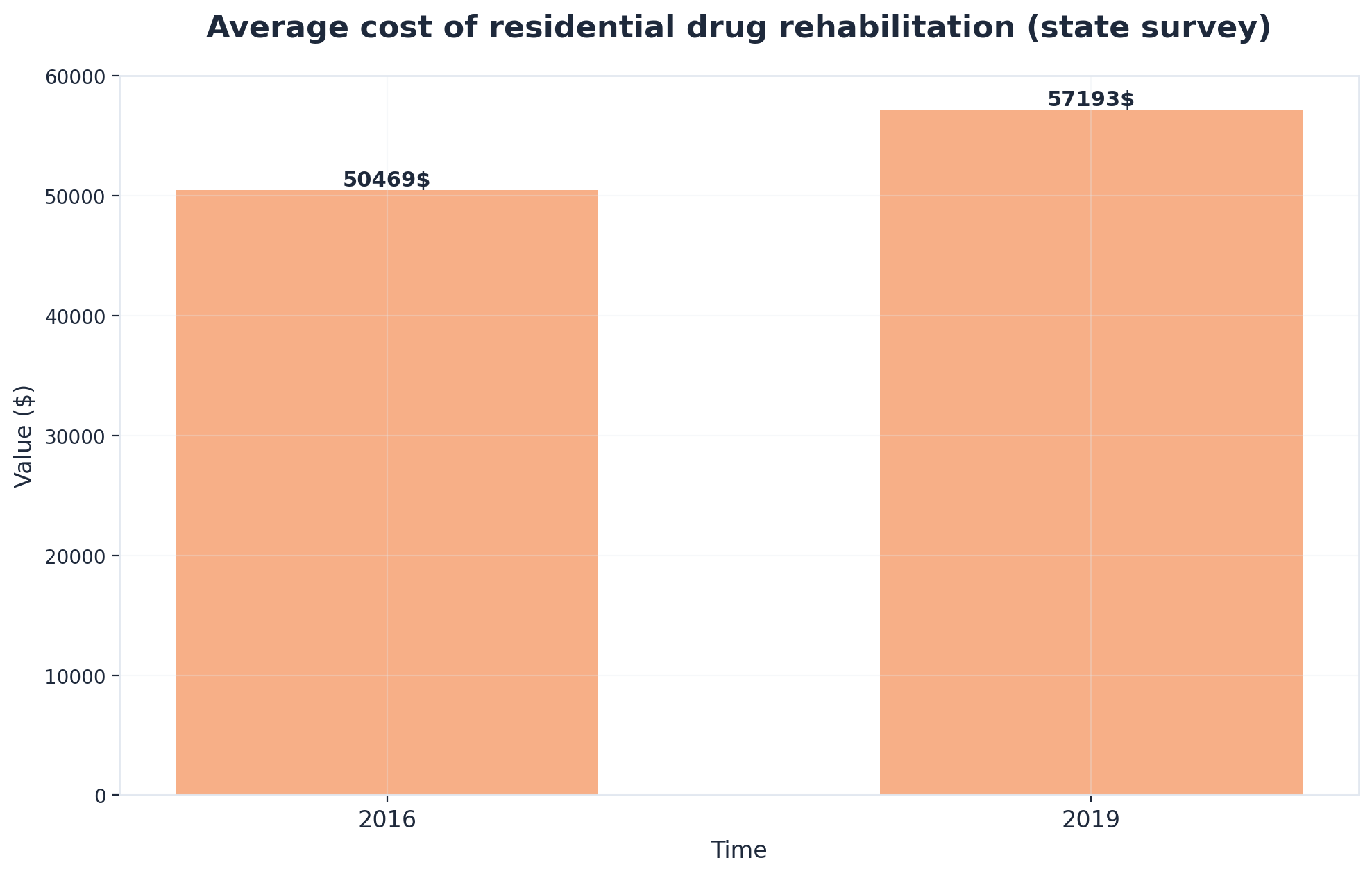
Residential treatment involves living on-site, with participants engaging in round-the-clock care that integrates medical monitoring, group and individual therapy, and structured daily routines. Think of residential treatment like a deep-sea diving bell—it provides a highly pressurized, completely controlled environment necessary for acute stabilization, shielding the individual from outside turbulence. This immersive approach is designed for individuals who benefit from an environment free from outside distractions, and it often includes specialized support for dual diagnosis populations.
The primary advantage is the intensity: clients receive continuous supervision, rapid stabilization, and a consistent therapeutic framework. This structure is especially effective for those with severe substance use and mental health symptoms who need a tightly controlled setting to initiate recovery3. However, the comprehensive nature of residential programs means they require significant resources, staffing, and infrastructure.
These factors can heavily influence the answer to the question, “Is rehab affordable?” compared to less intensive options. While residential care provides a high degree of safety and therapeutic engagement, it may be less accessible for those balancing work or family responsibilities, or those whose clinical needs do not require 24/7 supervision4.
| Feature | Residential Treatment | Outpatient Care |
|---|---|---|
| Supervision | 24/7 Medical & Clinical | Scheduled Sessions |
| Environment | Immersive, on-site living | Home-based, community integrated |
| Best For | Acute stabilization, severe symptoms | Mild/moderate symptoms, step-down care |
Skill Checkpoint: You’re ready for the next level when you can identify which patient profiles are best matched to residential versus other types of rehab care. Next, explore how outpatient models offer greater flexibility and accessibility for working professionals and those seeking more affordable options.
Outpatient Care Flexibility and Accessibility
This section focuses on how outpatient rehabilitation programs provide greater flexibility and enhance accessibility for individuals with co-occurring disorders. You’ll know you’ve mastered this section when you can describe the core elements of outpatient care, recognize its adaptability for diverse professional and personal schedules, and outline the ways it supports affordability—especially in partnership models like those involving Continuum Outpatient Center.
Outpatient care allows participants to attend therapy and clinical sessions while maintaining their work, education, or family commitments. Unlike residential programs, individuals return home after scheduled appointments, making outpatient models ideal for those with stable living environments or milder symptom profiles. The structure often includes group and individual counseling, psychiatric support, medication management, and holistic interventions, delivered in both daytime and evening slots.
Explore Flexible Scheduling Options
Many outpatient centers offer evening and weekend tracks specifically designed for working professionals, ensuring that career obligations do not hinder recovery. This adaptability is particularly effective for caregivers, as it minimizes disruption to daily life.
A growing number of outpatient programs, including those offered through collaborative networks, help address the question, “Is rehab affordable?” by reducing the need for extended on-site stays and leveraging insurance coverage. Current federal policies require most insurance plans to include behavioral health benefits, making outpatient treatment accessible to a broader population1. For individuals seeking dual diagnosis care, these programs offer evidence-based support without the higher resource demands of inpatient models4.
Practice This: Create a sample weekly schedule for an outpatient client managing work, therapy, and self-care. Skill Checkpoint: You’re ready for the next level when you can evaluate which patients are best suited for outpatient versus residential care, based on clinical stability and support needs. Next, examine how insurance coverage further improves accessibility for those exploring evidence-based rehab options.
How Insurance Coverage Makes Treatment Accessible When Asking Is Rehab Affordable
Federal Mandates for Behavioral Health Parity
In this section, you’ll learn how federal policy shapes the affordability of rehabilitation for individuals with co-occurring disorders. You’ll know you’ve mastered this when you can explain the role of behavioral health parity laws and how they broaden access to evidence-based rehab services.
“Federal mandates, including the Mental Health Parity and Addiction Equity Act, have fundamentally shifted the landscape, ensuring behavioral health is treated with the same urgency and financial backing as physical health.”
These laws have redefined the answer to the question, “Is rehab affordable?” They require most insurance providers to offer mental health and substance use treatment benefits that are comparable to coverage for other medical conditions. For professionals supporting dual diagnosis populations, this means that both inpatient and outpatient rehab—including programs tailored to co-occurring disorders—must be included in insurance plans, eliminating many historic gaps in care1.
Programs such as intensive outpatient care (often in partnership with organizations like Continuum Outpatient Center) benefit directly from these mandates. Furthermore, facilities like Ripple Ranch Recovery take insurance, ensuring that their comprehensive dual diagnosis treatments remain within reach for those who need them most. Outpatient models, already recognized for their flexibility and cost efficiency, can become even more accessible because insurance coverage is now standardized across many commercial policies.
This creates a more equitable environment for individuals managing both mental health and substance use challenges, supporting continuity of care and reducing the risk of financial hardship for patients1.
Practice This: Review a sample insurance policy and identify all covered services for behavioral health and substance use treatment. Note any parity requirements or exclusions. Skill Checkpoint: You’re ready for the next level when you can guide a patient or colleague through the process of verifying behavioral health benefits for various levels of care.
Navigating Benefits for Dual Diagnosis Care
In this section, you’ll learn practical strategies for maximizing insurance benefits when supporting individuals with co-occurring disorders. Mastery is demonstrated when you can map out the steps for verifying coverage, identify barriers to approval, and coordinate with outpatient partners to ensure seamless care.

Understanding the nuances of behavioral health coverage is key. Insurance plans often include specialized benefits for dual diagnosis care, but access may depend on correct coding, medical necessity documentation, and pre-authorization requirements. When reviewing policy documents online, you can often use Ctrl + F to search for specific billing codes. For example, verifying coverage for CPT 90834 (individual psychotherapy) is a standard first step.
Outpatient options, especially those offered in collaboration with centers like Continuum Outpatient Center, frequently offer more flexible scheduling and can be easier to coordinate with insurance, minimizing disruption for professionals and families. These outpatient models are not only clinically effective for many, but they often play a direct role in answering the question, “Is rehab affordable?” by reducing reliance on higher-cost inpatient care and allowing for ongoing engagement at a lower level of resource intensity1.
Navigating the process usually begins with a detailed benefits verification—confirming which levels of care, therapies, and medications are covered. Proactive communication with case managers and utilizing integrated care teams can help overcome common hurdles, such as denied authorizations or unclear eligibility.
Practice This: Develop a checklist for verifying insurance benefits for a client entering dual diagnosis outpatient care.
Step 1: Collect patient insurance details and verify active status.
Step 2: Verify behavioral health parity compliance and specific CPT codes.
Step 3: Submit pre-authorization with clinical necessity documentation.
Step 4: Coordinate with the billing department at the outpatient center.
Skill Checkpoint: You’re ready for the next level when you can troubleshoot a denied claim and coordinate with both clinical and insurance teams to resolve it. Next, investigate how outpatient models, including intensive outpatient programs and telehealth, create cost-effective pathways for sustained recovery.
Cost-Effective Pathways Through Outpatient Models
Intensive Outpatient Programs as Value Solutions
In this section, you’ll learn how intensive outpatient programs (IOPs) serve as value-focused solutions for individuals with co-occurring disorders, and how insurance acceptance and innovative partnerships make these programs more accessible. You’ll know you’ve mastered this when you can outline the core features of IOPs, describe their role in answering the question, “Is rehab affordable?”, and identify practical pathways for enhancing affordability—including through collaboration with centers like Continuum Outpatient Center.
Intensive outpatient programs offer a structured therapeutic environment, typically involving multiple sessions per week of group therapy, individual counseling, medication management, and skill-building. Unlike residential care, IOPs enable individuals to maintain daily responsibilities while engaging in high-frequency treatment. This model is especially effective for those who require more support than standard outpatient care but do not need round-the-clock supervision.
The flexibility inherent in IOPs is a key reason they have become a preferred option for working professionals and caregivers seeking dual diagnosis support. Collaborative outpatient networks help make IOPs more accessible and affordable by integrating insurance billing and offering extended care pathways.
Most insurance plans are now mandated to cover behavioral health treatments at parity with other medical services, allowing many IOP participants to utilize their benefits for both clinical and holistic care components1. Partnerships with outpatient centers, such as Continuum Outpatient Center, further streamline the process, connecting clients to evidence-based care without the resource intensity of inpatient programs4.
Practice This: Draft a sample treatment plan for an IOP participant, including weekly therapy hours, skill-building groups, and medication management. Skill Checkpoint: You’re ready for the next level when you can compare the patient experience and accessibility of IOPs to both standard outpatient and residential models.
Telehealth and Medication-Assisted Treatment Savings
In this section, you’ll learn how telehealth and medication-assisted treatment (MAT) are transforming affordable access to dual diagnosis care. You’ll know you’ve mastered this content when you can explain how these outpatient options lower logistical barriers and answer the core question: is rehab affordable for individuals with co-occurring disorders?
Telehealth delivers therapy, medication management, and psychiatric support directly to patients’ homes, removing the need for commuting or extended time away from professional and family responsibilities. This model supports greater appointment adherence and continuity of care, especially for working professionals or those in rural areas. Notably, research shows that individuals starting opioid use disorder treatment via telehealth experience a 33% lower risk of fatal overdose compared to those without telehealth access, highlighting both clinical and cost efficiencies10.
Medication-assisted treatment (MAT), which combines FDA-approved medications with therapy, provides a cost-efficient alternative to inpatient withdrawal management. MAT’s integration into outpatient care increases safety and reduces the need for repeated detox admissions, making it a sustainable pathway for many with dual diagnoses6.
Facilities partnering with outpatient centers, such as Continuum Outpatient Center, often coordinate MAT and telehealth to further streamline access and maximize insurance benefits. Practice This: Draft a telehealth session itinerary for a dual diagnosis client, including therapy, medication check-ins, and holistic supports.
Skill Checkpoint: You’re ready for the next level when you can outline a cost-effective, personalized treatment sequence using MAT and telehealth for clients with complex needs. Next, consider how financial planning tools—like sliding-scale fees and outcome-based care evaluation—help patients and their care teams make informed treatment investments.
Financial Planning Tools for Treatment Investment
Evaluating Total Cost of Care Versus Outcomes
In this section, you’ll learn how to assess the true value of rehabilitation by weighing total care expenses against measurable outcomes for individuals with co-occurring disorders. You’ll know you’ve mastered this when you can clearly compare different types of rehab—such as residential, intensive outpatient, and standard outpatient—by examining both their clinical impacts and resource demands.

Evaluating the question, “Is rehab affordable?” requires looking beyond upfront treatment costs. For instance, residential programs typically involve higher resource utilization due to 24/7 staffing and immersive therapeutic environments, often resulting in rapid stabilization for severe cases3. In contrast, outpatient models—including those delivered through collaborative centers—offer services like therapy, medication management, and holistic support with less disruption to work or family life.
This approach can reduce long-term costs, especially when paired with evidence-based interventions shown to decrease relapse or hospitalization rates4. Insurance coverage, now mandated to include behavioral health services, further offsets expenses and enables more patients to access the level of care matched to their needs1.
The most effective financial planning strategies consider not just the price tag, but also outcome data—such as rates of sustained recovery, patient satisfaction, and reductions in acute care utilization. For professionals, this means weighing short-term investment against anticipated improvements in quality of life and community participation for clients.
Practice This: Build a simple spreadsheet comparing outcome metrics (e.g., treatment completion, return-to-work rates) for residential versus outpatient rehab models in your practice context. Skill Checkpoint: You’re ready for the next level when you can use both cost and clinical data to justify treatment recommendations at care team meetings.
Sliding-Scale Fees and Alternative Funding Resources
In this section, you’ll learn how sliding-scale fees and alternative funding resources support affordability for individuals with co-occurring disorders. Mastery is demonstrated when you can identify practical options for reducing financial barriers—especially in outpatient settings and collaborative models such as those involving the Continuum Outpatient Center.
Sliding-scale fees adjust payment amounts based on an individual’s income or ability to pay. Many outpatient programs, including specialized dual diagnosis care, use this model to ensure treatment remains accessible for diverse socioeconomic backgrounds. By scaling fees, clinics create flexible entry points for those who may not qualify for public funding but who cannot afford standard rates, answering the question: is rehab affordable for a broader population1.
Alternative funding resources further expand access. Public block grants, charitable organizations, and community support funds often supplement or offset costs, particularly for outpatient care. Facilities may also connect clients to state or federal assistance programs, such as those offered through health exchanges or behavioral health initiatives.
For individuals who are underinsured or face high out-of-pocket expenses, these resources can be the difference between engaging in evidence-based care and going without support.
Practice This: Create a resource directory listing local and national funding programs, sliding-scale clinics, and community organizations that support dual diagnosis outpatient care. Skill Checkpoint: You’re ready for the next level when you can guide a client or colleague through available funding options to maintain continuity of treatment.
Frequently Asked Questions
What happens if my insurance claim for dual diagnosis treatment is denied?
If an insurance claim for dual diagnosis treatment is denied, there are several actionable steps professionals can take to protect continuity of care. Start with a thorough review of the denial letter—common reasons include missing documentation, insufficient medical necessity, or incorrect coding. Submit an appeal promptly, providing additional clinical evidence and clarifying the patient’s need for integrated mental health and substance use care. Many outpatient centers, especially those in collaborative networks, offer insurance advocacy services to help navigate the appeals process and ensure care is not disrupted. Federal parity laws support the right to challenge behavioral health denials1.
How does telehealth treatment compare to in-person care for reducing overdose risk?
Telehealth treatment has shown significant advantages in reducing overdose risk for individuals with opioid use disorder and co-occurring conditions. Compared to in-person care, telehealth enables more frequent and flexible access to therapy, medication management, and clinical monitoring—especially for clients facing barriers like transportation or scheduling conflicts. Recent research found that starting opioid use disorder treatment through telehealth was associated with a 33% lower risk of fatal overdose compared to those who did not access telehealth services10. For professionals supporting dual diagnosis populations, this highlights telehealth as an evidence-based, cost-efficient complement to traditional in-person care when considering if rehab is affordable.
Can I transition between treatment levels without restarting the insurance authorization process?
Transitions between treatment levels—such as moving from residential to outpatient care—do not always require restarting the insurance authorization process, but requirements can vary by insurer and clinical circumstances. Most insurance plans allow for step-down or step-up in care within a single episode, provided that medical necessity is clearly documented and pre-authorization guidelines are followed. Collaborative outpatient programs often coordinate these transitions to ensure continuity, minimizing administrative delays and supporting the ongoing question: is rehab affordable for clients with complex needs. Professionals should proactively communicate with insurance case managers to confirm requirements and avoid gaps in coverage1.
What documentation do I need to maximize insurance reimbursement for co-occurring disorder treatment?
To maximize insurance reimbursement for co-occurring disorder treatment, professionals should ensure documentation includes a clear diagnosis of both mental health and substance use conditions, evidence of medical necessity, and detailed treatment plans outlining services provided. Progress notes should demonstrate ongoing clinical need, patient response, and alignment with evidence-based practices. Pre-authorization forms, session attendance records, and thorough billing codes are also crucial for timely reimbursement. Outpatient programs often streamline this process by providing templates and insurance support, making it easier to answer, “Is Rehab Affordable?” for clients with dual diagnoses. Regularly reviewing insurer policy requirements helps reduce claim denials and maintain uninterrupted care1.
How do outpatient programs accommodate working professionals with unpredictable schedules?
Outpatient programs are designed with flexibility to meet the needs of working professionals who have unpredictable schedules. Many offer therapy sessions in the early morning, evening, or on weekends, allowing clients to attend without disrupting work commitments. Telehealth options have further expanded access, enabling individuals to receive therapy and medication management remotely, which can be scheduled around shifting obligations. This adaptability not only supports clinical engagement but also directly addresses the question, “Is Rehab Affordable?” by reducing indirect costs such as lost wages or travel time. Insurance coverage is widely accepted for these models, which improves both accessibility and affordability for individuals balancing career and recovery1.
What are the long-term cost differences between medication-assisted treatment and therapy-only approaches?
Medication-assisted treatment (MAT) and therapy-only approaches present distinct long-term cost profiles for dual diagnosis care. MAT, which combines FDA-approved medications with counseling, can reduce the need for repeated detox admissions and lower the risk of relapse, resulting in fewer hospitalizations and emergency interventions over time6. Therapy-only models may require longer engagement to achieve comparable outcomes, especially for opioid use disorder. Research indicates that integrating MAT into outpatient care not only increases safety but also supports cost savings by preventing acute episodes6. When evaluating if rehab is affordable, MAT often delivers sustained benefits while managing overall expenses for individuals with co-occurring disorders.
Conclusion
In this comprehensive guide, we have explored the various levels of care available for individuals with co-occurring disorders, breaking down the complexities of treatment models into actionable insights. By understanding the distinct advantages of residential treatment and the flexible, cost-effective nature of outpatient care, professionals can better guide their clients toward sustainable recovery.
A central theme throughout this exploration is addressing the critical question: is rehab affordable? As we have seen, federal parity laws, sliding-scale fees, and the integration of telehealth and medication-assisted treatment have significantly broadened access. Facilities like Ripple Ranch Recovery, which takes insurance and provides a full continuum of care, demonstrate that high-quality, evidence-based treatment is within reach.
Furthermore, strategic partnerships, such as the collaboration with Continuum Outpatient Center, highlight how intensive outpatient programs can deliver robust support while allowing individuals to maintain their daily professional and personal lives. By leveraging these resources and understanding how to navigate insurance benefits effectively, you are now equipped to help clients overcome financial barriers and invest confidently in their long-term health and well-being.
References
- Mental health & substance abuse coverage. https://www.healthcare.gov/coverage/mental-health-substance-abuse-coverage/
- National Helpline for Mental Health, Drug, Alcohol Issues. https://www.samhsa.gov/find-help/national-helpline
- Treatment and Recovery. https://nida.nih.gov/publications/drugs-brains-behavior-science-addiction/treatment-recovery
- 8 Types of Rehabilitation. https://www.usa.edu/blog/types-of-rehabilitation/
- Mental Health Insurance & Substance Use Benefits. https://www.cigna.com/knowledge-center/mental-health-insurance-substance-use-benefits
- Medication-Assisted Treatment FAQ. https://dph.illinois.gov/topics-services/prevention-wellness/substance-use-misuse/opioid-overdose/mat-faq.html
- Tele-treatment for substance use disorders. https://telehealth.hhs.gov/providers/telehealth-for-behavioral-health/tele-treatment-for-substance-use-disorders
- Co-Occurring Disorders and Health Conditions. https://nida.nih.gov/research-topics/comorbidity/co-occurring-disorders-health-conditions
- Integrating Mental Health and Addiction Treatment into General Medical Care Settings. https://www.ncbi.nlm.nih.gov/pmc/articles/PMC8941071/
- Increased Use of Telehealth Services and Medications for Opioid Use Disorder During the COVID-19 Pandemic Associated with Reduced Risk for Fatal Overdose. https://www.cdc.gov/mmwr/volumes/71/wr/mm7120a1.htm