
Key Takeaways
- Verify Credentials: Ensure the facility has Joint Commission or CARF accreditation.
- Check Medications: Confirm availability of buprenorphine or methadone options.
- Review Therapies: Look for trauma-informed care and dual diagnosis support.
- Outcome: You will find a safe, effective fentanyl rehab program tailored to your recovery needs.
Understanding Fentanyl’s Unique Treatment Needs
Why Fentanyl Requires Specialized Care
Fentanyl is far more potent than other opioids, estimated to be 50 to 100 times stronger than morphine. Finding the right fentanyl rehab program is the first step toward safety because this extreme potency raises the risk of overdose and makes withdrawal symptoms more severe and unpredictable. This is especially true when fentanyl is mixed with other substances found in the street drug supply3.
Because of these dangers, a fentanyl rehab program must be prepared with specialized medical support and carefully monitored withdrawal protocols. Another reason for specialized care is the rapid onset and short duration of fentanyl’s effects, which often lead to repeated use in short intervals. This pattern increases overdose risk and makes cravings especially intense, requiring targeted medications and therapies5.
Not all treatment settings are equipped to handle these unique challenges, so choosing a fentanyl rehab program with experience in this area is essential. Unfortunately, fewer than 1 in 5 people with opioid use disorder receive medication treatment, even though research shows this approach can save lives and help people stay in recovery longer5.
Access to evidence-based medications like buprenorphine and methadone, along with therapy and aftercare, greatly improves outcomes for people seeking recovery from fentanyl use. Programs that combine these elements offer the most effective and compassionate approach. Understanding why fentanyl requires specialized care helps families and individuals make informed choices when selecting a treatment provider.
The Role of Dual Diagnosis in Recovery
Dual diagnosis treatment is an essential part of recovery for many people entering a fentanyl rehab program. About half of those with a substance use disorder also experience a mental health condition, such as depression or anxiety, at some point in their lives7. When both conditions are present, they can make each other worse.

For example, fentanyl use may start as a way to cope with mental health symptoms, but over time, it can intensify those feelings and create new challenges. A fentanyl rehab program that offers integrated dual diagnosis care brings mental health and substance use treatment together in one plan. This approach allows the care team to address both issues at the same time, rather than treating them separately.
Programs that use this model often combine medication, therapy, peer support, and skills training, which research shows leads to better outcomes than treating only one condition7. Families and individuals should know that untreated mental health conditions can raise the risk of return to use or make it harder to stay engaged in treatment. In a supportive fentanyl rehab program, staff work with each person to develop coping tools for both mental health and substance use challenges, helping to build a stronger foundation for long-term recovery.
Step 1: Verify Fentanyl Rehab Program Accreditation
The first and most critical step when evaluating treatment options involves confirming proper accreditation and licensing. When a loved one needs help, researching credentials might feel overwhelming—yet these few minutes of verification can make all the difference in their recovery journey. These credentials serve as fundamental indicators that a facility meets established standards for safety, quality of care, and ethical treatment practices.
Accreditation from recognized organizations demonstrates that a center has undergone rigorous evaluation and maintains ongoing compliance with industry best practices. The Joint Commission stands as one of the most respected accrediting bodies, conducting comprehensive assessments of facility operations, treatment protocols, and patient safety measures.
| Credential Type | What to Look For | Why It Matters |
|---|---|---|
| The Joint Commission | Gold seal emblem with accreditation number | Ensures rigorous safety and quality standards. |
| CARF | Official accreditation certificate | Focuses specifically on rehabilitation services. |
| State License | Current license from state health agency | Verifies compliance with local laws and safety codes. |
When viewing a center’s credentials, look for a gold seal emblem with a specific accreditation number and expiration date—legitimate certificates include these verification details prominently. The Commission on Accreditation of Rehabilitation Facilities (CARF) represents another gold-standard accreditation, specifically focusing on behavioral health and rehabilitation services. Facilities holding these accreditations have proven their commitment to excellence through extensive review processes.
State licensing requirements vary by location, but every legitimate facility must maintain current licensure from appropriate state regulatory agencies. These licenses ensure compliance with local health and safety regulations, qualified staff credentials, and proper protocols for patient care. Prospective patients and their families should verify that any center under consideration displays current licenses and can provide documentation upon request.
Beyond basic licensing, look for specialized certifications relevant to specific treatment approaches or populations served. For instance, facilities offering medication-assisted treatment should have appropriate Drug Enforcement Administration registrations, while those serving adolescents should hold specialized youth treatment certifications.
Verification of these credentials requires minimal effort but provides maximum protection. Most facilities display accreditation information on their websites, but independent verification through accrediting body databases offers additional assurance. Simply visit the Joint Commission or CARF website and enter the facility name in their “Find an Accredited Organization” search tool. You can type the name into the search bar like this: Facility Name.
State health department websites typically maintain searchable databases of licensed facilities, allowing quick confirmation of a center’s standing. Taking time to verify these credentials protects individuals from unqualified providers and ensures access to evidence-based, professionally delivered care at reputable facilities.
Step 2: Evaluate Fentanyl Rehab Program Medications
Buprenorphine and Methadone Options
When considering a fentanyl rehab program, it is essential to understand the role of buprenorphine and methadone in supporting recovery. Both medications are evidence-based options that help reduce cravings and ease withdrawal symptoms, making it safer and more comfortable for people to begin and stay in treatment.
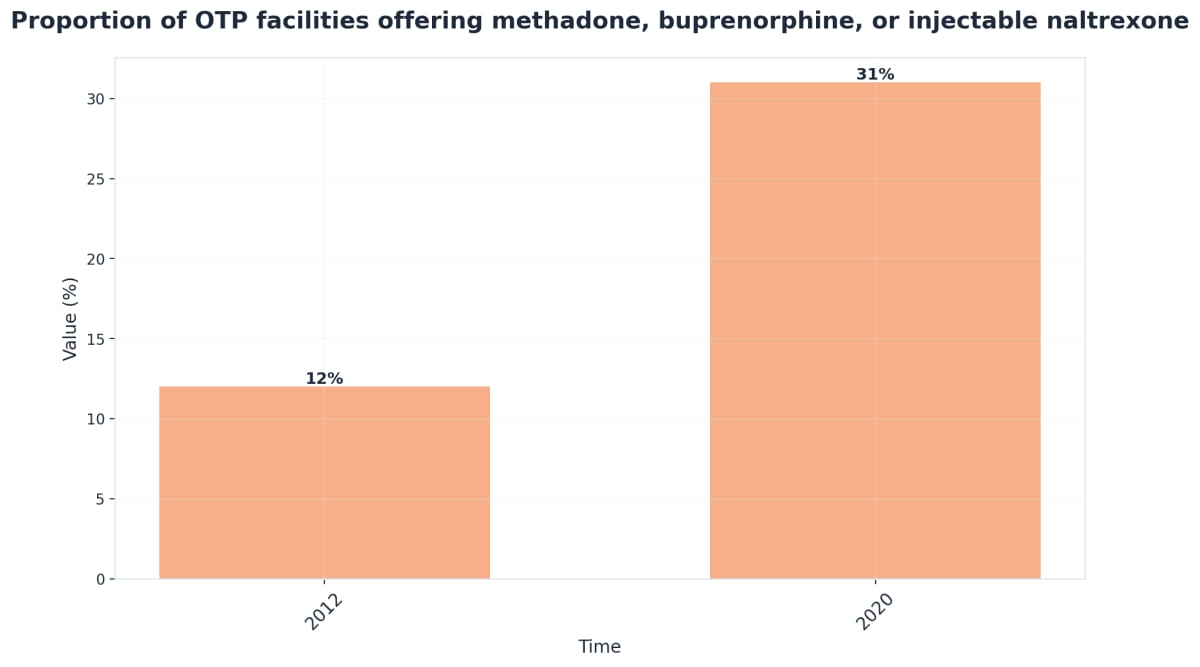
Research shows that methadone and buprenorphine are equally effective at helping people reduce opioid use, though some individuals may stay in treatment longer with methadone5. This means that the best choice often depends on each person’s needs, history, and preferences.
- Buprenorphine: Has become more widely available in recent years. Thanks to new regulations, doctors, nurse practitioners, and physician assistants can now prescribe buprenorphine without needing special waivers, which makes it easier for people to access this important medication in many healthcare settings1.
- Methadone: Is usually provided through specialized clinics and requires daily visits at first, but it can be a good fit for those who need more structure or who have not responded well to other medications.
A quality fentanyl rehab program will work with each person to decide which medication is most appropriate and will monitor progress closely. By offering both buprenorphine and methadone options, programs can better support safe withdrawal and long-term recovery.
Telehealth and Prescribing Flexibility
Telehealth has become a vital tool for expanding access to care in a fentanyl rehab program. During the COVID-19 pandemic, temporary rules allowed doctors to start and manage medication-assisted treatment (MAT) remotely. As of 2024, many of these flexibilities are now permanent, making it easier for people to get help even if they live far from a clinic or have work and family responsibilities that make in-person visits difficult6.
This progress means that a quality fentanyl rehab program can offer virtual appointments for medication check-ins, therapy, and support, removing many barriers to treatment. Prescribing flexibility is also key. The Mainstreaming Addiction Treatment (MAT) Act eliminated the need for a special waiver to prescribe buprenorphine, so more healthcare providers can now offer this important medication1.
This change allows people to receive prescriptions from their regular doctor or through telehealth, which increases privacy and convenience. For many, being able to start or continue treatment from home can mean the difference between getting care or missing out. When evaluating a fentanyl rehab program, look for options that include telehealth services and flexible prescribing. These features help people stay connected to their care team and avoid lapses in treatment.
Step 3: Assess Evidence-Based Therapies
Trauma-Informed and Cognitive Approaches
A fentanyl rehab program should offer therapies that address both the emotional and thinking patterns behind substance use. Trauma-informed care recognizes that many people struggling with fentanyl have experienced trauma in their lives, which can shape how they respond to stress or treatment.

“In a trauma-informed setting, staff create a safe and welcoming environment, avoid triggering situations, and help individuals build trust. This approach also gives space for people to share their stories at their own pace, which can be empowering during recovery.”
Cognitive-behavioral therapy (CBT) is another core part of effective treatment. CBT helps people in a fentanyl rehab program recognize situations or thoughts that lead to cravings or negative behaviors. By learning to identify and challenge these thought patterns, individuals gain tools to manage triggers and develop healthier ways to cope. Research shows that these strategies are linked to lower relapse rates and better long-term outcomes9.
The best programs combine trauma-informed care with cognitive approaches, adjusting them to each person’s needs. This mix helps people feel understood and supported as they work toward recovery. When searching for a fentanyl rehab program, look for providers who are trained in these evidence-based therapies, as they offer hope for lasting change.
Holistic and Integrated Treatment Models
A fentanyl rehab program that uses holistic and integrated treatment models looks at the entire person—not just the symptoms of substance use. This means combining medical care, counseling, physical wellness, mental health support, and social connection into one coordinated plan. Holistic care might include activities like mindfulness, yoga, nutrition support, or exercise, which help restore balance and boost overall wellness during recovery.
When these elements are part of a fentanyl rehab program, people are more likely to feel engaged and supported in their healing process. Integrated models bring together different specialists—such as doctors, therapists, and peer support coaches—so care is seamless and tailored to each person’s unique needs.
Research shows that programs offering both individualized planning and ongoing aftercare have higher retention and success rates, especially compared to programs that do not address the full range of physical, emotional, and social needs2. This approach also helps reduce the risk of dropping out, which is a concern since about half of people leave treatment within the first month if not properly engaged2.
Families and individuals can look for a fentanyl rehab program that offers a mix of therapy, medical treatment, wellness activities, and community support. By choosing a place that treats the whole person, the chances of lasting recovery are much stronger.
Frequently Asked Questions
How long should someone stay in a fentanyl rehab program?
The length of stay in a fentanyl rehab program depends on each person’s needs and progress. Many experts recommend at least 90 days in treatment, as longer stays are linked to better recovery outcomes for opioid use disorder2. Some people may benefit from even more time, especially if they have complex medical or mental health needs. Early in recovery, staying engaged with a fentanyl rehab program helps build healthy routines and strong support systems. It’s important to remember that recovery is a process, and ongoing outpatient care or aftercare can continue for months or years to help maintain progress. Each person’s journey is unique, so treatment plans should be flexible and tailored for lasting success.
What if a fentanyl rehab program doesn’t work the first time?
If a fentanyl rehab program does not lead to lasting recovery the first time, it is not a sign of failure. Recovery is a journey, and research shows that many people require multiple attempts—on average, about five—before achieving long-term success10. Like other chronic conditions, setbacks are common and should be met with compassion and renewed support. Each experience can provide valuable lessons about what works and what needs to change. Returning to a fentanyl rehab program, trying a different approach, or adding more support such as outpatient care or therapy may help. Staying hopeful and connected to treatment increases the chance of lasting recovery.
Can someone work or attend school while in a fentanyl rehab program?
Many people wonder if it is possible to work or attend school while participating in a fentanyl rehab program. The answer is often yes—especially with outpatient or flexible programs. Many modern fentanyl rehab programs offer schedules that allow individuals to keep up with work or school commitments while attending therapy sessions, medical appointments, or support groups. Telehealth options can make participation even more convenient by providing virtual access to care, which has become a standard feature since the COVID-19 pandemic6. Each person’s plan can be adjusted to fit their needs, supporting both recovery and daily responsibilities. Open communication with employers or schools and the care team helps make this balance possible.
How can family members participate in a fentanyl rehab program?
Family members play an important role in supporting someone through a fentanyl rehab program. Many programs invite families to join educational workshops, group therapy sessions, or family counseling. These opportunities give loved ones a chance to learn about fentanyl use, understand the recovery process, and practice healthy communication skills. Research shows that family involvement improves treatment retention and supports long-term recovery2. Some fentanyl rehab programs also offer support groups just for families, helping them find their own healing and connection. By participating, family members can encourage their loved one’s progress and help create a stronger, more understanding environment at home.
What happens after completing a fentanyl rehab program?
After completing a fentanyl rehab program, ongoing support is essential for lasting recovery. Most people transition to outpatient care, which could include therapy, medication management, and regular check-ins with a care team. Many fentanyl rehab programs also connect participants with aftercare resources like support groups, peer coaching, or alumni networks. This ongoing support helps reduce the risk of return to use, which research shows can happen for up to 40-60% of people in recovery—similar to other chronic health conditions5. Continued involvement with outpatient or community programs offers encouragement, accountability, and a sense of connection, all of which are important for staying on track.
How do you know if a fentanyl rehab program has qualified staff?
To know if a fentanyl rehab program has qualified staff, look for credentials such as state licenses, graduate degrees, and specialty certifications in addiction or mental health care. High-quality programs are staffed by professionals like doctors, nurses, therapists, and counselors who have specific training in treating opioid use disorder and related conditions. According to national guidelines, programs with credentialed staff deliver more effective care and achieve higher rates of patient satisfaction and success2. You can ask the facility for details about their team’s qualifications or check their website for staff bios. This helps ensure that the fentanyl rehab program provides safe and effective support.
Is medication-assisted treatment required for everyone in a fentanyl rehab program?
Medication-assisted treatment (MAT) is highly recommended in a fentanyl rehab program, but it is not required for everyone. Each person’s treatment plan should be tailored to their individual needs, preferences, and medical history. Research shows that medications like buprenorphine and methadone can help reduce cravings and lower the risk of overdose for many people in recovery from fentanyl use5. However, some individuals may benefit from therapy, counseling, or other supports without medication. A quality fentanyl rehab program will work with each person to find the safest and most effective path to recovery, honoring their choices and unique circumstances.
Conclusion
Verifying accreditation and licensing represents the essential first step in evaluating treatment centers. By confirming these credentials, individuals and families establish a foundation of facilities that meet rigorous quality standards and operate with proper oversight. These credentials aren’t just bureaucratic checkboxes—they’re fundamental indicators of a treatment center’s commitment to evidence-based care and client safety.
The verification process may seem time-consuming, but it’s an investment that protects against costly mistakes and ensures quality care from the start. Accredited facilities demonstrate accountability to external standards, employ qualified professionals, and continuously work to improve their services. Licensed treatment centers operate under state regulations designed to protect those seeking help for substance use disorders.
Now that you understand how to verify these foundational credentials, you’re ready to evaluate other important factors—treatment approaches, staff qualifications, facility amenities, and insurance compatibility. Remember that asking questions about accreditation and licensing isn’t questioning a facility’s integrity—it’s practicing informed decision-making. Reputable treatment centers welcome these inquiries and readily provide documentation of their credentials. Taking this first step toward finding quality care demonstrates the kind of thoughtful approach that supports lasting recovery. You’re already moving in the right direction.
References
- Opioid Use Disorder: Evaluation and Management – StatPearls. https://www.ncbi.nlm.nih.gov/books/NBK553166/
- Guide: 11 Indicators of Quality Addiction Treatment. https://www.recoveryanswers.org/resource/effective-addiction-treatment-what-makes-a-good-addiction-treatment-program/
- Opioid Overdose – World Health Organization. https://www.who.int/news-room/fact-sheets/detail/opioid-overdose
- Decline in Opioid-Related Deaths in Canada. https://health-infobase.canada.ca/substances/harms/decline-opioid-related-deaths/
- Medications for Opioid Use Disorder | National Institute on Drug Abuse. https://nida.nih.gov/research-topics/medications-opioid-use-disorder
- Become an Opioid Treatment Program (OTP) – SAMHSA. https://www.samhsa.gov/substance-use/treatment/opioid-treatment-program/become-otp
- Dual Diagnosis (Co-Occurring Disorders) – Cleveland Clinic. https://my.clevelandclinic.org/health/diseases/24426-dual-diagnosis
- Has the Opioid Crisis Peaked in Texas and the U.S.?. https://www.dallasfed.org/research/swe/2025/swe2516
- Addiction Relapse Prevention – StatPearls. https://www.ncbi.nlm.nih.gov/books/NBK551500/
- How Many Recovery Attempts Does it Take to Successfully Resolve Addiction. https://pmc.ncbi.nlm.nih.gov/articles/PMC6602820/