
Key Takeaways: Your Path to Healing
- Assess Your Readiness: If traditional talk therapy hasn’t resolved your trauma or anxiety, EMDR therapy San Antonio offers a neurological approach to processing distressing memories.
- Understand the Process: Treatment follows a structured 8-phase protocol, ensuring safety and preparation before deep processing begins.
- Local Accessibility: Providers are available across San Antonio neighborhoods (Medical Center, Stone Oak, Alamo Heights) with flexible scheduling for working professionals.
- Immediate Action: Verify your insurance coverage and schedule an intake interview to establish a safety plan and rapport with a clinician.
EMDR Therapy San Antonio: Healing Across Communities
How EMDR Addresses Trauma and Addiction
Finding the right support is the first step toward recovery. EMDR therapy San Antonio provides individuals throughout neighborhoods like Alamo Heights, King William, and Stone Oak with a compassionate, scientifically backed approach to healing trauma and substance use challenges. Unlike traditional talk therapy, this method focuses on the brain’s ability to heal itself.
What is EMDR? Eye Movement Desensitization and Reprocessing (EMDR) uses specialized techniques—such as bilateral stimulation—to help the brain safely revisit and reprocess distressing experiences without requiring you to relive them in detail.
This approach is especially relevant for San Antonio residents. Research shows that nearly 45% of people in substance use treatment also meet criteria for PTSD, highlighting the deep connection between trauma and addiction. During EMDR therapy San Antonio, skilled clinicians guide you through rhythmic eye movements or taps. This process encourages the brain to integrate traumatic memories, reducing their emotional charge.7
For residents from Southtown to Leon Valley, this means breaking cycles that once felt impossible to change. Neuroimaging studies reveal that EMDR can shift brain activity, moving distressing memories from emotional centers toward areas responsible for logic and understanding. This transformation supports lasting recovery, helping you reclaim your well-being.9
The Eight-Phase EMDR Protocol Explained
The eight-phase protocol of EMDR therapy San Antonio provides a clear path for healing. This structure ensures safety and progress for residents in neighborhoods like Olmos Park, Tobin Hill, and Northwest Crossing. Review the phases below to understand the roadmap of your treatment:
| Phase | Focus | Goal |
|---|---|---|
| 1. History Taking | Identifying stressors & events | Create a target plan for treatment. |
| 2. Preparation | Building trust & coping skills | Ensure you have tools to handle distress. |
| 3. Assessment | Pinpointing specific memories | Identify the image, belief, and feeling to target. |
| 4. Desensitization | Bilateral stimulation (eye movements) | Reduce the emotional disturbance of the memory. |
| 5. Installation | Strengthening positive beliefs | Replace negative thoughts with empowering ones. |
| 6. Body Scan | Checking physical sensations | Release lingering physical tension. |
| 7. Closure | Stabilization | Ensure you leave the session feeling safe. |
| 8. Reevaluation | Reviewing progress | Measure changes and plan next steps. |
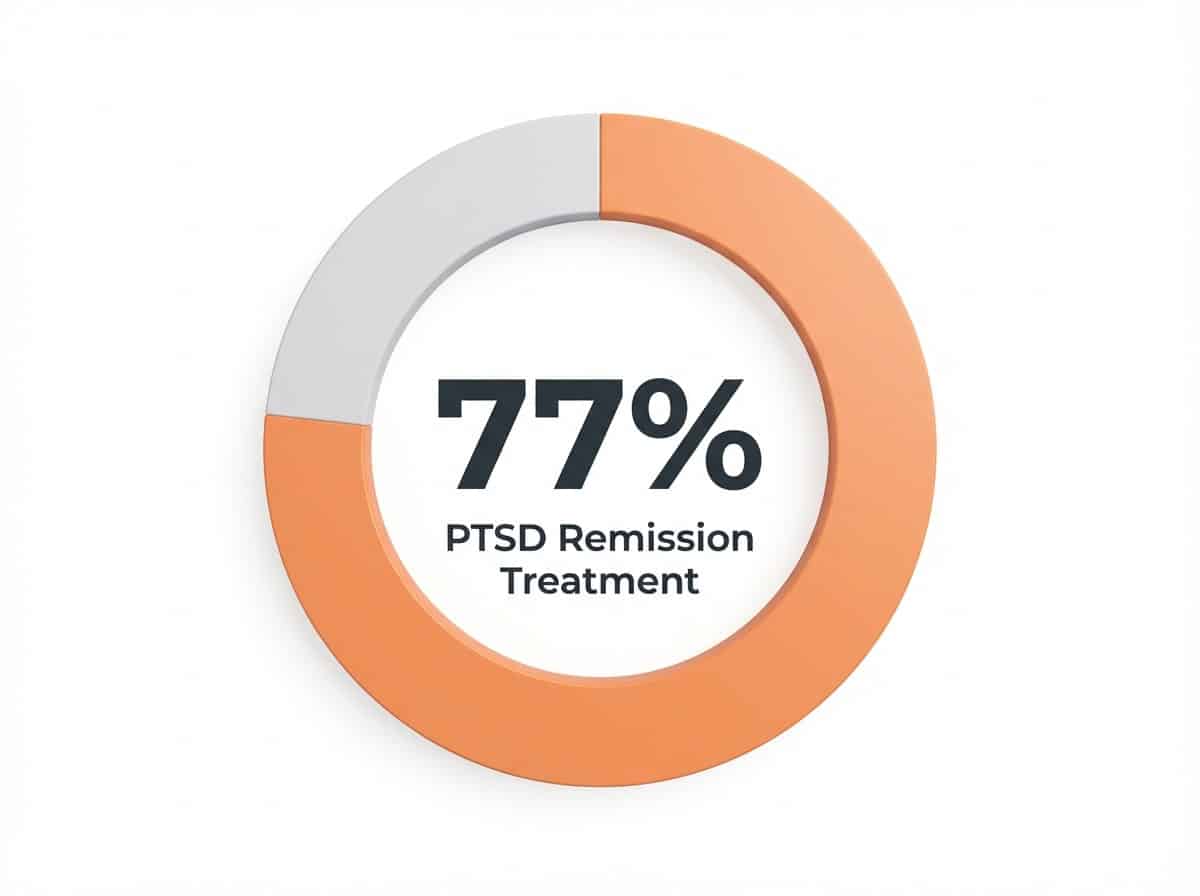
Research shows that this methodical approach leads to significant and lasting symptom relief. Up to 77% of individuals with multiple-trauma histories no longer met criteria for PTSD after an average of six sessions.1
Why EMDR Therapy San Antonio Works for Residents
Evidence-Based Outcomes for PTSD and Depression
San Antonio residents searching for real results often ask: Does EMDR therapy San Antonio truly work? The answer is supported by robust research and the lived experiences of people from neighborhoods like Oak Hills, Monte Vista, and Mahncke Park. Studies consistently show that EMDR delivers impressive outcomes:1
- Speed of Recovery: Up to 77% of individuals with multiple-trauma histories no longer met criteria for PTSD after just six sessions.
- Depression Relief: In clinical comparisons, EMDR outperformed fluoxetine (a common antidepressant) in reducing both PTSD and depression symptoms.
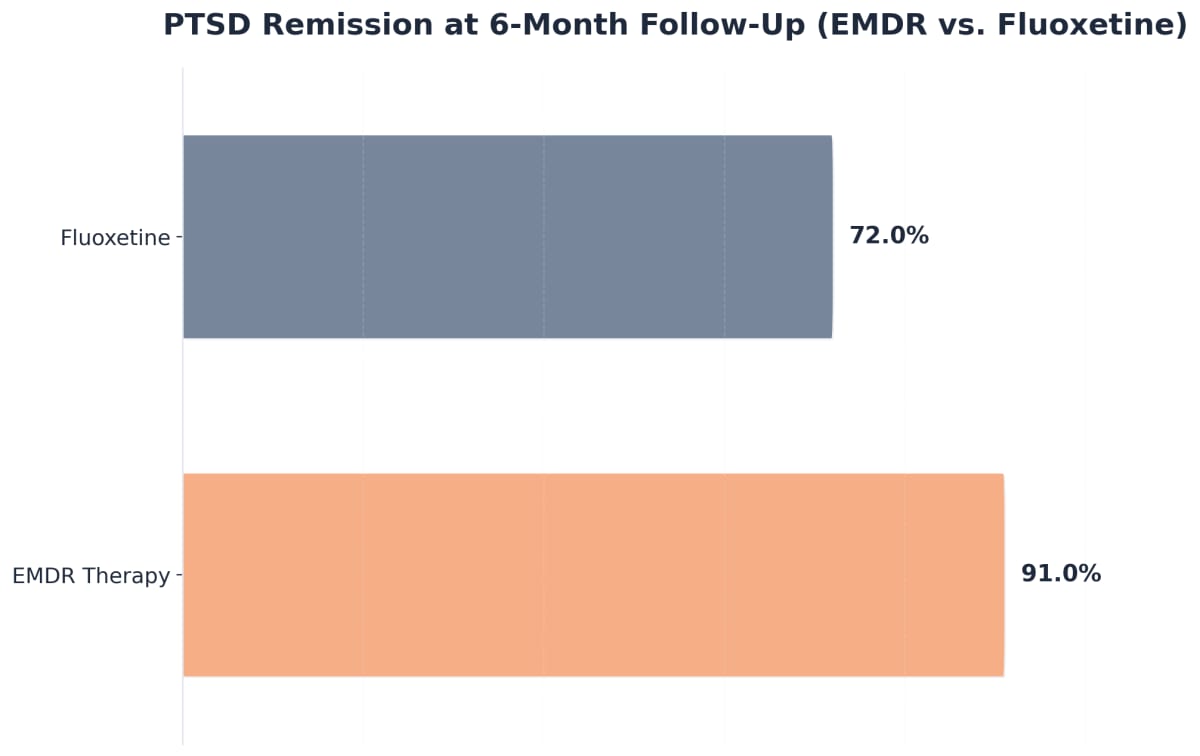
- Long-Term Success: At a six-month follow-up, 91% of those who completed EMDR therapy no longer qualified for a PTSD diagnosis, versus 72% in the medication group.
One client from Dignowity Hill shared, “After EMDR therapy San Antonio, I finally slept through the night for the first time in years.” These findings highlight why local clinicians in San Antonio’s central and northside communities are increasingly recommending this modality.
EMDR’s Role in Dual Diagnosis Treatment
EMDR therapy San Antonio has become a cornerstone for people managing dual diagnoses—when trauma or PTSD occurs alongside substance use. In neighborhoods like Beacon Hill, Harlandale, and Westover Hills, individuals often face intertwined struggles. If you are unsure if this applies to you, consider if you experience the following:
- Do memories of past events trigger an urge to use substances?
- Do you feel “stuck” in anxiety despite traditional talk therapy?
- Do you have difficulty regulating emotions when stressed?
What sets EMDR therapy San Antonio apart in dual diagnosis care is its ability to address both trauma and substance use simultaneously. Clinicians create integrated treatment plans, helping clients process traumatic memories while building healthy coping strategies for managing cravings. A client from the Woodlawn Lake area noted, “I felt stuck in a cycle of anxiety and substance use. After therapy, I learned to manage my triggers without feeling overwhelmed.”5

What to Expect from EMDR Therapy San Antonio
The EMDR Session Experience and Timeline
Walking into an EMDR therapy San Antonio session, clients from neighborhoods like Castle Hills, Southtown, and Alta Vista can expect a welcoming environment. Sessions typically last 50 to 60 minutes. Early sessions focus heavily on building trust and learning grounding techniques before delving into challenging memories.2
Click to View: Sample Session Breakdown
- Minutes 0-10: Check-in on current emotions and events since the last visit.
- Minutes 10-40: Targeted processing using bilateral stimulation (eye movements or tapping).
- Minutes 40-50: De-escalation and grounding exercises to ensure stability.
- Minutes 50-60: Debriefing and planning for self-care between sessions.
Scheduling is flexible, with many clinics offering evening and weekend appointments to accommodate busy city life and traffic patterns. This thoughtful approach allows healing to unfold at a pace that feels right for every individual.
Integrating EMDR with Holistic Recovery
Integrating EMDR therapy San Antonio with holistic recovery approaches helps clients achieve sustainable healing. Many local clinics, including those around the Pearl District, Terrell Hills, and Shavano Park, combine EMDR with complementary practices:
- Mindfulness: Helps regulate the nervous system between sessions.
- Yoga: Reconnects the mind and body, often disconnected by trauma.
- Nutrition Counseling: Supports physical health during emotional processing.
- Creative Therapies: Offers non-verbal outlets for expression.
Research shows that holistic elements like mindfulness can reduce symptoms of anxiety and trauma, making them excellent partners to EMDR. For example, a client from Encino Park found that practicing mindfulness strengthened their ability to manage stress, while another from the Medical Center area credited yoga with helping them reconnect with their body.10
Accessing EMDR Therapy San Antonio Services
Neighborhoods We Serve Throughout San Antonio
San Antonio’s unique neighborhoods each bring their own spirit to the journey of recovery. EMDR therapy San Antonio is available for residents throughout the city. Our clinicians understand the local landscape, ensuring accessible services whether you are near the River Walk or the San Antonio Zoo. We serve clients from:
- Central: Alamo Heights, Olmos Park, Tobin Hill.
- North: Stone Oak, Castle Hills, Shavano Park.
- South/Downtown: Southtown, King William, Harlandale.
- West/Medical: Medical Center District, Leon Valley, Westover Hills.
Many locations offer easy parking and are convenient to major roadways like Loop 410 and I-10, helping you avoid common city traffic concerns. Accessibility remains a top priority, especially for those in neighborhoods with limited public transportation.2
Insurance Coverage and Getting Started
Navigating insurance coverage for EMDR therapy San Antonio is an important first step. Most major health insurance plans in the area recognize EMDR as an evidence-based treatment for trauma and PTSD. To streamline your start, use the following checklist when contacting your provider:2
- Does my plan cover outpatient mental health services?
- Is a referral required from a primary care physician?
- What is my copay or deductible for specialist therapy?
- Are there specific in-network providers for EMDR?
Getting started typically involves an initial intake session where your needs and goals are discussed. From there, your clinician will recommend a tailored treatment plan. Clinics often offer flexible appointment times to accommodate busy city life, especially for those managing commutes from neighborhoods like Northwest Crossing.
Frequently Asked Questions
Can I continue EMDR therapy in San Antonio if I’m still working full-time?
Yes, you can continue EMDR therapy San Antonio while working full-time. Many local clinics, including those in areas like the Medical Center, Stone Oak, and Downtown, offer flexible scheduling with early morning, evening, and weekend appointments to accommodate busy professionals. This flexibility helps reduce barriers related to work hours, commuting, and city traffic. Research indicates that consistent attendance and a supportive therapeutic relationship are key to successful EMDR outcomes, regardless of work schedule. If work commitments cause you to adjust session frequency, your clinician will tailor your EMDR therapy San Antonio plan to fit your needs, ensuring steady progress at a manageable pace.2
Is EMDR therapy in San Antonio safe for someone with severe anxiety or panic attacks?
Yes, EMDR therapy San Antonio is considered safe for individuals with severe anxiety or panic attacks when administered by a trained clinician. The EMDR protocol includes preparation phases focused on building trust, teaching grounding techniques, and ensuring emotional safety before addressing distressing memories. This careful pacing allows clients to pause or slow down the process at any time if anxiety becomes overwhelming. Research shows that EMDR is effective not only for trauma but also for anxiety and panic-related symptoms, making it a suitable option for many experiencing these challenges. Your therapist will collaborate closely with you to adapt each session to your comfort level.2
How quickly can I start EMDR therapy in San Antonio after completing detox?
You can typically begin EMDR therapy San Antonio soon after completing detox, as long as you are medically stable and able to engage in outpatient sessions. Clinicians in San Antonio work closely with individuals transitioning out of detox programs, often coordinating care with local facilities in neighborhoods like the Medical Center or Stone Oak. The intake process for EMDR therapy San Antonio involves an initial assessment to ensure emotional readiness and safety for trauma-focused work. Many clients are able to start their first sessions within days or weeks, depending on their individual needs and the clinic’s availability. Your therapist will guide you through each step to support a smooth transition.2
Will I need to talk in detail about my traumatic experiences during EMDR therapy in San Antonio?
No, you do not have to share every detail of your traumatic experiences during EMDR therapy San Antonio. The therapy is uniquely designed so that healing can happen even if you choose to keep aspects of your memories private. During sessions, your clinician will guide you through the EMDR process using targeted questions and bilateral stimulation, but you are in control of how much you discuss. Many people in San Antonio find comfort in knowing they can focus on the emotions or sensations surrounding their trauma, rather than recounting the full story aloud. This approach helps keep the process safe and empowering for each individual.2
What happens if I feel overwhelmed during an EMDR therapy session in San Antonio?
If you feel overwhelmed during an EMDR therapy San Antonio session, your therapist will respond with care and flexibility. The EMDR protocol is designed to protect your emotional safety—clinicians are trained to pause, slow down, or shift focus if distress becomes too intense. You’ll have opportunities to use grounding techniques learned in earlier sessions, such as deep breathing or guided visualization, to help you regain a sense of calm. Many people find comfort knowing they control the pace of their healing. Open communication with your clinician ensures that your EMDR therapy San Antonio experience remains supportive and manageable throughout the process.2
Can family members participate in my EMDR therapy process in San Antonio?
Family members can participate in your EMDR therapy San Antonio process if you and your clinician decide it is beneficial. In many San Antonio clinics, especially those in areas like Alamo Heights and Leon Valley, therapists may invite loved ones to certain sessions for education, support, or to help with communication outside of therapy. However, the core trauma processing work in EMDR therapy San Antonio is usually done one-on-one to ensure your privacy and emotional safety. Family involvement can be tailored to your needs, such as through support groups or educational meetings. Your clinician will help you decide what level of involvement feels right as you move forward.2
How do I know if EMDR therapy in San Antonio is right for my specific situation?
Determining if EMDR therapy San Antonio is right for your situation starts with a conversation about your unique experiences and current challenges. This therapy is supported by strong research for PTSD, trauma, depression, anxiety, and even co-occurring substance use disorders. If distressing memories, intense emotions, or past events continue to affect your daily life, EMDR therapy San Antonio may offer relief. Clinicians in San Antonio will assess your needs during an initial intake, discuss your goals, and help you decide if this approach matches your concerns. You don’t need a specific diagnosis to benefit—many people find healing even when other therapies haven’t worked. If you’re uncertain, a consultation with a local EMDR provider can help you make an informed choice.2
Begin Your Healing Journey with EMDR
Taking the first step toward healing from trauma can feel overwhelming, but you don’t have to face it alone. EMDR therapy offers a structured, evidence-based approach that has helped millions of people process difficult memories and reclaim their lives. Whether you’re dealing with past trauma, anxiety, or distressing life experiences, EMDR provides a path forward that honors your unique healing timeline.
Finding a qualified EMDR therapist is an important part of your journey. Look for licensed mental health professionals who have completed specialized EMDR training and certification. Many therapists offer initial consultations where you can ask questions, discuss your concerns, and determine if EMDR is the right fit for your needs.
Remember that healing is not linear, and progress looks different for everyone. EMDR therapy works at your pace, allowing you to build resilience and develop healthier coping strategies along the way. For example, many clients learn grounding techniques like the “butterfly hug” that they can use independently when distressing memories surface. Research shows that many people notice meaningful improvements within 6-12 sessions, though complex trauma may require more time. Start by visiting EMDRIA.org to search for certified therapists in your area, or schedule a consultation with a trauma-informed provider this week. The path to reclaiming your emotional well-being begins the moment you decide your healing matters enough to seek support.
Contact rippleranch.com today to learn how our evidence-based treatment approaches can help you reclaim your health, restore your relationships, and build the fulfilling life you deserve.References
- PMC – The Efficacy of Eye Movement Desensitization and Reprocessing in Treating Depression. https://www.ncbi.nlm.nih.gov/pmc/articles/PMC8919349/
- APA – Eye Movement Desensitization and Reprocessing (EMDR) Therapy. https://www.apa.org/ptsd-guideline/treatments/eye-movement-reprocessing
- VA – Eye Movement Desensitization and Reprocessing (EMDR) for PTSD. https://www.ptsd.va.gov/professional/treat/txessentials/emdr_pro.asp
- WHO – Guidelines for the management of conditions specifically related to stress. https://www.who.int/publications/i/item/9789241505406
- SAMHSA – Managing Life with Co-Occurring Disorders. https://store.samhsa.gov/product/managing-life-co-occurring-disorders/pep21-06-02-002
- EMDRia – Eligibility Requirements for EMDR Basic Training. https://www.emdria.org/emdr-training/emdr-basic-training-eligibility-requirements/
- PMC – Integrated Treatment of Substance Use and Psychiatric Disorders. https://www.ncbi.nlm.nih.gov/pmc/articles/PMC3051490/
- PubMed – Comparing the efficacy of EMDR and trauma-focused cognitive-behavioral therapy. https://pubmed.ncbi.nlm.nih.gov/24479903/
- PMC – How Does Eye Movement Desensitization and Reprocessing Work. https://www.ncbi.nlm.nih.gov/pmc/articles/PMC7825035/
- Boston University – Yoga and Mindfulness: An Effective Approach for Trauma Recovery. https://www.bu.edu/articles/2021/yoga-and-mindfulness-an-effective-approach-for-trauma-recovery/