
Key Takeaways
- Neighborhoods Served: Providing specialized care across Hyde Park, South Lamar, East Riverside, The Domain, and Bouldin Creek.
- Local Data: In 2020, nearly 23,000 adults in Texas were diagnosed with co-occurring disorders, highlighting the critical need for integrated care.
- Landmarks: Conveniently located for professionals near the University of Texas campus and the Convention Center.
- Accessibility: Easily accessible via the I-35 corridor and MoPac Expressway, with telehealth options to navigate Austin traffic.
Austin’s Co-Occurring Disorder Landscape
Prevalence and Treatment Gap in Texas
Austin faces a significant challenge when it comes to addressing co-occurring mental health and substance use disorders. For professionals working near the University of Texas campus or commuting along the I-35 corridor, finding effective dual diagnosis treatment Austin can be a complex journey. While neighborhoods like Hyde Park and South Lamar are known for their vibrant communities, many residents across Austin—including those in Crestview, Mueller, and East Riverside—struggle with access to specialized care.
In 2020, nearly 23,000 adults in Texas were diagnosed with co-occurring disorders, but less than half received treatment explicitly designed for their needs, leaving over 11,000 without appropriate support. Local data reveal that Austin’s need for specialized services continues to outpace available resources. Only about 18% of addiction treatment programs and 9% of mental health programs in Texas are truly equipped to deliver integrated care.5,8
“The capability gap in Texas is compounded by rising overdose rates, making integrated care more critical than ever for our local communities.”
This capability gap is compounded by rising overdose rates: Texas saw a 68% increase in drug poisoning deaths from 2019 to 2024, making overdose the leading cause of injury death statewide. The treatment gap manifests as longer waitlists, fragmented referrals, and increased risk for vulnerable individuals. Addressing this gap requires ongoing collaboration, innovative solutions, and attention to the nuanced needs of Austin’s diverse neighborhoods.8
Neighborhoods We Serve Across Austin
In Austin, dual diagnosis treatment Austin is delivered across neighborhoods as diverse as Zilker, Barton Hills, and the vibrant area surrounding The Domain. Access to integrated care near landmarks like the Long Center or along South Congress Avenue is crucial. The city’s unique geography and traffic patterns can make traveling from Cherrywood to Westlake Hills a logistical challenge during rush hour.
Providers collaborate closely with community organizations in neighborhoods like Clarksville and Windsor Park, ensuring local referrals and minimizing barriers posed by limited public transit options outside Central Austin. For those living near the UT campus or east of I-35, walkable services and partnerships with local health centers have proven effective.
One recent case involved a professional from North Loop who found stability through a neighborhood-based intensive outpatient program. Another resident in Bouldin shared how local peer support made the recovery journey less isolating. Safety and accessibility are ongoing concerns, particularly in areas experiencing rapid development. Clinics near the Convention Center and South Lamar offer monitored parking and flexible appointment times to accommodate busy professionals. Across Austin, 30% of adults report unmet mental health needs, highlighting the ongoing demand for comprehensive care.7
Why Integrated Care Outperforms Sequential
Bidirectional Relationship Between Disorders
The interplay between mental health and substance use disorders in Austin neighborhoods such as Travis Heights, Highland, Allandale, and East Austin is rarely linear. Instead, these conditions feed into one another, creating a cycle that can be difficult to break. For example, in the South Congress area, professionals have observed that unmanaged anxiety often leads individuals to use substances like alcohol or prescription medications in an attempt to self-soothe.
This pattern intensifies both the original anxiety and the substance use problem over time. Research confirms that the relationship is bidirectional: untreated mental health disorders, including depression and PTSD, often drive increases in substance use, while escalating substance use further destabilizes mood, cognition, and daily functioning. About 41% of individuals with Bipolar I disorder report self-medicating with substances, highlighting the prevalence of this cycle in real-world clinical settings.3,11
| Mental Health Condition | Common Co-Occurring Substance | Impact on Treatment |
|---|---|---|
| Anxiety Disorders | Alcohol, Benzodiazepines | Increases withdrawal severity and rebound anxiety. |
| Depression | Stimulants, Alcohol | Complicates mood stabilization and medication efficacy. |
| PTSD | Opioids, Alcohol | Requires trauma-informed pacing to prevent re-traumatization. |
In Austin’s unique context, traffic congestion near the MoPac Expressway and safety concerns in rapidly developing neighborhoods like St. John’s can increase day-to-day stress. Success stories from Central East Austin and Bouldin Creek demonstrate that when both conditions are addressed together through dual diagnosis treatment Austin professionals recommend, individuals are more likely to maintain lasting stability.
Evidence Base for Simultaneous Treatment
A substantial body of research now demonstrates that integrated, simultaneous care for co-occurring disorders delivers better results than treating mental health and substance use issues separately. In Austin neighborhoods like Brentwood, North Loop, and Travis Heights, providers adopting integrated models have observed more consistent symptom reductions and improved client stability.
This finding aligns with systematic reviews showing that dual diagnosis treatment Austin clinicians rely on leads to significantly greater reductions in psychiatric symptoms—especially for conditions like PTSD—compared to non-integrated or sequential approaches. Simultaneous care not only addresses the complex interplay between disorders but also reduces the risk of clients falling through the cracks during fragmented referrals or transitions between providers.5
- Reduced Relapse Risk: Minimizes vulnerabilities during care transitions.
- Improved Adherence: Better medication monitoring and compliance.
- Comprehensive Management: Unified symptom management under a single care team.
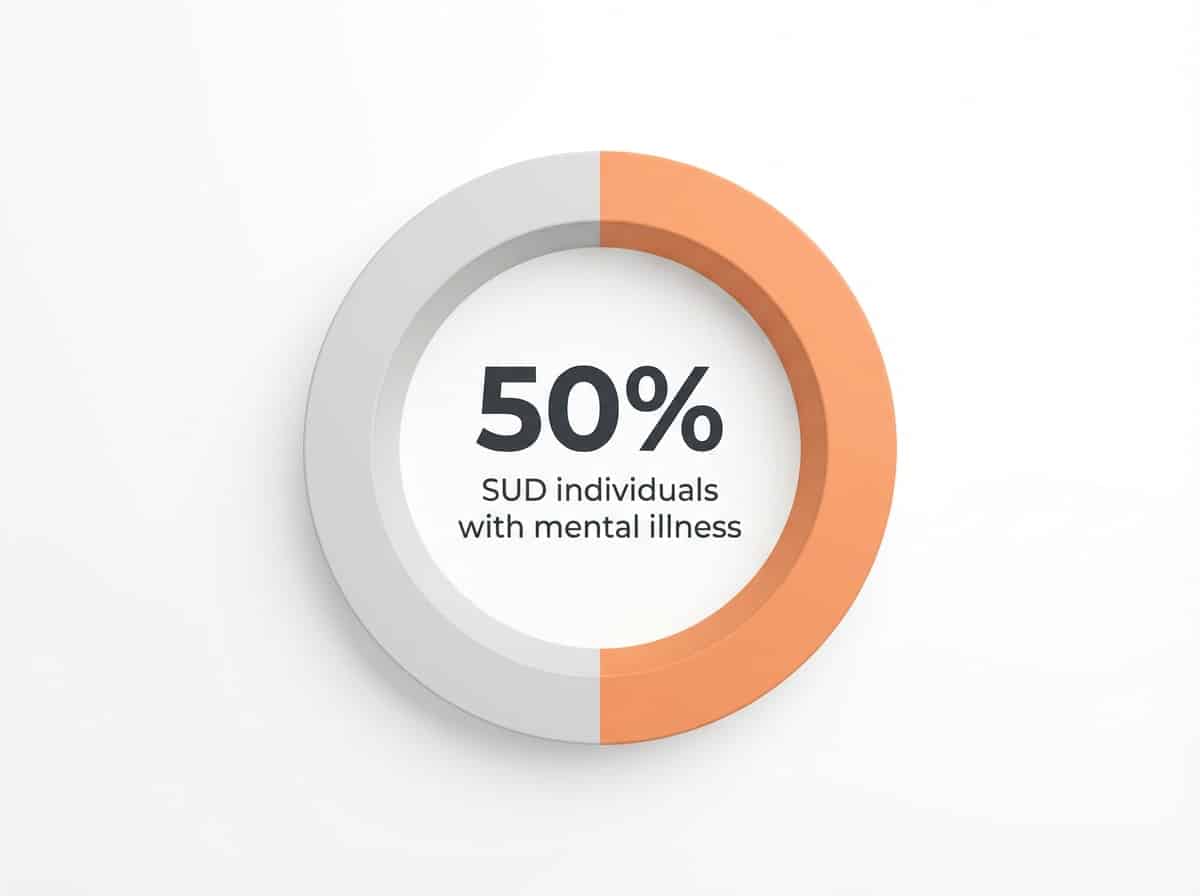
Local professionals in South Lamar and Windsor Park report that individuals who receive coordinated interventions experience fewer relapses. One success story from the Mueller area involved a working professional who, after years of cycling between separate mental health and addiction services, achieved stable recovery when both conditions were managed together. Nationally, about 50% of individuals with co-occurring disorders respond well to combined treatment, underscoring the value of integrated approaches for lasting recovery.1
Core Treatment Modalities for Dual Diagnosis Treatment Austin
Psychotherapeutic Interventions That Work
Psychotherapeutic interventions form the backbone of dual diagnosis treatment Austin professionals rely on, particularly in neighborhoods like Hyde Park, East Riverside, and The Domain. Among these, Cognitive Behavioral Therapy (CBT) and Dialectical Behavior Therapy (DBT) are widely implemented due to their proven effectiveness in addressing both substance use and co-occurring mental health conditions.
For example, CBT helps clients in South Lamar and Cherrywood identify and reframe maladaptive thought patterns linked to both anxiety and substance use. Meanwhile, DBT provides practical emotion-regulation skills that resonate with individuals navigating the high-paced environments of Downtown Austin. Trauma-focused care, such as Eye Movement Desensitization and Reprocessing (EMDR), is increasingly accessible near local landmarks like the Long Center and the Convention Center.
Many modern clinics now incorporate digital therapeutic tools where clients can log their daily moods using a secure portal, simply pressing Enter to submit their daily reflections directly to their care team. This approach is particularly relevant in Austin, where nearly 30% of adults report unmet mental health needs and trauma histories are common.7
EMDR has shown success in helping clients in Barton Hills and Windsor Park process past experiences that fuel both substance misuse and PTSD symptoms. Local feedback underscores how integrating these therapies produces meaningful change. A recent testimonial from a client in Bouldin Creek highlighted the impact of neighborhood-based group CBT, while a resident in North Loop described finding renewed resilience through trauma-informed DBT sessions.
Medication-Assisted Treatment Considerations
Medication-assisted treatment (MAT) is a crucial pillar of dual diagnosis treatment Austin providers deliver, especially in neighborhoods like South Lamar, Mueller, and near The Domain where access to both mental health and addiction services is essential. MAT involves the carefully supervised use of medications to help manage withdrawal symptoms, reduce cravings, and create stability so that individuals can more effectively engage in therapy.
In East Riverside and Westlake Hills, MAT programs are often located near major transit hubs or accessible via MoPac or I-35, ensuring treatment remains viable despite Austin’s traffic and parking constraints. Local professionals emphasize that MAT is most effective when tailored to the unique needs of each client, considering both the substance involved and co-occurring mental health diagnoses.
Understanding MAT Safety Protocols
Safety is a top concern, especially given the sharp 68% increase in drug poisoning deaths in Texas between 2019 and 2024. Providers in Austin are cautious with medications like benzodiazepines, as these are generally not recommended for dual diagnosis due to their high misuse potential and risk of worsening mental health symptoms.8,11For example, in the Bouldin Creek area, a resident with opioid use disorder and PTSD found sustained recovery after initiating MAT alongside trauma-informed counseling. Another case in Barton Hills involved a client with alcohol dependence and bipolar disorder who experienced fewer relapses once MAT was paired with medication management and consistent psychiatric follow-up. MAT focuses on evidence-based protocols that integrate medication with therapy and peer support, ensuring care is both safe and effective.

What to Expect in Austin-Area Treatment
Continuum of Care and Service Delivery
Continuum of care in dual diagnosis treatment Austin settings is shaped by the city’s distinctive geography and the realities of local transit, parking, and neighborhood safety. Services are intentionally distributed across areas such as East Riverside, Hyde Park, The Domain, and Bouldin Creek, making evidence-based care accessible for residents commuting from varied points—whether it’s a short drive from Westlake Hills or a bus ride from Cherrywood.
Austin’s integrated care model for co-occurring disorders typically begins with a thorough assessment near easily recognized hubs like the South Congress corridor or minutes from the UT campus. From there, individuals may access medically supervised detox, residential treatment, intensive outpatient services, or ongoing aftercare. Local programs often coordinate with community resources in Downtown, North Loop, and South Lamar to bridge service gaps and reduce the risk of fragmented referrals.
The typical continuum of care includes:
- Comprehensive Assessment: Evaluating both mental health and substance use history.
- Stabilization: Medically supervised detox and acute psychiatric care if necessary.
- Residential or Intensive Outpatient Care: Engaging in core therapies like CBT, DBT, and EMDR.
- Aftercare and Alumni Support: Ongoing peer support and medication management.
A key advantage of the Austin approach is the flexible transition between levels of care. For example, a client from Mueller recently described how step-down planning allowed them to progress from inpatient stabilization to neighborhood-based outpatient groups, maintaining both safety and continuity. Another professional from Windsor Park cited the value of telehealth and evening sessions, which made treatment possible despite heavy I-35 traffic and limited parking in central areas. These adaptations support stable engagement and have contributed to improved outcomes across diverse communities.5
Frequently Asked Questions
How can I verify a dual diagnosis treatment program is truly equipped for integrated care?
To verify that a dual diagnosis treatment Austin program is genuinely equipped for integrated care, professionals should look for objective indicators rather than marketing claims. Only about 18% of addiction treatment programs and 9% of mental health programs in Texas meet established criteria for true dual diagnosis capability—meaning they offer coordinated, evidence-based services for both mental health and substance use disorders under one team. Key factors include the presence of multidisciplinary staff, use of integrated assessments, and simultaneous treatment planning for both conditions. Asking about these features and requesting specifics on staff training and treatment protocols can help confirm a program’s capacity for comprehensive, integrated care.5
What should I expect during the assessment process for dual diagnosis treatment?
During the assessment process for dual diagnosis treatment Austin, professionals can expect a thorough, multidimensional evaluation. This typically includes a structured interview covering mental health history, substance use patterns, medical background, and social context. In Austin, assessments often take place at clinics in neighborhoods like Hyde Park or near The Domain, ensuring accessibility despite city traffic and parking challenges. Standardized screening tools are used to identify both psychiatric and substance use disorders, setting the stage for an integrated care plan. Research shows that such comprehensive assessments improve diagnostic accuracy and treatment outcomes for co-occurring disorders.9
Are benzodiazepines safe to use during dual diagnosis treatment for anxiety?
Benzodiazepines are generally not considered safe for use during dual diagnosis treatment Austin professionals provide for anxiety, especially when a substance use disorder is present. Although they can be effective for short-term anxiety relief, benzodiazepines have a high potential for dependence, misuse, and can worsen outcomes for individuals with co-occurring disorders. In fact, their use often leads to additional complications, including increased risk of relapse and polysubstance use, particularly in clinical observations from neighborhoods like Hyde Park and East Riverside. Evidence consistently shows that safer, evidence-based alternatives—such as cognitive behavioral therapy or non-addictive medications—are preferred in dual diagnosis treatment Austin settings.11
How does polysubstance use complicate dual diagnosis treatment planning?
Polysubstance use—when individuals use more than one substance simultaneously—adds significant complexity to dual diagnosis treatment Austin professionals provide. This pattern is increasingly common in neighborhoods like East Riverside and St. John’s, where clients may combine opioids with stimulants or alcohol. Treatment planning must address not only the interactions between multiple substances but also how they impact co-occurring mental health symptoms, increasing the risk of unpredictable withdrawal and relapse. Nationally, nearly 47% of overdose deaths in 2023 involved both opioids and stimulants, underscoring the severity of polysubstance use in integrated care settings. Effective dual diagnosis treatment Austin requires coordinated, flexible protocols and close monitoring to manage these multifaceted cases.8
What role does childhood trauma play in dual diagnosis development and treatment?
Childhood trauma—such as witnessing violence or experiencing abuse—plays a significant role in the development of co-occurring disorders later in life. Research indicates that adults with substance use disorders who have a history of childhood trauma are more likely to also experience mental health conditions, making dual diagnosis treatment Austin particularly relevant for this group. Trauma can disrupt emotional regulation and coping, increasing vulnerability to both substance use and psychiatric symptoms. Effective dual diagnosis treatment Austin integrates trauma-informed approaches, like EMDR and specialized therapy, to address the underlying impact of early adverse experiences and support lasting recovery.4,7
Can telehealth services effectively support dual diagnosis treatment in Austin?
Telehealth services have become a vital extension of dual diagnosis treatment Austin professionals provide, especially for clients in neighborhoods like East Riverside, Hyde Park, and The Domain. Local clinicians report that telehealth improves accessibility by reducing travel time and helping individuals avoid Austin’s traffic and parking challenges, which are common barriers to in-person care. Research shows that integrated telehealth models can maintain, and sometimes even enhance, treatment engagement and clinical outcomes for co-occurring disorders when compared to traditional approaches. Providers note that telehealth is particularly valuable for follow-up sessions, medication management, and ongoing therapy, ensuring continuity of care across diverse Austin communities. For many, this flexibility supports sustained recovery while accommodating work and family demands.9
Accessing Dual Diagnosis Treatment Austin
Individuals with co-occurring disorders recognize that effective care requires simultaneous intervention for both substance use and mental health conditions—not the outdated sequential approach that treats one disorder while the other remains active. Austin-area programs have evolved to reflect this integrated care model, with specialized facilities offering comprehensive approaches that address the complex interplay between psychiatric symptoms and substance dependencies.
The most effective centers distinguish themselves through outcome metrics, treatment philosophy, and the sophistication of their integrated care models. Contemporary dual diagnosis treatment Austin in the region emphasizes trauma-informed care within environments designed for healing and professional discretion. Facilities offering care on expansive properties—such as the 20+ acre settings available in nearby Spring Branch—provide space for both intensive clinical work and holistic integration.
Sample Daily Schedule:
08:00 AM - Mindfulness & Yoga Therapy
09:30 AM - Group CBT Session
11:00 AM - Individual EMDR Therapy
01:00 PM - Nutrition Support & Lunch
02:30 PM - Medication Management
The most effective care combines evidence-based modalities like CBT, DBT, and EMDR with complementary approaches including yoga therapy, meditation, and nutrition support. This integrated model recognizes that outcomes improve significantly when addressing psychological, physical, and spiritual dimensions simultaneously. Programs reporting 93% treatment goal achievement and 89% patient satisfaction rates demonstrate that sophisticated approaches deliver measurable results when implemented with clinical rigor and individualized care planning.
The continuum of options in the Austin area ranges from medically supervised detox through residential programs to intensive outpatient and telehealth services, allowing professionals to access discrete care that accommodates work commitments. The distinction lies not in the availability of care levels, but in how seamlessly psychiatric and addiction specialists collaborate throughout treatment. Facilities specializing in conditions including depression, anxiety, PTSD, and bipolar disorder alongside substance dependencies understand that co-occurring disorders require coordinated intervention rather than parallel tracks. Those seeking care benefit from connecting with programs that demonstrate clinical excellence through outcome data, maintain trauma-informed approaches across all service levels, and provide alumni support structures that recognize recovery as an ongoing process rather than a time-limited intervention.
Contact rippleranch.com today to learn how our evidence-based treatment approaches can help you reclaim your health, restore your relationships, and build the fulfilling life you deserve.References
- Dual Diagnosis (Co-Occurring Disorders). https://my.clevelandclinic.org/health/diseases/22Dual-diagnosis
- CPTSD (Complex PTSD): What It Is, Symptoms & Treatment. https://health.clevelandclinic.org/cptsd
- Mental Health and Substance Use Co-Occurring Disorders. https://www.samhsa.gov/mental-health/mental-health-substance-use-co-occurring-disorders
- Rates and Correlates of Dual Diagnosis Among Adults with a Substance Use Disorder: A National Study. https://pubmed.ncbi.nlm.nih.gov/30521798/
- Integrated versus non-integrated treatment for dual diagnosis: a systematic review of the evidence and its methodological quality. https://www.ncbi.nlm.nih.gov/pmc/articles/PMC4098939/
- Dual diagnosis capability in mental health and addiction treatment: A national study. https://www.ncbi.nlm.nih.gov/pmc/articles/PMC3058288/
- Fact Sheet: Spotlight on Austin, Texas Mental Health and Substance Use State of the Union 2023. https.www.samhsa.gov/data/sites/default/files/reports/rpt43306/Austin-TX-MH-SOTU-2023.pdf
- Texas Overdose Data to Action. https://www.dshs.texas.gov/texas-overdose-data-action
- Managing Life With A Co-occurring Disorder. https://store.samhsa.gov/product/Managing-Life-With-A-Co-occurring-Disorder/SMA11-4623
- Understanding the Opioid Overdose Epidemic. https://www.cdc.gov/opioids/basics/epidemic.html
- Anxiety and substance use disorders: a review. https://www.ncbi.nlm.nih.gov/pmc/articles/PMC2904966/