
Key Takeaways
- Integrated Care is Essential: Treating mental health and substance use simultaneously leads to significantly better outcomes than addressing them separately.
- Location Matters: San Antonio offers diverse treatment landscapes, from the Medical Center to Stone Oak, ensuring accessible care near your community.
- Flexible Options: You can choose between residential care for immersive support or outpatient programs that allow you to maintain work and family commitments.
- Trauma-Informed Approach: Effective recovery prioritizes safety and empowerment, recognizing that trauma often underlies substance use challenges.
Co-Occurring Disorders and Rehabilitation Center San Antonio Support
Navigating the complexities of mental health and substance use can feel overwhelming, but finding the right rehabilitation center San Antonio is a critical first step toward stability. Before diving into the details, it is helpful to assess your current situation to understand if professional intervention might be necessary.
Self-Assessment: Do I Need Integrated Care?
If you answer “yes” to two or more of these questions, a dual diagnosis evaluation is recommended:- Do you use substances to cope with feelings of anxiety, depression, or past trauma?
- Have you noticed that your mental health symptoms worsen when you try to stop using substances?
- Has a previous treatment attempt failed because it only focused on one aspect of your health?
- Do mood swings or emotional instability impact your daily work or relationships in San Antonio?
Understanding Dual Diagnosis Prevalence
Understanding dual diagnosis prevalence is essential for San Antonio families and professionals navigating care for co-occurring mental health and substance use concerns. Dual diagnosis—when both a substance use disorder and a mental health condition are present—touches a significant portion of the city’s population.
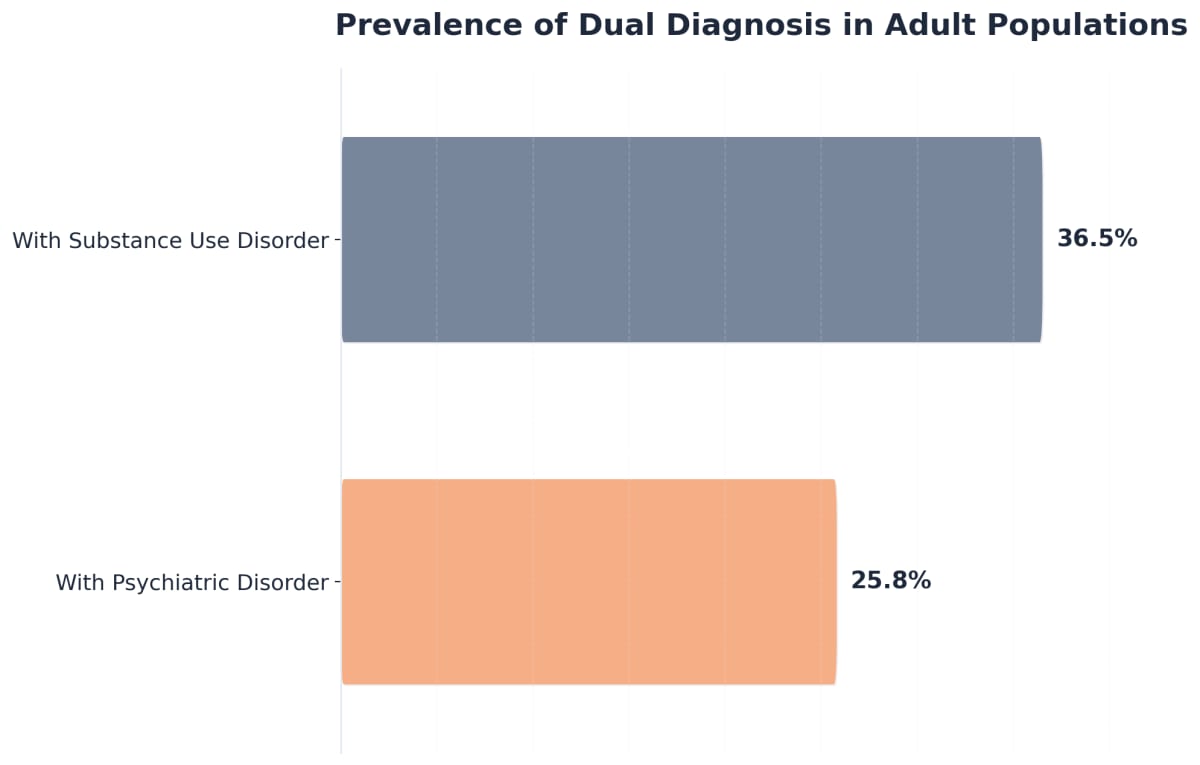
Recent data reveal that 25.8% of adults with a psychiatric condition also have a substance use disorder, while 36.5% of adults with a substance use disorder are managing an additional psychiatric diagnosis1. This means that in neighborhoods like Alamo Heights, Southtown, and Stone Oak, thousands of residents may be living with the unique challenges of dual diagnosis.
San Antonio’s diverse culture and strong community ties often encourage people to seek support, but stigma and misunderstanding can make it difficult to recognize the need for specialized help. Local clinicians report that anxiety, depression, bipolar disorder, and PTSD are among the most common co-occurring mental health conditions in the area3. For those seeking support at a rehabilitation center San Antonio, understanding the prevalence of dual diagnosis can help families know they are not alone.
By recognizing the scope of dual diagnosis in San Antonio, individuals and loved ones can take the first step toward finding respectful, effective care that addresses both mental health and substance use. The next section will explore how San Antonio’s unique treatment landscape rises to meet these needs.
San Antonio’s Unique Treatment Landscape
San Antonio’s unique treatment landscape reflects the city’s vibrant communities and distinct healthcare needs. Residents in areas like The Pearl, Medical Center, Monte Vista, and Westover Hills benefit from a growing network of providers specializing in co-occurring disorders. The city’s strong medical hub near South Texas Medical Center offers integrated care—addressing both substance use and mental health in one coordinated plan.
Research supports that integrated treatment significantly improves psychiatric symptoms for people with dual diagnoses compared to separate treatment models6.
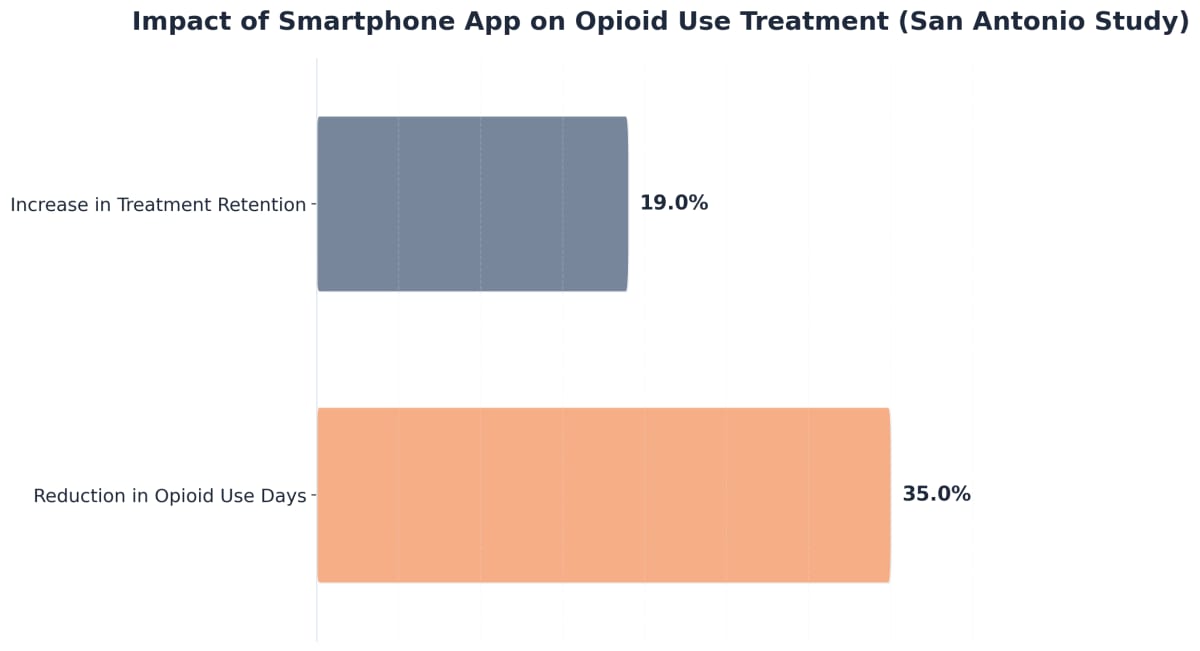
Innovative programs in San Antonio are harnessing technology to increase treatment accessibility. For example, a recent study at UT Health San Antonio found that using a smartphone app alongside medication-assisted treatment led to a 35% reduction in opioid use days and 19% longer retention in care for underserved patients5. These advancements are especially valuable in neighborhoods with limited transportation options or higher barriers to care.
The presence of specialized services—such as trauma-informed care and evidence-based therapy—in local rehabilitation centers helps residents from Stone Oak to Southtown receive tailored support close to home. The city’s focus on integrated and accessible care means that a rehabilitation center San Antonio can offer hope to families across diverse neighborhoods, meeting people where they are in their recovery journey.
Why Integrated Treatment Outperforms
When you choose a rehabilitation center San Antonio that utilizes integrated treatment, you are choosing a path that acknowledges the whole person rather than just the symptoms. This method is superior because it prevents the “revolving door” of recovery where one issue triggers a relapse in the other.
Evidence-Based Therapy Approaches
Evidence-based therapy approaches form the cornerstone of successful recovery at any rehabilitation center San Antonio. Local programs draw from proven methods such as cognitive behavioral therapy (CBT), dialectical behavior therapy (DBT), and eye movement desensitization and reprocessing (EMDR), all of which are recognized for their effectiveness with co-occurring mental health and substance use concerns4.
These therapies are not only validated by clinical research but are also widely used in San Antonio’s leading treatment centers, including those near neighborhoods like Oak Hills and King William. For individuals in areas such as Tobin Hill or near the River Walk, individualized treatment plans often combine these evidence-based therapies to address the unique interplay of mental health and substance use symptoms.
Studies show that when therapies like CBT are integrated into dual diagnosis treatment, patients experience greater reductions in both psychiatric symptoms and substance use compared to non-integrated or sequential models6. In addition, recent research from the Project Harmony study found that improvements in PTSD symptoms directly correlate with reductions in substance use severity, emphasizing the importance of therapies that address both issues at once2.
Trauma-Informed Care Fundamentals
Trauma-informed care forms a vital foundation for recovery at every rehabilitation center San Antonio, especially for individuals managing co-occurring mental health and substance use challenges. This approach recognizes that many people seeking help in neighborhoods such as Alamo Heights, Beacon Hill, and Terrell Hills have experienced traumatic events in their lives—a reality reflected in research indicating up to 95% of individuals in substance use treatment report a history of trauma6.
At its core, trauma-informed care in San Antonio focuses on ensuring that every step of treatment prioritizes emotional and physical safety, trust, and empowerment. Staff at local centers are trained to identify the signs of trauma and avoid practices that could unintentionally retraumatize someone. For example, treatment programs near the San Antonio River Walk and the South Texas Medical Center often use calming environments, collaborative goal-setting, and consistent routines to help residents feel secure and respected.
Recent research shows that trauma-informed care not only reduces symptoms of trauma and substance use but also increases treatment retention and staff satisfaction10. These benefits are especially meaningful in San Antonio’s diverse communities, where cultural sensitivity and neighborhood-driven support can make a significant difference. Clients from areas like Dignowity Hill and Mission San Jose report that integrating trauma-informed practices helped them build trust and regain hope on their recovery journey.
Neighborhoods Served Across San Antonio
Treatment facilities serve communities throughout the San Antonio metropolitan area, making professional recovery support accessible to individuals and families across the region. From established neighborhoods in the heart of the city to growing suburban communities, rehab centers provide critical support for substance use recovery throughout Bexar County and surrounding areas.
- Central San Antonio: Neighborhoods including Alamo Heights, Monte Vista, and King William benefit from proximity to multiple treatment options located within 10 minutes of downtown via major thoroughfares like Broadway and New Braunfels Avenue. These historic areas have long-standing connections to recovery resources that serve residents seeking help for alcohol and drug dependency.
- North San Antonio: Communities such as Stone Oak, The Dominion, and Castle Hills—accessible via Loop 1604 and US-281—have access to comprehensive treatment services designed to support families throughout the recovery journey. These neighborhoods typically seek programs that balance discretion with proven clinical approaches.
- West and Northwest San Antonio: Areas including Leon Valley, Helotes, and the Medical Center district connect residents with specialized programs along the I-10 and Loop 410 corridors. The Medical Center’s concentration of healthcare expertise extends to behavioral health services, providing residents throughout western communities with convenient access to integrated care.
- South and East San Antonio: Neighborhoods from Southtown to the Mission District and communities along the I-10 corridor served by multiple VIA Transit routes benefit from treatment centers committed to culturally responsive care. These facilities recognize the diverse backgrounds of area residents and provide bilingual services that honor individual experiences.
Regardless of which neighborhood someone calls home, professional help for substance use disorders remains within reach throughout the city. Among the facilities serving this diverse metropolitan area, Ripple Ranch has established itself as a comprehensive treatment provider offering specialized programs designed to meet the varied needs of San Antonio’s communities.
Choosing the Right Rehabilitation Center San Antonio Level of Care
Residential vs Outpatient Considerations
Choosing between residential and outpatient care at a rehabilitation center San Antonio depends on a person’s specific needs, support system, and the complexity of their co-occurring conditions. In neighborhoods like Alamo Heights, The Pearl, and Oak Hills, families often ask whether a more immersive environment or flexible day programming is the right fit for lasting recovery.
| Feature | Residential Treatment | Outpatient / IOP |
|---|---|---|
| Time Commitment | 24/7 immersion (typically 30-90 days) | 10-20 hours per week (flexible duration) |
| Living Situation | Live on-site in a structured facility | Live at home; maintain work/school |
| Best For | Severe symptoms, unstable home life, need for detox | Moderate symptoms, strong home support, working professionals |
| Success Metric | 3x more likely to complete treatment7 | Comparable outcomes if home life is stable8 |
Residential programs provide 24/7 support, a structured routine, and a safe space away from daily stressors. This level of care is particularly effective for those facing severe substance use, unstable home situations, or significant mental health symptoms. Research shows clients in residential programs are more than three times as likely to complete treatment compared to clients in outpatient settings7. This can be especially important in areas of San Antonio where access to consistent support at home may be limited.
Outpatient care, including intensive outpatient programs (IOPs), offers therapy and support while allowing participants to continue living at home and maintain work or school responsibilities. For many in Midtown, Stone Oak, or near the Medical Center, outpatient options provide high-quality care without the need for overnight stays. Studies have found that IOPs can deliver outcomes comparable to residential care for individuals with stable living environments and reliable support systems8.
Each neighborhood in San Antonio brings its own resources and challenges, so it’s helpful to discuss options with professionals who understand local dynamics. By choosing a rehabilitation center San Antonio that offers both levels of care, individuals and families can find the most fitting path forward.
Insurance and Accessibility Options
Navigating insurance coverage and accessibility is a crucial step for anyone seeking help at a rehabilitation center San Antonio. Residents in neighborhoods such as Westover Hills, Monte Vista, and Dignowity Hill often ask about which insurance plans are accepted and how to overcome barriers like transportation or time constraints.
Most rehabilitation center San Antonio programs work with major private insurers, Medicaid, and sometimes Medicare, ensuring a broad base of families can access care. Some centers near the Medical Center and along Loop 410 also provide support with paperwork and advocacy, helping San Antonians understand their benefits and secure pre-authorization when needed.
Accessibility goes beyond insurance. For many in Eastside and Mission San Jose, transportation can be a challenge. Fortunately, numerous centers are located near VIA Metropolitan Transit lines, and some offer telehealth options, allowing clients to attend therapy from their homes. Recent research in San Antonio found that integrating a smartphone app with medication-assisted treatment led to a 35% reduction in opioid use days and a 19% increase in retention, particularly benefiting underserved communities5.
This innovation is making it easier for people across San Antonio’s diverse neighborhoods to keep up with appointments and maintain progress. Local programs also consider practical needs like evening or weekend hours for working families in Midtown and The Pearl. The combination of flexible scheduling, telehealth, and accessible locations means a rehabilitation center San Antonio can support individuals no matter where they live in the city.
Frequently Asked Questions
Can someone with PTSD and substance use receive treatment at the same time?
Yes, someone with PTSD and substance use can receive treatment for both conditions at the same time at a rehabilitation center San Antonio. Research shows that integrated treatment—where both PTSD and substance use are addressed together—leads to greater improvements in both mental health and substance use symptoms than treating each issue separately24. Approaches like trauma-focused therapy and medication management are designed to help individuals heal from trauma while also reducing substance use, without the need to delay one area of care. San Antonio centers are experienced in delivering these evidence-based, compassionate programs to support lasting recovery.
How long does treatment typically last at a rehabilitation center in San Antonio for co-occurring issues?
The length of treatment at a rehabilitation center San Antonio for co-occurring mental health and substance use issues depends on individual needs, treatment goals, and the level of care. Residential programs in San Antonio typically last between 30 and 90 days, while outpatient and intensive outpatient programs (IOPs) might range from a few weeks up to several months, depending on progress and participation78. Research shows that longer engagement in care is linked to improved outcomes for both mental health and substance use recovery6. Professionals at local centers will help tailor a plan that fits each person’s unique situation and supports long-term healing.
What happens if my loved one has tried treatment before and it didn’t work?
If your loved one has tried treatment before at a rehabilitation center San Antonio and it didn’t work, it’s important to remember that recovery is often a journey, not a single event. Many people require more than one attempt before finding lasting results, especially when co-occurring mental health and substance use issues are involved. Research shows that integrated approaches—addressing both mental health and substance use together—lead to better outcomes than treating each issue separately6. San Antonio’s local programs offer updated, evidence-based therapies and trauma-informed care, which can make a significant difference even after previous attempts. Each new treatment experience offers the chance for a personalized approach and renewed hope.
Can I continue working while receiving treatment for co-occurring disorders?
Yes, you can often continue working while receiving treatment for co-occurring disorders at a rehabilitation center San Antonio. Many local programs, including intensive outpatient programs (IOPs), are designed with flexible schedules—such as evening or weekend sessions—to help people maintain their jobs while accessing care. Telehealth options have become increasingly popular across San Antonio, allowing you to participate in therapy from home or during breaks, which can make balancing work and recovery more manageable5. It’s helpful to discuss your work routine with your treatment team so they can recommend the most fitting schedule for your needs.
How do I know if my family member needs residential treatment or if outpatient care is enough?
Deciding between residential and outpatient care at a rehabilitation center San Antonio depends on several factors. Residential treatment is generally recommended if your family member needs round-the-clock support, is facing severe mental health or substance use symptoms, or has tried outpatient care without success. Research shows that people in residential programs are over three times as likely to complete treatment compared to those in outpatient care7. Outpatient care can be appropriate if your loved one has a stable home environment, reliable transportation, and strong support systems8. An assessment by local professionals will help determine the best fit for lasting recovery.
What role does medication play in treating co-occurring disorders?
Medication can play a supportive role in treating co-occurring disorders at a rehabilitation center San Antonio. For many, carefully prescribed medications help manage symptoms of depression, anxiety, bipolar disorder, or PTSD while also reducing cravings and withdrawal symptoms related to substance use. Research supports using medication-assisted treatment (MAT) in combination with therapy, as this integrated approach leads to the most meaningful improvements in both psychiatric and substance use symptoms4. San Antonio programs often use MAT alongside evidence-based therapies to support recovery, always tailoring medication plans to each person’s unique needs and closely monitoring for safety and effectiveness.
Are family members included in the treatment process at a rehabilitation center in San Antonio?
Yes, family members are often included in the treatment process at a rehabilitation center San Antonio. Local programs recognize that support from loved ones can be vital for recovery from co-occurring mental health and substance use challenges. Many centers offer family therapy sessions, educational workshops, and support groups to help relatives better understand dual diagnosis and learn effective ways to encourage healing. This involvement can improve communication, rebuild trust, and create a more supportive home environment. Research highlights that integrated treatment models with family participation are linked to better outcomes and higher treatment retention for individuals in care6.
Starting Recovery at Ripple Ranch
For San Antonio residents across these diverse neighborhoods—whether from the Historic District, Medical Center, or Stone Oak—Ripple Ranch offers accessible, comprehensive care designed to address both the physical and psychological aspects of substance use disorders. Taking the first step toward healing requires courage, and from the moment someone walks through the doors of this rehabilitation center San Antonio, they are welcomed into a community that understands the challenges of recovery and is committed to helping them succeed.
The intake process at Ripple Ranch focuses on understanding each person’s unique situation, including their history with substance use, mental health concerns, and personal goals for recovery. Within the first 24 to 48 hours, new clients complete a thorough medical and psychological assessment, meet with their primary counselor, and begin acclimating to the structured daily routine. This comprehensive evaluation allows the clinical team to develop an individualized treatment plan that addresses specific needs.
Evidence-based therapies form the foundation of care, including cognitive behavioral therapy and group counseling, complemented by specific wellness practices such as yoga sessions, nutritional counseling, mindfulness meditation, and fitness activities that support overall healing. Throughout treatment—which typically ranges from 30 to 90 days depending on individual needs—clients work closely with experienced professionals who provide guidance, encouragement, and accountability. The structured daily schedule creates stability while allowing flexibility for individual therapeutic work. Family involvement is encouraged when appropriate, recognizing that recovery often extends beyond the individual to include healing relationships and rebuilding trust with loved ones.
References
- Rates and correlates of dual diagnosis among adults with psychiatric and substance use disorders in a nationally representative U.S. sample. https://pubmed.ncbi.nlm.nih.gov/35834863/
- How changes in post-traumatic stress disorder (PTSD) severity mediate substance use disorder (SUD) severity during and after treatment for co-occurring PTSD and SUD: Results from Project Harmony. https://pubmed.ncbi.nlm.nih.gov/40636967/
- Co-Occurring Disorders and Other Health Conditions – SAMHSA. https://www.samhsa.gov/substance-use/treatment/co-occurring-disorders
- Treatment of Co-Occurring PTSD and Substance Use Disorder in VA. https://www.ptsd.va.gov/professional/treat/cooccurring/tx_sud_va.asp
- Smartphone app can help reduce opioid use and keep patients in treatment – UT Health San Antonio study. https://news.uthscsa.edu/smartphone-app-can-help-reduce-opioid-use-and-keep-patients-in-treatment-ut-health-san-antonio-study-shows/
- Integrated vs non-integrated treatment outcomes in dual diagnosis. https://pmc.ncbi.nlm.nih.gov/articles/PMC10157410/
- Residential Versus Outpatient Treatment in the U.S.. https://www.recoveryanswers.org/research-post/residential-versus-outpatient-treatment-in-the-us/
- Substance Abuse Intensive Outpatient Programs: Assessing the Evidence. https://pmc.ncbi.nlm.nih.gov/articles/PMC4152944/
- Has the opioid crisis peaked in Texas and the U.S.? – Dallasfed.org. https://www.dallasfed.org/research/swe/2025/swe2516
- A Systematic Review of Trauma Informed Care in Substance Use Settings. https://pubmed.ncbi.nlm.nih.gov/39641885/