
Key Takeaways for Your Recovery Journey
- Assess Your Needs: Use the checklists provided to determine if you need intensive structure (like recovery housing) or flexible support (like telehealth).
- Commit to Time: Research indicates that engaging in rehab aftercare San Antonio for at least one year significantly reduces relapse risks.
- Build Your Team: Combine professional therapy with peer support groups to create a safety net that covers both clinical and social needs.
- Immediate Action: If you are transitioning out of initial treatment, schedule your first aftercare appointment before leaving the facility.
Why Rehab Aftercare San Antonio Transforms Recovery Outcomes
Addiction as a Chronic Condition
To truly understand the role of rehab aftercare San Antonio in recovery, it’s essential to recognize that substance use disorder functions much like other chronic health conditions. This means symptoms can return over time, and ongoing self-management is necessary for lasting wellness. The chronic nature of addiction has led experts to advise a sustained, proactive approach—one that does not treat recovery as a one-time event, but as a lifelong journey.
Tool: Chronic Condition Checklist
Use this checklist to ensure your recovery plan is as robust as a medical treatment plan:
- Ongoing clinical contact (therapist, counselor, or support group)
- Written relapse prevention plan
- Regular review and adjustment of coping strategies
- Rebuilding and maintaining supportive social networks
- Early intervention strategies for warning signs
Using this checklist as part of your aftercare strategy ensures that recovery is managed with the same commitment as managing diabetes or heart disease. Recent research underscores that relapse is not a sign of failure but a predictable aspect of chronic conditions, requiring encouragement and timely adjustments to the care plan. In fact, people who engage in structured aftercare report better quality of life, improved mental health, and stronger resilience against triggers.1,2
Understanding addiction as a chronic condition sets the stage for examining how relapse rates respond to ongoing support, a topic explored in the next section.

The Reality of Relapse Rates
Relapse is a common part of the recovery process, and understanding the numbers can help families and individuals approach ongoing support realistically. Research shows that relapse rates for those in early recovery from substance use disorder range from 40% to 60%—similar to other chronic diseases such as diabetes or hypertension.1
However, these numbers are not static. With consistent engagement in structured aftercare, rates of relapse decline dramatically. The table below illustrates the impact of sustained support:2
| Recovery Stage | Estimated Relapse Risk |
|---|---|
| Early Recovery (No Aftercare) | 40% – 60% |
| 5 Years of Sustained Support | Below 15% |
A practical decision tool is the “Aftercare Outcomes Assessment.” Ask yourself these four questions weekly:
- Ask: Am I attending regular counseling or support groups?
- Check: Do I have a written plan for managing high-risk situations?
- Review: Are my social connections recovery-oriented?
- Track: Am I seeing steady progress in my overall well-being?
Opt for this proactive approach when aiming to reduce relapse risk, since evidence links aftercare participation directly to higher abstinence rates and improved quality of life. For instance, a study found that people involved in structured aftercare enjoyed 94 additional days of abstinence and 37 fewer substance-related issues over four years compared to those who did not receive such support.2,3.9
Core Components of Effective Rehab Aftercare San Antonio
Ongoing Therapy and Counseling
A practical tool for effective ongoing therapy in aftercare is the Relapse Prevention Plan Worksheet. This worksheet guides individuals to identify their personal triggers, outline coping strategies, and schedule regular sessions with a licensed counselor or therapist. By completing and updating this plan, people maintain clarity and accountability throughout their recovery journey.
Ongoing therapy and counseling are foundational elements of rehab aftercare San Antonio. Individual therapy, including cognitive-behavioral therapy (CBT), helps people recognize high-risk situations and develop healthy responses to cravings and stress. Mindfulness-Based Relapse Prevention (MBRP) is another evidence-based approach, blending mindfulness techniques with traditional therapy to support emotional regulation and prevent setbacks.
“Research has shown that participation in structured therapy after treatment leads to significantly lower relapse rates and improved quality of life.”2
Family counseling also plays a valuable role, as it addresses relationship dynamics and builds a stronger support system at home. Licensed therapists can help families communicate more effectively and support their loved one’s recovery goals. Regular counseling appointments—whether weekly or biweekly—require a time investment of about one hour per session. Many find the ongoing commitment, which can last several months to years, essential for maintaining progress.
Prioritizing therapy and counseling is ideal for anyone seeking to address both substance use and co-occurring mental health challenges, as integrated aftercare helps manage both conditions more effectively.10
Peer Support and Community Connection
A practical tool for fostering community connection is the Peer Support Group Finder Checklist. This checklist encourages individuals to identify nearby recovery meetings such as Alcoholics Anonymous (AA), Narcotics Anonymous (NA), or SMART Recovery. It also prompts people to consider factors like meeting frequency, group size, and whether the environment feels supportive.
By tracking attendance and reflecting on how each group impacts their confidence and motivation, individuals can find the best fit for their ongoing recovery journey. When searching online, you might use specific terms like SMART Recovery San Antonio or local 12-step meetings to find the most relevant options.
Peer support is a cornerstone of effective aftercare. Through regular participation in peer-led groups, individuals gain access to shared experiences, encouragement, and accountability. These connections help reduce feelings of isolation and foster a sense of belonging—critical elements in sustaining recovery. Research has shown that being part of a supportive peer community significantly increases the likelihood of maintaining abstinence and improves overall well-being.4
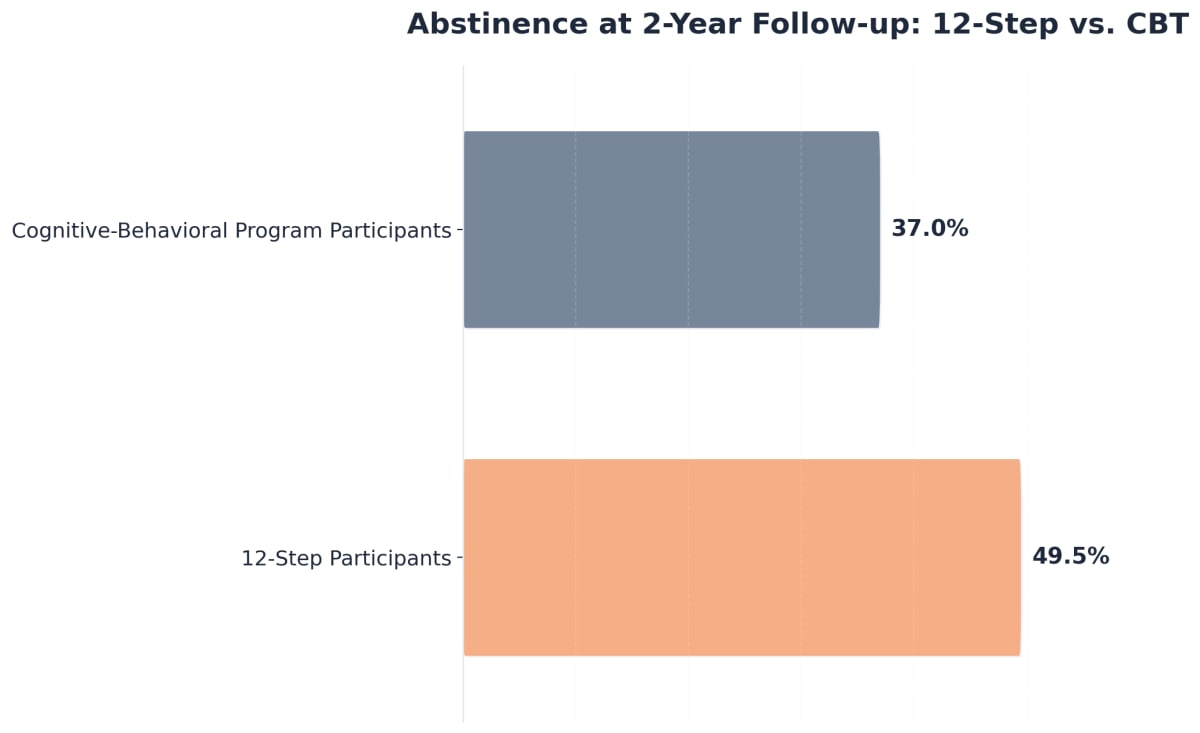
For example, a Veterans Affairs study found that intensive 12-step group referrals led to a 60% greater improvement in substance use outcomes compared to standard referrals. This approach works best when individuals value mutual support, are open to learning from others’ experiences, and want to build strong recovery-oriented networks.4
Building Recovery Capital for Life
Personal and Social Resources
Tool: Personal and Social Asset Inventory
This self-assessment invites individuals to list people, groups, and activities that nurture their sense of hope, belonging, and self-worth. Reviewing and updating this inventory each month encourages active engagement with supportive resources.
Personal and social resources are the backbone of long-term recovery. Recovery capital refers to the strengths and connections that people can draw on to sustain positive change. These include supportive family members, friendships, access to mentors, and involvement in sober social activities. In the context of rehab aftercare San Antonio, building recovery capital means fostering relationships and routines that help prevent isolation and reduce relapse risk.
Research confirms that those with stronger recovery capital—especially robust social support—experience higher abstinence rates and improved overall well-being. For example, individuals in sober living environments with access to positive peer networks saw abstinence rates rise from 11% to 68% at 6- and 12-month follow-ups.1,4,8
This approach is ideal for those seeking stability after treatment, as investing time in personal growth and social connection pays off in resilience and life satisfaction. Many participants find that taking part in group activities, volunteering, or joining community organizations can further boost their sense of purpose and community.
Employment and Purpose-Driven Living
A practical tool for turning employment goals into reality during recovery is the Vocational Planning Checklist. This resource guides individuals to:
- Identify their core strengths and transferable skills.
- Update resumes and professional profiles.
- Practice interview skills with a mentor or counselor.
- Connect with local job resources or career counselors.
Completing this checklist each month helps track progress and spot areas for growth. Employment plays a vital role in aftercare, providing more than financial stability—it brings daily purpose and a renewed sense of self-worth. Research shows that individuals who secure steady work during aftercare are significantly more likely to maintain abstinence and complete their recovery program.6
Purpose-driven living can also include volunteering, pursuing education, or developing new skills, all of which add structure and meaning to everyday life. These efforts build recovery capital by reinforcing healthy routines and offering opportunities to connect with others who share similar goals. This strategy suits people who are ready to take the next step in their recovery journey, whether by seeking meaningful work or engaging in purposeful activities.

Structured Support Systems That Work
Recovery Housing and Sober Living
A practical tool for evaluating recovery housing options is the Sober Living Environment Checklist. This tool helps individuals assess key factors such as house rules, peer support structure, relapse prevention policies, and available resources for employment or education. Reviewing this checklist with a counselor or trusted supporter can guide the decision to enter a recovery home that matches personal needs and goals.
Recovery housing and sober living environments are proven pillars of effective rehab aftercare San Antonio. These supportive settings offer a stable, substance-free space where residents can focus on building healthy routines, developing self-sufficiency, and fostering peer accountability.
Residents also see reduced rates of arrest and greater engagement in work, education, and community life. This solution fits those seeking a structured, supportive transition from intensive treatment back into daily living. Whether following residential care or as an alternative to living alone, recovery housing helps bridge the gap, empowering residents to strengthen their recovery capital and build lasting independence.
Intensive Outpatient and Flexible Care
A practical tool for those considering intensive outpatient and flexible care is the Weekly Recovery Schedule Planner. This tool helps individuals map out therapy sessions, group meetings, work, and family responsibilities to create a balanced, realistic aftercare routine.
Intensive outpatient programs (IOPs) and flexible care options form a vital bridge in aftercare, especially for people transitioning from residential treatment or managing recovery alongside daily commitments. IOPs typically involve attending therapy and support group sessions multiple times per week, often totaling 9–20 hours, allowing participants to maintain employment and family life. Flexible options, such as evening or telehealth sessions, further adapt to individual schedules, making consistent engagement more achievable.2
This approach works best when someone needs structured support but does not require 24-hour supervision. Research shows that ongoing participation in outpatient aftercare leads to lower relapse rates and improved quality of life, particularly when combined with peer support and family involvement. Many find these flexible models ideal for maintaining momentum in recovery while gradually regaining independence.2,3
Frequently Asked Questions
How do I choose the right rehab aftercare program for my specific situation?
Choosing the right rehab aftercare San Antonio program begins with an honest assessment of individual needs, goals, and daily responsibilities. Start by listing priorities—such as ongoing therapy, peer support, family involvement, or flexible scheduling. Look for programs that offer evidence-based care, including cognitive-behavioral therapy, relapse prevention planning, and access to peer groups . It’s also important to consider whether co-occurring mental health concerns require integrated services. Consult with counselors or medical professionals, and don’t hesitate to ask about program structure, staff credentials, and the types of support available. Programs that align with your specific lifestyle and recovery goals typically offer the best long-term outcomes.2,4,10
What happens if I experience a setback during rehab aftercare?
Experiencing a setback during rehab aftercare San Antonio is not a sign of failure—it’s a common part of managing a chronic health condition like substance use disorder. If a setback occurs, the most important step is to reach out for support right away, whether to a counselor, peer group, or trusted family member. Many aftercare programs help individuals review their relapse prevention plan, identify triggers, and adjust coping strategies to get back on track. Research shows that returning to structured support quickly greatly increases the chance of regaining stability and long-term recovery. Remember, recovery is a journey, and every step forward counts.1,7
Can rehab aftercare services be accessed through telehealth or online platforms?
Yes, many rehab aftercare San Antonio services can now be accessed through telehealth or online platforms. These options include virtual counseling, online support groups, and remote check-ins with recovery professionals. Telehealth increases access for individuals who may face transportation challenges or scheduling conflicts, making it easier to stay connected and engaged in recovery. Research suggests that digital and hybrid aftercare models are becoming increasingly common, with forecasts estimating that 30% of rehab services will be delivered through digital platforms by 2025. This flexibility allows people to receive high-quality support from the comfort of home, supporting continuity in their aftercare journey.2
How long should I plan to participate in rehab aftercare services?
The recommended duration of participation in rehab aftercare San Antonio varies for each individual, but research consistently supports a long-term approach. Many experts advise planning for at least one year of active aftercare, with some people benefiting from ongoing support for multiple years. Studies show that the risk of relapse drops significantly the longer someone stays engaged—falling below 15% after five years of structured aftercare. This extended support allows individuals to strengthen coping skills, build recovery capital, and navigate new life challenges as they arise. Discussing your unique needs with a counselor can help determine the most effective timeline for you.2
Will my insurance cover the full duration of rehab aftercare I need?
Insurance coverage for rehab aftercare San Antonio varies depending on your specific plan and provider. Many insurance policies now recognize substance use disorder as a chronic health issue and are required by law to cover mental health and addiction services at a level comparable to other medical conditions. However, the length and type of aftercare covered—such as ongoing therapy, outpatient programs, or recovery housing—may have limits or require pre-authorization. Some individuals find that while initial phases are covered, extended support may need special documentation or appeals for continued coverage. It’s helpful to contact your insurance company directly, ask about coverage details, and work with aftercare staff to navigate approvals.2
How can family members participate in my rehab aftercare journey?
Family members can play an active and supportive role in rehab aftercare San Antonio by participating in family counseling sessions, attending educational workshops, and joining peer support groups designed for loved ones. These activities help families build communication skills, set healthy boundaries, and better understand the recovery process. Research shows that when families are engaged in aftercare, individuals experience stronger social support, improved relationships, and lower rates of relapse. Many programs also offer practical tips for families on how to encourage positive routines and respond to setbacks with empathy. Open dialogue and shared problem-solving can make a significant difference in long-term recovery.1,2
What if I need to balance rehab aftercare with work and family responsibilities?
Balancing rehab aftercare San Antonio with work and family life is entirely possible. Many aftercare programs offer flexible options, such as evening therapy, weekend support groups, and telehealth sessions that fit around job shifts and family responsibilities. Using a weekly planner to map out commitments can help prioritize both recovery and daily obligations without feeling overwhelmed. Communication is key—let your employer and loved ones know about important appointments and milestones. Research shows that flexible aftercare increases engagement and helps individuals maintain progress, even with busy schedules. Remember, consistent support—tailored to your lifestyle—can make recovery sustainable long-term.1,2
Your Path Forward with Comprehensive Support
Seeking help for substance use challenges takes tremendous courage—acknowledging the need for support is itself a powerful first step. Recovery requires more than willpower alone; it demands a comprehensive approach that addresses physical, emotional, and psychological needs. Evidence-based treatment programs provide the structured environment and professional guidance necessary for lasting change. Research consistently demonstrates the effectiveness of this approach, with studies showing that individuals who complete comprehensive treatment programs are 50-70% more likely to maintain long-term sobriety compared to those who attempt recovery without professional support.
Effective treatment begins with a thorough assessment that identifies individual needs, co-occurring mental health conditions, and personal circumstances. This personalized approach ensures that each person receives targeted interventions designed to support their unique recovery journey. According to the National Institute on Drug Abuse, treatment that addresses co-occurring mental health conditions alongside substance use disorders significantly improves outcomes, with integrated care reducing relapse rates by up to 40%.
Once individual needs are understood, modern treatment facilities offer multiple levels of care, from medically supervised detoxification to residential programs and outpatient services. This continuum allows individuals to step down through different intensity levels as they build strength and develop coping strategies. Therapeutic interventions create a foundation for understanding the roots of substance use and developing healthier patterns. In individual counseling sessions, clients work one-on-one with therapists to process trauma, identify triggers, and develop personalized relapse prevention plans.
Group therapy provides a supportive community where participants share experiences, practice communication skills, and learn from others facing similar challenges. Family sessions help repair relationships and teach loved ones how to provide meaningful support. Throughout treatment, clients learn practical coping strategies such as mindfulness techniques, stress management skills, and healthy emotional regulation methods they can apply in daily life.
Support doesn’t end when formal treatment concludes—it evolves to meet ongoing needs. Comprehensive aftercare planning includes regular check-ins with counselors (typically weekly for the first month, then biweekly or monthly), connection to peer support groups like 12-step programs or SMART Recovery meetings, and access to alumni activities such as sober social events, volunteer opportunities, and mentorship programs. These continuing connections provide accountability, encouragement, and community during the vulnerable transition back to daily life.
With dedicated professionals, evidence-based practices, and a commitment to whole-person healing, recovery becomes an achievable reality rather than a distant hope. The journey ahead holds genuine promise—each day offers new opportunities to build the healthy, fulfilling life that every person deserves. Those who take this courageous step toward healing discover not just freedom from substances, but a renewed sense of purpose, stronger relationships, and the confidence that comes from overcoming one of life’s greatest challenges.
Contact rippleranch.com today to learn how our evidence-based treatment approaches can help you reclaim your health, restore your relationships, and build the fulfilling life you deserve.
References
- Reducing Relapse Risk. https://www.va.gov/WHOLEHEALTHLIBRARY/tools/reducing-relapse-risk.asp
- Impact of Continuing Care on Recovery From Substance Use Disorder. https://pmc.ncbi.nlm.nih.gov/articles/PMC7813220/
- Continuing Care Research: What We’ve Learned. https://pmc.ncbi.nlm.nih.gov/articles/PMC2670779/
- Benefits of peer support groups in the treatment of addiction. https://pmc.ncbi.nlm.nih.gov/articles/PMC5047716/
- Effects of Medication-Assisted Treatment for Opioid Use Disorder. https://pmc.ncbi.nlm.nih.gov/articles/PMC7302321/
- Engagement and retention in a motivational, discovery program. https://pmc.ncbi.nlm.nih.gov/articles/PMC12542339/
- Relapse Prevention. https://www.recoveryanswers.org/resource/relapse-prevention-rp/
- What Did We Learn from Our Study on Sober Living Houses. https://pmc.ncbi.nlm.nih.gov/articles/PMC3057870/
- The economic impact of recovery management checkups. https://www.recoveryanswers.org/research-post/economic-impact-of-recovery-management-checkups/
- Co-Occurring Disorders and Other Health Conditions. https://www.samhsa.gov/substance-use/treatment/co-occurring-disorders