
Key Takeaways: Your Recovery Roadmap
- Assess Your Needs: Determine if you require the 24/7 structure of residential care or the flexibility of outpatient services based on your work schedule and home environment.
- Prioritize Integrated Care: Look for programs that treat co-occurring conditions like PTSD or anxiety simultaneously, as this reduces relapse risk by addressing the root cause.
- Plan for Logistics: Verify transportation options early; 160 of Austin’s 283 census tracts have gaps in transit access, so ask about telehealth or ride assistance.
- Commit to Time: Prepare for a minimum engagement of 12–24 weeks for outpatient care to establish lasting behavioral changes.
Understanding Meth Addiction Treatment Austin Needs
The Austin Methamphetamine Challenge
Navigating the landscape of meth addiction treatment austin programs can feel overwhelming, but understanding the local context is the first step toward empowerment. Austin faces a rapidly evolving methamphetamine crisis, with neighborhoods like East Austin, South Congress, and St. John’s experiencing some of the highest rates of methamphetamine-related hospital visits in the city. From 2020 to 2022, methamphetamine-related deaths in Austin more than doubled, rising from 95 to 206—a 117% increase that has deeply affected families across Travis Heights, Windsor Park, and Mueller.7
“Finding treatment close to home made all the difference—I felt seen and supported as I started my recovery.”
Disparities in public transit make it even harder for residents in eastern neighborhoods to reach meth addiction treatment Austin programs, especially for those without reliable transportation. These barriers are particularly challenging for minority and uninsured populations, who already face additional hurdles accessing healthcare. Despite the city’s vibrant spirit, the challenge of connecting people to services remains urgent and complex. Yet, local progress is emerging as community organizations and outpatient centers work to close gaps by expanding services tailored to Austin’s diverse population.5
How Meth Affects Brain and Behavior
Methamphetamine deeply impacts the brain’s chemistry and function, often leading to changes in behavior that can make recovery especially challenging. When someone uses meth, it causes a surge of dopamine—a chemical linked to pleasure and motivation. Over time, the brain becomes less responsive to natural rewards, making it harder to feel joy or satisfaction outside of drug use.4
Learn more: The Dopamine Deficit
This disruption in the brain’s reward system often leads to intense cravings and difficulty with impulse control. It is not a lack of willpower; it is a physiological change that requires medical and therapeutic intervention to reverse.
Long-term methamphetamine use can also damage areas of the brain responsible for memory, decision-making, and emotional regulation. Many in Austin’s neighborhoods, from Riverside to Cherrywood, report struggles with mood swings, anxiety, or even symptoms that resemble psychosis as a result of meth use. These changes can linger even after someone stops using, which is why ongoing support is so important throughout recovery.4
People with a history of trauma or mental health challenges, such as those living in parts of North Loop or Montopolis, may be particularly vulnerable. Research shows that individuals with PTSD are more than five times as likely to return to methamphetamine use after treatment. This highlights the need for trauma-informed care in every meth addiction treatment Austin plan.3
Evidence-Based Meth Addiction Treatment Austin Approaches
Behavioral Therapies That Work
Behavioral therapies are the cornerstone of effective meth addiction treatment Austin programs, offering hope and real change for individuals across neighborhoods like Hyde Park, Zilker, and Allandale. To help you understand your options, here is a breakdown of the most effective therapies used locally:4,10
| Therapy Type | How It Works | Key Benefit |
|---|---|---|
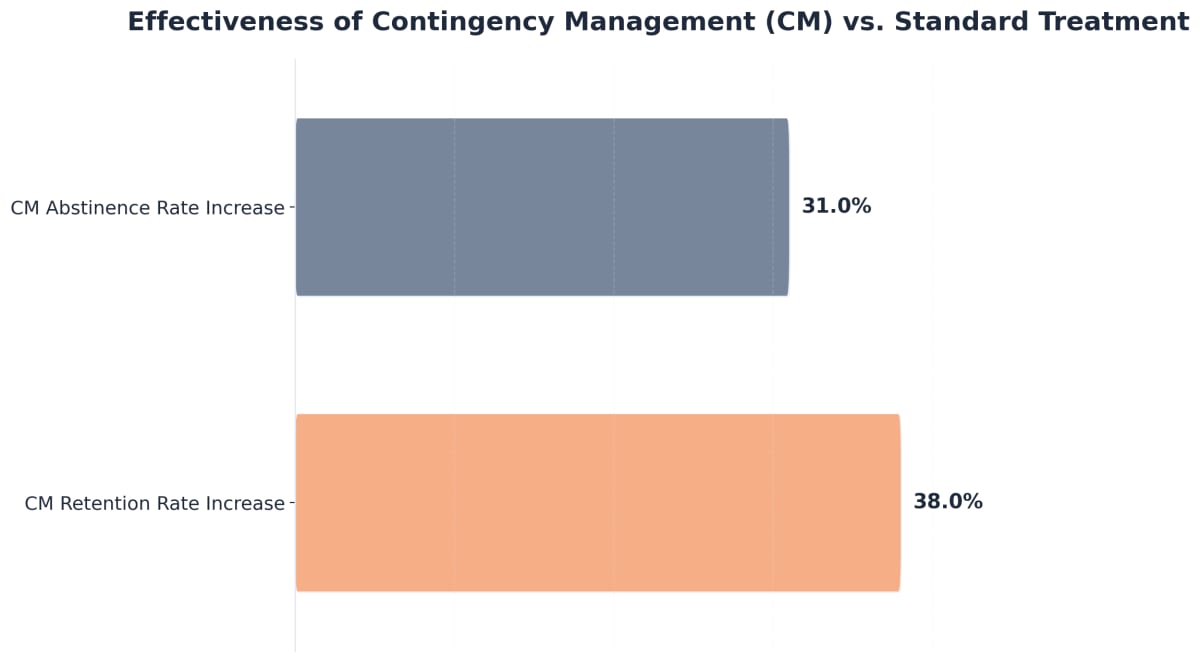
| Contingency Management (CM) | Uses positive reinforcement (rewards) for drug-free urine tests. | 38% higher retention rate; 31% increase in abstinence. |
| Cognitive-Behavioral Therapy (CBT) | Helps identify triggers and develop coping skills. | Builds a foundation for long-term wellness by changing thought patterns. |
| The Matrix Model | Combines CBT, family education, and structured group support. | Provides high structure, ideal for those needing intensive outpatient support. |
Many Austin residents in areas like Clarksville and Bouldin Creek have shared that learning practical strategies through CBT has been transformative, empowering them to regain control over their lives. One recent success story comes from an Allandale resident who described weekly group sessions as a turning point: “Connecting with others going through the same struggle made recovery feel possible.”
Addressing Co-Occurring Mental Health
Addressing co-occurring mental health conditions is essential for effective meth addiction treatment Austin providers deliver across communities like Brentwood, Southpark Meadows, and Manor. Many individuals seeking help experience both substance use and mental health challenges. In Austin, nearly one in three adults in Travis County report poor mental health, highlighting a citywide need for integrated care.9
Integrated treatment programs combine addiction therapy with mental health support. Common conditions addressed include:
- Post-Traumatic Stress Disorder (PTSD): Treated with therapies like Eye Movement Desensitization and Reprocessing (EMDR).
- Anxiety Disorders: Managed through cognitive restructuring and mindfulness.
- Depression: Addressed via behavioral activation and medication management where appropriate.
This is especially important given that people with PTSD are over five times more likely to return to methamphetamine use after treatment compared to those without PTSD. Local success stories illustrate these advances; a North Loop resident described how working with a therapist on anxiety and substance use together made long-term recovery feel possible.3
Treatment Options Across Austin Areas
Residential and Outpatient Programs
Choosing between residential and outpatient programs for meth addiction treatment Austin depends on your specific situation. Residential treatment provides a safe, structured environment—often just a short drive from Zilker Park or near the Arboretum—where individuals can focus solely on healing, away from daily triggers. These programs typically require a time investment of 30 to 90 days.
Outpatient programs, including those provided by Continuum Outpatient Center, allow participants to remain connected with their community, work, or family while attending therapy sessions multiple times per week. This flexibility is ideal for Austinites who commute along MoPac or live in busy areas like South Congress. Consider the following when deciding:
- Choose Residential If: You have a high risk of severe withdrawal, lack a supportive home environment, or have tried outpatient care without success.
- Choose Outpatient If: You have a stable home life, need to maintain employment, and have reliable transportation to attend sessions 3-5 times per week.
Outpatient care emphasizes relapse prevention, coping skills, and ongoing support—key factors, since 61% of people nationwide relapse within the first year after treatment. Many local success stories highlight that combining outpatient services with strong peer and family support has made recovery sustainable.7
Neighborhoods We Serve in Greater Austin
Austin’s approach to meth addiction treatment Austin extends across every corner of the city, building networks of support in neighborhoods like South Lamar, Mueller, and Windsor Park. With facilities and partner programs convenient to MoPac, I-35, and major bus routes, residents in Clarksville, North Burnet, and St. John’s can access help close to home or work.
This local focus matters—recent Austin transit studies show that 160 of the city’s 283 census tracts are either partially covered or not covered at all by hospital access within 60 minutes via public transit, with east Austin facing the greatest challenges. That’s why many providers prioritize flexible scheduling, telehealth, and support with transportation.5
Landmarks such as the Austin Resource Center for the Homeless and the Domain serve as reference points for those seeking options nearby. Ripple Ranch Recovery Center and Continuum Outpatient Center work together to serve the diverse needs of neighborhoods from East Riverside to Tarrytown, ensuring no one feels left out. Safety, parking, and the unique traffic patterns of each area are always considered.

What to Expect During Recovery
The First Year: Navigating Relapse Risk
The first year after completing meth addiction treatment Austin programs is a critical period. Research shows that 61% of individuals nationwide relapse within the first 12 months after leaving treatment, with the risk highest in the first six months. This reality means that ongoing support and realistic expectations are essential.7
To help you navigate this timeline, here is a general roadmap of the first year:
- Months 1-3: High vulnerability. Focus on attending all aftercare appointments and avoiding high-risk situations.
- Months 4-6: Establishing new routines. Reintegrating into work or social circles while maintaining boundaries.
- Months 6-12: Maintenance. Continued participation in peer support groups and periodic check-ins with your counselor.
Local residents often describe the first months as a time of both hope and vulnerability. For example, a client from Brentwood shared how staying connected to their outpatient group and using public spaces like Zilker Park for exercise helped manage cravings and anxiety. Many find that attending regular therapy sessions, whether in-person or through telehealth, is a lifeline—especially when access to care is made easier by Austin’s improving transit options.
Frequently Asked Questions
How can I access meth addiction treatment in Austin if I don’t have reliable transportation?
If you don’t have reliable transportation, there are still ways to access meth addiction treatment Austin programs. Many providers offer telehealth services, letting you receive counseling and support from home or anywhere with internet access. Some local centers near St. John’s, East Austin, and Windsor Park provide flexible scheduling or help arrange rides, especially for those in areas with limited public transit coverage. According to recent research, 160 of Austin’s 283 census tracts lack full hospital access within an hour by public transit, with the greatest gaps in eastern neighborhoods. Don’t hesitate to ask your treatment provider about transportation assistance or remote options—they’re committed to helping you start recovery, no matter your location or situation.5
What should I do if I’ve relapsed after completing meth addiction treatment in Austin?
Relapse after completing meth addiction treatment Austin programs is a common part of recovery, not a sign of failure. About 61% of people nationwide experience relapse within the first year after finishing treatment, with the highest risk in the first six months. If you’ve relapsed, reach out to your treatment provider or a trusted recovery support group in Austin, such as those in North Loop or South Lamar. Returning to counseling or joining a relapse prevention group can help you regain stability and hope. Remember, every step forward counts—support is always available to help you get back on track.7
Does meth addiction treatment in Austin, TX address trauma and PTSD alongside substance use?
Yes, meth addiction treatment Austin programs often address trauma and PTSD alongside substance use. Many Austin treatment centers—especially those serving neighborhoods like North Loop, Brentwood, and East Austin—offer integrated care that combines addiction therapy with trauma-focused approaches such as cognitive behavioral therapy (CBT) and Eye Movement Desensitization and Reprocessing (EMDR). This is vital because people living with PTSD are over five times more likely to return to methamphetamine use after treatment compared to those without PTSD. Addressing both trauma and substance use together gives individuals in Austin a better chance at lasting recovery.3
Can I receive meth addiction treatment in Austin while continuing to work full-time?
Yes, many meth addiction treatment Austin programs are designed for individuals who need to keep working full-time. Outpatient treatment options—including those offered by Continuum Outpatient Center—allow you to schedule therapy sessions during evenings or weekends, providing essential flexibility. Telehealth appointments are also available, making it possible to access care from home or during breaks in your workday. This approach has helped Austinites in busy districts like Downtown and The Domain manage recovery without putting their careers on hold. Studies confirm that outpatient care is effective for those balancing work and recovery, supporting long-term engagement and success.4
What support is available for family members during meth addiction treatment in Austin, TX?
Family members play a vital role in the meth addiction treatment Austin process, and many local programs offer dedicated support for loved ones. Options include family therapy, educational workshops, and support groups that help families understand addiction, communicate effectively, and rebuild trust. These services are available through both residential and outpatient settings in Austin, ensuring families in neighborhoods like Windsor Park, South Congress, and Brentwood have resources close to home. Research supports the importance of involving families, as strong social support can lead to better treatment outcomes and reduce relapse risk for individuals in recovery. Engaging family members helps everyone heal together.4
Are there medication options available as part of meth addiction treatment in Austin?
Currently, there are no FDA-approved medications specifically for methamphetamine use disorder, so meth addiction treatment Austin programs primarily focus on behavioral therapies such as contingency management and cognitive behavioral therapy. However, research is ongoing, and some recent clinical trials have shown that certain medication combinations—like bupropion and naltrexone—may help reduce methamphetamine use for some individuals with moderate-to-severe dependence. While these options are still emerging and not widely available, Austin providers stay informed about the latest advances to ensure residents receive the most effective care possible. Behavioral therapies remain the foundation of meth addiction treatment Austin for now.4
How long does meth addiction treatment typically last in Austin, TX?
The length of meth addiction treatment Austin programs can vary depending on individual needs and the type of care chosen. Many outpatient programs in Austin last between 12 and 24 weeks, with ongoing support available for relapse prevention and long-term recovery. Intensive residential treatment typically ranges from 30 to 90 days, but successful recovery often involves continuous engagement through aftercare and support groups. Research shows that relapse risk is highest in the first year, with 61% of individuals returning to meth use within 12 months after treatment, highlighting the importance of extended support for lasting change.7
Starting Your Recovery Journey Today
Taking the first step toward recovery is often the hardest, but it’s also the most important decision you’ll make. Whether you’re struggling with substance use, mental health challenges, or both, professional support significantly improves outcomes. Research shows that individuals who engage in professional treatment are up to 50% more likely to achieve long-term recovery compared to those who attempt recovery without support, and integrated treatment for co-occurring disorders can reduce relapse rates by 30-40%.
Recovery begins with acknowledging that change is possible and reaching out for help. This might mean calling a treatment center, talking to your doctor, or confiding in someone you trust. Each person’s path looks different, and that’s perfectly okay. What matters most is taking action when you feel ready rather than waiting for circumstances to feel ideal.
Modern treatment approaches recognize that recovery isn’t just about stopping substance use—it’s about building a fulfilling life. Evidence-based therapies such as Cognitive Behavioral Therapy (CBT), Dialectical Behavior Therapy (DBT), and Medication-Assisted Treatment (MAT) work alongside peer support and holistic wellness practices to address the underlying factors that contribute to substance use and mental health concerns.
You don’t have to face this alone. Compassionate professionals understand what you’re going through and are ready to help you create a personalized treatment plan. Your recovery journey starts with a single conversation—perhaps a confidential phone assessment or an informal chat about your concerns—and that conversation can happen whenever you feel ready to reach out.
References
- Co-Occurring Disorders and Other Health Conditions – SAMHSA. https://www.samhsa.gov/substance-use/treatment/co-occurring-disorders
- About Overdose Prevention – CDC. https://www.cdc.gov/overdose-prevention/about/index.html
- Does Posttraumatic Stress Disorder (PTSD) Affect Post-Treatment Methamphetamine Use Outcomes – NIH. https://pmc.ncbi.nlm.nih.gov/articles/PMC3779468/
- Current and Emerging Treatments for Methamphetamine Use Disorder – NIH/PMC. https://pmc.ncbi.nlm.nih.gov/articles/PMC9185770/
- Disparities in Public Transit Access to Healthcare in Austin, Texas – NIH. https://pmc.ncbi.nlm.nih.gov/articles/PMC12620499/
- Methamphetamine Trends in Region VI: Understanding and Addressing the Challenge – PTTC Network. https://pttcnetwork.org/methamphetamine-trends-in-region-vi-understanding-and-addressing-the-challenge/
- Time to Relapse Following Treatment for Methamphetamine Use – NIH. https://pmc.ncbi.nlm.nih.gov/articles/PMC4550209/
- DMC-ODS Contingency Management – California Department of Health Care Services. https://dhcs.ca.gov/Pages/DMC-ODS-Contingency-Management.aspx
- Treatment for Substance Use Disorder With Co-Occurring Mental Health Disorders – NIH. https://pmc.ncbi.nlm.nih.gov/articles/PMC6526999/
- Cognitive-Behavioral Therapy for Substance Use Disorders – NIH. https://pmc.ncbi.nlm.nih.gov/articles/PMC2897895/