
- Assess Your Medical Needs: If you experience tremors or severe anxiety when stopping, prioritize Medical Detox facilities (often found near the Medical Center) before starting rehab.
- Choose Your Environment:
- Residential: Best for breaking cycles in a safe, 24/7 environment (common in Stone Oak/Hill Country areas).
- Outpatient (IOP): Best for maintaining employment while receiving care (accessible via Loop 410/I-10).
- Immediate Action: Verify your insurance coverage today. Many San Antonio centers accept major plans and offer financial guidance.
Understanding Alcohol Rehab San Antonio TX Challenges
San Antonio’s Elevated Alcohol Use Rates
San Antonio stands out in Texas for its elevated rates of alcohol use, creating a pressing need for effective alcohol rehab San Antonio TX resources in neighborhoods like Alamo Heights, Southtown, and the near-downtown areas surrounding the River Walk. A recent study found that 23.9% of adults in San Antonio engage in binge drinking, the highest rate among all 120 U.S. metro areas surveyed—a figure well above the national median of 14.5%2.
Local residents in Stone Oak and the Medical Center district have voiced concerns about the impact of alcohol use on community safety and public health, especially near popular nightlife spots. City officials have responded by directing over $900,000 in opioid settlement funds toward substance use initiatives, aiming to address current treatment gaps and support those affected by alcohol misuse3.
Accessibility to care is crucial for neighborhoods as diverse as the West Side, Monte Vista, and Tobin Hill. Residents often struggle with limited treatment capacity, and city data shows that neighborhood-specific outreach is essential to reaching those in need. A resident from the King William district highlighted the importance of proximity:
“Getting help close to home made all the difference for my recovery journey—having support nearby in San Antonio made it possible to stick with treatment.”
San Antonio’s unique alcohol use patterns call for local solutions that reflect the city’s culture, neighborhood dynamics, and commitment to wellness. Next, we’ll explore how co-occurring mental health conditions add another layer of complexity to San Antonio’s alcohol challenge.
Co-Occurring Mental Health Conditions
Alcohol use in San Antonio often goes hand in hand with mental health challenges, a combination known as co-occurring conditions. Nearly half of people living with a substance use disorder will also experience a mental health disorder in their lifetime, such as depression, anxiety, or PTSD5. In neighborhoods like Beacon Hill, Dignowity Hill, and Southtown, residents and local providers recognize that stress, trauma, and emotional struggles can make alcohol use more complicated to address.
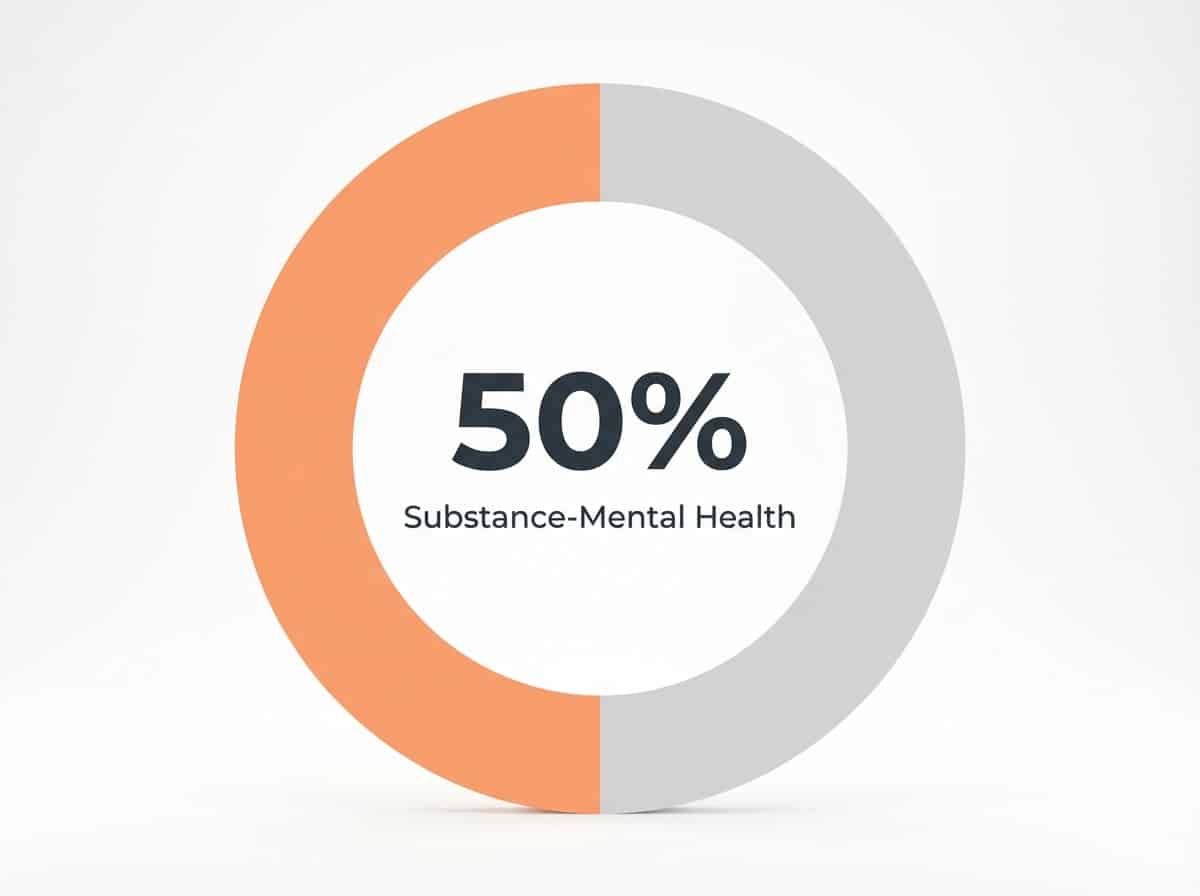
This dual challenge isn’t just a clinical detail—it impacts daily life for many San Antonio families. Treating only one issue without addressing the other can lead to setbacks, which is why integrated care is so strongly encouraged by experts5. A West Side resident shared their experience with dual diagnosis:
“The anxiety was just as hard to manage as the drinking. Getting help for both at the same time was the turning point for me.”
Providers specializing in alcohol rehab San Antonio TX have responded by building programs that treat both mental health and alcohol use together. This approach is especially important given local data showing high rates of trauma and stress in many neighborhoods, including the Medical Center and East Side. Research has shown that when both are treated at the same time, people are more likely to stay in recovery and feel resilient in their daily lives5.
Comprehensive Alcohol Rehab San Antonio TX Options
Medically Supervised Detox and Withdrawal
Medically supervised detox is often the critical first step for those seeking alcohol rehab San Antonio TX, especially in neighborhoods like Alamo Heights, the Medical Center, and along the Broadway corridor. Detoxification is the process of allowing the body to clear alcohol while managing withdrawal symptoms in a safe, supportive environment. In San Antonio, programs near well-known areas such as The Pearl and Southtown provide dedicated spaces for this process, minimizing the risk of complications that can occur without medical oversight.
Alcohol withdrawal can be unpredictable and, in some cases, life-threatening. Symptoms may include anxiety, tremors, hallucinations, and in severe cases, seizures. Local providers are familiar with the city’s high rates of alcohol use—23.9% binge drinking, the highest among U.S. metro areas—which can sometimes mean more severe withdrawal experiences for residents2.
Medically supervised detox typically involves:
- Around-the-clock nursing care.
- Access to physicians for immediate medical needs.
- Use of medications like benzodiazepines to ease discomfort.
- Practical help with transportation and parking, which are top concerns near downtown.
“Having a nurse just down the hall in Monte Vista gave me peace of mind. I knew I wasn’t alone during those tough first days.” — Resident from King William
Once detox is complete, the next step is choosing a program that supports ongoing recovery—residential or outpatient options, which will be explored in the following section.
Residential and Outpatient Programs
Residential and outpatient programs form the heart of ongoing care in alcohol rehab San Antonio TX, offering flexibility for residents in neighborhoods like Stone Oak, Alamo Ranch, and the West Side. To help you decide which setting fits your needs, consider the following comparison:
| Program Type | Best Suited For | Key Benefit |
|---|---|---|
| Residential (Inpatient) | Individuals needing a safe space away from daily triggers or those with history of relapse. | 24/7 structured care and medical monitoring. |
| Intensive Outpatient (IOP) | Residents in Olmos Park or Southtown balancing work/school. | Flexibility to live at home while attending therapy. |
| Partial Hospitalization (PHP) | Those needing high-level care without overnight stays. | Full-day treatment with evenings at home. |
Facilities in areas like the Medical Center and near Downtown are often just minutes from local landmarks such as the San Antonio Zoo or the Alamodome, making access manageable for families across the city. Outpatient options are accessible by VIA Metropolitan Transit and are located near major highways such as I-10 and Loop 410, easing transportation and parking concerns for local residents.
San Antonio’s providers recognize that treatment is not one-size-fits-all. City-specific data shows that completion rates for substance use programs remain below 43%, highlighting the importance of matching each person with the right level of care and ongoing support3. One client from Midtown shared, “Choosing an outpatient program near my home meant I could keep up with my job and still get the help I needed.” These locally tailored options empower individuals to pursue recovery on their own terms.
Evidence-Based Therapies That Work
Cognitive Behavioral and Trauma Therapy
Cognitive behavioral therapy (CBT) and trauma-focused approaches are foundational to effective alcohol rehab San Antonio TX programs, meeting the unique needs of residents from neighborhoods like Alamo Heights, East Side, and Southtown. CBT helps people recognize and change patterns of thinking and behavior that can drive alcohol use. In local treatment centers, participants learn practical skills to manage cravings, navigate triggers, and set realistic goals.
Research shows CBT offers moderate, lasting benefits for substance use recovery, with 60% of participants maintaining clean toxicology screens a year after treatment6. Many San Antonians seeking help have experienced trauma, whether from violence, loss, or chronic stress. Nearly 95% of individuals in substance use treatment report some form of trauma history10.
Trauma therapies—such as Eye Movement Desensitization and Reprocessing (EMDR)—are now widely integrated into local programs. EMDR is endorsed by the World Health Organization and is especially helpful for those coping with post-traumatic stress10. In practice, this means someone from the Medical Center or Monte Vista can access proven trauma therapy without leaving the city.
“Working through trauma in therapy gave me hope that I could move forward, not just stop drinking.” — Client from Midtown
By focusing on both the mind and life experiences, evidence-based therapies provide a compassionate path to healing tailored for San Antonio’s diverse communities. Next, we’ll discuss the importance of family involvement and peer support in building a strong recovery network.
Family Involvement and Peer Support
The role of family and peers is central to success in alcohol rehab San Antonio TX, especially for residents in neighborhoods like Woodlawn Lake, King William, and the West Side. Local programs encourage family participation, knowing that loved ones can provide vital encouragement, help set healthy boundaries, and support ongoing recovery. Studies show that outcomes are consistently better when families are involved, with family-based therapies outperforming individual-only treatment across multiple age groups and backgrounds7.
In San Antonio, family sessions often take place near familiar landmarks such as Brackenridge Park or in community centers in Monte Vista and Southtown, making it easier for relatives to join. These sessions may include:
- Education about the science of alcohol use.
- Communication skill-building workshops.
- Guidance on rebuilding trust and setting boundaries.
One Medical Center client shared, “Having my sister join group sessions in Alamo Heights helped us understand each other again. It made a huge difference.” Peer support is equally valuable. Many residents attend mutual aid groups like Alcoholics Anonymous, which are found citywide from Downtown to Stone Oak. Research confirms that peer-led groups are as effective as professional therapy in maintaining abstinence, and they lower healthcare costs for participants9.
What to Expect During Recovery Journey
Realistic Timeline and Multiple Attempts
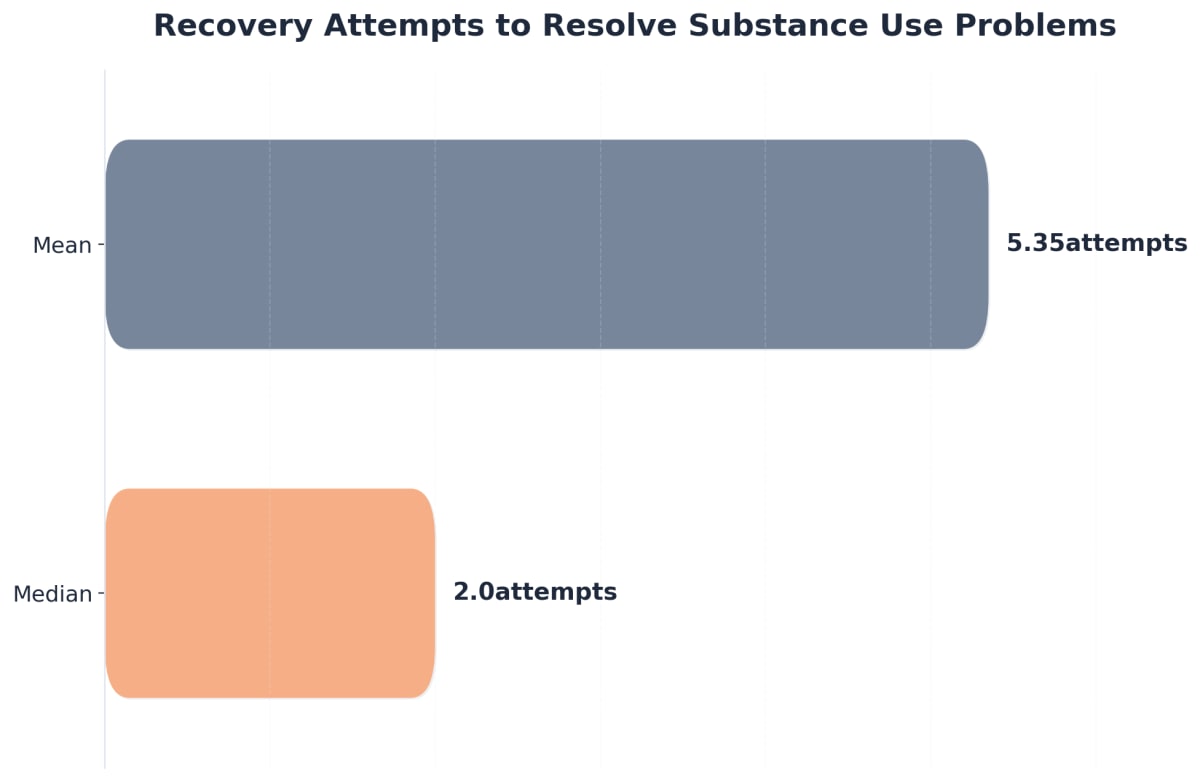
Recovery from alcohol use is a journey—not a single event. Individuals entering alcohol rehab San Antonio TX programs in neighborhoods like Alamo Heights, Southtown, or the West Side often ask how long recovery will take or how many attempts are typical before lasting change happens. Research shows that most people need more than one serious try: the median number of recovery attempts before achieving stable resolution is two, but the average rises to over five, reflecting that some individuals require many more efforts on their path4.
This non-linear process is normal, especially given the stressors and triggers in busy San Antonio neighborhoods. Residents from the Medical Center and Downtown areas often share stories of initial setbacks followed by renewed commitment—emphasizing that each effort builds important skills and resilience.
“It took a few tries, but learning from each round made my recovery stronger.” — Client from Monte Vista
It’s also common for recovery to unfold over years rather than weeks or months. Studies find that the time from first treatment to stable recovery averages nearly a decade, underlining the need for patience, ongoing support, and realistic expectations4. Understanding that relapse or setbacks can be part of the process helps reduce shame and keeps hope alive within local recovery communities.
Aftercare and Long-Term Support Systems
After completing a program at alcohol rehab San Antonio TX, long-term recovery hinges on ongoing support tailored to the city’s diverse communities. Aftercare services are accessible in neighborhoods like Stone Oak, Southtown, and around the Medical Center, giving residents practical options near home. These services may include alumni groups, relapse prevention workshops, and regular check-ins with care teams.
Research highlights that extended support—such as alumni groups and family involvement—can lower relapse rates to levels similar to other chronic health conditions, with 40-60% of people experiencing setbacks, making aftercare crucial for sustained progress7. Local organizations often host alumni events near landmarks like Brackenridge Park or the San Antonio River Walk, fostering a sense of connection and accountability.
Peer-led meetings, including citywide Alcoholics Anonymous chapters, offer ongoing encouragement and a chance to build new relationships—these groups can be as effective as professional therapy in supporting abstinence9. One participant from the East Side shared, “Staying connected to others through alumni meetings near Downtown helped me stay focused, even months after finishing treatment.”
Frequently Asked Questions
Do alcohol rehab centers in San Antonio serve specific neighborhoods like Stone Oak, Alamo Heights, or the West Side?
Yes, alcohol rehab San Antonio TX centers serve specific neighborhoods, offering accessible care to residents in areas like Stone Oak, Alamo Heights, the West Side, Southtown, and Monte Vista. Many treatment programs intentionally locate facilities close to major neighborhoods and landmarks, such as near the Medical Center or the River Walk, so people can find support nearby and avoid long commutes. This local focus helps address challenges like parking or public transit access, which are top concerns for San Antonians seeking care3. Whether you live near Downtown, Olmos Park, or the East Side, you can find programs tailored to your community’s needs.
How many times do most people try alcohol rehab before achieving lasting recovery?
Most people entering alcohol rehab San Antonio TX find that lasting recovery often takes more than one attempt. Research shows the typical person makes a median of two serious recovery efforts, but the average is over five tries—some need many more before achieving stability4. This range is normal and reflects the challenges faced by residents in neighborhoods from Stone Oak to Southtown. It’s important to remember that setbacks don’t mean failure; each attempt teaches new skills and builds resilience. Recovery journeys in San Antonio rarely follow a straight path, and local providers encourage perseverance and ongoing support for every step.4
Can I participate in alcohol rehab in San Antonio while still working full-time?
Yes, you can participate in alcohol rehab San Antonio TX while working full-time. Many local programs offer flexible outpatient options—such as evening or weekend group sessions—specifically designed to support people balancing recovery with job responsibilities. This flexibility is available in neighborhoods like Stone Oak, Downtown, and the Medical Center, making it easier for San Antonians to get care close to work or home. City data shows that treatment providers recognize the importance of supporting individuals who need to keep working, and completion rates are higher when programs fit people’s real-life schedules3. Recovery is possible without putting your career on hold.
What if my loved one refuses to go to alcohol rehab in San Antonio?
If your loved one refuses to attend alcohol rehab San Antonio TX, you are not alone—this is a common challenge for families in neighborhoods from Alamo Heights to the West Side. Encouragement, patience, and ongoing support can make a difference even when someone isn’t ready for treatment. Local providers often recommend starting with open conversations about your concerns, focusing on safety and well-being. Studies show that family involvement improves recovery outcomes, so consider joining a support group or seeking counseling for yourself to learn effective communication strategies7. In San Antonio, resources like family therapy near the Medical Center or River Walk can equip you with tools to stay connected and hopeful. Remember, readiness for change can take time, and your support matters.
Are medications used during alcohol rehab, and is that considered real recovery?
Yes, medications are commonly used during alcohol rehab San Antonio TX, and this is considered real recovery by leading medical experts. Medications such as benzodiazepines are often prescribed to manage withdrawal symptoms safely during detox, while others may use medications for long-term relapse prevention as part of a whole-person care plan8. Clinical research supports that combining medication with counseling and psychosocial support improves outcomes and helps individuals maintain recovery. While some people may prefer an abstinence-only approach, using medication is not a shortcut—it is a proven, evidence-based strategy for many people on their recovery journey8. What matters most is finding the right combination of support that helps each person thrive.
How do I get to alcohol rehab facilities in San Antonio from major highways like I-10 or Loop 1604?
Reaching alcohol rehab San Antonio TX facilities from major highways is straightforward, thanks to the city’s well-connected road system. Many centers are located near main routes like I-10, Loop 1604, and Loop 410, making access convenient for residents in areas such as Stone Oak, Alamo Heights, and the West Side. For example, if you’re coming from I-10, you can take the exit closest to the Medical Center or Southtown, while Loop 1604 provides easy access to facilities in the northern suburbs and near The Rim. VIA Metropolitan Transit also offers routes that stop near many treatment centers, easing the stress of parking or traffic downtown3. Always check with your chosen facility for exact directions and parking details.
What happens if I experience a setback after completing alcohol rehab in San Antonio?
If you experience a setback after completing alcohol rehab San Antonio TX, you are not alone—relapse is a common part of the recovery journey for many San Antonians. Research shows that 40-60% of people in recovery may have setbacks, which is similar to other chronic health conditions7. The key is to reach out quickly for support, whether that means reconnecting with your care team, joining an alumni group in your neighborhood, or attending a local mutual-help meeting. Many programs in San Antonio, from Stone Oak to Southtown, offer aftercare specifically designed to help you get back on track. Remember, each attempt is a step toward lasting wellness, and support is always available.
Finding Comprehensive Care Near You
Searching for the right treatment can feel overwhelming, especially when facing this challenge for yourself or someone you care about. When searching for substance use disorder treatment, location matters significantly. Finding quality care close to home allows individuals to maintain important connections with family and support systems while receiving professional help.
Comprehensive care near you should offer multiple levels of treatment—from residential inpatient care and partial hospitalization programs (PHP) to intensive outpatient programs (IOP) and standard outpatient services—ensuring continuity as recovery progresses. To begin your search effectively, follow these steps:
- Research Evidence-Based Therapies: Look for facilities providing Cognitive Behavioral Therapy (CBT), Dialectical Behavior Therapy (DBT), and Medication-Assisted Treatment (MAT).
- Check for Integrated Care: Ensure the program addresses co-occurring mental health conditions alongside substance use concerns, as this produces better long-term outcomes.
- Evaluate Quality: Consider accreditation, staff credentials, and treatment philosophies. Reading reviews from former clients can provide valuable insights into the environment.
- Verify Insurance: Call your insurance provider’s behavioral health line for a list of in-network facilities, or use SAMHSA’s free treatment locator at findtreatment.gov.
Many centers employ dedicated staff to help navigate insurance benefits and explore financial assistance options when needed. Taking this step to research and reach out for help demonstrates tremendous courage and marks an important beginning on the path to recovery.
References
- Alcohol Use Disorder (AUD) in the United States: Age Groups and Demographic Characteristics – NIAAA. https://www.niaaa.nih.gov/alcohols-effects-health/alcohol-topics/alcohol-facts-and-statistics/alcohol-use-disorder-aud-united-states-age-groups-and-demographic-characteristics
- Metropolitan-Area Estimates of Binge Drinking in the United States – PMC/NIH. https://pmc.ncbi.nlm.nih.gov/articles/PMC1448315/
- San Antonio targets $909K from opioid settlement to reduce overdoses – BeWell Texas. https://bewelltexas.org/san-antonio-targets-909k-from-opioid-settlement-to-reduce-overdoses/
- How Many Recovery Attempts Does it Take to Successfully Resolve Alcohol and Other Drug Problems – PMC/NIH. https://pmc.ncbi.nlm.nih.gov/articles/PMC6602820/
- Dual Diagnosis (Co-Occurring Disorders) – Cleveland Clinic. https://my.clevelandclinic.org/health/diseases/24426-dual-diagnosis
- Cognitive-Behavioral Therapy for Substance Use Disorders – PMC/NIH. https://pmc.ncbi.nlm.nih.gov/articles/PMC2897895/
- Family Involvement in Treatment and Recovery for Substance Use Disorders – PMC/NIH. https://pmc.ncbi.nlm.nih.gov/articles/PMC8380649/
- What is Buprenorphine? Side Effects, Treatment & Use – SAMHSA. https://www.samhsa.gov/substance-use/treatment/options/buprenorphine
- Alcoholics Anonymous most effective path to alcohol abstinence – Stanford School of Medicine. https://med.stanford.edu/news/all-news/2020/03/alcoholics-anonymous-most-effective-path-to-alcohol-abstinence.html
- What is EMDR therapy and why is it used to treat PTSD – American Psychological Association. https://www.apa.org/topics/psychotherapy/emdr-therapy-ptsd