
Key Takeaways: Your Path to Safety
- Assessment Guide: If you experience tremors, anxiety, or sweating within hours of stopping drinking, medical supervision is strongly recommended over “cold turkey” methods.
- Success Factors: The top three predictors of a safe detox in Austin are:
- Access to 24/7 medical monitoring (Inpatient).
- Dual-diagnosis support for co-occurring anxiety or PTSD.
- A pre-planned transition to aftercare (IOP or therapy).
- Immediate Action: If you are currently intoxicated or in withdrawal, do not drive. Call a local detox admission line or 988 for transport options in Travis County.
Alcohol Detox Austin TX Services Across the City
Understanding Medical Alcohol Withdrawal
- Do you feel shaky or anxious when you wake up?
- Have you ever had a seizure after stopping drinking?
- Do you drink to avoid feeling sick?
Understanding medical alcohol withdrawal is essential for anyone considering alcohol detox Austin TX. When someone with alcohol dependence stops drinking, their body—especially the brain and nervous system—can struggle to adjust. In neighborhoods like Hyde Park, South Congress, and East Riverside, many families have seen loved ones experience withdrawal symptoms within 24–72 hours of their last drink.
These symptoms can range from tremors and anxiety to increased heart rate, sweating, and even hallucinations, with the most intense phase typically lasting 5–7 days. In Austin, where over 10% of Travis County residents meet criteria for alcohol use disorder, having access to medical detox is especially important.3,5
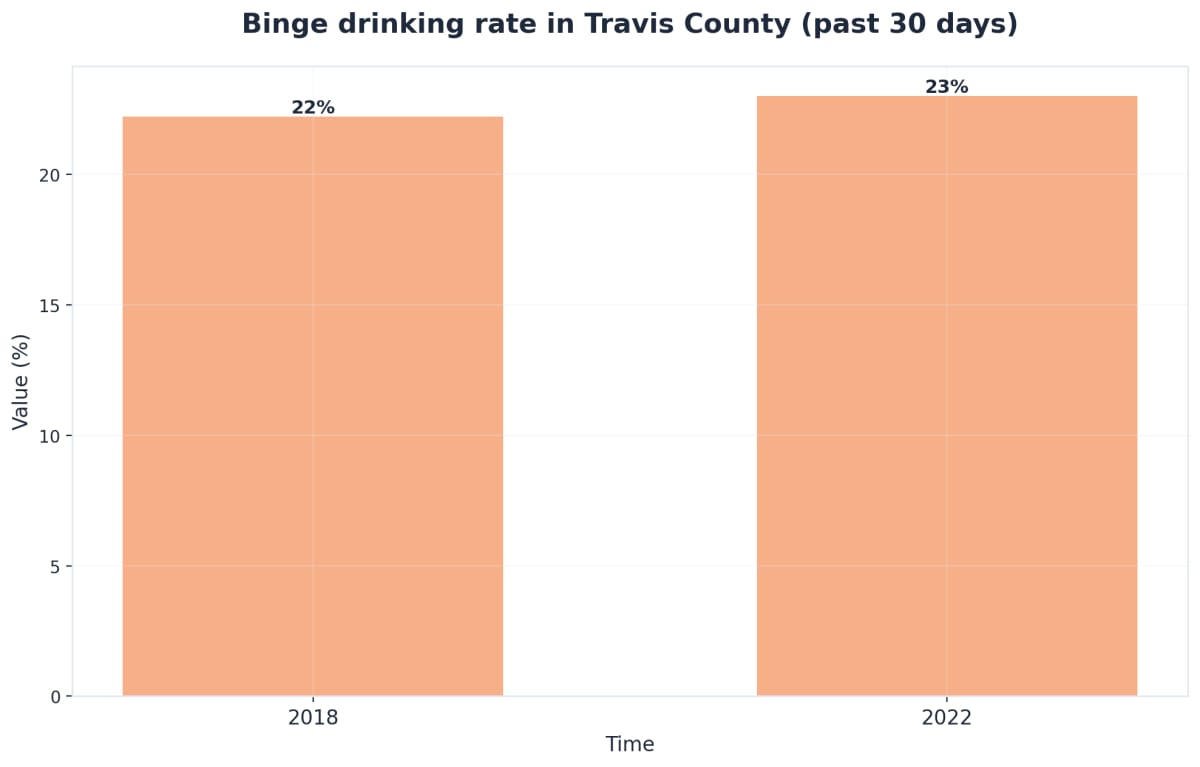
“Excessive drinking in Travis County hovers at 23%—much higher than the national average—making medical supervision vital for preventing complications like seizures or delirium tremens.”8
Medical supervision ensures that complications are managed quickly and safely, often with evidence-based treatments such as benzodiazepines. After the acute phase, ongoing care focuses on addressing lingering symptoms like sleep difficulties, anxiety, or cravings, which can persist for weeks. Austin’s medical detox programs are designed to keep residents safe, supported, and on the path to recovery.1,5

Why Austin Residents Choose Professional Care
Austin’s unique culture, fast growth, and diverse neighborhoods like Zilker, Mueller, Westlake, and Brentwood shape how residents approach recovery. Many choose professional alcohol detox Austin TX because local facilities provide around-the-clock medical care, evidence-based therapies, and compassionate support. In areas near Lady Bird Lake or just north of The Domain, easy access to public transit and ample parking make these centers convenient, even for those commuting from further out.
With 23% of Travis County residents engaging in excessive drinking—substantially higher than the national average—there’s a strong community emphasis on safe, medically guided detox. Austin’s professional programs understand the city’s pace and adapt to local needs, offering both inpatient and outpatient options designed for safety, privacy, and effectiveness.8
Success stories echo across the city: a South Lamar resident credits medical detox for “helping me feel safe and hopeful again,” while someone from Clarksville notes, “The staff supported me every step, even arranging aftercare just blocks from my home.” Choosing professional alcohol detox Austin TX means having medical teams, emotional support, and practical resources tailored for Austin’s neighborhoods.
The Alcohol Detox Process in Central Texas
Initial Assessment and Medical Stabilization
- Photo ID and Insurance Card.
- List of current medications and dosages.
- Comfortable clothing for 5-7 days (layers are best for Austin AC).
- Alcohol-free toiletries.
The first hours of alcohol detox in Austin TX begin with an initial assessment and medical stabilization, a critical step for safety and comfort. In Central Texas, treatment teams in neighborhoods like Barton Hills, Allandale, and Cherrywood conduct thorough evaluations to understand each individual’s medical history, withdrawal severity, and any co-occurring health conditions. This assessment typically happens right as someone arrives, often in facilities just minutes from Austin landmarks like the Texas Capitol or St. Edward’s University.
Medical stabilization follows quickly, with round-the-clock monitoring and supportive care. Staff check vital signs regularly and watch for severe withdrawal symptoms—such as seizures or delirium tremens—that can develop in as many as 5–10% of complicated cases. Because Travis County has higher rates of alcohol use disorder than most U.S. cities, Austin’s detox programs are well-practiced in adapting to individual needs and responding to emergencies.5,8,9
One recent patient from East Austin described the process: “They explained every step, checked in often, and helped me feel safe when my anxiety spiked.” Facilities near the UT campus and along South Lamar make it easy for residents from across the city to access care, with convenient parking and public transit options. This careful approach ensures that every person starting alcohol detox in Austin TX is medically supported from the very beginning.
Medication-Assisted Withdrawal Management
Medication-assisted withdrawal management is a cornerstone of alcohol detox in Austin TX, especially in communities like Travis Heights, Windsor Park, and Bouldin Creek. Here, clinical teams rely on evidence-based protocols using medications such as benzodiazepines to ease withdrawal symptoms and prevent serious complications. These medications are tailored to each individual’s needs, reducing risks like seizures and delirium tremens while supporting stability during the most intense days of detox.5
Austin’s detox centers also frequently use additional medications and supplements—such as thiamine—to protect against neurological complications, which is especially important in areas with high rates of excessive drinking like East Austin and North Loop. Residents near local landmarks like the Long Center or Mueller Lake Park benefit from integrated programs that combine medication management with regular medical monitoring.5,8
A patient from Windsor Park recounted, “The staff checked in on me around the clock and adjusted my medications so I could rest and focus on recovery.” This individualized approach, accessible via major routes like I-35 and local public transit, helps Austin residents feel safe and supported throughout the withdrawal process.
What to Expect During Alcohol Detox in Austin TX
Timeline and Symptom Management Strategies
During alcohol detox Austin TX, residents can expect the most intense withdrawal symptoms to develop within the first 24–72 hours after their last drink. In neighborhoods such as Crestview, Travis Heights, and along South First, local treatment centers support individuals through this challenging start, offering quiet spaces and round-the-clock monitoring near landmarks like Zilker Park and the Austin Central Library.
| Phase | Time Since Last Drink | Common Symptoms |
|---|---|---|
| Early Withdrawal | 6 – 12 Hours | Anxiety, insomnia, nausea, abdominal pain. |
| Peak Intensity | 24 – 72 Hours | High blood pressure, increased body temperature, confusion, tremors. |
| Stabilization | Day 5 – 7 | Physical symptoms subside; emotional symptoms (mood swings) may persist. |
The most critical phase of alcohol detox Austin TX usually lasts five to seven days, but some symptoms like disrupted sleep or mood changes may linger for weeks afterward, making ongoing support essential. To help manage discomfort, Austin programs use evidence-based medications, hydration, and regular medical check-ins.1,8
Staff will often encourage light movement, nutritious meals, and relaxation techniques, helping people manage cravings and anxiety safely. Success stories from the North Loop and Tarrytown neighborhoods highlight the difference this approach makes; one client shared, “The team was always available, helping me handle the worst days with care and understanding.” With the right strategies and neighborhood support, detox can be a safer, more manageable process for everyone.
Transitioning to Comprehensive Treatment
Transitioning from alcohol detox Austin TX into ongoing, comprehensive treatment is a vital next step for lasting recovery. As withdrawal symptoms subside, Austin programs in neighborhoods like Bouldin Creek, Mueller, and North Loop help residents design a personalized treatment plan. This transition often includes referrals to intensive outpatient programs, therapy groups, and dual diagnosis care—key supports for those facing both alcohol use disorder and mental health challenges.7,8
In Central Austin, facilities near the University of Texas campus and along South Congress offer seamless connections to behavioral therapies like cognitive-behavioral therapy (CBT), which has been shown to significantly improve recovery outcomes. Many local centers also coordinate with peer support communities and aftercare services, ensuring residents from Cherrywood to Westlake have ongoing encouragement and accountability.7
A Hyde Park client recently shared, “Joining an outpatient group right after detox gave me the structure I needed to avoid old triggers.” Given Austin’s busy traffic and limited parking in some areas, many programs offer telehealth appointments and flexible schedules. This approach allows individuals to continue receiving care while balancing daily responsibilities, making the transition smoother and more sustainable.
Choosing the Right Alcohol Detox Austin TX Facility
Evidence-Based Care and Dual Diagnosis Support
- “Do you have 24/7 medical staff on-site?”
- “Can you treat co-occurring anxiety or depression (Dual Diagnosis)?”
- “What is the staff-to-patient ratio?”
- “Do you provide transportation from my Austin neighborhood?”
Evidence-based care is at the heart of quality alcohol detox Austin TX, and local facilities in neighborhoods like Circle C Ranch, East Riverside, and Highland Park West are leading the way with proven approaches. Centers near landmarks such as the Barton Creek Greenbelt and the Austin Convention Center blend medical expertise with therapies backed by research, ensuring each person’s care is tailored to their unique needs.
In Travis County—where over 10% of residents meet criteria for alcohol use disorder and 23% report excessive drinking, rates much higher than the national average—these evidence-based practices are especially crucial for safety and lasting recovery. One key advantage of high-quality alcohol detox Austin TX is integrated dual diagnosis support. Many individuals seeking detox in Austin also experience anxiety, depression, or PTSD, and local programs are increasingly designed to address both substance use and mental health together.7,8
This means a resident from Rosedale can receive coordinated care for withdrawal symptoms and co-occurring conditions, improving their chances of success. For example, a recent client from South Congress shared, “My care team helped me manage both my anxiety and alcohol withdrawal, which made all the difference for my recovery.” Facilities in Austin are accessible to residents from neighborhoods like Tarrytown and Montopolis, with options for safe parking and public transit.
Insurance Coverage and Accessibility Options
Navigating insurance coverage and accessibility is a key consideration for anyone seeking alcohol detox Austin TX. In neighborhoods like Windsor Park, South Lamar, and St. John’s, local programs work with a variety of insurance plans—including private, employer-sponsored, and Medicaid coverage. Facilities near popular Austin landmarks, such as the Arboretum and along Burnet Road, often have dedicated admissions teams ready to verify insurance benefits and answer questions about what services are included.
Travis County’s high rates of excessive drinking—23% of residents—underscore the urgent need for accessible treatment across the city. To meet this demand, many alcohol detox Austin TX centers offer flexible scheduling, telehealth assessments, and convenient locations near neighborhoods like Oak Hill, Pleasant Valley, and Cherrywood. Public transit routes and ample parking are frequently highlighted as important features, especially for those traveling from further out or dealing with Austin’s traffic patterns.8
One recent client from the Brentwood area shared, “I was surprised how easy it was to start detox—the team handled my insurance paperwork and helped me find a spot close to home.” Accessibility and insurance support are central to making sure everyone, regardless of their neighborhood or background, can take the first step toward healing.
Frequently Asked Questions
Can I receive alcohol detox in Austin TX if I also struggle with anxiety or PTSD?
Yes, you can receive alcohol detox Austin TX if you also struggle with anxiety or PTSD. Many Austin detox programs are specifically designed to offer dual diagnosis support, meaning they treat both alcohol withdrawal and co-occurring mental health conditions at the same time. This approach is important, as symptoms like anxiety and post-traumatic stress can intensify during withdrawal. Local facilities in neighborhoods such as Circle C Ranch, East Riverside, and Highland Park West use evidence-based protocols—combining medical care, medication, and therapeutic support—to help you stay safe and feel understood. Choosing alcohol detox Austin TX ensures your mental health is never overlooked during the recovery process.7,8
Which Austin neighborhoods and surrounding areas do alcohol detox facilities serve?
Alcohol detox Austin TX facilities serve every neighborhood in the city, including Downtown, Hyde Park, Mueller, South Lamar, and East Riverside. These programs also welcome residents from surrounding areas such as Pflugerville, Round Rock, Cedar Park, and Buda, ensuring that support reaches the wider Central Texas community. Many centers are conveniently located near major routes like I-35 and Mopac, offering easy access for those traveling from Barton Hills, Cherrywood, or even further out. With 23% of Travis County residents engaging in excessive drinking, the need for accessible alcohol detox Austin TX services across diverse neighborhoods is clear. No matter where you live in or around Austin, help is nearby.8
What happens if I’m using both alcohol and other substances?
If you’re using both alcohol and other substances, alcohol detox Austin TX centers are equipped to help with what’s known as polysubstance use. Detox in this situation requires extra medical supervision, as withdrawal from multiple substances—like alcohol and opioids or stimulants—can be more complicated and carries unique health risks. Austin-area programs in communities from Mueller to South Lamar use tailored protocols and may incorporate medication-assisted treatment for each substance as needed. Staff will closely monitor your symptoms and adjust care throughout the process, ensuring your safety and comfort. Integrated care helps address all substances you’ve been using, supporting your long-term recovery.10
How can my family be involved during alcohol detox in Austin TX?
Family involvement during alcohol detox Austin TX can be an essential source of encouragement and stability. Many Austin programs invite family members from neighborhoods like Allandale, South Congress, and East Riverside to participate in education sessions, support groups, or family counseling. This helps loved ones better understand the detox process and how to offer constructive support at home. Some facilities coordinate regular updates or virtual meetings, making it easier for families to stay connected even through Austin’s busy schedules. Research shows that ongoing support from family can improve treatment outcomes and reduce the risk of relapse, especially in communities with high rates of alcohol use disorder.1,8
Can I work or maintain my daily responsibilities during alcohol detox in Austin TX?
Many alcohol detox Austin TX programs offer flexible options that help people continue working or caring for daily responsibilities, especially in outpatient settings. Outpatient detox allows individuals in neighborhoods like Brentwood, South Congress, and East Austin to attend treatment sessions while still managing jobs, school, or family commitments. However, the ability to work depends on withdrawal severity and personal health—some may need to take time off during the first few days when symptoms are most intense. Medical teams will collaborate with you to create a safe plan that fits your needs, including telehealth visits or evening appointments when possible. Always discuss your situation with your treatment provider.4
What should I do if my loved one refuses to seek alcohol detox in Austin TX?
If your loved one refuses alcohol detox Austin TX, it’s natural to feel concerned and unsure about next steps. Start by expressing your care without judgment and share factual information about the risks of untreated withdrawal—like how symptoms can escalate quickly, especially given Austin’s higher rates of alcohol use disorder. Encourage open dialogue and gently suggest speaking with a healthcare professional. Local support groups and intervention specialists in neighborhoods such as Hyde Park or South Lamar may offer guidance tailored to Austin families. If safety becomes a concern, reach out to crisis services or call 988, which connects to Travis County’s comprehensive crisis response network.8
How do I access crisis support in Travis County if I need immediate help?
If you need immediate crisis support in Travis County, call or text 988 to reach the Suicide & Crisis Lifeline, which connects you with local mental health and substance use crisis responders 24/7. This service is available across all Austin neighborhoods—including Downtown, East Riverside, and Hyde Park—and is confidential and free. In 2023, Austin’s crisis response network expanded to handle over 11,000 monthly contacts, offering rapid assistance and referrals for urgent needs. For urgent alcohol detox Austin TX situations, mobile crisis teams can be dispatched to your location or direct you to the nearest safe facility. If you or someone you know is at immediate risk, don’t hesitate to call 988 or visit an emergency department.8
Begin Your Recovery Journey Near Austin
Taking the first step toward recovery requires courage, and finding the right support can make all the difference. The Austin area offers a welcoming environment where individuals can focus on healing while staying connected to their community and loved ones. Whether someone is seeking treatment for the first time or returning to care after a setback, local resources provide comprehensive support tailored to individual needs.
Recovery is a deeply personal journey, and having access to quality care close to home removes many barriers that might otherwise prevent someone from seeking help. The Austin region’s treatment facilities combine evidence-based approaches with compassionate care, creating environments where individuals can address the root causes of substance use while building skills for long-term wellness.
Starting treatment doesn’t have to feel overwhelming. Many facilities offer flexible options that accommodate work schedules, family responsibilities, and personal preferences. From initial assessment through ongoing aftercare, local programs provide the structure and support necessary for sustainable recovery. Reaching out for help today opens the door to a healthier, more fulfilling tomorrow.
References
- National Institute on Alcohol Abuse and Alcoholism – Alcohol Use Disorder. https://www.niaaa.nih.gov/alcohol-health/overview-alcohol-consumption/alcohol-use-disorder
- SAMHSA – Medications for Substance Use Disorders. https://www.samhsa.gov/medications-substance-use-disorders
- CDC – Alcohol and Public Health Data. https://www.cdc.gov/alcohol/data-research.html
- NCBI – Summary of Evidence: Inpatient and Outpatient Treatment for Substance Use Disorders. https://www.ncbi.nlm.nih.gov/books/NBK507689/
- PMC – Alcohol Withdrawal Syndrome: Benzodiazepines and Beyond. https://pmc.ncbi.nlm.nih.gov/articles/PMC4606320/
- Texas Department of State Health Services – Substance Abuse Programs. https://www.txdshs.gov/
- PMC – Cognitive-Behavioral Therapy for Substance Use Disorders. https://pmc.ncbi.nlm.nih.gov/articles/PMC2897895/
- Travis County Health and Human Services. https://www.travis.austintexas.gov/health-human-services
- American Society of Addiction Medicine – ASAM Criteria for Treatment Planning. https://www.asam.org/resources/the-asam-criteria
- National Institute on Drug Abuse – Overdose and Opioid Crisis. https://nida.nih.gov/research-topics/overdose-opioid-crisis