
Key Takeaways
- Prerequisites: Patience, a quiet environment, and a foundational understanding of dual diagnosis treatment principles.
- Step 1: Educate yourself on evidence-based therapies and medication-assisted treatment options to make informed decisions.
- Step 2: Initiate compassionate, non-judgmental communication to foster trust and reduce defensiveness.
- Step 3: Establish sustainable boundaries that provide meaningful support without enabling harmful behaviors.
- Outcome: You will establish a structured, empathetic framework to guide your loved one toward comprehensive recovery resources.
Understanding Substance Use as a Medical Condition
Neurobiological Changes in Addiction
Addiction causes significant changes in the brain that go beyond the initial choice to use a substance. When someone develops a substance use disorder, repeated exposure to drugs or alcohol disrupts the brain’s natural systems for reward, motivation, and self-control. Over time, these neurobiological changes make it extremely difficult for an adult child struggling with addiction to stop using on willpower alone.
The brain adapts to the presence of substances, so normal rewards—like family connection or work accomplishments—may feel less satisfying compared to the effects of the substance. Research shows that key brain areas affected include those responsible for decision-making, impulse control, and emotional regulation.
“These changes are not simply a matter of poor choices; they reflect a chronic medical condition that affects how the brain functions day to day.”
Understanding the neurobiology of addiction helps reduce stigma and supports a more compassionate approach to care. Recognizing these brain changes is crucial as professionals work with families to support recovery. Next, it is essential to explore the relationship between substance use and co-occurring mental health conditions.
Co-Occurring Mental Health Conditions
Many individuals with substance use disorders also experience mental health conditions such as depression, anxiety, PTSD, or bipolar disorder. This overlap is known as a co-occurring disorder or dual diagnosis, and it often complicates both diagnosis and treatment. For an adult child struggling with addiction, underlying mental health issues may drive substance use as a coping mechanism, making recovery more challenging if both concerns are not addressed together.
Common Co-Occurring Disorders
Conditions frequently seen alongside substance use include generalized anxiety, major depressive disorder, and post-traumatic stress disorder (PTSD). Treating these simultaneously is considered the gold standard of care.Recent data suggests that as many as 40-60% of people with substance use disorders also have at least one co-occurring mental health condition5. These overlapping conditions can intensify symptoms and increase the risk of relapse. Recognizing the presence of a dual diagnosis is essential for professionals guiding families, as integrated treatment approaches are proven to yield better outcomes than treating either issue alone2.
The high rate of co-occurrence underscores the need for trauma-informed, holistic strategies that address the whole person—not just substance use. When professionals educate families about the signs of co-occurring disorders, it helps reduce stigma and encourages compassionate support. Understanding this connection paves the way for exploring a range of evidence-based treatment options in the next step.
Step 1: Educate Yourself About Treatment Options for an Adult Child Struggling with Addiction
Evidence-Based Therapeutic Approaches
Evidence-based therapeutic approaches are central to supporting an adult child struggling with addiction. These methods have been studied extensively and are shown to improve outcomes when addressing substance use and co-occurring mental health conditions. Cognitive Behavioral Therapy (CBT) is one of the most researched treatments; it helps individuals identify and change patterns of thinking and behavior that contribute to substance use.
Families who understand the basics of CBT can reinforce positive coping skills at home, supporting recovery beyond clinical settings9. Dialectical Behavior Therapy (DBT) is another effective option for individuals who experience intense emotions or have a trauma history. DBT teaches skills for managing stress, improving emotional regulation, and reducing impulsive behaviors.
Families who become familiar with DBT principles can better support their adult child struggling with addiction by encouraging the use of these tools during daily challenges10. Family therapy itself is a key component, as research has shown it improves treatment engagement, reduces relapse, and strengthens family relationships. When families participate in therapy, they report a 40% better ability to support recovery8, 6.
The table below summarizes these leading therapeutic approaches:
| Approach | Focus | Family Involvement |
|---|---|---|
| CBT | Thoughts & Behaviors | Reinforce coping skills |
| DBT | Emotion Regulation | Support skill practice |
| Family Therapy | Relationships & Communication | Joint participation |
Next, it is helpful to learn about medication-assisted treatment protocols that complement these therapies.
Medication-Assisted Treatment Protocols
Medication-assisted treatment (MAT) protocols are an essential part of supporting an adult child struggling with addiction, especially when substance use disorders are severe or have not responded fully to therapy alone. MAT combines approved medications with counseling and behavioral therapies to help reduce cravings, stabilize mood, and lower the risk of relapse.
Common medications include buprenorphine, methadone, and naltrexone for opioid use disorder, and acamprosate or disulfiram for alcohol use disorder7. These medications do not replace one substance with another; instead, they work with the brain to restore balance and support recovery. When researching these options online, you might use specific search queries like dual diagnosis MAT near me or press Ctrl + D to bookmark reputable facility pages for future reference.
Research from the CDC shows that using MAT can significantly reduce the risk of overdose and improve retention in treatment programs7. This is especially important given the ongoing rise in opioid-related overdose deaths. When MAT is integrated with therapy and family support, outcomes improve even further, with individuals more likely to stay engaged in care and build lasting recovery skills.
The table below summarizes key MAT medications and their primary uses:
| Medication | Primary Use | Key Benefit |
|---|---|---|
| Buprenorphine | Opioid Use Disorder | Reduces cravings |
| Methadone | Opioid Use Disorder | Prevents withdrawal |
| Naltrexone | Opioid/Alcohol Use | Blocks effects of substances |
| Acamprosate | Alcohol Use Disorder | Supports abstinence |
| Disulfiram | Alcohol Use Disorder | Discourages drinking |
Understanding MAT protocols helps families make informed decisions and advocate for care that matches the specific needs of their loved one. The next step focuses on how to initiate compassionate communication with an adult child struggling with addiction.
Step 2: Initiate Compassionate Communication with an Adult Child Struggling with Addiction
Timing and Setting for Conversations
Choosing the right time and setting to talk with an adult child struggling with addiction is crucial for building trust and fostering open communication. It is best to look for moments when both parties are calm and not in the middle of a crisis or active substance use. A quiet, private space—free from distractions like phones or television—helps everyone feel safer and more focused.
Professionals recommend following these guidelines to set the stage for a productive conversation:
- Select a quiet, private space free from distractions.
- Ensure both parties are calm and not in a state of crisis.
- Avoid times when anyone is hungry, tired, or emotionally overwhelmed.
Research shows that family involvement, when approached thoughtfully and at the right time, can improve engagement in treatment and strengthen recovery outcomes8. Preparing in advance by setting aside dedicated time and planning for interruptions can also help conversations feel more intentional and less reactive. It may be helpful to let your adult child know ahead of time that you wish to talk, allowing them to mentally prepare and reducing feelings of ambush.
Establishing a supportive environment makes it easier for an adult child struggling with addiction to share honestly. The next step is to focus on the language used during these discussions, which can greatly influence how your message is received.
Language That Reduces Defensiveness
When communicating with an adult child struggling with addiction, the words chosen can either encourage openness or trigger defensiveness. Using nonjudgmental language is essential. Instead of making accusatory statements or using blame, professionals recommend focusing on specific observations and expressing concern through “I” statements.
“I’ve noticed you seem more withdrawn lately, and I’m worried about you.”
This approach feels significantly less confrontational than saying, “You never talk to me anymore.” Validating feelings and experiences also plays a critical role. Acknowledging the stress or pain an adult child struggling with addiction may feel helps reduce shame and makes it easier for them to share honestly.
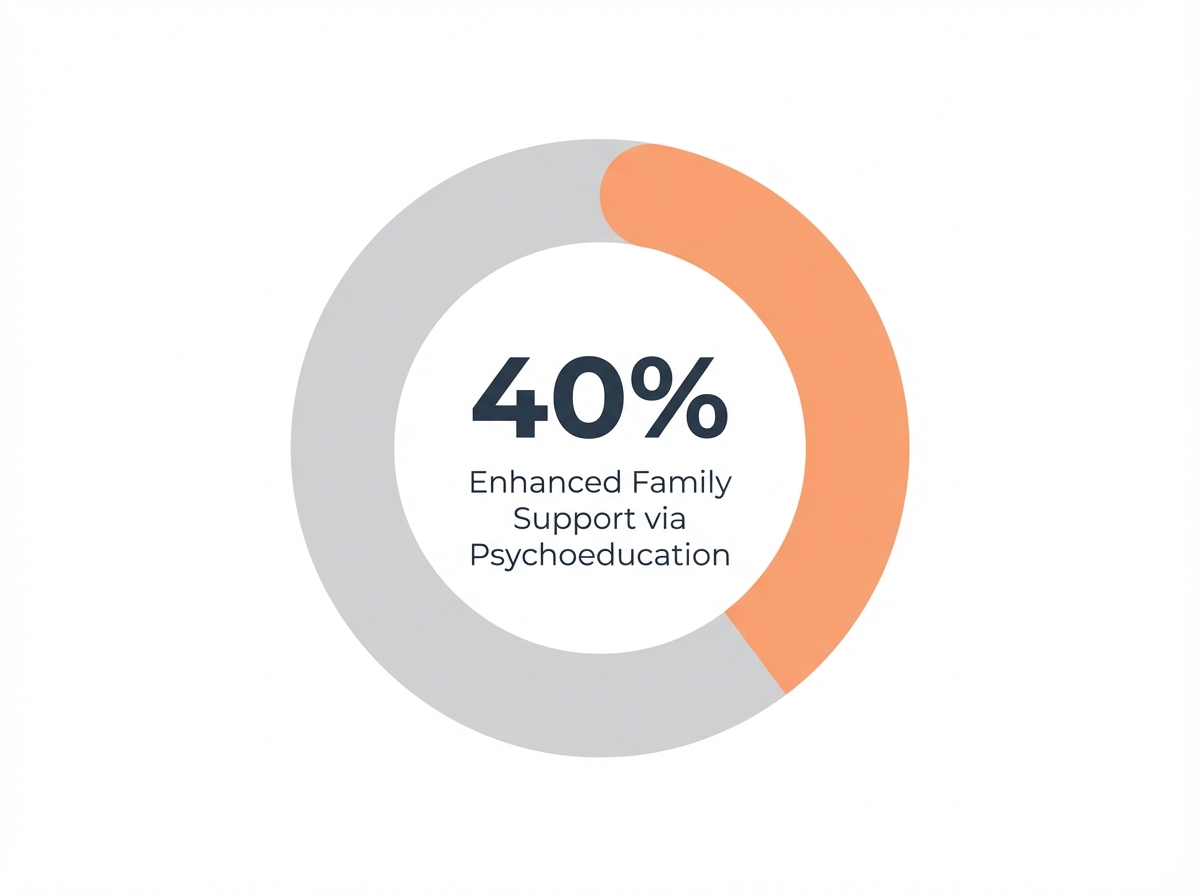
Avoid labels or language that could be perceived as demeaning or dismissive. Instead, offer empathy and reinforce that recovery is a process, not an expectation of immediate change. Research shows that families who engage in psychoeducation about substance use and mental health improve their ability to support recovery by 40% compared to those who do not receive such training6. This highlights how sensitive, supportive communication is a learned skill that strengthens family engagement.
With this foundation, the next step involves setting healthy boundaries that balance ongoing support with personal well-being.
Step 3: Establish Boundaries While Maintaining Support
Distinguishing Support from Enabling
Distinguishing support from enabling is a critical consideration for professionals working with families who have an adult child struggling with addiction. Support means providing encouragement, compassion, and resources that help a loved one move toward recovery, while enabling involves actions that unintentionally allow substance use to continue or shield the individual from the natural consequences of their choices.
For example, offering a listening ear or helping access treatment is supportive, but bailing someone out of legal or financial trouble caused by substance use may cross the line into enabling. Research and clinical experience show that families often struggle to find this balance, especially when driven by love and a desire to reduce their loved one’s suffering.
Clear guidance, psychoeducation, and structured boundaries help families avoid patterns that reinforce substance use. Evidence shows that when families are educated about the difference between support and enabling, their ability to help an adult child struggling with addiction improves by as much as 40%6.
The table below highlights key differences:
| Support | Enabling |
|---|---|
| Encourages healthy decisions and treatment seeking | Covers up or excuses harmful behaviors |
| Sets clear and consistent boundaries | Ignores or minimizes consequences |
| Offers emotional encouragement | Provides financial rescue from substance-related issues |
Establishing sustainable family agreements will further reinforce this balance in the next step.
Creating Sustainable Family Agreements
Creating sustainable family agreements is a practical way to maintain healthy boundaries with an adult child struggling with addiction while still offering support. Agreements should be clear, realistic, and mutually understood. Rather than imposing rules, professionals recommend that families work together to outline expectations around issues like communication, substance use in the home, and participation in treatment.
These agreements are most successful when everyone’s input is valued, and the focus remains on safety and respect. It is important to review and update these agreements regularly, especially as circumstances change. This process encourages accountability for both the family and the adult child struggling with addiction.
Research shows that families who participate in psychoeducation and structured planning improve their ability to support recovery by 40% compared to those who do not6. In practice, this might mean agreeing to attend therapy sessions together, setting specific times for check-ins, or identifying what actions will be taken if boundaries are crossed.
FAMILY AGREEMENT TEMPLATE
Date:
Commitment 1: We agree to communicate openly without judgment.
Commitment 2: We will attend weekly family therapy sessions.
Commitment 3: No substances are allowed in shared living spaces.
A family agreement table can help clarify commitments:
| Agreement Area | Example Commitment |
|---|---|
| Communication | Weekly family check-in call |
| Substance Use in Home | No substances allowed in shared spaces |
| Treatment Participation | Attend support meetings together |
Well-crafted agreements help prevent misunderstandings and reduce conflict. The next section explores how to connect with additional recovery resources for long-term support.
Frequently Asked Questions
What if my adult child refuses all treatment options despite multiple conversations?
If an adult child struggling with addiction refuses all treatment options, even after several thoughtful discussions, it is important to remember that change often happens in stages. Many individuals are not ready to accept help immediately. Professionals recommend maintaining open, nonjudgmental communication and offering ongoing support, while also setting boundaries to protect your own well-being. Family psychoeducation can improve your ability to provide meaningful support by 40%6. Encourage your adult child to seek information or talk with peers in recovery, as hearing from others can sometimes be more persuasive than family advice. Above all, avoid ultimatums or pressure, but continue to express care and hope for recovery.
How do I navigate insurance coverage for dual diagnosis treatment programs?
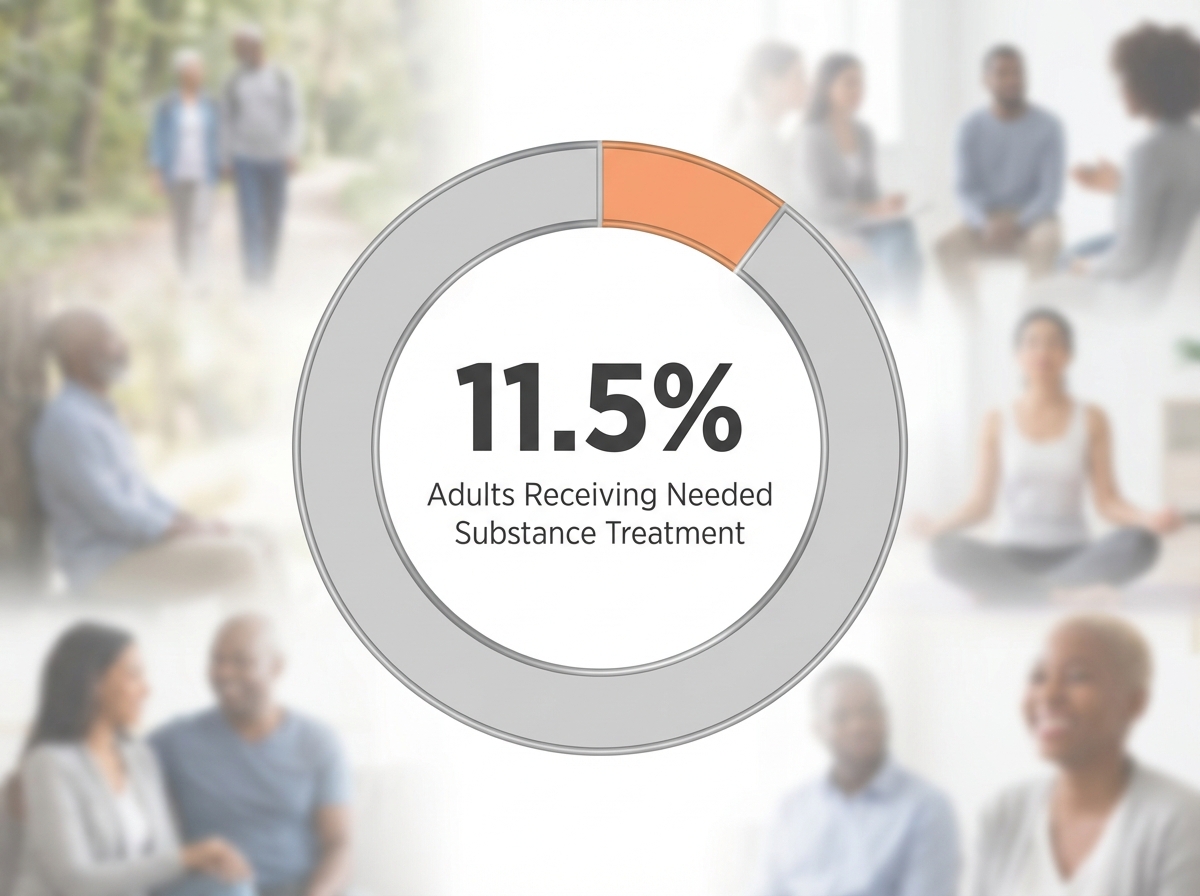
Navigating insurance coverage for dual diagnosis treatment programs can feel overwhelming, especially when an adult child struggling with addiction needs both substance use and mental health care. Most major insurance plans do provide some level of coverage for integrated treatment, but the details vary widely. It helps to start by reviewing the plan’s summary of benefits and specifically looking for terms like “mental health,” “substance use disorder,” and “behavioral health.” Calling the insurance company directly and asking for a list of in-network providers who offer dual diagnosis services can save time. Document all conversations, including reference numbers and names of representatives, to avoid confusion later. According to SAMHSA, only about 11.5% of adults who need specialized substance use treatment actually receive it, often due to barriers like insurance complexity1. Being persistent and informed improves access to quality care for your loved one.
Should I involve other family members or stage a formal intervention?
Involving other family members can be helpful when supporting an adult child struggling with addiction, but it should be approached carefully and with respect for your loved one’s privacy. Open communication among family members can increase understanding and reduce isolation. However, staging a formal intervention is a complex decision and should only be considered with professional guidance. Research shows that family therapy and psychoeducation improve treatment engagement and recovery outcomes by up to 40%6, 8. If considering a formal intervention, consult with a licensed professional who understands addiction and family dynamics to avoid causing further distress or conflict.
How long does recovery typically take for someone with co-occurring mental health conditions?
Recovery for an adult child struggling with addiction and co-occurring mental health conditions is not a set timeline. Research shows that individuals with both substance use and mental health disorders often need longer, more flexible care than those with only one condition. According to the National Institute on Drug Abuse, recovery is a long-term process that may involve multiple rounds of treatment and ongoing support for best outcomes7. For some, progress is seen within months; for others, it may take years of structured support and therapy. What matters most is consistency—integrated, trauma-informed care and family involvement help sustain recovery over time2.
What are the warning signs that my adult child needs immediate medical attention?
Warning signs that an adult child struggling with addiction needs immediate medical attention include difficulty breathing, seizures, chest pain, confusion, or loss of consciousness. Sudden severe changes in mental state—such as hallucinations, violent behavior, or not waking up—also signal a medical emergency. If there are signs of overdose, like blue lips or fingers, slow or stopped breathing, or unresponsiveness, call emergency services right away. Self-harm threats or suicide talk should always be taken seriously and require prompt professional intervention. Timely action in these situations can save a life and is supported by leading health authorities7.
How can I support my adult child’s recovery without compromising my own mental health?
Supporting an adult child struggling with addiction can take a toll on one’s own mental health, especially when balancing empathy with personal boundaries. Professionals encourage families to prioritize self-care alongside support efforts. This can include joining support groups for families, attending therapy, and setting aside regular time for restorative activities. Engaging in psychoeducation has been shown to improve a family member’s ability to support recovery by 40% and also helps maintain emotional resilience6. It is essential to communicate needs openly and avoid neglecting your own wellbeing in the process. Remember, caring for yourself is not selfish—sustained support is most effective when personal mental health is also protected.
What role should I play if my adult child experiences a relapse after treatment?
If an adult child struggling with addiction experiences a relapse after treatment, the most effective role a family member can take is one of supportive consistency. Relapse does not mean failure; it is a common part of the recovery process and often signals the need for additional support or a change in treatment approach7. Families should avoid criticism or blame and instead encourage open, honest communication. Reaffirm that recovery is ongoing and that returning to treatment or support groups is normal and encouraged. Engaging in family psychoeducation increases the ability to provide meaningful support by 40%6. Encourage hope, maintain boundaries, and remind your loved one that setbacks can lead to new growth and learning.
Connecting With Comprehensive Recovery Resources
Finding comprehensive recovery resources that truly understand the intersection of professional life and personal healing represents one of the most challenging aspects of seeking treatment for co-occurring disorders. When you’re navigating both mental health conditions and substance dependencies while maintaining your career, the need for specialized care that honors your complexity becomes paramount. Comprehensive recovery resources designed for integrated dual diagnosis treatment recognize that addressing psychological conditions and substance use simultaneously isn’t just clinically sound—it’s essential for professionals who understand the interconnected nature of these challenges.
Access to psychiatric care, medication management, and evidence-based therapies like cognitive behavioral therapy, dialectical behavior therapy, and trauma-focused interventions forms the clinical foundation of effective dual diagnosis treatment. Yet equally important are the holistic dimensions—nutrition support, mindfulness practices, and wellness programming—that address the physical and emotional toll these conditions take. Peer connections with others who understand the unique experience of managing recovery while maintaining professional responsibilities create validation that clinical treatment alone cannot provide. These comprehensive recovery resources work together to support healing across every dimension of life.
The reality of seeking treatment while honoring professional commitments requires flexible engagement options that adapt to your circumstances. Telehealth services, intensive outpatient programming, and structured aftercare planning ensure continuity when life demands don’t pause for healing. When comprehensive recovery resources integrate psychiatric care, evidence-based therapies, and holistic support under coordinated clinical oversight, they create the conditions for sustainable progress. This integrated approach acknowledges what you already know professionally—that treating co-occurring disorders requires addressing the whole person, not isolated symptoms.
References
- National Survey on Drug Use and Health (NSDUH) – Substance Abuse and Mental Health Services Administration. https://www.samhsa.gov/data/nsduh
- Mental Illness Statistics – National Institute of Mental Health. https://www.nimh.nih.gov/health/statistics/mental-illness
- Addiction Science: Understanding Drug Abuse and Addiction – National Institute on Drug Abuse. https://www.nida.nih.gov/publications/research-reports/addiction-science
- Understanding Addiction – American Psychological Association. https://www.apa.org/science/about/psa/addiction
- Diagnostic and Statistical Manual of Mental Disorders (DSM-5-TR) – American Psychiatric Association. https://www.psychiatry.org/psychiatrists/practice/dsm
- Substance Use Disorder & Mental Health – National Alliance on Mental Illness. https://www.nami.org/Get-Involved/Awareness-Events/Substance-Use-Disorder-Awareness
- Opioid Overdose – Centers for Disease Control and Prevention. https://www.cdc.gov/drugoverdose/
- Family Therapy and Substance Use Disorders – PubMed Central (NIH). https://www.ncbi.nlm.nih.gov/pmc/articles/PMC3770077/
- Cognitive Behavioral Therapy for Substance Use Disorders – PubMed Central. https://www.ncbi.nlm.nih.gov/pmc/articles/PMC6318668/
- Dialectical Behavior Therapy for Substance Use Disorders – PubMed Central. https://www.ncbi.nlm.nih.gov/pmc/articles/PMC5993546/