
Key Takeaways: Is EMDR Right for You?
- Assess Your Readiness: If you experience recurring distress from past events but have a basic level of safety in your daily life, you may be a prime candidate.
- Understand the Commitment: Success typically requires 6–12 sessions, with costs in San Antonio ranging from $120 to $200 per session depending on insurance.
- Prioritize Cultural Fit: Look for therapists who understand familismo and offer services in Spanish if that aids your comfort.
- Immediate Action: If you are currently in substance use recovery, ask your provider about integrated care options immediately.
Understanding EMDR Therapy San Antonio TX
What EMDR Therapy Is and How It Works
- Do you have vivid, intrusive memories of a past event?
- Do you feel physically agitated (sweaty, racing heart) when reminded of the event?
- Do you avoid specific places in San Antonio (like certain intersections or neighborhoods) due to bad memories?
- Have traditional talk therapies felt like they hit a wall?
EMDR therapy, or Eye Movement Desensitization and Reprocessing, is an evidence-based approach designed to help individuals process and heal from traumatic experiences. If you are seeking EMDR therapy San Antonio TX, it is helpful to understand that this method differs significantly from standard counseling. During sessions, a specially trained therapist guides you through structured steps involving bilateral stimulation—such as following a light with your eyes or feeling alternating taps on your hands—while you briefly focus on a distressing memory.
This process helps the brain “digest” traumatic memories, stripping away the overwhelming emotional charge so they become part of your past rather than a disruption to your present. Research consistently shows that EMDR is highly effective for posttraumatic stress disorder (PTSD) and is recommended by the American Psychological Association and the World Health Organization.5,6
“What sets EMDR apart is its focus on resolving the emotional charge of memories directly, often leading to faster symptom relief than traditional talk therapy.”8
More than 30 randomized controlled trials have confirmed its effectiveness for both adults and children. While the exact biological mechanism is still being studied, the results are clear: this therapy helps people throughout San Antonio move forward from trauma.6
Why San Antonio Residents Need EMDR
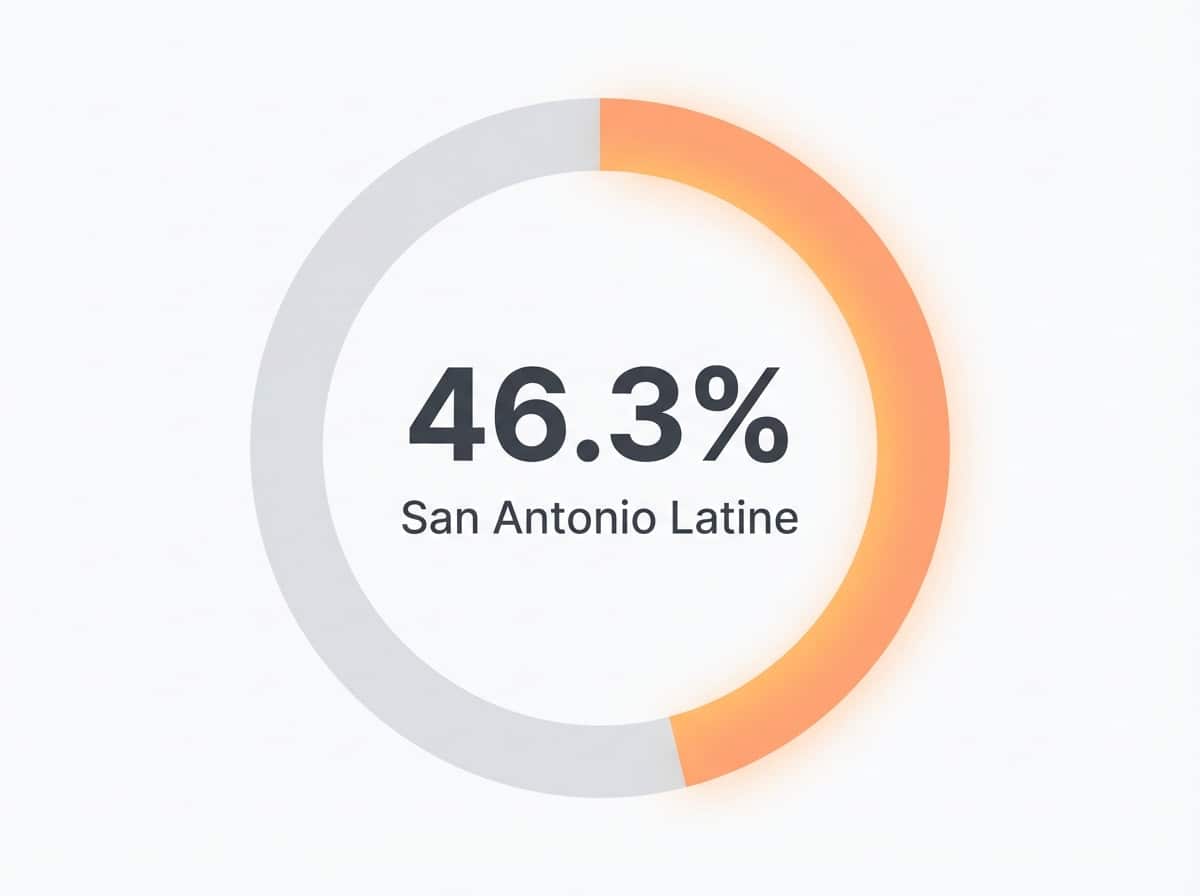
San Antonio’s vibrant neighborhoods—like Alamo Heights, Southtown, and the West Side—carry rich histories, but many residents face invisible burdens. With nearly half of the city identifying as Hispanic or Latine (46.3%), it is vital to offer trauma care that respects cultural values and language needs. EMDR therapy San Antonio TX addresses these realities by providing a culturally adaptable approach for healing.7
Local data indicates higher rates of trauma exposure and concurrent mental health conditions in several communities, including Harlandale and the East Side. EMDR stands out for its ability to reach people who may not respond to traditional talk therapy, including those with complex trauma histories. It offers a lifeline for neighbors, friends, and families looking to break the cycle of pain and move forward with confidence.6,9
EMDR Therapy San Antonio TX for Co-Occurring Trauma and Addiction
Breaking the Trauma-Substance Use Cycle
In neighborhoods like Woodlawn Lake and Olmos Park, the link between trauma and substance use is a daily reality. Trauma often drives individuals to seek relief through alcohol or drugs, creating a cycle that feels inescapable. EMDR therapy San Antonio TX interrupts this pattern by processing the root causes of substance use rather than just managing symptoms.
| Feature | Trauma Symptoms | Substance Use Symptoms |
|---|---|---|
| Triggers | Flashbacks, nightmares, avoidance of places. | Cravings, environmental cues, stress. |
| Emotional State | Hyperarousal, anxiety, numbness. | Irritability, mood swings, depression. |
| EMDR Goal | Reprocess memory to reduce distress. | Desensitize triggers to reduce cravings. |
Local clinics find that when trauma is treated respectfully, people from areas like Mission San Jose report stronger recovery progress. Integrating trauma care leads to greater decreases in PTSD symptoms without increasing substance use. With roughly 8% of local adults living with both conditions, breaking this cycle is crucial.3,10
Evidence for Integrated EMDR Treatment
Research strongly supports integrated care. A 2025 clinical trial found that adding trauma-focused therapies like EMDR to substance use disorder (SUD) treatment led to an average 8.85-point drop on the CAPS-5 scale (a measure of PTSD severity). Importantly, this approach did not trigger relapse, challenging old concerns about combining therapies.3
Integrated programs result in twice the rate of significant PTSD symptom relief compared to non-integrated options. For residents in Southside and Harlandale, where comprehensive care can be scarce, this means EMDR therapy San Antonio TX offers evidence-based hope for long-term recovery recommended by the Department of Veterans Affairs.1,4,9
EMDR Therapy Across San Antonio Communities
Culturally-Informed EMDR for Diverse Populations
- “Do you have experience adapting EMDR for Hispanic/Latine clients?”
- “Are you open to involving my family members in parts of the process (familismo)?”
- “Do you offer sessions in Spanish or have translation services available?”
San Antonio’s cultural mosaic requires therapy that honors language and family values. Culturally-informed EMDR adapts treatment to fit lived experiences, such as offering therapy in Spanish or recognizing familismo. Research highlights that adjusting protocols for Latine/x individuals leads to better engagement and outcomes.7
This approach helps residents from neighborhoods like King William and the Northeast Side feel seen. By tailoring EMDR therapy San Antonio TX to reflect the city’s diversity, therapists empower clients to process trauma in a safe space, strengthening trust and results.7
Neighborhoods We Serve in Greater San Antonio
Access to care spans Greater San Antonio, from Stone Oak and the Medical Center to Southside and Leon Valley. Convenient locations near the Pearl District and major routes like I-10 and US-281 make attendance easier. For those in Westover Hills or Converse, flexible scheduling and telehealth help overcome traffic barriers.
Clients in Castle Hills and Helotes report that local access reduces the stress of commuting, making healing more feasible. Improving neighborhood access increases engagement and positive outcomes for diverse communities.9

What to Expect from EMDR Therapy in San Antonio
EMDR therapy follows a structured eight-phase approach. This structure provides predictability and safety as you work through challenging material. Below is a breakdown of the time and financial investment you might expect.
Time Per Session: 60 to 90 minutes
Frequency:        Weekly or Bi-weekly
Duration:         6 to 12 sessions (average)
Cost Range (SA):  $120 - $200 per session (without insurance)
Insurance:        Many PPO plans cover 50-80% after deductible
Click to View the 8 Phases of EMDR
- History Taking: Gathering background and identifying targets.
- Preparation: Learning coping skills to handle distress.
- Assessment: Activating the memory and identifying negative beliefs.
- Desensitization: Using eye movements to process the memory.
- Installation: Strengthening positive beliefs about yourself.
- Body Scan: Checking for lingering physical tension.
- Closure: Ensuring you feel stable before leaving the session.
- Reevaluation: Checking progress at the start of the next session.
During the core phases, you will engage in bilateral stimulation while focusing on distressing memories. You won’t be forced to verbally share every graphic detail; the brain does the processing internally. Between sessions, you might experience vivid dreams or new insights—these are normal signs of healing.
As you progress, you will likely notice improvements in sleep, reduced anxiety, and fewer intrusive thoughts. EMDR therapy San Antonio TX doesn’t erase memories but changes how your brain stores them, giving you greater control over your emotional responses.
Frequently Asked Questions
How long does EMDR therapy typically take to see results?
The timeline for seeing results from EMDR therapy San Antonio TX varies for each person. Many clients notice some changes, like reduced anxiety or distress related to specific memories, within the first few sessions. The overall length of EMDR therapy depends on your trauma history, goals, and how comfortable you feel as the process unfolds. Some people experience significant relief after 6–12 sessions, while others with complex trauma may benefit from a longer course of care. Your therapist will regularly check in to ensure you are progressing at a pace that feels right for you, supporting steady, lasting healing.6,8
Can I receive EMDR therapy while actively participating in substance use treatment?
Yes, you can receive EMDR therapy San Antonio TX while actively participating in substance use treatment. Recent research shows that trauma-focused therapies like EMDR are safe and effective when combined with addiction care, even for those currently working on recovery. Integrating EMDR with substance use treatment does not increase the risk of relapse or worsen substance use symptoms—in fact, it helps reduce trauma-related distress, which can support your overall healing process. Therapists in San Antonio are experienced in working with individuals facing both trauma and substance use challenges, ensuring a coordinated approach that respects your readiness and unique needs.3,9
Is EMDR therapy available in Spanish for San Antonio’s Spanish-speaking community?
Yes, EMDR therapy San Antonio TX is available in Spanish for San Antonio’s Spanish-speaking community. Many local therapists recognize the importance of providing trauma care in the client’s preferred language, especially since nearly half of San Antonio residents identify as Hispanic or Latine (46.3%)7. Research shows that adapting EMDR protocols through Spanish translation and addressing cultural values like familismo leads to better engagement and outcomes in therapy for Latine/x clients. When seeking EMDR therapy San Antonio TX, you can ask about Spanish-speaking clinicians and culturally-informed approaches designed to support your healing journey in a way that feels comfortable and respectful.7
Will EMDR therapy make my substance use worse during treatment?
No, EMDR therapy San Antonio TX will not make your substance use worse during treatment. High-quality research shows that integrating trauma-focused care like EMDR with substance use disorder (SUD) treatment actually helps decrease trauma symptoms without increasing substance use or risk of relapse. In fact, a 2025 clinical trial found that people receiving both EMDR and SUD treatment experienced greater improvement in PTSD symptoms, and their substance use did not worsen compared to those receiving SUD treatment alone. Your therapist in San Antonio will work with you to ensure that care is coordinated and responsive to your needs throughout the process.3
Do you serve neighborhoods in South San Antonio and surrounding areas?
Yes, EMDR therapy San Antonio TX is available to residents in South San Antonio and the surrounding areas. Services reach neighborhoods such as Southside, Harlandale, and areas near Mission San Jose and Palo Alto, as well as nearby communities like Somerset and Von Ormy. Many local clinics offer flexible scheduling, telehealth options, and offices near major roads, making it easier to access care despite common traffic or parking concerns. Research shows that expanding neighborhood access to trauma-focused care helps increase engagement and improves outcomes for San Antonio’s diverse communities. If you live in or near South San Antonio, support is within reach.9
How does EMDR therapy compare to traditional talk therapy for trauma?
EMDR therapy San Antonio TX is different from traditional talk therapy because it focuses directly on reprocessing traumatic memories, rather than only discussing them. During EMDR, clients engage in guided eye movements or other forms of bilateral stimulation while recalling distressing experiences. Research shows EMDR often leads to faster symptom relief and lower dropout rates compared to standard talk therapies like cognitive behavioral therapy (CBT). Major organizations, including the American Psychological Association and World Health Organization, now recommend EMDR as a first-line treatment for trauma and PTSD. This makes EMDR therapy San Antonio TX a powerful, evidence-based option for those seeking lasting recovery from trauma.5,6,8
Can family members participate in my EMDR therapy process?
Yes, family members can participate in your EMDR therapy San Antonio TX process, though how they’re involved depends on your comfort and needs. Many local therapists recognize the importance of family in the healing journey, especially in San Antonio’s diverse communities where family support (familismo) is highly valued. With your permission, therapists may invite family members to certain sessions to help them understand your experience or to strengthen your support system. However, the core work of EMDR remains focused on your individual healing, and involvement of others is always guided by your preferences, safety, and clinical recommendations. This collaborative approach ensures your voice and needs remain central throughout treatment.7
Begin Your Healing Journey Near San Antonio
“Reaching out for help takes tremendous courage, and that courage deserves to be met with the right professional support.”
Understanding what EMDR involves is the first step—the next is finding the right therapist. Whether dealing with childhood trauma, recent distressing events, or ongoing anxiety, qualified EMDR therapists throughout the San Antonio area stand ready to guide the healing process. Look for practitioners certified through EMDRIA (the EMDR International Association) and ask about their experience with cases similar to yours.
Don’t hesitate to inquire about practical matters like insurance acceptance, sliding scale fees, or payment plans. No one needs to face trauma alone. EMDR therapy San Antonio TX provides a structured framework that has helped countless individuals reclaim their lives. The therapeutic relationship creates a safe space for processing difficult experiences while developing new coping strategies for long-term resilience.
Contact rippleranch.com today to learn how our evidence-based treatment approaches can help you reclaim your health, restore your relationships, and build the fulfilling life you deserve.
References
- PTSD and Trauma: New APA Guidelines Highlight Evidence-Based Interventions. https://www.apa.org/monitor/2025/07-08/guidelines-treating-ptsd-trauma
- State of the Science: Eye Movement Desensitization and Reprocessing Therapy. https://onlinelibrary.wiley.com/doi/10.1002/jts.23012
- Effectiveness of Treating Post-Traumatic Stress Disorder in Patients with Co-Occurring Substance Use Disorder. https://pubmed.ncbi.nlm.nih.gov/40442977/
- PTSD Treatment Basics – VA/Department of Defense Clinical Practice Guidelines. https://www.ptsd.va.gov/understand_tx/tx_basics.asp
- Post-Traumatic Stress Disorder – World Health Organization Fact Sheet. https://www.who.int/news-room/fact-sheets/detail/post-traumatic-stress-disorder
- EMDR Therapy in Treatment Guidelines – EMDRIA. https://www.emdria.org/about-emdr-therapy/emdr-and-ptsd/
- Culturally Considerate Trauma-Focused Post-Traumatic Stress Disorder Treatment Among Latine/x Samples: A Scoping Review. https://pmc.ncbi.nlm.nih.gov/articles/PMC11898671/
- Systematic Review and Meta-Analysis of EMDR Versus CBT for PTSD. https://pmc.ncbi.nlm.nih.gov/articles/PMC6217870/
- Integrated vs Non-Integrated Treatment Outcomes in Dual Diagnosis. https://pmc.ncbi.nlm.nih.gov/articles/PMC10157410/
- Substance Use and Concurrent Disorders: Current Context and Future Directions. https://pmc.ncbi.nlm.nih.gov/articles/PMC11629353/