Key Takeaways
- Definition: What is residential treatment? It is a live-in healthcare option where individuals receive 24/7 support for substance use and mental health in a safe, home-like environment.
- Core Features: These programs offer structured daily routines, evidence-based therapies, and a supportive community of peers and professionals.
- Who It’s For: This level of care is most relevant for individuals who need a break from their daily environment to focus entirely on healing and building new, healthy habits.
Defining What Is Residential Treatment
24-Hour Structured Care Environments
To answer the question “what is residential treatment,” we must look at the environment it creates. Imagine a safe, supportive place where people stay full-time, with trained staff always available. These settings offer a daily routine—meals, therapy sessions, group activities, and quiet time—so every hour is guided by structure and support. This constant supervision is designed to help prevent relapse, encourage healthy habits, and build new skills for recovery.
“People don’t just visit for a few hours a day; they live there for a period of time, which allows for deep focus on healing.”
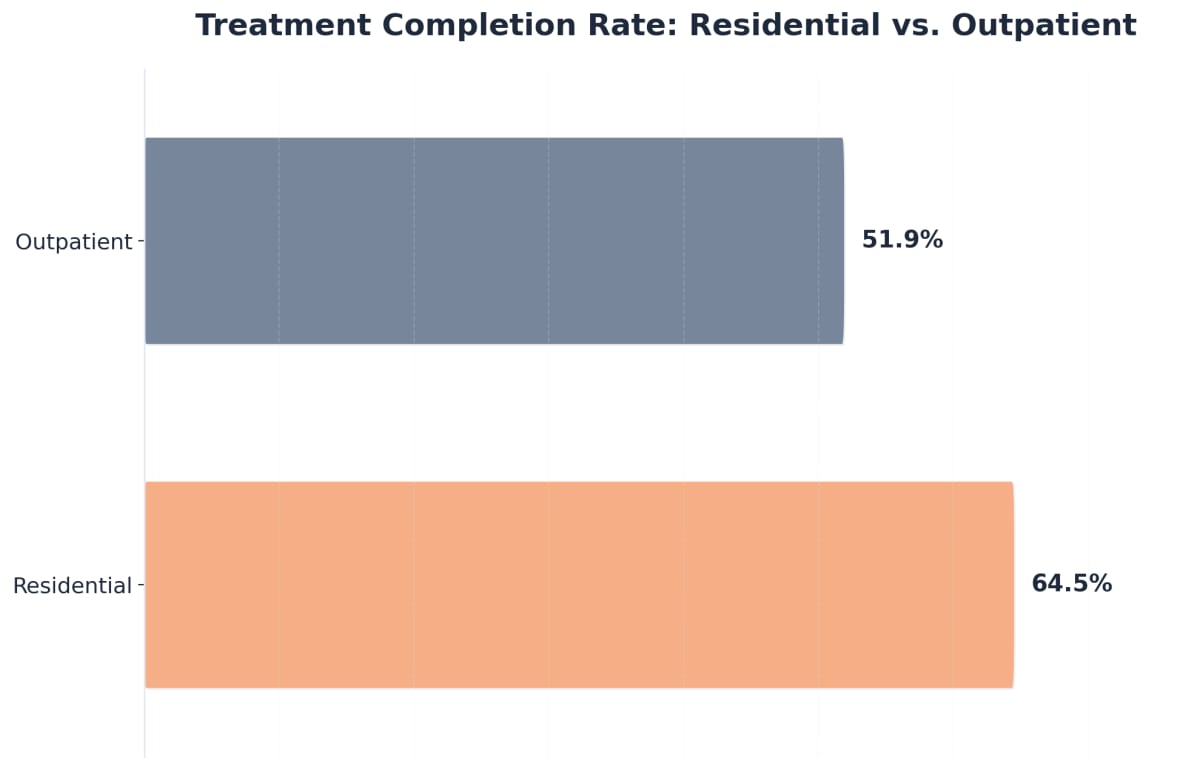
What sets these environments apart is the level of consistency and safety they provide. One study found that individuals in residential programs were more than three times as likely to complete treatment compared to those in outpatient programs, highlighting the impact of a 24-hour structure1. By giving residents a break from outside pressures and temptations, these environments create space for real change.
Who Benefits from This Level of Care
What is residential treatment is often recommended for people who need more support than outpatient care can offer. This level of care is especially helpful for those facing complex challenges, such as both substance use and mental health conditions at the same time. In fact, around 85% of individuals in treatment have co-occurring mental health concerns, showing just how common it is to need help with more than one issue at once8.
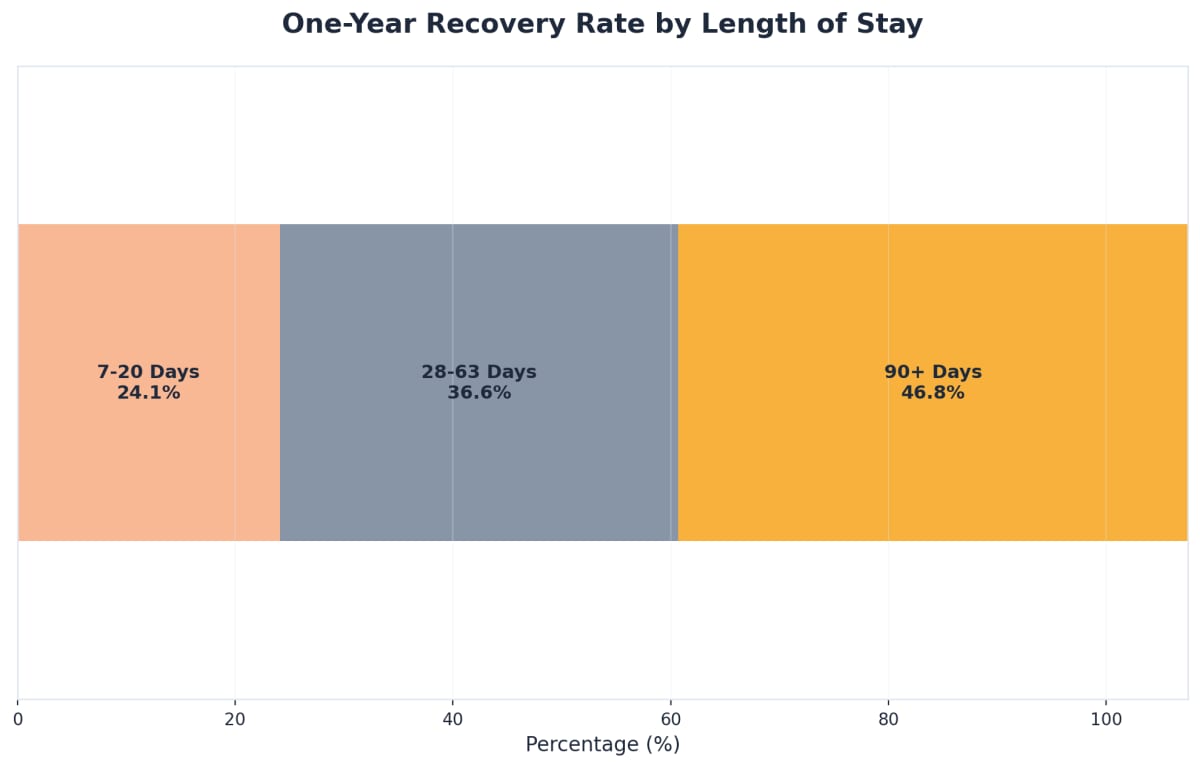
Residential treatment is also a good option for people who have tried outpatient programs but found it hard to stay on track, or for those who may not have a safe or stable place to live while recovering. Because what is residential treatment provides a break from daily stressors and constant access to support, it gives people time to focus on making changes in a safe environment. Research also shows that staying in treatment for 90 days or more leads to much better chances of staying healthy for a year after leaving the program5.
What Is Residential Treatment: How It Works
The Therapeutic Community Model
The therapeutic community model is a special approach used in many residential programs. To understand what is residential treatment, it helps to picture a group of people living together and supporting one another as they work toward recovery. Instead of just focusing on medical care, this model relies on the idea that everyone in the community—residents and staff—helps each other grow.
In a therapeutic community, daily life is built around shared responsibility, open communication, and mutual encouragement. For example, residents might help plan group activities, participate in chores, and support each other during group discussions. This teamwork teaches valuable social and coping skills that are important for life after treatment.
Research shows that the therapeutic community model can help people feel connected and motivated, which can make a big difference in recovery outcomes10. When people feel like they belong and have a role to play, they are more likely to stay in treatment and develop healthier habits. This focus on peer support is a key reason why what is residential treatment is often more effective for long-term change than outpatient care.
Daily Structure and Programming
Each day in a residential treatment program follows a carefully planned schedule designed to support healing, stability, and personal growth. To understand what is residential treatment, imagine a day that balances therapy, healthy routines, and time for rest. Structured routines are a key part of the process, as they replace old habits with positive new ones.
| Time of Day | Typical Activity | Purpose |
|---|---|---|
| Morning | Nutritious breakfast & Group Therapy | Fuel the body and set intentions for the day. |
| Mid-Day | Educational Workshops & Lunch | Learn stress management and build community. |
| Afternoon | Recreational Activities (Art, Music, Exercise) | Discover hobbies and learn to relax without substances. |
| Evening | Shared Meals & Reflection | Strengthen social bonds and process the day’s events. |
Staff members are available throughout the day and night for guidance and support. Research shows that having a stable daily structure increases the chances of staying in treatment and making lasting changes10. By following a consistent routine, residents can focus on building the skills they need for life after treatment.
Core Components of Effective Programs
Evidence-Based Therapies and MAT
When exploring what is residential treatment, it’s important to know that effective programs rely on therapies proven to work through research. This is what “evidence-based” means—using treatments that have been studied and shown to help people recover. Common therapies include:
- Cognitive Behavioral Therapy (CBT): Helps people recognize and change patterns of thinking or behavior that can lead to substance use.
- Dialectical Behavior Therapy (DBT): Adds skills for handling emotions and relationships in healthy ways.
Another key part of what is residential treatment today is Medication-Assisted Treatment, or MAT. MAT means using approved medications, like buprenorphine or naltrexone, to help manage cravings and withdrawal symptoms. These medications do not create a new substance problem; instead, they make it easier for people to focus on recovery and participate fully in therapy. Research has shown that MAT, when combined with counseling, leads to better outcomes and lowers the risk of returning to substance use, especially for opioid use disorders4.
Integrated Dual Diagnosis Treatment
One of the most important parts of what is residential treatment today is the focus on people who have both substance use and mental health conditions. This is called a “dual diagnosis.” Imagine trying to solve two puzzles at once—if you only work on one, the other can still cause problems. That’s why effective residential treatment programs address both challenges together, not separately.
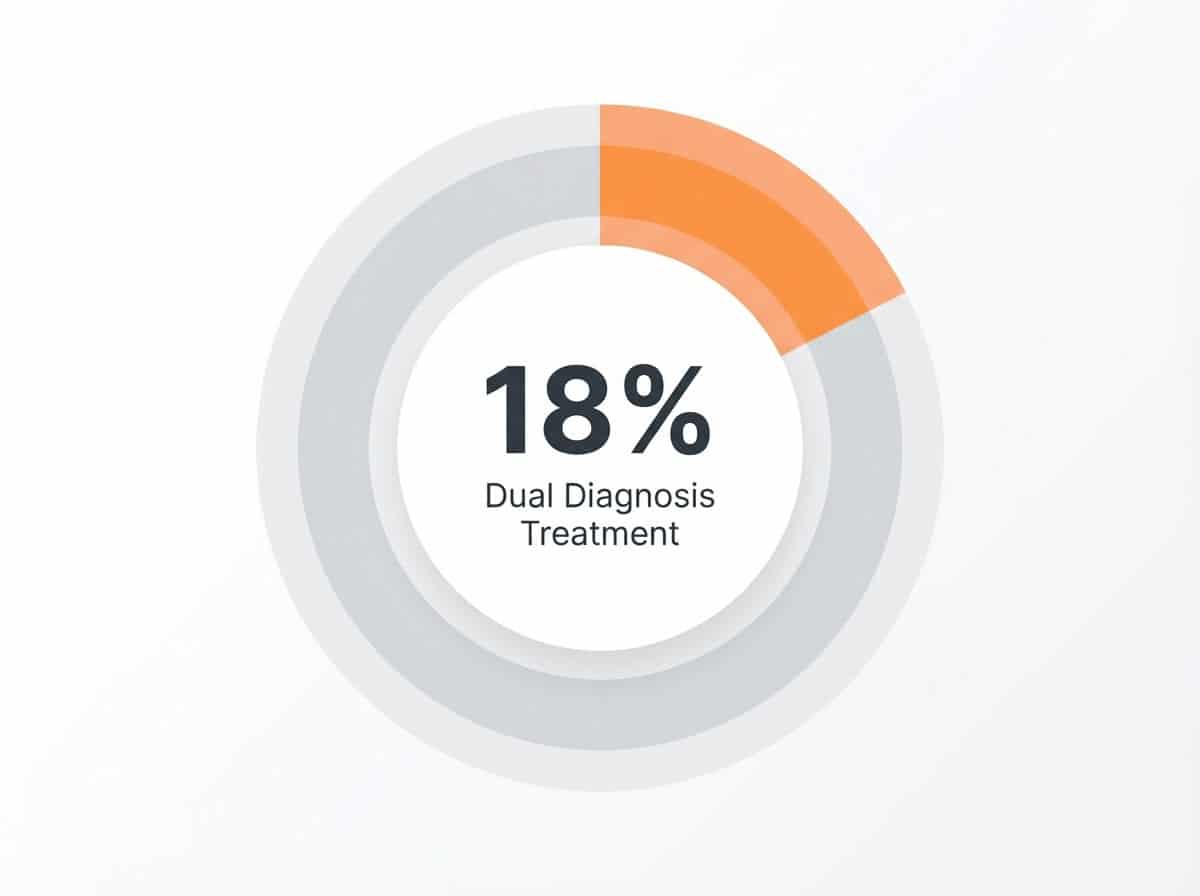
Integrated dual diagnosis treatment means that mental health care (like therapy for depression, anxiety, PTSD, or bipolar disorder) is provided along with support for substance use recovery. This might include counseling, group therapy, and sometimes psychiatric medications, all managed by professionals trained in both areas. Research shows that about 85% of people in treatment have co-occurring mental health concerns, yet only a small number of programs—just 18%—are equipped to provide truly integrated care8, 7.
By treating both conditions together, what is residential treatment becomes a more complete solution for many individuals. Programs that offer this support help people better understand how their mental health and substance use affect each other, making it more likely they’ll stay in recovery long-term.
Why Length of Stay Impacts Recovery
When someone enters treatment for substance use disorder, one of the most pressing questions families and individuals face is: “How long will this take to actually work?” The answer matters deeply—not just for planning purposes, but because the duration of treatment fundamentally shapes whether recovery takes hold or whether someone returns to old patterns within weeks of leaving.
The Physical Foundation: Healing Takes Time
When individuals enter treatment, their brains and bodies need time to heal from the physical effects of substance use. The detoxification process alone can take days or weeks, depending on the substances involved and the severity of dependence. Beyond physical withdrawal, the brain requires additional time to begin restoring its natural chemistry and neural pathways that have been altered by prolonged substance use. Rushing through this biological healing process can leave individuals vulnerable to cravings and heightened stress responses that increase relapse risk.
The Psychological Dimension: Addressing Root Causes
Psychological healing follows a similar—and often longer—timeline. Many people struggling with substance use disorders have underlying mental health conditions, unresolved trauma, or deeply ingrained behavioral patterns that contributed to their substance use. Addressing these complex issues requires sustained therapeutic work over weeks and months, not days. Shorter treatment stays simply don’t provide enough time to identify root causes, develop healthy coping mechanisms, and practice new behaviors in a supportive environment.
Building Skills and New Patterns
The skills needed for long-term recovery also take time to develop and internalize. Individuals must learn to recognize triggers, manage cravings, communicate effectively, rebuild relationships, and navigate daily life without substances. These aren’t skills that can be mastered in a few sessions. Extended treatment stays allow people to practice these essential skills repeatedly, receive feedback, make adjustments, and build confidence in their ability to maintain sobriety when they return to their everyday environments.
Equally important is the opportunity to establish new routines and habits. Substance use disorders often disrupt normal daily patterns around sleep, nutrition, exercise, and social interaction. Longer treatment stays provide the structure and support needed to establish healthy routines that become second nature. When individuals spend more time practicing these new patterns, they’re more likely to continue them after treatment ends.
What the Research Shows
Research from the National Institute on Drug Abuse provides clear guidance: treatment lasting fewer than 90 days has limited effectiveness for most individuals. A landmark NIDA study found that patients who remained in treatment for at least 90 days showed significantly better outcomes at one-year follow-up, with reduced substance use and improved employment rates compared to those in shorter programs. Programs that extend beyond this 90-day threshold give people adequate time to work through the multiple dimensions of recovery—physical, psychological, behavioral, and social—addressing the whole person rather than just the immediate symptoms of substance use.
Frequently Asked Questions
Is residential treatment the same as inpatient hospitalization?
Residential treatment and inpatient hospitalization are not the same, though both provide a high level of support. What is residential treatment offers a structured, home-like setting where individuals live for a period of time and participate in therapy, group activities, and daily routines led by trained staff. Inpatient hospitalization, by contrast, usually takes place in a hospital and is designed for people with immediate medical or psychiatric needs who may require close monitoring or emergency care. Residential treatment focuses on long-term recovery and skill-building, while hospitalization is typically short-term and addresses urgent safety or health concerns 10.
What happens if my insurance only approves 30 days but I need longer treatment?
If your insurance only approves 30 days but your care team believes you need a longer stay, this can be stressful. Many people in what is residential treatment face this situation because insurance companies often limit coverage even when research shows that longer treatment leads to better outcomes. For example, staying in residential care for more than 90 days nearly doubles the chance of staying healthy for a full year compared to shorter stays 5. If you need more time, your care team can help by providing documentation and appealing to your insurance for an extension. It’s important to talk with your treatment provider about your options and to plan for continued support after discharge, such as outpatient care or aftercare programs.
Can I receive residential treatment if I have both a substance use disorder and a mental health condition?
Yes, you can receive residential treatment if you have both a substance use disorder and a mental health condition. In fact, what is residential treatment is designed to support individuals facing both challenges at the same time—a situation known as a “dual diagnosis.” Many programs now offer integrated care, meaning you receive therapy and support for both mental health and substance use while living in a safe, structured environment. However, only about 18% of treatment programs are fully equipped to provide this kind of dual diagnosis care, so it’s important to ask about this when choosing a program 87.
Will I be required to take medication during residential treatment?
You are not automatically required to take medication during what is residential treatment. Medication use depends on your specific needs and the recommendations of your care team. For some people, medications are used to manage cravings, withdrawal symptoms, or mental health conditions. This is known as Medication-Assisted Treatment (MAT) and has been shown to improve recovery outcomes when combined with therapy 4. However, every treatment plan is personalized, and you will have the opportunity to discuss options, ask questions, and make informed decisions with your doctors and counselors. Your preferences and comfort are always respected throughout the process.
How does residential treatment prepare me for life after the program ends?
Residential treatment prepares you for life after the program by helping you build healthy habits, learn coping skills, and develop a strong support network. What is residential treatment often includes planning for the future—like creating a relapse prevention plan, connecting with outpatient care, or joining support groups. Many programs offer family education, job readiness training, and practice with real-world situations to make the transition smoother. Research shows that these steps, along with continued care after leaving residential treatment, are key for long-term recovery and reduce the chance of returning to substance use 9.
Can family members participate in my residential treatment program?
Yes, family members can participate in your residential treatment program in many cases. Most programs that understand what is residential treatment recognize the value of including family in the healing process. This can happen through family therapy sessions, educational workshops, or special family days. These activities help loved ones learn about substance use and mental health, improve communication, and build a stronger support system for when you return home. Research supports the idea that involving family can lead to better outcomes and a smoother transition after treatment 10. Always check with your chosen program to see what family options are available.
What is the difference between residential treatment and a therapeutic community?
Residential treatment and a therapeutic community are related but not exactly the same. What is residential treatment refers to a broad category of programs where people live in a supportive, structured setting with access to therapy, routines, and 24-hour care. A therapeutic community is a specific type of residential treatment that places extra emphasis on peer support and shared responsibility—residents help each other and participate in running the community. While all therapeutic communities are residential treatment programs, not every residential program uses the therapeutic community approach. Research shows therapeutic communities can help people feel more connected, which supports recovery and lasting change 10.
Conclusion
Considering treatment length for yourself or someone you care about takes tremendous courage. This decision comes at a vulnerable time, often accompanied by difficult questions about time away from family, financial concerns, and the uncertainty of what lies ahead. These concerns are valid and understandable—yet the research consistently shows that adequate treatment time creates the foundation for lasting change that shorter programs simply cannot provide.
The journey toward lasting recovery looks different for everyone. Factors like substance use history, co-occurring mental health conditions, and personal circumstances all influence the ideal treatment duration. What remains constant is the correlation between adequate treatment time and positive long-term outcomes. Extended programs allow individuals to practice new coping strategies, process difficult emotions, and develop the confidence needed to maintain sobriety beyond the structured treatment environment.
Choosing a treatment program represents a significant commitment to health and well-being, and it’s natural to feel both hope and apprehension about what’s required. By prioritizing programs that offer sufficient time for meaningful change, individuals position themselves for success in ways that honor the seriousness of their commitment. Recovery is possible, and reaching out to treatment professionals who can help determine the right program length can be the first step toward the lasting transformation that changes everything.
References
- The effectiveness of residential treatment services for individuals with substance use disorders: A systematic review. https://www.sciencedirect.com/science/article/abs/pii/S037687161930263X
- Residential Versus Outpatient Treatment in the US. https://www.recoveryanswers.org/research-post/residential-versus-outpatient-treatment-in-the-us/
- Summary of Evidence – Inpatient and Outpatient Treatment. https://www.ncbi.nlm.nih.gov/books/NBK507689/
- Substance Abuse and Mental Health Services Administration. https://www.samhsa.gov
- The Stunning Correlation Between Length of Stay and One Year Abstinence. https://vista-research-group.com/Correlation-Between-LOS-One-Year-Abstinence
- About the ASAM Criteria. https://www.asam.org/asam-criteria/about-the-asam-criteria
- Advancing Reduction of Drug Use Endpoint in Addiction Treatment Trials. https://nida.nih.gov/about-nida/noras-blog/2025/03/advancing-reduction-drug-use-endpoint-in-addiction-treatment-trials
- Dual diagnosis capability in mental health and addiction treatment services. https://www.ncbi.nlm.nih.gov/pmc/articles/PMC3594447/
- Continuing Care Research: What We’ve Learned and Where We’re Going. https://www.ncbi.nlm.nih.gov/pmc/articles/PMC2670779/
- Residential Treatment Programs. https://www.aacap.org/AACAP/Families_and_Youth/Facts_for_Families/FFF-Guide/Residential-Treatment-Programs-097.aspx